 |
February is recognized as American Heart Month, serving to increase awareness about cardiovascular disease, the leading cause of death in the United States, and to promote heart-healthy habits. Established in 1964, this observance encourages people to manage risk factors such as high blood pressure and cholesterol through diet, exercise, and regular check-ups.
The American Heart Association has set a target to double the survival rate from cardiac arrest by 2030. To save more lives from the approximately 350,000 cardiac arrests that occur outside of hospitals each year, it is crucial to enhance the number of individuals who respond to these emergencies by calling 911, providing high-quality CPR, and using an AED as soon as it becomes available.
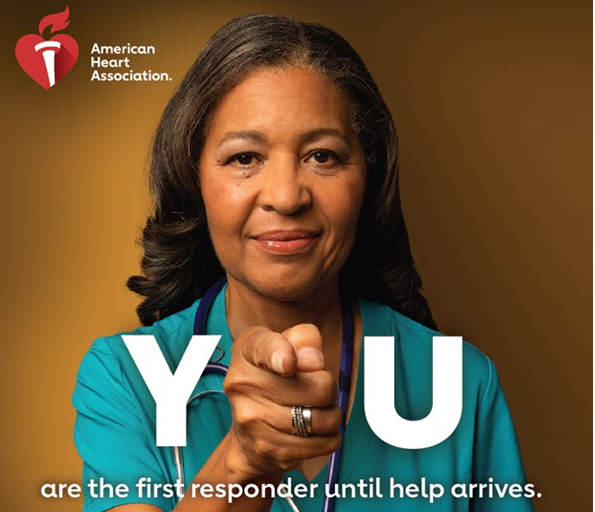
In cardiac emergencies, the initial responder is often an everyday bystander rather than a uniformed professional. Cardiac arrest can happen anywhere, such as at the gym, in grocery stores, or during children's sports events. However, bystanders only intervene about 40% of the time, often due to uncertainty or lack of training.
It is not necessary to have medical training to save a life; what is needed is knowledge, courage, and the willingness to act.
Joining the Nation of Lifesavers is easier than ever with many learning options
-- Source: American Heart Association |