 Friday, September 26, 2025
Quick Response Team shares resources and lived experiences to prevent overdose deaths
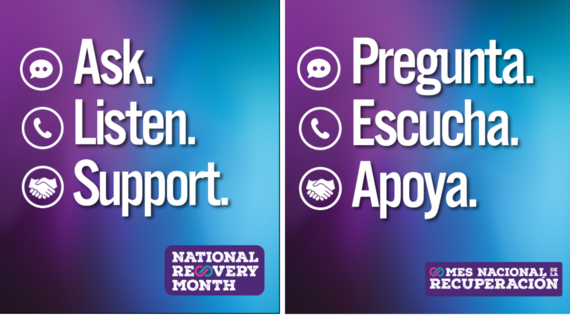 National Recovery Month (Recovery Month), which started in 1989, is an annual observance that takes place every September. Its purpose is to promote and support new evidence-based treatment and recovery practices, recognize the recovery community across the nation, and honor the commitment of service providers and communities that facilitate recovery in various forms.
Our Louisville Metro Department of Public Health and Wellness’ Quick Response Team (QRT) is committed to preventing overdose deaths and connecting people to treatment and other resources.
Our QRT provides firsthand understanding and support to community members, and their loved ones, who have experienced an overdose. Each day, QRT receives a list of referrals from Louisville Metro EMS, Louisville Fire and other area police departments. The team visits people who have experienced an overdose within 72 hours and delivers the following assistance:
- Provides the overdose reversal medication naloxone, also known as Narcan, to individuals and family members.
- Provides fentanyl test strips and other harm reduction supplies.
- Refers people to medication for opioid use disorder (MOUD) and other treatment services.
- Provides education on ways to reduce the risk of overdose.
- Refers people to Public Health and Wellness’ Harm Reduction Outreach Services.
- Helps reduce stigma around substance use through education.
- Refers people to other resources including mental and physical healthcare, utility assistance, housing and food to meet needs.
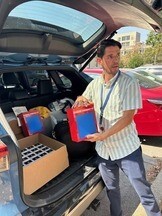
"Using our own lived experience and these harm reduction supplies helps us break down barriers and stigma and connect with community members and just have deeply, engaging, compassionate conversations,” said Cillian Browne (pictured left), Quick Response Team's community health supervisor. “It can be conversations surrounding substances. It can be with food, gambling, mental health, whatever someone is going through we want to make sure we are here for them.”
Since the program’s launch in July 2021, QRT has received 8,959 referrals, distributed more than 5,600 units of Narcan and has referred about 181 people to treatment:
- Total Narcan distributed: 5,619
- Total Fentanyl test strips distributed: 1,705
QRT also offers other services such as:
- Community Narcan training
- Discussions and presentations on substance use disorder
- Public awareness of trends in overdoses and overdose prevention education
The widespread availability of the overdose reversal drug naloxone has contributed to a decline in overdose deaths for three consecutive years. For details on obtaining free naloxone, you can visit Find Naloxone Now Ky.
Learn why the Quick Response Team is vital to the health of our community from our Community Health Administrator Ben Goldman.
To contact the Quick Response Team to inquire about Narcan training and overdose prevention education, call 502-551-8509.
|
Learn the warning signs of suicide
 Suicide affects more than the individual. Nearly one-third (32%) of cases involved someone else being present at or immediately after the time of death, including family, friends, or bystanders in public spaces. This is one of the key findings from our comprehensive Suicide Fatality Report for Louisville/Jefferson County, highlighting critical trends and risk factors in suicide deaths from 2019 through 2023.
September is Suicide Prevention Awareness Month, which aims to increase awareness, foster hope, and encourage individuals to seek help. The following are warning signs of suicide for both youth and adults. If you observe these signs in family members, friends, neighbors, coworkers, or others, it is important to act. The risk of suicide is higher if a behavior is new or has intensified, particularly if it appears to be connected to a difficult event, loss, or transition.
- Talking about or making plans for suicide.
- Acting anxious, agitated, or behaving recklessly.
- Talking about being a burden to others.
- Talking about feeling trapped or in unbearable pain.
- Increasing the use of alcohol or drugs.
- Talking about feeling hopeless or having no reason to live.
- Sleeping too little or too much.
- Withdrawing or feeling isolated.
- Showing rage or talking about seeking revenge.
- Displaying extreme mood swings.
- Chronic illness or serious physical health conditions.
If you or someone you know is struggling or in crisis, help is available. Call or text 988 or chat 988lifeline.org to reach the 988 Suicide & Crisis Lifeline. You can also visit our Community Mental Health Services webpage for a listing of mental health resources.
Are you looking for a wellness provider? Visit Mental Health Lou for a listing of local professionals.
Our 'disease detectives' keep Louisville safe
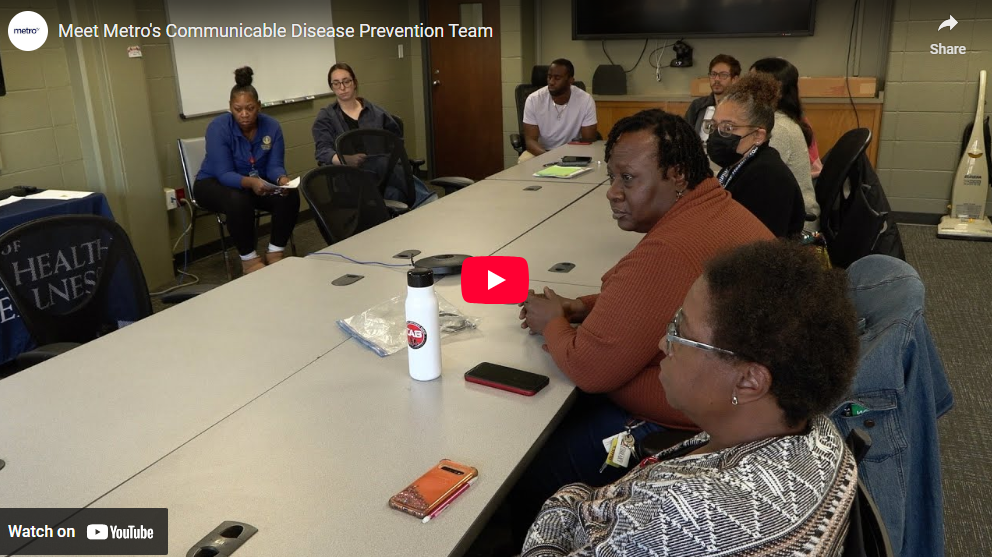
While doctors and nurses focus on the care of individual patients, public health workers concentrate on the overall health of the community. The Louisville Metro Department of Public Health and Wellness (LMPHW) has a team of epidemiologists and Disease Prevention and Control specialists, often referred to as "disease detectives." Their role involves researching and tracking the spread of infectious diseases such as measles and the flu.
Epidemiologists examine the patterns, causes, and dissemination of diseases within communities. They ensure that accurate information regarding outbreaks is shared with the public and provide support to residents seeking important details about various illnesses. Currently, they are working diligently to manage respiratory illness outbreaks and deliver essential information to the community during a particularly busy flu season.
For additional information about this significant work, you can click the photo above to view a video by MetroTV or visit our Disease Prevention and Control webpage.
|