 Friday, October 27, 2023

Help our city prevent childhood lead poisoning
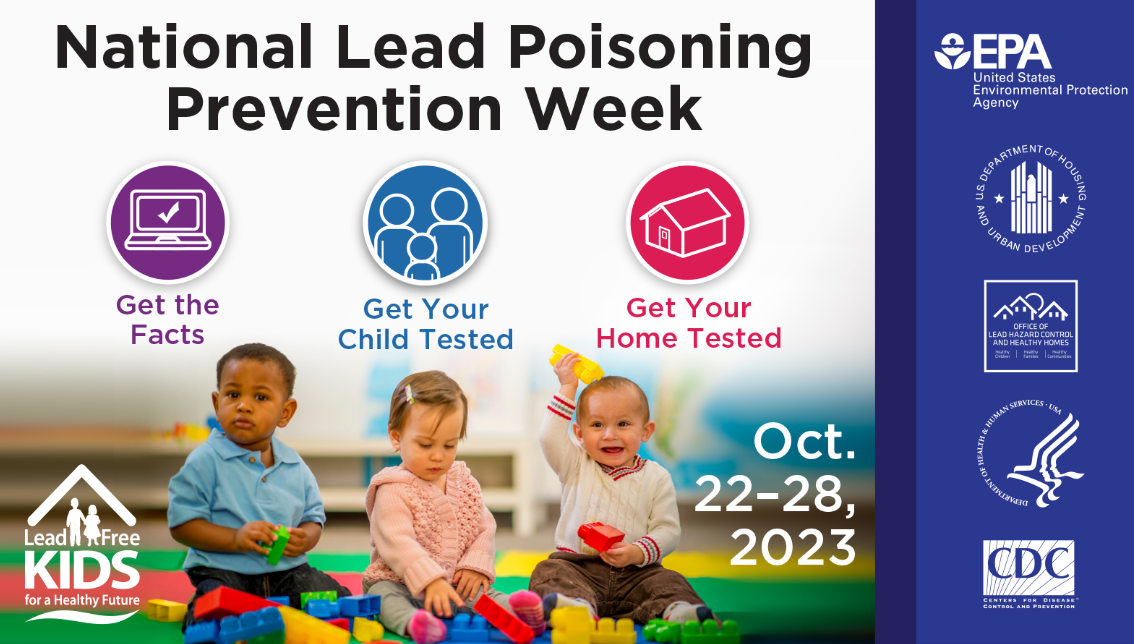
During National Lead Poisoning Prevention Week, Louisville Metro Department of Public Health and Wellness, Lead Safe Louisville, Metro United Way and other organizations are raising awareness about the dangers of lead poisoning and ways it can be prevented.
Lead can enter the body when someone inhales or ingests particles found in lead-contaminated paint, dust, soil or drinking water. Homes built before 1978 may contain lead-based paint or other lead hazards.
Lead can be harmful to a child’s growth, behavior and ability to learn. According to the CDC, no amount of lead in the body is safe. Children under the age of 6 are at the greatest risk of developing health issues caused by lead exposure. Pregnant individuals can also be affected by lead and pass it on to their unborn baby, causing issues like premature birth, low birth weight, learning and behavior problems and even miscarriage and stillbirth.
|

From 2005 to 2021, nearly 10,000 children in Louisville Metro tested positive for elevated blood-lead levels. Data shows children living in the northwest area of the city are almost 10 times at greater risk for developing lead poisoning than those living in other areas. There are five ZIP codes in Louisville that have the highest concentration of housing built before 1978: 40203, 40210, 40211, 40212, 40215.
Routine testing is the best way to know if you or your child has been exposed to lead. Ask your primary health care provider for a lead test. If lead is detected, contact Public Health and Wellness at 502-574-6644. The health department will help you find where the exposure is coming from and perform environmental interventions.
For more information about lead poisoning and preventative measures call 502-574-6644 or visit stopleadlou.com. To see if you qualify for assistance from Lead Safe Louisville, review the eligibility criteria online at louisvilleky.gov or call 502-574-5850. For more information, watch this video to learn about our lead poisoning prevention program.
City lead poisoning prevention experts appeared on WAVE’s Listens LIVE! this week to discuss the importance of being lead safe. You can watch that segment here.
|
Our Academic Health Department prepares
next generation of public health professionals
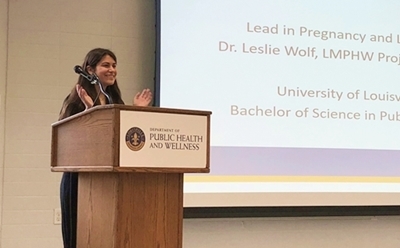
Much like teaching hospitals collaborate with universities to offer education and training to medical students, academic health departments partner with universities and accredited Schools of Public Health to train and educate future public health professionals. In addition to education, academic health departments engage in research, program evaluations, publication in academic journals and provide a variety of benefits to their communities.
What is an academic health department?
An academic health department (AHD) is a concept for collaborative learning meant to support the creation, sustainability, and growth of formal affiliations between a local health department and academic institutions. Through this formal partnership, public health students are given an opportunity to be trained by public health professionals and learn relevant, practical skills. In addition, this relationship supports publication in academic journals, rigorous research, and grant funding opportunities through increased collaboration.
Currently there are five academic health departments in Kentucky. Within LMPHW’s AHD are three interconnected branches:
As an AHD, LMPHW offers a variety of student experiences for public health students and others interested in public health including clinical rotations (for nursing students and community medicine residents), job shadowing and internships.
How does an academic health department help our community?
An AHD addresses the separation of education and public health practice with an opportunity for students to have formalized training like the “teaching hospital” affiliation found between hospitals and medical schools. This increases the level of preparedness of students and public health professionals to meet the public health needs of the community. It also provides opportunities for professionals in both public health and the university to collaborate on research and pursue grants to address community health needs.
Please visit our website for more information about our Academic Health Department or view our 2022-2023 Fiscal Year Report.
|
Learn more about who we are and what we do

Virtual event explores 'going beyond survival mode'
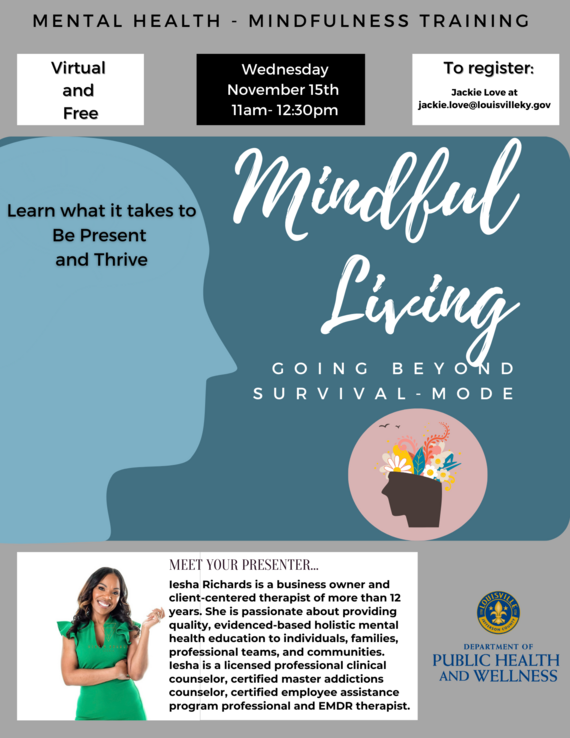 Louisville Metro Department of Public Health and Wellness will host a free, virtual event, “Mindful Living: Going Beyond Survival Mode” at 11 a.m. on Nov. 15. The event will be presented by business owner and client-centered therapist Iesha Richards.
During the event, Richards will provide evidenced-based holistic mental health education to individuals, families, professional teams, and communities. Richards is a licensed professional clinical counselor, certified master addictions counselor, certified employee assistance program professional and EMDR (Eye Movement Desensitization and Reprocessing) therapist.
You must register for this event by Oct. 30. For more information about registration and the presentation, please contact Jackie Love at Jackie.Love@louisvilleky.gov.
|