2023 winter yard waste collection schedule
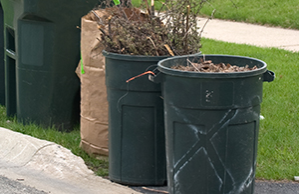
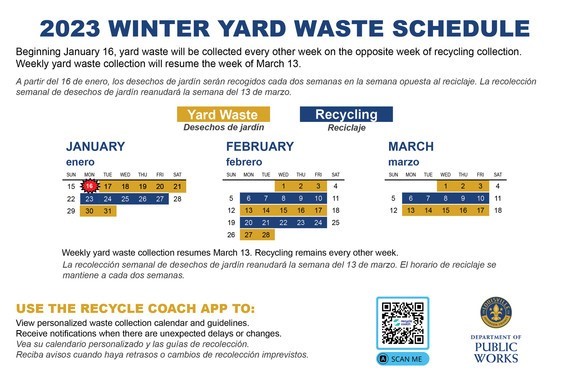
Since the amount of yard waste generated is far less in the winter, the schedule is adjusted for a more efficient collection. This year, from mid-January to mid-March, yard waste will be collected EVERY OTHER WEEK on the opposite week of recycling. Residents do NOT need to make a request for yard waste collection. The Recycle Coach calendar has been adjusted and citizens can view their calendar and set reminders using the app.
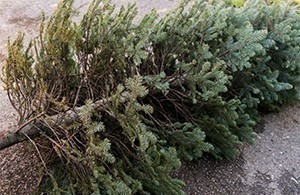
During the weeks without yard waste collection, all Louisville residents are invited to drop off yard waste for FREE at the Waste Reduction Center. Yard waste must be bagged and bundled according to curbside collection rules. Accepted material includes leaves, twigs, straw, pine needles, shrubbery trimmings, Christmas trees, and branches and tree trimmings that are less than two inches in diameter and less than four feet long. Material may be in reusable containers, in paper or compostable bags, or bundled for easy off-loading. (Businesses and unbundled loads will be charged a fee as usual.)
The Waste Reduction Center is at 636 Meriwether Avenue and open Tuesday through Friday, 8 a.m. to 5 p.m. and Saturday, 8 a.m. to 3 p.m.
Residential yard waste will only be accepted for free during the weeks of January 24, February 7, February 21, and March 7.
Regular weekly yard waste collection will resume the week of March 13.
|
Measles cases continue to rise; vaccines help to protect your family
At least one case of measles connected to the outbreak in Columbus, Ohio, has been confirmed in Kentucky, according to state health officials. The outbreak in Columbus has infected 85 children there since October. Currently, there are no confirmed or suspected cases in Jefferson County.
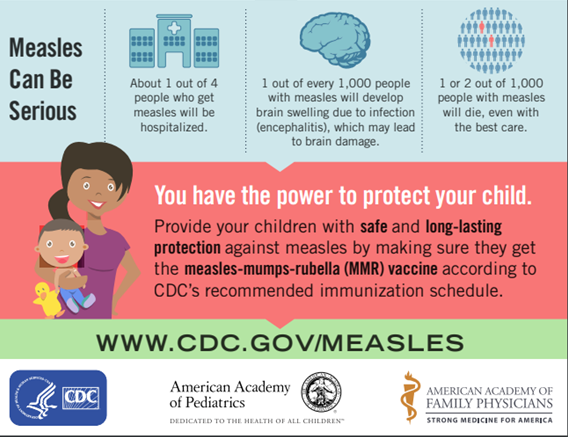
Measles can be dangerous, especially for babies and young children. Measles typically begins with:
- high fever (may spike to more than 104°),
- cough,
- runny nose (coryza), and
- red, watery eyes (conjunctivitis).
Serious complications include pneumonia and encephalitis.
Measles can be prevented with the two-dose MMR vaccine. The CDC recommends that children get the first dose of the vaccine when they are 12 to 15 months old and the second dose when they are four to six years old. One dose of the vaccine is about 93 percent effective at preventing measles, while both doses are about 97 percent effective, the CDC says. |