|
A Note From Your Health Coach
|
|
 |
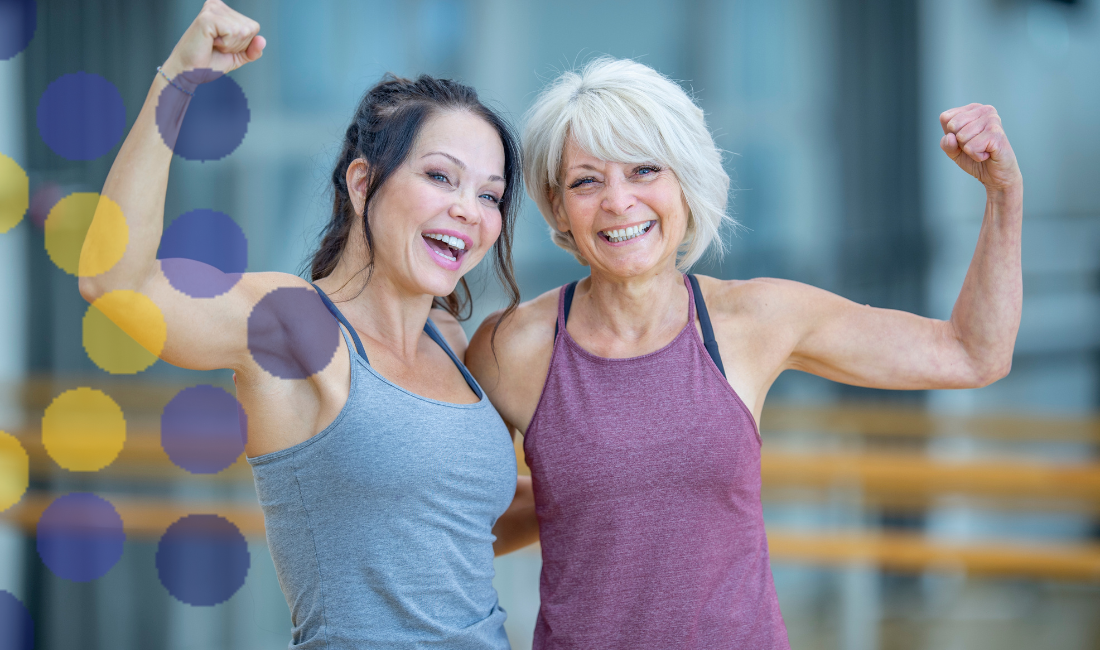 Strong, Healthy Bones: Screening, Supplementation, and When to Talk to Your Doctor
Strong bones are a very important part of staying independent and active as we get older.
Don’t get it twisted – bone health isn’t just something to think about later in life; it’s
something we ought to think about earlier. You can make a difference in your bone health
just by incorporating a few healthy habits.
Weight-bearing activities such as walking; dancing; jogging; hiking; climbing stairs; playing tennis, golf, or basketball; and strength training can help keep bones strong, while calcium and vitamin D-rich foods provide important building blocks. While it’s best to get calcium from foods and vitamin D from sunlight and foods rather than relying on supplements, you may want to ask your healthcare provider if supplements are right for you based on your individual risk factors.
Asking your healthcare provider about bone density screening (also called a DEXA or DXA
scan) can also play an important role in prevention and detection. Screenings can identify
osteoporosis or low bone density before issues arise. Screening recommendations vary
based on age, gender, and other risk factors, so talk to your provider about whether and
when to start screening.
This month, take a look at your bone health habits. Ask yourself:
1. Am I routinely doing weight-bearing & strength-building physical activities?
2. Am I getting enough vitamin D from foods and sunlight? Am I getting enough
calcium-rich foods?
3. Do I have a family history of bone health issues (osteoporosis, osteopenia, etc.)?
4. Should I ask my provider about bone density screening or supplementation?
When it comes to your mobility, independence, and reducing your risk of injury, fractures,
and falls, a little attention today can do so much for your bone health for years to come.
|
|
Join us for a Wellness Webinar
|
|
|
 |
|
Power in Midlife: Embrace the Change, Own Your Health
Thursday September 17, 2026 at 1 p.m.
Feel empowered and take charge of your health through midlife. Learn about hormonal changes in perimenopause, menopause, and beyond— plus strategies to support your mind, body, and lifestyle through every stage.
|
Live sessions are limited to the first 1,500 attendees. All others can view the recording 6 hours after the live event.
Members that attend the live session or view the recording within 7 days of the original broadcast, will receive 1 HealthQuest Credit for attendance. Credits take 7-10 business days to be reflected in your HealthQuest Portal post completion.
No registration required! Simply follow the instructions on how to access this webinar directly on the HealthQuest Portal under Wellness Learning Events.
|
|
Join us for an EAP Webinar
|
|
|
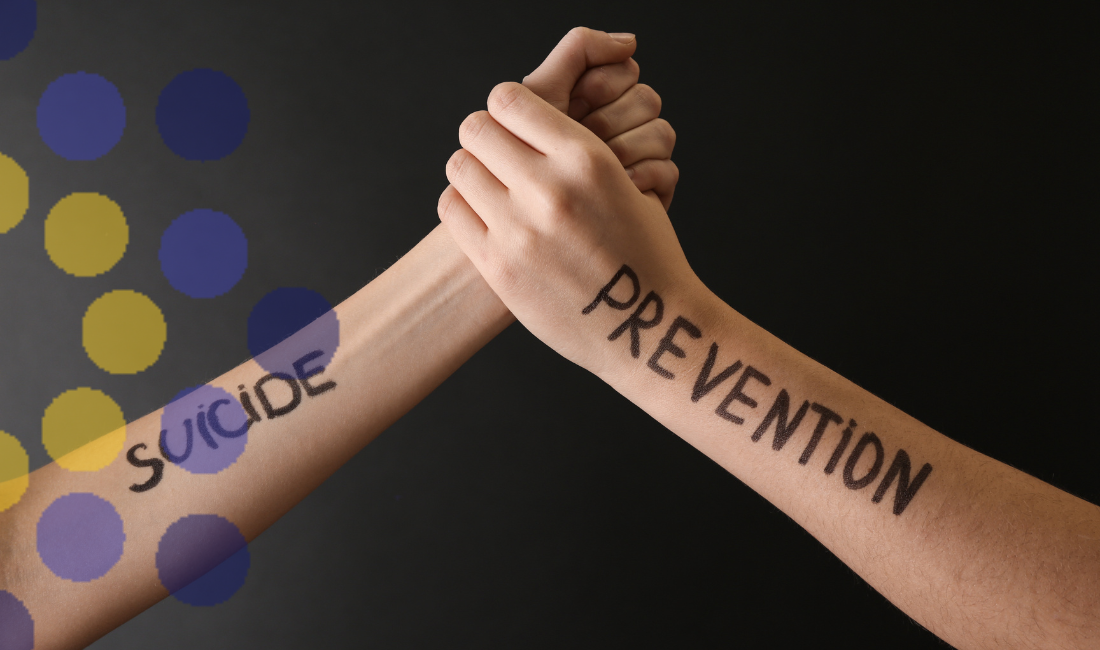 Suicide Awareness
Wednesday September 9, 2026 at 1 p.m.
Suicide is a profoundly disturbing event, and most people respond with confusion, fear and anger when confronting it. This course will demystify suicide through discussion of why it occurs, the risk factors associated with suicide and how to intervene with those who are suicidal or potentially suicidal.
Registration is required! After you register, and after the live event, you will receive an email within the next 24 hours so you can view the recording, if you miss the live session.
Members that attend the live session or view the recording within 7 days of the original broadcast, will receive 1 HealthQuest Credit for attendance. Credits take 3-5 business days after the vendor file is received, to be reflected in your HealthQuest Portal post completion.
|
|
EAP Monthly Highlight
|
|
|
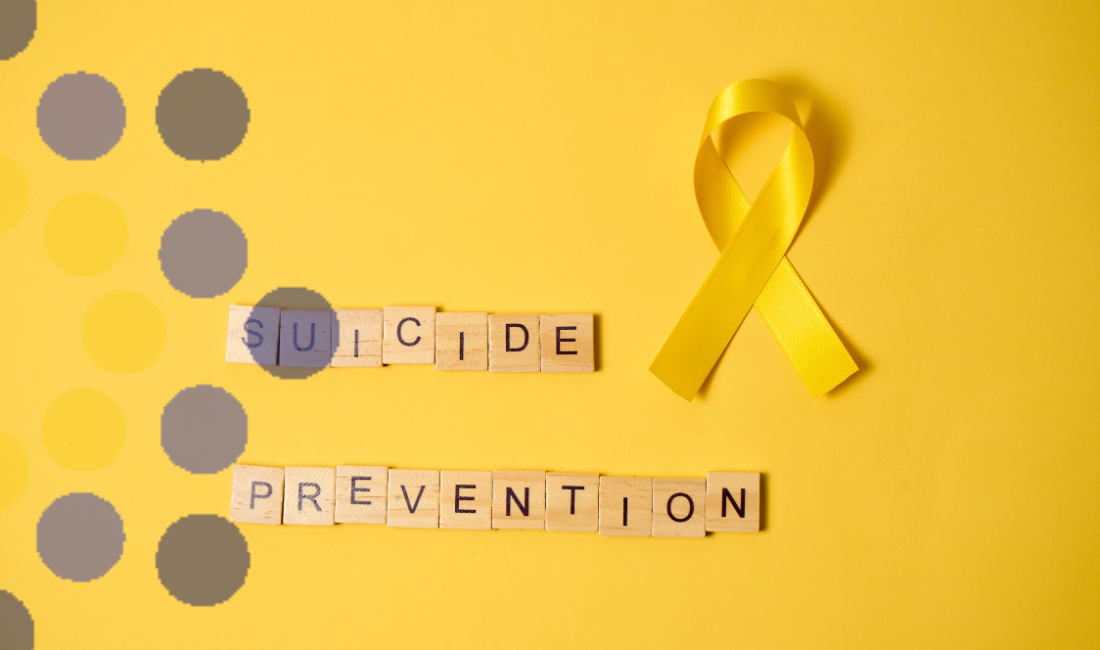
September is National Suicide Prevention Awareness Month, a time to raise awareness, reduce stigma, and remind one another that help is available. Suicide can affect anyone, regardless of age, background, or circumstances, and recognizing the signs of emotional distress can make a meaningful difference.
If you or someone you know is struggling, support is available. Call or text 988 to reach the Suicide & Crisis Lifeline, where trained counselors are available 24/7 to provide free and confidential support.
Remember, your Employee Assistance Program (EAP) through GuidanceResources® by ComPsych is also available to you and your household members. The EAP offers confidential counseling, emotional well-being resources, and referrals to help you navigate life's challenges.
Reaching out for support is a sign of strength. You don't have to face difficult times alone.
|
|
Upcoming Dates & Deadlines
|
|
|
|
• October 7
EAP Webinar: Helping a Loved One Through Difficult Times. Register Here
• October 15
Wellness Webinar: Breast Cancer Awareness: Early Detection Saves Lives. Access the webinar directly in the HealthQuest Portal under Wellness Learning Events.
|
• November 13
Credits must be displayed in your HealthQuest portal by this date to earn HRA/HSA 2026 HealthQuest rewards dollars.
• December 31
Last day to earn HealthQuest credits for the 2026 HealthQuest program to be awarded the 2027 premium incentive discount.
|
Should you need accommodations for any webinar, please email SEHPHealthQuest@ks.gov two (2) business days in advance.
|
|
Monthly Health Blog
|
|
|
 Strength Training and Mobility Through the Phases of Life
Strength training and mobility are important at every stage of life. As our bodies change
over time, maintaining muscle strength, flexibility, and balance helps support overall
health, prevent injuries, and improve daily movement. By adjusting exercise routines to fit
each phase of life, individuals can stay active and maintain independence for years to
come.
Childhood and Adolescence
This stage focuses on building a strong foundation of movement and coordination.
• Encourage active play such as running, jumping, and climbing
• Develop balance, coordination, and body awareness
• Introduce simple bodyweight exercises like squats or push-ups
• Promote participation in sports or physical activities
Young Adulthood (20s–30s)
During this phase, the body is typically at its physical peak and can build strength
efficiently.
• Focus on building muscle with resistance or weight training
• Include exercises like squats, presses, and rows
• Add mobility work such as stretching or yoga
• Establish a consistent and balanced fitness routine
Midlife (40s–50s)
Strength and mobility become important for maintaining muscle and preventing stiffness.
• Maintain muscle mass with regular strength training
• Improve posture and joint mobility
• Incorporate stretching and low-impact exercises
• Focus on consistency to support long-term health
Older Adulthood (60+)
Exercise helps maintain independence and reduces the risk of falls.
• Preserve strength for everyday activities
• Improve balance and coordination
• Practice gentle stretching and mobility exercises
• Include low-impact activities like walking or yoga
Maintaining strength and mobility throughout life supports better movement, improved
balance, and a higher quality of life. Staying active and adapting exercise routines to your
age and ability can help keep your body strong and healthy.
|
|
Healthy Pumpkin Pancakes
 Awada, R. (2025, September 27). Healthy pumpkin pancakes. Healthy Fitness Meals. https://healthyfitnessmeals.com/healthy-pumpkin-pancakes/
Ingredients:
-
1 ⅔ cups old fashioned rolled oats, gluten-free if needed
-
2 teaspoons baking powder
-
1 teaspoon ground cinnamon
-
1/2 teaspoon allspice
-
1/2 teaspoon nutmeg
-
1/2 teaspoon ground ginger
-
1/4 teaspoon salt
-
1 cup pumpkin puree
-
2 large eggs
-
3/4 cup milk of choice
-
2 teaspoons vanilla extract
-
1 tablespoon pure maple syrup
-
Oil, for cooking
-
Yogurt, maple syrup, and dark chocolate shavings, optional
Directions:
-
Add the first seven ingredients (1 ⅔ cups old fashioned rolled oats, 2 teaspoons baking powder, 1 teaspoon ground cinnamon, 1/2 teaspoon allspice, 1/2 teaspoon nutmeg, 1/2 teaspoon ground ginger, 1/4 teaspoon salt) to a blender or food processor and pulse until fine.
-
Add in the remaining ingredients (1 cup pumpkin puree, 2 large eggs, 3/4 cup milk of choice, 2 teaspoons vanilla extract, and 1 tablespoon pure maple syrup) and process for a few seconds, then stop and scrape the inside of the blender. Blend again until well combined.
-
Heat a pancake pan over medium-low heat. Spray with cooking Oil, then drop about 1/4 cup of the pancake batter.
-
Make about 3-4 pancakes per batch or as much as your pan cat fit without overcrowding them.
-
Cook for 2-3 minutes, until the batter, starts to bubble, then gently flip and cook for 1-2 minutes more.
-
Set aside on a plate and cover to keep warm. Repeat with the remaining batter, you should have about 10 pancakes.
-
Serve pancakes warm with Yogurt and dark chocolate shavings. Drizzle with extra maple syrup if desired.
|
|
Each person's path to well-being is unique and personal. Need an accessible alternative for an activity? To learn more email SEHPHealthQuest@ks.gov. |
|
|
|
|