|
A Note From Your Health Coach
|
|
 |
 Chronic Pain Management: Mind-Body Techniques that Work
Chronic pain affects millions of people every day and is associated with chronic inflammation, the body’s stress response, or something even more serious. Research increasingly shows that mind-body practices can help with chronic pain, not to encourage
“pushing through” it, but rather to regulate the nervous system, improve circulation, and
retrain the brain’s response to pain signals.
Here are a few strategies:
- Gentle mobility and stretching
- Focus on slow, controlled movements, not intensity
- 5-10 mins of gentle stretching at a time
- Try a restorative yoga video or class
- Cognitive reframing
- Reframe thoughts like ‘I’ll never feel better’ to ‘I’m learning tools that may help my body manage pain more effectively’
- Self-compassion practices
- Pause and acknowledge difficult moments
- Tell yourself (in your head or out loud) ‘This is hard’ or ‘I’m doign the best I
can today’
- Nervous system regulation practices
- Humming or gentle singing
- Listening to calming music or frequencies
- Slow rhythmic movement like rocking back and forth, swaying, or walking
|
|
Join us for a Wellness Webinar
|
|
|
 |
|
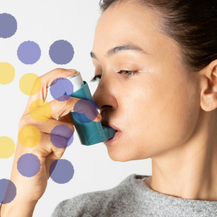
Breathing Easy: Managing Allergy and Asthma Symptoms
Thursday April 16, 2026 at 1 p.m.
Allergies and asthma affect millions and range from mild to life-threatening. In this session, learn how to manage allergies, recognize asthma symptoms, identify triggers, and create an asthma action plan
|
Live sessions are limited to the first 1,500 attendees. All others can view the recording 6 hours after the live event.
Members that attend the live session or view the recording within 7 days of the original broadcast, will receive 1 HealthQuest Credit for attendance. Credits take 7-10 business days to be reflected in your HealthQuest Portal post completion.
No registration required! Simply follow the instructions on how to access this webinar directly on the HealthQuest Portal under Wellness Learning Events.
|
|
Join us for an EAP Webinar
|
|
|
 Learning to Relax
Wednesday April 8, 2026 at 1 p.m.
Stress is experienced in the body as tension. To manage stress we have several choices: reduce or eliminate the stressor, think about the stressor differently so it no longer causes tension or change the way our body reacts to stress. The course will address the third option through exploring a variety of relaxation techniques to calm the body and mind. The course will allow participants to learn and experience several simple relaxation tools such as progressive muscle relaxation, abdominal relaxation breathing and visualization.
Registration is required! After you register, and after the live event, you will receive an email within the next 24 hours so you can view the recording, if you miss the live session.
Members that attend the live session or view the recording within 7 days of the original broadcast, will receive 1 HealthQuest Credit for attendance. Credits take 3-5 business days after the vendor file is received, to be reflected in your HealthQuest Portal post completion.
|
|
EAP Monthly Highlight
|
|
|
Stay Connected & Supported with Huddles!
Looking for a quick way to recharge, learn something new, or connect with others? ComPsych Huddles offer a variety of interactive online support sessions designed to fit your needs—whether you want to share, reflect, or simply listen in.
Huddles are hour‑long virtual groups focused on education, skill‑building, and peer connection. If you prefer spaces centered around shared identities or experiences, ComPsych also offers Alliances—safe, supportive discussion groups created for individuals within specific communities.
More of a “listen and learn” type? You’re covered! Explore:
-
Huddle Webinars – up to an hour of focused learning on timely topics
-
Huddle Practices – 25‑minute guided sessions like relaxation exercises, mindfulness meditation, or light stretching—perfect for a quick self‑care break during the day
Just a heads-up: all session times are listed in Eastern Time.
How to Register for Huddles
Getting started is simple!
- Visit GuidanceResources.com
- Log in or register for an account
- Once logged in, click Browse All Services
|
|
Upcoming Dates & Deadlines
|
|
|
|
• May 8
EAP Webinar: Mental Health Awareness. Register Here
• May 21
Wellness Webinar: Passport to Wellness: Staying Healthy While Traveling. Access the webinar directly in the HealthQuest Portal under Wellness Learning Events.
|
• November 13
Credits must be displayed in your HealthQuest portal by this date to earn HRA/HSA 2026 HealthQuest rewards dollars.
• December 31
Last day to earn HealthQuest credits for the 2026 HealthQuest program to be awarded the 2027 premium incentive discount.
|
Should you need accommodations for any webinar, please email SEHPHealthQuest@ks.gov two (2) business days in advance.
|
|
Monthly Health Blog
|
|
|
Allergies VS Cold: How to Tell the Difference
Allergies and colds share similar symptoms but have different causes, durations, and
treatments. It is important to know the differences between these to better help understand if you have allergies or a cold.
Causes
-
Colds: caused by viral infections. They’re contagious and are spread when an infected person coughs or sneezes.
|
-
Allergies: Triggered by the immune system’s reaction to allergens. Some common allergens include: pollen, dust, mites, pet dander, or mold. Unlike a cold, allergies are not contagious.
|
Symptoms
While both conditions can cause symptoms like sneezing, coughing, runny or stuffy nose here are some key differences:
-
Colds: Often accompanied by a sore throat, cough, body aches, fatigue, and sometimes fever. Mucus also may become cloudy or yellow.
|
-
Allergies: Typically cause itchy, watery eyes, and clear mucus. Nasal congestion and sneezing might also be included.
|
Duration
-
Colds: Symptoms usually last from 3-14 days. On average colds resolve within a week. Symptoms may worsen over the first few days before getting better.
|
-
Allergies: Symptoms can persist for weeks or even months depending on exposure to allergens. Allergies may improve when the allergen is removed or avoided.
|
Treatment
-
-Colds: Treatment focuses on symptom relief, including: rest, hydration, and over-the-counter medications like decongestants and pain relievers.
|
-
Allergies: Managed through avoidance of allergens, antihistamines, nasal corticosteroids, and other allergy medication
|
|
|
 Carver, A. (2024, October 4). Slow cooker chicken carnitas. All the Healthy Things.
Helpful Tip from your HealthQuest Health Coach:
“Here is a great recipe for some slow cooker chicken to have on hand to add to tacos, bowls, wraps, and salads! I would definitely reduce the salt by at least half (3/4tsp) as the sodium content is too high at 34% with the 1 and a 1/2 tsp of salt it originally calls for.”
-Valerie Porter HealthQuest Health Center Health Coach
Ingredients:
-
3 pounds boneless, skinless chicken thighs
-
6 cloves fresh garlic
-
2 dried bay leaves
-
3/4 cup chicken broth
-
1/4 cup orange juice
-
1/4 cup lime juice
-
1 small white onion, thinly sliced
-
1 tablespoon cumin
-
1 tablespoon dried oregano
-
1/2 tablespoon paprika
-
1 teaspoon chipotle powder
-
1 1/2 teaspoons salt, plus more to taste
|
For Serving:
- chopped cilantro
- lime wedges
- avocado
- chopped lettuce
- pico de Gallo
- white rice
|
Directions:
- Add all of the ingredients to the base of your slow cooker. Stir until everything is well combined.
- Cook the chicken thighs on high for 2-3 hours until tender or on low for 4-5 hours or until the chicken is tender and easy to shred.
- Remove the chicken thighs from the slow cooker and shred with two forks.
- Transfer the shredded chicken to parchment lined sheet pan. Pour some of the remaining braising liquid over the meat. Broil the carnitas in the oven on high for 2-3 minutes until browned and crispy. Serve and enjoy!
|
|
Each person's path to well-being is unique and personal. Need an accessible alternative for an activity? To learn more email SEHPHealthQuest@ks.gov. |
|
|
|
|