|
A Note From Your Health Coach
|
|
 |
Fiber may not be the most exciting nutrient in your daily diet, but it is one of the most powerful and the least talked about.
Fiber is found in mostly plant foods, such as fruits, vegetables, whole grains, beans,
nuts, and seeds, and is a component of carbohydrates that your body can’t naturally digest. Instead of the body breaking fiber down for energy, it moves through your digestive system until excreted.
Most adults need about 25-38 grams of fiber per day, however the average American gets far less than that.
Did you know that fiber feeds the ‘good’ bacteria in your gut? This helps support a healthy microbiome, which is linked to stronger immunity, better mood regulation, and reduced inflammation. Fiber also plays a role in lowering cholesterol and supporting heart health, which is why it’s often recommended in prevention-based nutrition plans.
Remember, you don’t need to track every gram of fiber you eat. At first, try to eat a plant food at every meal:
Breakfast: Oatmeal topped with berries and chia seeds, or whole grain toast with hummus or avocado topped with lemon pepper
Lunch: A salad with mixed greens, chickpeas, and colorful veggies, or a vegetable-based soup
Dinner: Brown rice, quinoa, or farro paired with roasted vegetables and lentils or beans
Snacks: Apples, pears, popcorn, hummus with carrots, or a handful of nuts
As you increase fiber, it’s important to increase water and go slowly. This helps your digestive system adjust comfortably.
Each fiber-rich choice that you make is a step toward better digestion and blood sugar regulation, steadier energy, a healthier heart, and a body that feels nourished and supported from the inside out.
|
|
Join us for a Wellness Webinar
|
|
|
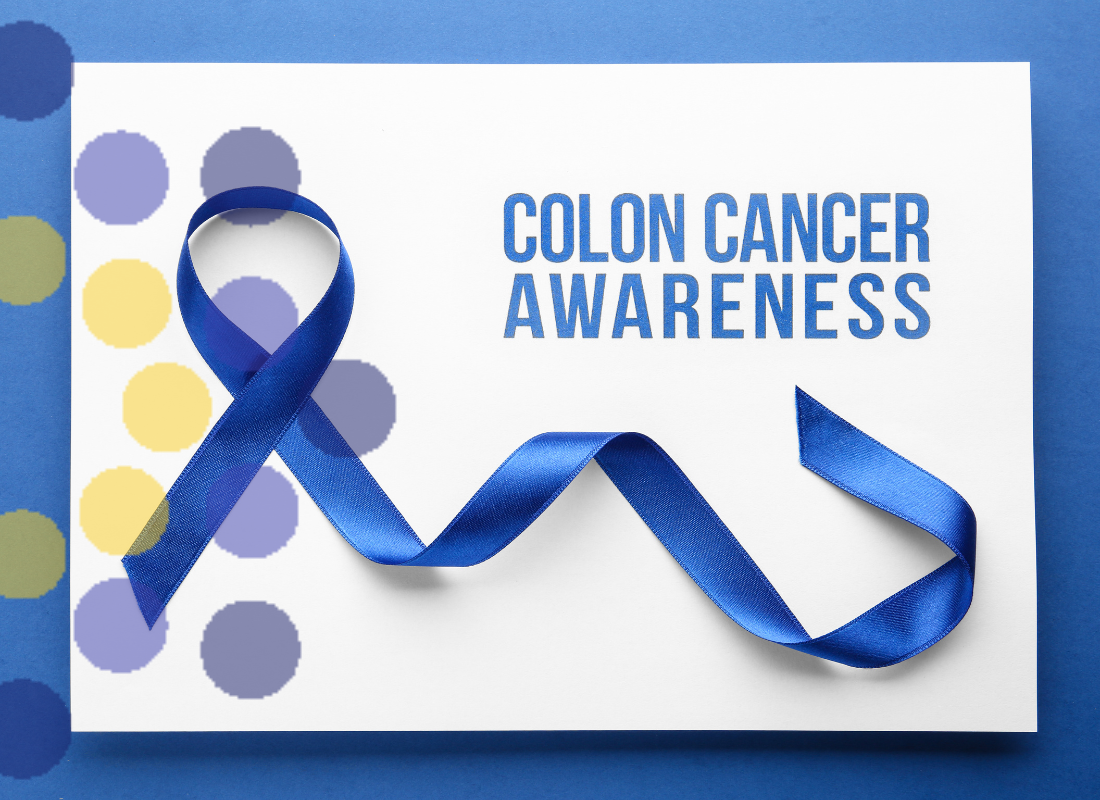 Behind the Scenes: What You Need to Know About Colon Cancer
Thursday March 19, 2026 at 1:00 pm
Did you know 45 is the new 50? Please join Dr. Scott Blaker as we learn about colon cancer risks, updated screening guidelines, and practical tips to prevent one of the most avoidable cancers.
Live sessions are limited to the first 1,500 attendees. All others can view the recording 6 hours after the live event.
Members that attend the live session or view the recording within 7 days of the original broadcast, will receive 1 HealthQuest Credit for attendance. Credits take 7-10 business days to be reflected in your HealthQuest Portal post completion.
No registration required! Simply follow the instructions on how to access this webinar directly on the HealthQuest Portal under Wellness Learning Events.
|
|
Join us for an EAP Webinar
|
|
|
 The Five Pillars of Personal Finance
Wednesday March 11, 2026 at 1:00 pm
The United Stated Department of the Treasury has proposed a set of financial core competencies that will be used to establish a clear understanding about what all adults should know regarding the basic concepts of financial literacy. The five core concept areas identified are: 1) Earning; 2) Spending; 3) Saving; 4) Borrowing; 5) Protecting against risk. This workshop covers the basics (or essentials) of each area and describes practical skills needed to competently address (or manage) their personal finances.
Registration is required! After you register, and after the live event, you will receive an email within the next 24 hours so you can view the recording, if you miss the live session.
Members that attend the live session or view the recording within 7 days of the original broadcast, will receive 1 HealthQuest Credit for attendance. Credits take 3-5 business days after the vendor file is received, to be reflected in your HealthQuest Portal post completion.
|
|
EAP Monthly Highlight
|
|
|
Celebrate International Day of Happiness –
March 20
Since 2013, the United Nations has recognized the International Day of Happiness to highlight the essential role that happiness and well-being play in the lives of people around the world. This annual celebration encourages all of us to build more inclusive, compassionate, and equitable communities that support the well-being of everyone.
If you’re not feeling particularly joyful on March 20, you’re not alone—and there are simple ways to lift your mood and join in the celebration. Try a few of these quick tips:
-
Give a little back: Small acts of kindness can boost your mood. Help with a chore, surprise a friend with a small gift, or finally send that note of appreciation you’ve been meaning to write.
-
Get moving: Physical activity—whether a bike ride, a few laps at the pool, or training for a race—supports both mental and physical well-being.
-
Try a smile: Even a “fake” smile can help shift your mood, boost your confidence, and improve how you interact with others.
-
Stay positive: Practice positive self-talk and shift your focus away from what’s going wrong. Your thoughts have a powerful impact on how you feel.
-
Give yourself credit: Make a list of recent accomplishments and take a moment to appreciate your efforts and progress.
-
Talk to someone: Connecting with a friend, partner, family member, or professional counselor can provide support and help lighten your emotional load.
Take a moment on this day to celebrate happiness—both your own and that of those around you.
|
|
Upcoming Dates & Deadlines
|
|
|
April 8
EAP Webinar: Learning to Relax. Register Here
April 16
Wellness Webinar: Breathing Easy: Managing Allergy and Asthma Symptoms. Access the webinar directly in the HealthQuest Portal under Wellness Learning Events.
November 13
Credits must be displayed in your HealthQuest portal by this date to earn HRA/HSA HealthQuest rewards dollars.
December 31
Last day to earn HealthQuest credits for the 2026 HealthQuest program to be awarded the 2027 premium incentive discount.
Should you need accommodations for any webinar, please email SEHPHealthQuest@ks.gov two (2) business days in advance.
|
|
Monthly Health Blog
|
|
|
Stress, Gut Health, and Cancer Risk: What’s the Connection?
Stress doesn’t just affect your mood—it has a powerful impact on your gut, immune system, and long-term health. Emerging research shows that chronic stress can disrupt gut health in ways that may increase inflammation and, over time, contribute to cancer risk.
How Stress Affects the Gut
When you’re stressed, your body releases hormones like cortisol. While this response can be helpful in the short term, long-term stress may lead to:
• An altered balance of gut bacteria
• Increased gut permeability, also known as “leaky gut”
• Slower digestion and impaired nutrient absorption
• Increased inflammation throughout the body
A healthy gut plays a vital role in regulating inflammation and supporting immune defenses that help detect and destroy abnormal cells.
The Stress–Inflammation–Cancer Link
Chronic inflammation is a known risk factor for several types of cancer, including colorectal cancer. Poor gut health combined with prolonged stress may:
• Weaken immune surveillance
• Promote inflammatory pathways
• Affect how the body processes toxins and carcinogens
While stress alone does not cause cancer, long-term unmanaged stress can create conditions in the body that increase vulnerability.
Simple Ways to Support Gut Health and Reduce Stress:
• Move regularly
• Eat gut-friendly foods
• Manage stress intentionally
• Prioritize sleep
• Stay hydrated
The Bottom Line
Managing stress isn’t just about mental well-being—it also plays an important role in protecting gut health, reducing inflammation, and supporting long-term disease prevention. By making small, consistent changes, you can help support your gut health and overall wellness.
|
|
 @2026
Healthy Broccoli Cheddar Soup
Ingredients:
-
4 strips bacon
-
6 cloves garlic, minced
-
1 yellow onion, diced
-
2 carrots, grated
-
1 teaspoon salt, plus more to taste (Health Coaches suggest decreasing to 1/4 or 1/2 tsp)
-
1/4 teaspoon nutmeg
-
1/4 teaspoon red pepper flakes, optional
-
2 cups cauliflower florets
-
4 cups chicken stock, divided
-
6 cups broccoli florets, chopped
-
8 oz sharp cheddar cheese
Directions:
- Heat a large dutch oven over medium heat. Add the bacon lardons, sauté until crisp, and then remove from the pot.
- Add the minced garlic, diced onion, cauliflower florets, salt, nutmeg, and red pepper flakes to the pot. Sauté for 3-4 minutes.
- Next, add three cups of chicken stock to the pot and bring the soup to a simmer. Let the soup simmer for 15-20 minutes until the cauliflower is tender.
- Carefully transfer the soup to a high-powered blender and puree until smooth and creamy.
- Carefully pour the pureed soup base back into the pot.
- Next, stir in the remaining chicken broth, grated carrot, and chopped broccoli florets until well combined. Let the soup simmer for 5-10 minutes until the broccoli is tender.
- Lastly, stir in the shredded cheese until well combined and thoroughly melted.
- Serve the soup warm topped with crispy bacon and sliced green onion.
|
|
Each person's path to well-being is unique and personal. Need an accessible alternative for an activity? To learn more email SEHPHealthQuest@ks.gov. |
|
|
|
|