May 2026 Newsletter
Letter from the Health Officer
Dear Community Member,
Hantavirus cases among cruise ship travelers in the Southern Hemisphere have sparked much conversation, once again, about infectious disease and epidemics. While situations like this understandably draw attention, small outbreaks of seemingly obscure illnesses do happen with some frequency in our world. Those of us in public health regularly work alongside state, federal, and international agencies to track these sorts of things and respond accordingly. In most cases, the public hardly notices because the settings are not as dramatic as a cruise ship.

Scientists have known about hantavirus for decades. Its public health impact is small with only 20 to 40 cases a year in the United States. Individual cases, along with a few small clusters, are seen almost every year. The vast majority of those cases occur in the dry, southwestern states where dusty, arid conditions and rodent populations create a greater opportunity for exposure. However, even in those more ideal environments, human cases of hantavirus are still rare. Cases in Michigan are even rarer yet, with the last known case identified in 2021.
At this time, there is no indication that the current hantavirus situation poses a broader public health threat to Kent County residents. We will continue to monitor developments closely, just as we do with many other infectious disease concerns throughout the year. In the meantime, we encourage you to stay focused on the many health issues that more directly affect our community every day. I hope this newsletter, along with our other educational resources, will help you with information to better protect the health of you and your loved ones, and make Kent County a healthier place for all.
Adam London, PhD, RS, DAAS
Administrative Health Officer
|
A Growing Risk: Uptick in Lyme Disease Cases in Michigan
As warmer weather returns to Michigan, so do ticks and the diseases they can spread, including Lyme disease — a growing public health concern across the state and here in Kent County.
About Lyme Disease
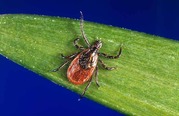
Lyme disease is a bacterial infection spread through the bite of infected blacklegged ticks, also known as deer ticks. Common symptoms include fever, headache, fatigue, muscle and joint aches, and a characteristic bull’s-eye rash. If left untreated, Lyme disease can affect the joints, heart, and nervous system. However, most cases can be treated successfully with antibiotics when detected early.
 Local and Statewide Trends
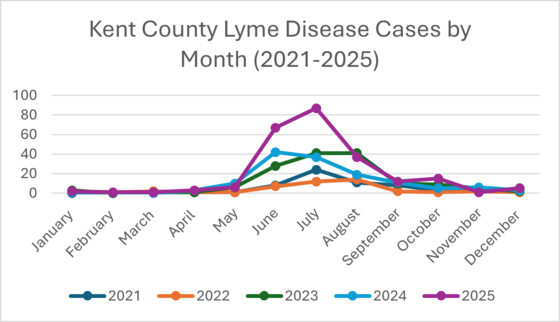
In 2026, Michigan became a high-incidence state for Lyme disease, meaning infected blacklegged ticks are now widespread and the risk of human exposure is increasing. Kent County has experienced this trend firsthand, with Lyme disease cases increasing 255% over the past five years — rising from 64 reported cases in 2021 to 237 cases in 2025.
Reducing Your Risk
Blacklegged ticks can remain active anytime temperatures are above 40°F, meaning this is the time of year to practice prevention methods, including:
- Use insect repellent when spending time outdoors.
- Wear long sleeves and pants in wooded or grassy areas.
- Check yourself, children, and pets for ticks after outdoor activities.
- Remove attached ticks promptly with tweezers.
As tick populations continue to grow in Michigan, prevention and early detection remain key to reducing the impact of Lyme disease.
|
Talk Before They Try: Substance Prevention Starts at Home
National Prevention Week, May 10–16, is a time to highlight the work of organizations across the country in preventing substance use and promoting community well-being.
Our Health Education team leads several initiatives focused on preventing substance use among Kent County’s youth. One of these initiatives, Talk Before They Try, is a 10-episode video series designed to help parents start meaningful conversations about alcohol, vaping, and other drugs.
 Adapted from the evidence-based Botvin LifeSkills Parent Program, these short videos offer practical, real-world tools that strengthen parent-child relationships and build essential skills like communication, refusal strategies, and confidence—all aimed towards helping kids navigate tough situations.
With Talk Before They Try, parents get:
- Short, engaging lessons with real-world examples
- Expert insights from local prevention profressionals
- Skills families can practice at home
- Conversation starters that make difficult topics easier
In recognition of National Prevention Week, we encourage families to start the conversation today. If you’re a parent—or know a family who could benefit—visit our Talk Before They Try website to watch the videos for free and complete a brief survey to help improve future episodes. Parents are often the first line of defense, and starting these conversations early can make a lasting difference.
Drowning Prevention: Making Water Safety Part of the Plan
Summer in Michigan means time on the water enjoying pool days, lake trips, tubing adventures, and everything in between. These moments are part of what makes our region so special, but it’s important to remember that fun on the water can turn dangerous in seconds.
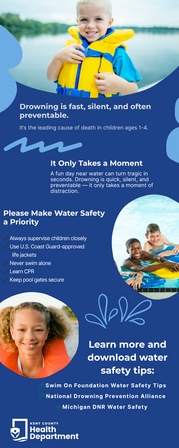
Drowning is often silent, quick, and unexpected. It remains the leading cause of death for children ages 1–4 and a serious risk for people of all ages. The good news is that awareness and simple safety habits can significantly reduce risk.
Simple steps that save lives include:
-
Stay actively engaged around water. Always supervise children closely. Stay within arm’s reach and avoid distractions.
-
Never swim alone. Even experienced swimmers can get into trouble unexpectedly.
-
Use life jackets correctly. Choose U.S. Coast Guard-approved life jackets for boating and open water activities.
-
Teach water safety early. Swimming skills and water awareness should be introduced early and reinforced regularly.
-
Secure pools and hot tubs. Install barriers, self-latching gates, and consider alarms for added protection.
-
Avoid alcohol near water. Alcohol significantly increases risk while swimming or supervising others.
What someone wears in the water can also affect visibility in an emergency.
In pools, bright neon colors such as orange, yellow, and lime green are typically easiest to see underwater, while light blues, whites, and darker colors may blend in. In lakes, rivers, and beaches, bright contrasting colors tend to stand out best in changing natural conditions.
A safe summer is a shared responsibility. Discussing these safety steps with family, friends, and neighbors can help protect more people throughout the season. For additional water safety guidance and resources, visit the Centers for Disease Control and Prevention (CDC) website.
|
Picnic Perfect: Food Handling Tips for Outdoor Gatherings
Nothing brings a Michigan summer together like picnics in the park, lake days, and backyard cookouts. But while we’re enjoying the sunshine, warmer temperatures can also create ideal conditions for bacteria to grow quickly in food, increasing the risk of foodborne illness.
To help keep your family gatherings safe and enjoyable, follow these few simple food safety steps:
-
Keep cold foods cold. Things like watermelon, pasta salad, salsas, and dips should be kept at 41°F or below using ice or ice packs. Bacteria multiply rapidly in warmer temperatures, and food should be discarded if left out for more than 2 hours (or 1 hour in extreme heat).
-
Cook to safe temperatures. Use a food thermometer to make sure foods are fully cooked—burgers to 155°F, poultry to 165°F, and precooked foods to 135°F.
-
Wash hands often. Handwashing is one of the most effective ways to prevent foodborne illness. Use hand sanitizer when soap and water are not available.
-
Keep food covered. Protect dishes from flies, ants, and other insects that can spread contamination.
A few simple precautions can help ensure bacteria don’t spoil your summer fun!
Public Health Nurses: The Foundation of Community Health
Public health nurses are the backbone of community health, shaping modern public health through prevention, education, advocacy, and compassionate care. Their legacy dates back to the mid-19th century, when Florence Nightingale advanced the importance of sanitation, hygiene, and data-informed care during the Crimean War. Over time, nursing expanded beyond treating illness to addressing the social and environmental conditions that influence health and well-being.
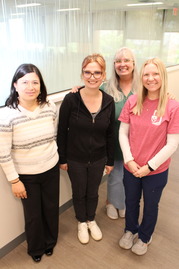
As public health evolved, nurses became central to home visiting programs, infectious disease prevention, immunization efforts, maternal and child health, and emergency response. They have played critical roles during major public health events, including the 1918 influenza pandemic, tuberculosis outbreaks, wartime response efforts, and large-scale vaccination campaigns such as polio eradication.
Today, public health nurses continue to serve on the front lines of community health in Kent County. Through communicable disease investigations, epidemiology support, STI testing and treatment, immunization clinics, tuberculosis services, WIC programming, and home visiting, they provide essential care, education, and outreach every day.
Following National Nurses Week (May 6-12), we extend our sincere gratitude to our team for their unwavering dedication, professionalism, and commitment to serving their community. While much of their work happens behind the scenes, its impact is visible in healthier families, stronger systems, and safer communities.
|
People’s Champion Award: Marcus Igo Recognized for Cybersecurity Awareness and Vigilance
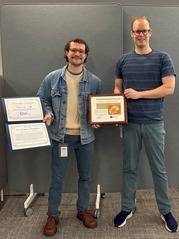
Each month, the previous recipient of the People’s Champion Award selects the next honoree — a tradition that allows us to recognize staff who consistently go above and beyond their everyday responsibilities.
This month, we’re proud to recognize Environmental Health Sanitarian, Marcus Igo, for demonstrating the kind of awareness and attention to detail that helps keep our systems and information safe.
After receiving a suspicious email that appeared to come from a known and trusted business contact, Marcus paused before clicking the link and called the sender directly to verify the message. Through that conversation, Marcus confirmed his instincts were right—the email was fraudulent and posed a threat to our organization and the people we serve.
In a world where agencies are one malicious email away from a cyber-attack, we're grateful to have someone like Marcus on our team fighting the good fight. Please join us in congratulating Marcus on this well-deserved recognition!
|
Opportunities with Impact: Start a Career with Us and Make a Difference in Community Health

Are you passionate about helping others and making a meaningful impact in your community? Consider joining our growing team!
We’re currently hiring for the following full-time position within our Community Clinical Services Division:
Working at your local health department means serving your neighbors, strengthening community partnerships, and being part of a team dedicated to caring for those who need it most. Keep an eye on future openings—we hope you’ll consider applying!
|
All County Offices and Health Department Clinics Will Be Closed In Observance of Memorial Day

All Kent County offices and Health Department clinics will be closed on Monday, May 25, in observance of Memorial Day — a time to honor and remember the men and women who gave their lives in service to our country.
We join the community in recognizing and reflecting on their sacrifice, with regular business hours and operations resuming Tuesday, May 26.
|
|