Letter from the Health Officer
Dear Community Member,
As we near the end of another long, cold winter, many people ask me: does it still make sense to get a flu shot? Often dismissed as a routine winter illness, influenza can lead to serious complications, hospitalizations, and even death—especially for young children, older adults, pregnant people, and those with chronic health conditions. The risk of infection can continue well into spring with some of the most challenging surges occur in March and April.

Each year, scientists update the influenza vaccine to target the strains most likely to spread. While no vaccine is 100% effective, research from the Centers for Disease Control and Prevention (CDC) and the World Health Organization (WHO) shows that vaccinated individuals are less likely to become severely ill or require hospitalization. I often liken it to a seatbelt: it doesn’t guarantee safety, but it greatly reduces risk.
The flu shot also protects our community. The more people vaccinated, the less opportunity the virus has to spread—helping those who are more vulnerable or cannot be vaccinated. Factor in a long-standing safety record backed by decades of use and continuous monitoring, and side effects are usually mild (soreness at the injection site or a low-grade fever) and resolve quickly.
So, back to my answer? Yes. Getting the influenza vaccine, even now, is a great way to reduce the risk of severe illness and protect yourself, your loved ones, and your community—especially as many of us plan to travel over spring break.
Adam London, PhD, RS, DAAS
Administrative Health Officer
|
Kent County's First Pediatric Flu Death of the Season Confirmed: Prevention Urged as Flu Activity Remains High
Our team, in partnership with the Michigan Department of Health and Human Services (MDHHS), has confirmed an influenza-associated pediatric death involving a Kent County resident. This marks the County's first pediatric flu death of the 2025-2026 season and Michigan's third.

“We are deeply saddened by the loss of this young life to influenza,” said Dr. Adam London, Health Officer for our department. “This tragedy reminds us that influenza can have serious consequences, especially for children, older adults, and those with weakened immune systems."
Flu activity remains high across Michigan. In addition to annual vaccination for everyone ages six months and older, simple prevention steps can help protect our community from the spread of the virus:
-
Practice Good Hygiene: Wash your hands frequently with soap and water, cover coughs and sneezes, and disinfect high-touch surfaces.
-
Stay Home When Sick: If you or your child experience flu-like symptoms (fever, cough, sore throat, muscle aches, or fatigue), stay home to prevent spreading illness to others.
-
Seek Medical Care if Needed: Antiviral medications can help reduce the severity of flu symptoms and prevent serious complications. People at higher risk—including young children, older adults, pregnant individuals, and those with chronic health conditions—should contact a healthcare provider promptly if symptoms develop.
To schedule a vaccination appointment with us, please call 616-632-7200. For more information about influenza and how to prevent its spread, please visit the MDHHS website.
|
Measles and Spring Break: What to Know Before You Go
Measles, one of the world's most contagious diseases known to man, was declared eliminated in the U.S. in 2000. At the time, most cases came from unvaccinated international travelers, and outbreaks stayed small because vaccination rates among U.S. citizens were high.
But over the past year, things have been changing...
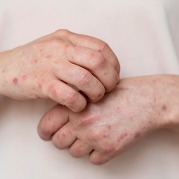
Measles is now spreading between community members, with the U.S. reporting more than 2,250 cases in 2025—the most in more than three decades. Vaccination rates have dropped from 95% in 2019 to about 92% today, falling below the level needed to prevent outbreaks. Even locally, Kent County reported its first case of measles since 2013 last April.
If the Centers for Disease Control and Prevention (CDC) determines that measles has been spreading continuously in the U.S. for a full year, it would no longer be considered eliminated—and community outbreaks could become even more common.
What does this mean for spring travel?
The risk for catching and spreading measles tends to increase during popular travel and gathering times, like spring break. To protect yourself and your loved ones:
- Make sure everyone eligible is up to date with the MMR (measles, mumps, and rubella) vaccine
- Check CDC travel guidance for tips and travel notices
- If vaccination isn’t an option, avoid areas with active outbreaks
By staying up to date with the MMR vaccine and taking precautions when traveling, we can protect ourselves and our community—especially those who are at high risk for severe illness, such as babies who are too young to be vaccinated and people with weakened immune systems.
|
Celebrate Smart: Rethinking Alcohol This St. Patrick’s Day
As we think about protecting our health while traveling this season, it’s also a good time to think about how much we drink—especially with St. Patrick’s Day around the corner.

Alcohol is an accepted part of American culture and common at celebrations, but drinking too much—either on a single occasion or over time—can have serious health and safety consequences. Holidays like St. Patrick’s Day are often linked to binge drinking, the most dangerous form of alcohol misuse. For an average adult, binge drinking is defined as five or more drinks for men or four or more drinks for women in about two hours.
Many people are surprised to learn that how much they drink does not necessarily match up to the amount of liquid in their glass or alcohol in their drink. Glass size, type of beverage, and strength of the pour all affect how many standard drinks you’re consuming.
Before celebrating, take a moment to set limits and understand how much alcohol is in your drinks by using the resources available through our About Last Night campaign, which just recently won a Gold Viddy Award. By making informed choices, we can enjoy St. Patrick’s Day safely and avoid a morning-after conversation that starts with, “About last night…”
|
National Nutrition Month: Back to Basics for Healthy Eating
March is National Nutrition Month, a time to focus on how everyday food choices support long-term health. Good nutrition helps fuel growth and development, strengthens the immune system, and lowers the risk of chronic diseases such as heart disease, diabetes, and obesity. Making small, sustainable changes today can lead to big benefits over time.
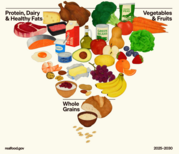
Of course, nutrition guidance has evolved over the years. While many people grew up with the Food Guide Pyramid, which placed a heavy emphasis on breads and grains as its wide base, today’s guidance has shifted to an inverted food pyramid. This new model and 2025–2030 Dietary Guidelines for Americans prioritize balanced, practical eating habits through choosing whole, nutrient-dense foods and limiting highly processed foods whenever possible.
For many families, navigating these nutrition goals is easier with the Women, Infants, and Children (WIC) program. WIC provides more than food assistance, offering:
- Personalized nutrition education
- Breastfeeding support
- Healthcare referrals for pregnant and postpartum individuals and children under five
Beginning in 2026, WIC will expand flexibility by increasing benefits for a wider variety of fruits and vegetables. To see if you qualify, call our team at 616-632-7200.
By combining the simple visual cues of the New Pyramid with the support of programs like WIC, healthy eating can be achievable this month and beyond.
|
Bright Smiles, Bright Futures: Supporting Kindergarten Oral Health
Good nutrition is essential for growing bodies, but oral health plays an equally important role in helping children learn, grow, and thrive. That’s why Michigan law requires every child to receive a dental check before starting kindergarten.

The Kindergarten Oral Health Assessment (KOHA) program helps children start the school year healthy and ready to learn by identifying dental concerns early. To make the requirement accessible for families, we partner with My Community Dental Centers (MCDC) to provide no-cost dental screenings at schools across the county.
Program highlights:
-
On-site screenings: Licensed dental professionals provide quick assessments right at school.
-
Countywide outreach: Since launching in 2025, 100% of Kent County schools have been contacted and offered participation.
-
Children served: 4,739 kindergarteners have received dental screenings, oral health education, and hygiene supplies.
-
Community partnerships: Collaboration with organizations like Kent District Library and Feeding America helps expand oral health awareness and resources.
-
Ongoing care: Families are connected with dental homes and follow-up services when needed.
Schools interested in scheduling a screening can email us or call 616-816-2191. Working together, we’re helping Kent County children start school healthy, confident, and ready to learn.
|
Your Voice Matters: Help Shape Kent County's Health Priorities
Every three years, we partner with hospitals and community organizations across Kent County to conduct the Community Health Needs Assessment (CHNA)—a collaborative process that identifies the top health-related needs and the resources to address them. Think of it as a “wellness check” for our community, helping us see what’s working and where we can improve.
Why Your Input Matters
The CHNA isn’t just about numbers. It combines public health data with input directly from residents and community organizations, capturing both statistics and lived experiences. Thousands of residents have shared their perspectives in past cycles, helping guide program decisions, funding, and policies across the county.

What Data We Collect
To get a clear picture of health in Kent County, we collect a mix of information on:
-
Health outcomes, including disease prevalence and mental health status
- Behaviors and health risk factors
- Community experiences accessing services
-
Social, environmental, and economic factors that affect health
All survey responses are anonymous, and data is reported only in summary form. The results will guide a three-year Community Health Improvement Plan, aligning hospitals, public health, and community organizations around shared priorities.
This spring and summer, you may be contacted through surveys, community meetings, or other outreach. Please consider participating, as your input helps shape the future of health in Kent County!
|
People’s Champion Award: Josh Potter Recognized for Kindness
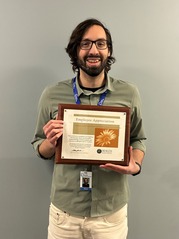
Each month, the previous recipient of the People’s Champion Award selects the next honoree—a tradition that allows us to recognize staff who consistently go above and beyond their everyday responsibilities.
This month, we’re proud to recognize Community Wellness team member Josh Potter for the genuine care and interest he shows in others. Colleagues describe Potter as someone who brings positivity to every interaction. He is known for his kindness, his willingness to step in and help wherever needed, and the professionalism he brings to his work each day.
Team members say Potter's friendly, approachable style leaves a lasting impression—whether he’s supporting a colleague or working with community members. His commitment to serving others reflects the very spirit of the People’s Champion Award. Please join us in congratulating Josh on this well-deserved recognition!
|
Opportunities with Impact: Start a Career with Us and Make a Difference in Community Health
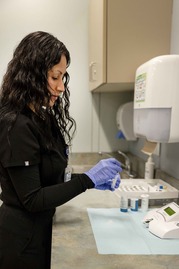
Are you passionate about helping others and making a meaningful impact in your community? Consider joining our growing team!
We’re currently hiring for the following role within our Community Clinical Services Division:
Working at your local health department means serving your neighbors, strengthening community partnerships, and being part of a team dedicated to caring for those who need it most. Keep an eye on future openings—we hope you’ll consider applying!
|
|