Letter from the Health Officer
Dear Community Member,
Every New Year arrives with bowl games, resolutions, and reminders to test our homes for radon gas. We know it as an odorless, colorless, naturally occurring radioactive gas. And every January, public health professionals remind us that radon is the second leading cause of lung cancer and that testing is available at little to no cost. Despite these annual reminders, I’m always surprised by how few people have actually tested their homes for radon. According to Environmental Protection Agency (EPA) estimates, only about one quarter of homes have been tested, and of those, roughly one quarter were found to have radon concentrations above the recommended action level.

January is Radon Action Month because radon concentrations are typically highest during the coldest months of the year, when homes are sealed tightly and nearby soils are frozen. This gas, produced by the decay of naturally occurring elements in the ground, takes the path of least resistance into our homes—often through basements. Once inside, radon is less likely to escape through closed doors and windows. If inhaled, the radon molecule continues its radioactive decay, releasing bursts of energy in the lungs that can damage cells and contribute to the formation of cancerous growths.
Over the course of my career in public health, perhaps nothing has changed more than America’s relationship with the number one cause of lung cancer: smoking tobacco. Smoking rates have declined from approximately 25% in the 1990s to around 12% today, and lung cancer diagnoses and deaths have followed a strong downward trend. To continue pushing lung cancer rates even lower, we now have an opportunity to make similar progress with the second leading cause of lung cancer: radon exposure.
Adam London, PhD, RS, DAAS
Administrative Health Officer
|
Radon Action Month: Turning Awareness into Action
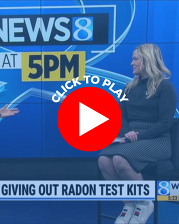
For the second year in a row, we partnered with the Kent District Library (KDL) to help make radon testing easier and more accessible for Kent County residents, and its already made a powerful impact.
As of January 13, our team has handed out approximately 750 radon test kits—each one representing a Kent County household taking a small but meaningful step towards reducing their long-term lung cancer risk. But now that you have a kit, what should you do with it?
How to Use Your Radon Test Kit
Instructions may vary slightly by kit, so always review the directions included in your packet:
-
Getting Started: Open the packet, review the instructions, and register your kit by scanning the QR code or writing your information on the back. Be sure to record your start time.
-
Setting Up the Kit: Assemble the draft shield as directed and hang the kit on a centrally located interior wall, 2–5 feet off the floor, away from humid areas. Never set a kit on the floor. Leave the kit hanging undisturbed for 3–7 days.
-
Ending the Test: Discard the hanger and draft shield, seal the packet using the adhesive strip, record the stop time, and return the sealed packet using the prepaid envelope included in the kit.
-
Viewing Results: Scan the QR code again or visit radon.com to look up your test results online.
Still looking for a radon test kit? Pick one up at the Grandville (January 20) or Kentwood (January 27) KDL branches from 9:30 a.m. to 12:30 p.m., or our Environmental Health desk from 8 a.m. to 5 p.m., Monday through Friday this January.
|
Another Household Threat You Can’t See: Carbon Monoxide
Just like radon, carbon monoxide (CO) is another invisible threat that can put families at risk—especially during colder months when the use of furnaces, fireplaces, space heaters, and generators is more common. Known as the “silent killer,” CO is colorless and odorless, produced by fuels such as natural gas, propane, gasoline, and wood. Exposure can cause headache, dizziness, fatigue, nausea, chest pain, or confusion, and in severe cases, can lead to loss of consciousness or even death.

You can protect yourself and your family by following these precautions:
-
Never use generators indoors, in garages, basements, or near windows and doors—even if open. Always operate generators outdoors, at least 20 feet from buildings.
- Avoid using gas ovens or burners to heat your home.
-
Use grills, camp stoves, and propane heaters outdoors only—never inside homes, garages, or enclosed spaces.
-
Do not run vehicles inside garages, even with the door open. Move cars out immediately after starting.
-
Keep vents, chimneys, and flues clear of snow, ice, leaves, and debris for proper ventilation.
-
Install carbon monoxide alarms on every level of your home and near sleeping areas. Test them monthly and replace batteries as needed.
-
Have fuel-burning appliances inspected and serviced annually, including furnaces, water heaters, fireplaces, and stoves.
Taking these precautions helps protect your family from CO poisoning and keep your home safe. If winter heating costs are a challenge, calling 211 for assistance can help ensure your home stays warm, or connect you to nearby warming centers.
|
Naloxone Readiness: Staying Prepared Year-Round
Just as cold weather increases the risk of carbon monoxide exposure because furnaces, fireplaces, and generators are in use, it can also affect naloxone, a life-saving medication that reverses opioid overdoses.
Nasal naloxone should be stored between 36°F and 77°F, but it remains effective if briefly below freezing. However, if temperatures drop below 5°F, the liquid can freeze and stop the device from working. The good news is frozen naloxone can be thawed at room temperature or against your body for about 15 minutes, but you'll want to call 911 immediately while waiting for it to thaw.
Similarly, testing strips for fentanyl, xylazine, and medetomidine work best above 35°F, though storing the strips at low temperatures won't have a significant impact on their performance or shelf-life.
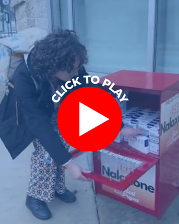
Between January 2024 and October 2025, 63 people in Kent County died from opioid overdoses. Naloxone is available for free throughout the state, including outdoor newspaper boxes with 24/7 access.
To find naloxone, testing strips, and other resources near you, visit the Opioid Task Force website.
|
Protecting Newborns from Hepatitis B: What Parents Need to Know
Hepatitis B is a highly contagious virus that spreads through exposure to blood or other body fluids, even in microscopic amounts. Everyday activities, like sharing a towel or toothbrush, or playing a contact sport, can be enough to cause infection. The tricky part? Many people with hepatitis B don’t show any symptoms and may not know they’re infected, helping the virus to spread quietly without any obvious warning. Hepatitis B can also be passed from a parent to a baby during birth, and because babies are less able to fight off infection, they are much more likely to become seriously sick.
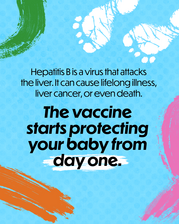
That’s why, in 1991, a recommendation was made to give all babies a dose of hepatitis B vaccine at birth. Early vaccination is important for many reasons:
-
Newborn immune systems are still developing. Because hepatitis B attacks the liver, about 90% of infants infected at birth develop chronic hepatitis B infection, and one in four will die prematurely from liver disease. Tragically, in 1999, a three-month-old baby in Michigan died of liver failure caused by hepatitis B after not receiving the birth dose.
-
The vaccine is safe when given at birth. Studies have shown no evidence that delaying the first dose provides any benefit or is any safer.
-
Delaying vaccination increases serious risk. Waiting to give the vaccine can increase the chances of lifelong infection, liver cancer, and premature death.
-
The vaccine is highly effective. Since 1991, hepatitis B cases in U.S. children and teens have dropped by 99%, from about 1,600 new cases per year to fewer than 20.
Because it provides safe and effective protection, physician groups that care for babies—including the American Academy of Pediatrics and the American Academy of Family Physicians—recommend giving the hepatitis B vaccine at birth.
If you have any questions about the hepatitis B vaccination for your newborn, talk with your prenatal care provider, pediatrician, or primary care provider before your baby is born. These conversations can help you understand the recommendations and feel confident in making the best decision for your child’s health.
|
Parents Make the Difference: Talk Before They Try Series
Parents play a powerful role in shaping their children’s choices, and many want simple, effective ways to start meaningful conversations about alcohol, vaping, and other drugs.
To help families, we’ve launched Talk Before They Try, a 10-episode video series created just for parents. Adapted from the evidence-based Botvin LifeSkills Parent Program, these short videos offer practical, real-world tools that strengthen parent-child relationships and build essential skills like communication, refusal strategies, and confidence—all aimed towards helping kids navigate tough situations.

With Talk Before They Try, parents get:
- Short, engaging lessons with real-world examples
- Expert insights from local prevention professionals
- Skills families can practice at home
- Conversation starters that make difficult topics easier
Start the conversation today! If you’re a parent, or know a family who could benefit, visit our Talk Before They Try website to watch the videos for free and complete a brief survey to help us improve future episodes. Parents are the first line of defense, and starting these conversations early can make a lasting difference.
|
People’s Champion Award: Mike Sacha Recognized for Commitment and Collaboration
Each month, the previous recipient of the People’s Champion Award selects the next winner—a way for us to celebrate staff who consistently go above and beyond. This time around, the award goes to Mike Sacha from our Facilities Team, whose contributions are vital to the daily operations, safety, and upkeep of our spaces, ensuring staff and clients feel supported in a welcoming environment.
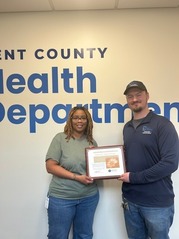
This past summer, Mike demonstrated his dedication during the Children’s Special Health Care Services (CSHCS) Back to School Bash. From setting up tables and chairs to managing event logistics, and even helping with balloon cleanup at the end, he stayed positive, engaged, and ready to step in wherever needed. His teamwork brought the event to life and created a memorable experience for the families we serve.
While his primary role is in Facilities, Mike consistently goes beyond his regular duties to support our teams. His collaborative spirit, dedication, and readiness to help make him a well-deserved recipient of the People’s Champion Award. Congrats, Mike!
|
All County Offices and Health Department Clinics Will Be Closed In Observance of Martin Luther King Jr. Day
|
All Kent County offices and Health Department clinics will be closed on Monday, Jan. 19, in observance of Martin Luther King Jr. Day. Regular business hours will resume on the next business day.
This day honors the life and legacy of Dr. King and his enduring commitment to justice and service to others. We join the community in observing this important day of service.
|
|
|