Letter from the Health Officer
Dear Community Member,
The modern era of public health in Western society was born in the mid to late 1800s, as humans began to understand agents of illness and their pathways. Perhaps the best example of this occurred in 1854, when an English physician named John Snow—emboldened by the novel idea that bacteria can cause illness—began to map and analyze case data associated with a cholera outbreak. Dr. Snow’s study pointed toward contaminated drinking water originating from a particular public well. Once the well was disabled, the outbreak waned. This moment marked an important milestone in the development of germ theory and epidemiology.

Public health continues to be a data-driven endeavor. It is also a publicly owned enterprise, and it is essential that our data be transparently available whenever possible. To that end, we are pleased to share a new webpage featuring interactive data and reports. This page on our website empowers people to explore school absenteeism and reportable disease data. For example, a review of the school data shows that absences related to gastrointestinal illness increased in mid-November, coinciding with the spread of norovirus. The reportable disease reports also allow users to examine five-year trends and characteristics of many illnesses here in Kent County.
A viewer of these data may notice several concerning patterns, including the fact that some vaccine-preventable illnesses have been on the rise in 2025. Measles (four cases) and pertussis (57 cases) are among those of particular concern to us. The incidence of influenza is also trending high once again.
I hope you find this new tool helpful in protecting yourself and your loved ones. On behalf of all of us at the Kent County Health Department, I wish you a wonderful holiday season and a great 2026!
Adam London, PhD, RS, DAAS
Administrative Health Officer
|
Power in Your Hands: Stop Winter Germs Before They Start
We touch our eyes, nose, and mouth countless times each day, often without even realizing it. Those everyday touches make it easier for germs to sneak into our bodies or spread across surfaces like doorknobs, handrails, and toys.
This National Handwashing Month, remember: proper handwashing can prevent about one in three diarrhea-related illnesses and one in five infections—including the flu, respiratory syncytial virus (RSV), and stomach viruses.

Simple steps to help stop the spread of germs:
-
Wash your hands frequently: Wash whenever they are visibly dirty, before handling food, after using the restroom, after caring for someone who is sick, or after touching animals, trash, or anything that could carry germs.
-
Follow proper technique: Wet hands with clean running water, lather with soap, and scrub for at least 20 seconds—including between fingers and under nails. Be sure to rinse and dry thoroughly.
-
Use hand sanitizer when needed: When soap and water are unavailable, use an alcohol-based hand sanitizer with at least 60% alcohol.
While proper handwashing is essential, regularly cleaning high-touch surfaces is just as important in protecting ourselves and others from the spread of germs:
-
Clean: Remove dirt and most germs using soap or household detergent with water, then rinse well.
-
Sanitize. After cleaning, use sanitizing sprays or mild bleach solutions on toys, countertops, and other surfaces that touch food or mouths.
-
Disinfect. Use an EPA-registered disinfectant or a stronger bleach solution after cleaning when someone in your home is sick or has a weakened immune system.
Washing hands, cleaning high-touch surfaces, and staying up to date on vaccines work together to provide your best defense against winter germs. For clinic hours, locations, or to schedule a vaccination appointment, visit our website or call us at 616-632-7200.
|
Protect Your Home: Free Radon Test Kits This January
January is National Radon Action Month, and we’re making it easier than ever for you to protect your home and family from the colorless, odorless, and tasteless gas responsible for about 21,000 deaths in the U.S. each year.

We're partnering with the Kent District Library to give away free radon test kits at four branches from 9:30 a.m. to 12:30 p.m. on the following Tuesdays:
-
Plainfield Branch (2650 5 Mile Rd. NE in Grand Rapids): Jan. 6
-
Cascade Branch (2870 Jacksmith Ave. SE in Grand Rapids): Jan. 13
-
Grandville Branch (4055 Maple St. SW in Grandville): Jan. 20
-
Kentwood Branch (4950 Breton SE in Kentwood): Jan. 27
|
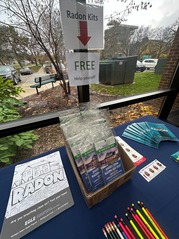
You can also pick up free kits at our clinic locations while supplies last. Call us at 616-632-6900 for more information and to find your nearest clinic.
Why is Testing for Radon Important?
Radon forms naturally from the breakdown of uranium in soil and rock, but can sneak into homes undetected through cracks in the foundation, sump pits, and floor drains—posing serious health risks for those inside. Winter is the best time to test, since sealed homes can allow radon to build up. A quick test is the only way to know if your home and loved ones are safe, so grab a free kit this January and share the message with family, neighbors, and friends!
|
Winter Preparedness: Staying Safe When Temperatures Drop
Michiganders know winter well, but even those used to snow and freezing temperatures need to take cold weather safety seriously. Being prepared—by dressing warmly, staying dry, and limiting time outdoors—can make all the difference in preventing frostbite and hypothermia.

Dressing in warm layers and covering your hands, feet, ears, and face helps prevent frostbite, which can make skin numb or appear pale. To avoid hypothermia, head to a warm place right away if you start feeling very cold, confused, or extremely tired.
Consider keeping an emergency kit in your car that includes:
- Blankets
- Extra clothes
- Food and water
- A flashlight
- A phone charger
If you need help paying heating or utility bills, calling 2-1-1 can connect you with local resources. By planning ahead, dressing appropriately, and knowing where to get help, you can protect yourself and your family and stay safe, warm, and healthy all winter long.
|
Looking for a Safe Place to Warm Up This Winter?
 Cold weather can be dangerous, especially for those without a warm place to go. Warming centers in the Grand Rapids area are available to help you stay safe, but holiday schedules may affect their hours. Before heading out, call ahead to confirm availability. For the most up-to-date information, dial 2-1-1.
Tiny Travelers: Keeping Baby Safe While You’re on the Go
The holidays are often filled with gifts, celebrations, packed calendars—and plenty of travel. If you’re hitting the road or staying with family this season, a little extra planning can go a long way in keeping your baby safe, comfortable, and well-rested.

Whether you’re staying in a relative’s home or a hotel, safe sleep recommendations remain the same. Infants should always sleep:
- Alone
- On their back
- In a crib, bassinet, or pack and play
Avoid placing an infant to sleep on a couch, recliner, or adult bed, as these surfaces increase the risk of suffocation. Pack and plays are often offered at hotels or other rental facilities
Car Seats are Meant for Travel, Not Sleep:
Travel can also mean infants spend extended periods of time in their car seats. When infants fall asleep in a car seat, their head can fall forward into a chin-to-chest position, which may impact how well they breathe. To help reduce this risk:
- Make regular stops during travel
- Remove the infant from the car seat whenever you stop to stretch
- Once you arrive at your destination, place your infant in a safe sleep environment
Be sure to share these infant safe sleep recommendations with relatives and other caretakers. A quick conversation can go a long way in keeping your baby safe, so you can focus on what matters most—enjoying a joyful, restful holiday season together.
|
Holiday Spirits: Celebrating the Season Responsibly
Do you enjoy a drink now and then? Many of us do, especially when socializing with family, friends, or coworkers. What we may not realize is how much we’re drinking or the effect it can have on our bodies.
Recommended guidelines for moderate drinking are no more than one drink a day for women and two drinks a day for men. You can view standard drink sizes here.

Heavy drinking can have serious short- and long-term impacts. In the short term, it increases the risk of falls, car accidents, aggression, and risky behaviors. Over time, heavy drinking can lead to weight gain, high blood pressure, heart problems, liver disease, and higher risk of several cancers.
If you choose to drink this holiday season, consider these tips to make smart choices:
- Decide ahead of time how much alcohol, if any, you want to consume.
- Alternate alcoholic drinks with non-alcoholic beverages to stay hydrated.
- Eat before drinking to slow intoxication.
- Focus on the festivities—food, music, and conversations—rather than your drink.
- Listen to your body; stop when you feel you’ve had enough.
The holidays are a time for enjoyment without overindulgence. Keeping alcohol use in check supports both physical and mental well-being, helping you fully savor the season.
|
People’s Champion Award: Keitsha Barnett Recognized for Dedication and Compassion
Keitsha Barnett is a true asset to our Children’s Special Healthcare Services team, consistently going above and beyond to support clients, coworkers, and community partners. Her dedication and unwavering commitment make a difference in every interaction and project she undertakes.

This fall, Keitsha generously volunteered her time and photography skills at the Nurse Family Partnership’s Fall Harvest Party. She captured precious, candid moments while creating a warm, supportive environment where families felt valued, comfortable, and truly seen. If her gentle, thoughtful care shines through in photographs, it’s easy to imagine the depth of compassion she brings to her clients every day.
Beyond her day-to-day responsibilities, Keitsha also contributes to developing and enhancing community outreach support materials for the entire Community Wellness division. Her willingness to step forward, share her talents, and elevate the work of those around her exemplifies what it means to be a People’s Champion.
Thank you, Keitsha, for your dedication, care, and positivity!
|

All County Offices and Health Department Clinics Will Be Closed In Observance of Christmas and New Year's Holidays

All County offices and health clinics will be closed on Wednesday, Dec. 24 and Thursday, Dec. 25, in observance of Christmas. Regular operations will resume on Friday, Dec. 26.
Offices will also be closed on Thursday, Jan. 1, 2026, in celebration of New Year’s Day. Regular operations will resume on Friday, Jan. 2.
Wishing everyone a safe, relaxing, and joyous holiday season!
|
|