Letter from the Health Officer
Dear Community Member,
Welcome to October! My favorite month of year in the great state of Michigan. As we soak in the fall colors, cooler weather, orchards, football games—and for some, the season’s first pumpkin spice latte—we also find ourselves facing the near-annual challenge of state and federal budget uncertainty. Our elected leaders carry the tremendous responsibility of identifying priorities and allocating resources in the most effective ways to serve our communities. It’s during this annual pumpkin-spiced budget season that I’m reminded of the impressive return on investment of public health programming.
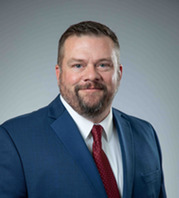
A recent report from the Pew Charitable Trusts shared a synthesis of studies finding that every $1 in public health funding saves $14 medical and societal costs. The information supporting the value of immunization programming is especially compelling. According to Centers for Disease Control and Prevention (CDC) data in the report, childhood vaccination programs have saved approximately $540 billion in medical costs and another $2.7 trillion in broader societal costs in the U.S. over the past 30 years. During that period, it is estimated they prevented 508 million cases of illness, 32 million hospitalizations, and 1,129,000 deaths. Public health is fundamentally preventative and seeks to protect every precious life in our communities—and it's impressive to see that it is both a good investment in terms of lives and dollars saved.
As we observe Breast Cancer Awareness Month and Infant Safe Sleep Month, this newsletter shares important information on these topics that touch so many families. It’s also a good time to remind you about the importance of seasonal vaccinations, hand hygiene, staying active, eating well, and staying home if and when you are sick. Together, let’s do our part to protect one another—and make the most of this beautiful season!
Adam London, PhD, RS, DAAS
Administrative Health Officer
|
Early Detection Saves Lives: Our Breast and Cervical Cancer Program Can Help

In Michigan, an estimated 9,900 residents will be diagnosed with breast cancer in 2025, and approximately 1,350 will die from it. Data shows that people of color, particularly non-Hispanic Black women, are less likely to receive routine mammograms and face a higher risk of dying from breast cancer. Residents with lower incomes, without insurance, or without a personal health care provider are also at greater risk.
Fortunately, early detection through regular breast cancer screening dramatically improves survival. When breast cancer is caught at its earliest stage, the survival rate is nearly 99%. Our team offers the Breast and Cervical Cancer Control Navigation Program (BC3NP) to help community members access the care they need. The program can:
- Arrange breast and cervical cancer screenings
- Coordinate follow-up care for abnormal test results
- Connect patients with treatment if breast or cervical cancer is diagnosed
Program eligibility and benefits include:
-
Uninsured residents can receive mammograms and Pap tests at no cost.
-
Residents with insurance who face high deductibles or incomplete coverage may receive screening or diagnostic services not covered by insurance.
-
Patients diagnosed with breast or cervical cancer may qualify for treatment through the BC3NP Medicaid Treatment Act (MTA).
Don’t wait—early detection saves lives. Our team is ready to help you navigate screening and treatment options. For more information or to enroll, email us or call 616-632-7283!
|
Safe Sleep Saves Lives: Partnering to Protect Kent County's Tiniest Residents
Every parent wants their baby to sleep safely and wake up healthy. Yet each year, Michigan loses a baby every two to three days to sleep-related causes—tragedies that are largely preventable. This Infant Safe Sleep Month, our team is proud to spotlight a partnership with local fire departments to bring this lifesaving guidance and hands-on support directly into homes.
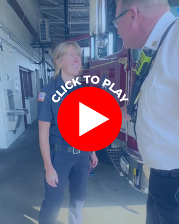
Firefighters respond to more than fires—they are trusted community members who see families in their homes during medical emergencies and more. Through specialized training with our team, they help identify unsafe sleep environments, such as soft bedding, bed-sharing, or improper sleep surfaces, and provide parents and caregivers with educational materials and guidance on safe sleep practices.
Together, our health department and fire department partners are committed to giving every infant the chance to sleep safely. By following simple guidelines—placing babies on their backs, using a separate, firm sleep surface, keeping the crib free of blankets and toys, and maintaining a smoke-free environment—families can dramatically reduce the risk of sleep-related deaths.
|
Don’t Let the Flu, RSV, or COVID Sneak Up on You This Spooky Season
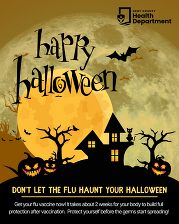
Respiratory illness season is creeping in, bringing a higher risk of flu, RSV, and COVID-19. As the temperatures drop and we gather indoors, these viruses can spread faster than a ghostly whisper. The good news? You don’t have to be haunted by illness—vaccines are your best protection against serious complications and hospitalization. Federal guidelines for vaccination have recently changed, so be sure to talk with your healthcare provider or pharmacist about what’s recommended for you and your family.
-
Flu shots are now available for everyone 6 months and older.
-
RSV protection is available for older adults, pregnant people, infants, and young children. Talk with your healthcare provider to determine the best option for you or your family.
-
COVID-19 vaccines are not yet available through us. Check with your healthcare provider or pharmacist for availability.
In addition to vaccination, keep the bugs (and boogeymen) at bay by washing your hands often, covering coughs and sneezes, staying home when you’re sick, and keeping up healthy routines like good sleep and regular activity. one—or a few—of Kent County’s 43 enchanting parks to enjoy the crisp air and colorful fall scenery. It’s a great way to keep your spirits high and your health strong!
For clinic hours, locations, or to schedule a vaccination appointment, visit our website or call us at 616-632-7200.
|
Halloween Safety Tips: Keep the Fun Without the Frights
Halloween is a night of spooky fun—but it’s important to keep safety and health in mind. Here are some tips for a fangtastic evening:

-
Check candy. Inspect all treats before kids dig in and remove choking hazards for little ones.
-
Strike a balance. Serve kids a healthy meal before trick-or-treating and encourage moderation with candy.
-
Wear bright costumes. Choose reflective outfits, carry flashlights or glow sticks, and stay together as a group.
-
Choose safe costumes. Pick flame-resistant fabrics and use face paint instead of masks for clear vision.
-
Clear walkways and secure pets. Remove obstacles and keep pets in a safe area during trick-or-treating.
-
Offer allergy-friendly treats. Join the Teal Pumpkin Project by providing non-food goodies for kids with allergies.
-
Practice flu prevention. Wash hands often and consider a flu vaccine for extra protection; remember it takes about two weeks for full immunity.
By following these simple steps, families can enjoy a fun, festive, and safe Halloween while protecting their health. Enjoy!
|
Lead Safety Fun: Trunk or Treat for the Whole Family
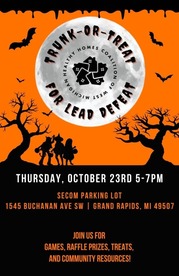
Halloween is a time for costumes, candy, and community celebration—but it’s also a chance to learn how to keep homes safe and children healthy. During National Lead Poisoning Prevention Week, the Healthy Homes Coalition of West Michigan is hosting its annual Trunk or Treat for Lead Defeat, a fun, family-friendly way to learn about lead safety.
Event Details:
-
When: Thursday, Oct. 23 from 5-7 p.m.
-
Where: 1545 Buchanan Ave. SW, Grand Rapids, MI 49507
Families can enjoy games, raffle prizes, donuts, cider, and candy while connecting with community organizations and learning how to prevent lead exposure. A mobile unit will be on site to test children’s blood for lead, too. This is a safe, fun way to celebrate Halloween while picking up valuable tips and resources to keep homes lead-free and children healthy!
|
Protect & Prevent: National Drug Take Back Day
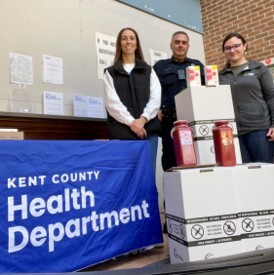
In collaboration with the Drug Enforcement Administration, Priority Health, and Corewell Health, we're encouraging community members to safely dispose of unwanted, unused, or expired prescription and over-the-counter medications—and to pick up free naloxone (Narcan), an FDA-approved medication that can reverse opioid overdoses—on National Drug Take Back Day.
Removing these medications from homes is part of a multi-dimensional approach by the Kent County Opioid Task Force (KCOTF) to reduce opioid overdoses and deaths. In 2024, 45 Kent County residents died from an overdose involving opioids. Proper disposal helps prevent misuse, accidental overdoses, and protects the environment, while increased naloxone access provides another life-saving layer of protection.
Community members can drop off their medications and pick up naloxone at the following locations from 10 a.m. to 2 p.m. Saturday, Oct. 25:
- Kent County Health Department – 700 Fuller Ave. NE, Grand Rapids
- Priority Health – 3111 Leonard St. NE, Grand Rapids
- Corewell Health – 80 68th Street, Cutlerville
Participating in National Drug Take Back Day is a simple but powerful way to protect your family and community. By safely disposing of medications and accessing life-saving naloxone, residents can help reduce overdoses and save lives.
|
Get Inked Safely: Tips from Our Environmental Health Team
Tattoos are a powerful form of self-expression, but breaking the skin carries health risks if proper precautions aren’t taken. Whether it’s your first tattoo or an addition to your collection, follow these tips:
-
Choose a licensed studio: Ensure the facility complies with local health regulations and uses sterilized equipment. Artists should wear disposable gloves and open new, single-use needles and ink cups in your presence.
-
Ask about the ink: Tattoo inks are not strictly regulated and may contain heavy metals or other harmful substances. Black ink is generally safer than colored inks—especially red and yellow, which are more likely to trigger allergic reactions.
-
Prepare your body: Avoid alcohol or drugs before your appointment, as they can thin your blood and impair judgment. Eat a good meal beforehand to help manage pain and avoid fainting.
-
Know the risks: Tattoos can cause allergic reactions, skin infections, or bloodborne diseases like hepatitis B and C if hygiene protocols aren’t followed. Individuals with autoimmune conditions should consult a healthcare provider before getting tattooed.

Following your artist’s aftercare instructions is essential for preventing infection and helping your tattoo heal properly. Keep the area clean and moisturized, avoid sun and water exposure, and watch for signs of infection such as worsening redness, pus, fever, or unusual pain. By taking these precautions and choosing a licensed, professional studio, you can enjoy your tattoo safely and confidently.
|
Celebrating 30 Years of Service: Shanda Klomp & Neal Toren
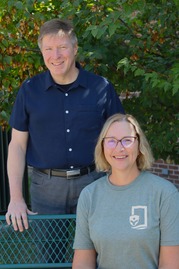
This October, we are thrilled to celebrate an incredible milestone—30 years of service with us for Shanda Klomp and Neal Toren. Their dedication, compassion, and expertise have left a lasting impact on our department and our community.
For Shanda Klomp, Public Health Nurse, a passion for serving others runs in the family. Inspired by her father, former Kent County Commissioner Roger Laninga, and her love for public health during nursing school, Shanda knew she had found her calling. Over the years, she has supported countless families, even becoming a certified lactation consultant to help new parents. From the early days of landline phones and paper charts to navigating the complexities of modern public health, Shanda has been a steady and caring presence. Her advice to those entering public service: “Stay with it! Public service can be challenging but also very rewarding.”
For Neal Toren, IT Administrator, the spark to enter public health came from his mom’s stories about childhood friends impacted by polio, an illness now largely eliminated thanks to public health efforts. For three decades, Neal has helped build and adapt the technology that powers our work. From the awe of being called a “wizard” in the 90s to creating an entirely new remote access system during the COVID-19 pandemic, Neal has guided the department through times of rapid change. Reflecting on his career, Neal shares: “Public service is more than just a job—it’s a commitment to making the community healthier, stronger, and better.”
Together, Shanda and Neal embody the heart of public health: service, resilience, and a deep care for people. Please join us in congratulating them on 30 years of making a difference in Kent County!
|
People’s Champion Award: Greg VanderKooi Recognized for Dedication and Humor
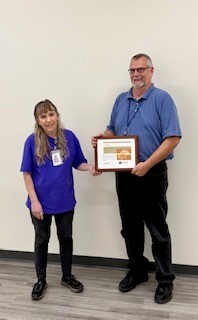
Greg VanderKooi of our IT team is known for his approachability, kindness, and perfect sense of humor—just when we need it most. His professionalism and dedication make him a cornerstone of support for staff across the Kent County Health Department.
Whether troubleshooting unexpected computer issues or providing temporary fixes until a permanent solution is found, Greg consistently goes above and beyond. Even under pressure, he treats everyone with respect and courtesy, making challenging situations easier and bringing a welcome dash of laughter to the day.
Greg’s work ensures that the department runs smoothly and that staff can focus on serving the community without technical setbacks. The people have spoken—Greg’s teammates chose him for this award because of the positive impact he has on everyone around him. Thank you, Greg, for your dedication, your problem-solving, and your infectious smile!
|
Reminder: Temporary Relocation of Services Due to Renovations
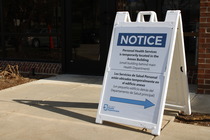
Please be aware that several services have been temporarily relocated within our existing facilities due to renovations occurring at our main clinic, located at 700 Fuller Ave. NE, Grand Rapids, MI 49503.
The renovation project, slated for completion by early 2026, aims to enhance patient confidentiality and expand service capacity by adding separate waiting rooms, exam rooms, and soundproofing.
|
The following services have moved to alternate clinic locations:
- Women, Infants & Children
- Immunizations
Alternate clinic locations include:
-
North Clinic: 4191 17 Mile Rd. NE, Cedar Springs, MI 49319
-
South Clinic: 4700 Kalamazoo Ave SE, Kentwood, MI 49508
-
Sheldon Clinic: 121 Franklin SE, Ste. 130, Grand Rapids, MI 49507
For more information or to schedule an appointment, please call us at 616-632-7200.
Got Questions? We've Got Answers!

Are you a reporter or member of the media and see something you'd like to cover? Reach out to Christina Anthony, Marketing and Communications Manager, for quotes, interviews, background information, or anything else you may need to tell your story:
Have a story idea or partnership pitch? We love collaborating with those who share our passion for public health. Don’t hesitate to reach out—we’re always open to new ways to inform, connect, and serve Kent County.
|
Office Closures for Veterans Day
All Kent County offices and clinics will be closed on Tuesday, Nov. 11, in observance of Veterans Day. Regular operations will resume Wednesday, Nov. 12.
|