Letter from the Health Officer
Dear Community Member,
September is National Preparedness Month—a time to focus on readiness for emergencies, from natural disasters and family crises to disease outbreaks. Here in Kent County, recent health trends remind us why preparedness matters. So far this year, 32,354 influenza cases have been reported—the highest since before the COVID pandemic. Additional, we've had 51 cases of pertussis and four cases of measles, marking a re-emergence in our community. These are among the many vaccine-preventable illnesses which can cause severe illness, permanent injury, and even death. One of the most effective, evidence-based tools we have for safeguarding public health is vaccination. In particular, this is a good time to think about influenza vaccination and making sure you and your loved ones are up-to-date with other immunizations.
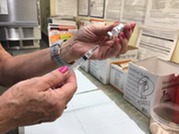
We hear concerns every year that the influenza vaccine is not effective. While it is less successful at completely preventing illness compared to other vaccines—for example, two doses of the measles vaccine are up to 97% effective—the influenza vaccine is up to 80% effective at preventing serious illness in vulnerable populations. We also hear many people say that they received the influenza vaccine and then became sick with the flu immediately thereafter. This can happen, but it doesn’t mean the vaccine caused the illness. The body needs time to respond, and it can take up to two weeks to build full protection after vaccination. In most cases, those who become sick soon after vaccination were exposed to the virus before or shortly after receiving their shot.
Another common question is why the influenza vaccine is recommended every year when most other vaccines are needed far less frequently. The answer is that influenza is caused by many strains of virus, and the predominant strain can shift from one year to the next. Researchers study what is happening in other parts of the world before deciding on an influenza vaccine that most closely fits the current threat. That’s why annual vaccination is so important. Please join us in getting the influenza vaccine this fall. While you’re at it, ask your provider if you are caught up on all other vaccinations. By doing so, you help protect yourself, your family, and our community—and ensure we are better prepared to face health emergencies together. If you have questions or concerns, please talk with your physician.
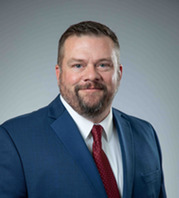
Adam London, PhD, RS, DAAS
Administrative Health Officer
|
Fall into Protection: Catch Up on Vaccines Before Cold and Flu Season
As the weather turns cooler and crisper, more of us spend time indoors, often in closer proximity to family, friends, and classmates. This makes it easier for viruses and bacteria to spread—especially among children who aren’t fully vaccinated. September is the perfect time to review your family’s vaccine status and speak with your provider about what's recommended—before cold and flu season peaks!
|
National Preparedness Month: Three Steps to Keep Your Family Safe During Emergencies

Whether it’s severe weather, a power outage, or a public health emergency, a little planning now can make a big difference when the unexpected occurs. Here in Kent County, many emergencies are weather-related, but we can also face other hazards like infrastructure failures and supply chain disruptions. The good news? We have a strong network of people working together behind the scenes to keep our community safe.
|
This National Preparedness Month, join them by taking these three simple steps to protect your family:
-
Make a Plan: Talk with your family about how to respond to different emergencies. Decide on evacuation routes, meeting places, and shelter-in-place strategies. Consider creating a family communication plan and explore resources like the MI Ready Family Preparedness Guide. Kent County also participates in Smart911, which provides first responders with important household information in an emergency.
-
Build a Kit: Prepare a go-bag with essentials like food, water, flashlights, and chargers. At home, keep at least three days worth of food, water, medications, and first aid supplies. Don’t forget special items for infants, elderly family members, or pets. Consider requesting and printing a map of Kent County to add to your go-bag.
-
Stay Informed: Know how your family will receive emergency alerts. Wireless Emergency Alerts are sent automatically to cell phones in Kent County, and residents in Grand Rapids can register for city alerts. A NOAA Weather Radio can provide an additional reliable source of information.
Take time this month to practice your emergency plan. Even 30 minutes can make a difference. Prepare today so your family is ready tomorrow!
Employee Spotlight: Meet Sydney, Our Overdose Epidemiologist
In early June, our Center for Community Health Strategy Division hired a new overdose epidemiologist, Sydney Resler—and we are thrilled to have her on the team!
Sydney grew up in southern Wisconsin and brings an impressive academic background with degrees in anthropology and global epidemiology from Marquette University, Georgia State University, and Emory University. She was first introduced to harm reduction while serving as an AmeriCorps volunteer with the Alaska Native Tribal Health Consortium in Anchorage—a formative experience that shaped her career path. Sydney also worked at a rural health department as a University of Wisconsin Population Health Service Fellow where she led projects on harm reduction, substance use, COVID-19, and health equity.
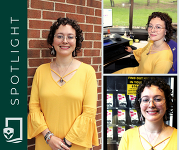
In her role here, Sydney analyzes overdose-related data, co-chairs the Kent County Opioid Task Force, and coordinates the Overdose Fatality Review. She also attends community events to distribute Narcan and testing strips for fentanyl, xylazine, and medetomidine. Sydney loves the balance of digging into data while also engaging with the community.
“All members of our community deserve to be treated with dignity, respect, and compassion—and everyone deserves access to the resources that help keep them alive,” Sydney shared. “I feel very lucky to work in a role and field that aligns with these values.”
Sydney says she is energized by the deep partnerships and incredible momentum around overdose prevention in Kent County. Meeting new people and learning the local landscape has been both a challenge and a rewarding part of her first few months.
Outside of work, Sydney enjoys nature, crafting, reading, baking, live music, and caring for her two cats. She recently began walking dogs at the nearby Kent County Animal Shelter during her afternoon breaks, which she says is “so much fun!”
Please join us in giving Sydney a warm welcome!
|
Supporting Recovery: Peer Coaches Making a Difference in Kent County
Every September, the Substance Abuse and Mental Health Services Administration (SAMHSA) aims to increase public awareness surrounding mental health and addiction recovery and highlight the dedication of service providers who make recovery possible. Peer recovery coaches play a critical role in helping individuals with substance use disorder navigate the multidimensional support network necessary to achieve recovery. These coaches bring the experience of their own recovery journey, combined with training and supervision, to provide many different types of support, including:
-
Emotional: empathy and concern
-
Informational: connections to community resources
-
Instrumental: supports such as housing or employment
-
Affiliation: connections to recovery activities and events
In Kent County, Arbor Circle has been selected to receive Opioid Settlement Funds to increase access to peer recovery coaches in the community. This funding has allowed Arbor Circle to hire two new full-time coaches and a part-time supervisor. The new staff will provide access to coaching services across multiple points of care, including health systems, clinics, and community-based organizations and build connections to ensure that partners who engage with those in need of coaching services can easily refer individuals to the program. The demand for recovery support in Kent County currently exceeds existing capacity and these new positions enhance local efforts to assist individuals with substance use disorder on their path to recovery.
With these new resources in place, Kent County continues to strengthen its commitment to supporting recovery and ensuring that no one faces the journey alone.
|
Unraveling the Link Between Perinatal Mental Health and Substance Use
Join us for a full-day conference on Perinatal Mood and Anxiety Disorders (PMAD) and Substance Use Disorders (SUD), featuring expert keynotes, breakout sessions, and a panel on integrated care.
Event Details:
-
When: Friday, Sept. 26 from 8:30 a.m. to 4 p.m.
-
Where: The Postma Center, Building C-2, 300 68th St. SE, Grand Rapids
-
Registration: Online by September 17
-
Cost: $95 with a limited amount of scholarships available
Hear from expert in the field as they share practical strategies, clinical insights, and lived experiences. Continuing Medical Education (CME) credits and CEUs are included.
Get Involved: Apply for the Community Health Advisory Committee

Are you looking for ways to improve the health and wellness of Kent County residents?
Our Board of Commissioners is seeking residents interested in serving through appointment to Community Heath Advisory Committee, where there's currently one position open. Important roles like these offer meaningful opportunities for residents to help shape county policies and make a real impact.
Qualified residents may learn more and apply by completing an online account and submitting an application here. The application deadline is 11:59 p.m. Tuesday, Sept. 30, 2025.
|
Keep Your Septic System Healthy: SepticSmart Week 2025
SepticSmart Week, held annually during the third week of September, raises awareness about the importance of properly maintaining septic systems. Failing or poorly maintained systems can lead to costly repairs and environmental problems.
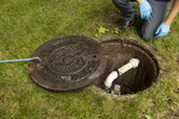
Here are some key tips from the the U.S. Environmental Protection Agency (EPA) to keep your septic system running smoothly:
-
Think at the sink: Don’t pour fats, oils, or grease down drains, and avoid flushing wipes or other non-degradable items.
-
Conserve water: Spread out laundry loads, fix leaks, and use high-efficiency fixtures to reduce strain on your system.
-
Inspect and pump regularly: Have your system checked every three years and pumped every three to five years to prevent clogs.
-
Protect your drain field: Keep vehicles off it, plant trees away from it, and direct roof drains and sump pumps elsewhere.
-
Keep it simple: Only flush human waste and toilet paper—your septic system isn’t a trash can.
Be SepticSmart this September and help prevent costly repairs and environmental issues! If you'd like to learn more, visit the EPA's website.
|
People’s Champion Award: Chris Stewart Recognized for Leadership and Compassion
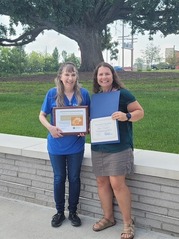
Chris Stewart’s consistency, reliability, and strong work ethic have been a cornerstone of our clinic’s success for more than thirty years. She's been a steady presence, guiding teams and clients alike through periods of change with grace and dedication.
Recently, a former Women, Infants, and Children (WIC) client shared how Chris’s kindness and encouragement made all the difference during some particularly challenging appointments. Years later, that client still remembers the reassurance and support Chris offered, and how it enriched her experience with us.
Through decades of growth and change, Chris has remained a trusted and valued part of clinics. Her loyalty and contributions have left a lasting impact that cannot be measured in time alone—but rather—lives touched, teams strengthened, and countless moments of consistency.
|
Reminder: Temporary Relocation of Services Due to Renovations
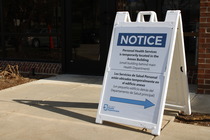
Please be aware that several services have been temporarily relocated within our existing facilities due to renovations occurring at our main clinic, located at 700 Fuller Ave. NE, Grand Rapids, MI 49503.
The renovation project, slated for completion by early 2026, aims to enhance patient confidentiality and expand service capacity by adding separate waiting rooms, exam rooms, and soundproofing.
|
The following services have moved to alternate clinic locations:
- Women, Infants & Children
- Immunizations
Alternate clinic locations include:
-
North Clinic: 4191 17 Mile Rd. NE, Cedar Springs, MI 49319
-
South Clinic: 4700 Kalamazoo Ave SE, Kentwood, MI 49508
-
Sheldon Clinic: 121 Franklin SE, Ste. 130, Grand Rapids, MI 49507
For more information or to schedule an appointment, please call us at 616-632-7200.
Got Questions? We've Got Answers!
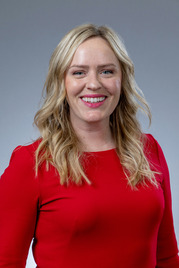
Are you a reporter or member of the media and see something you'd like to cover? Reach out to Christina Anthony, Marketing and Communications Manager, for quotes, interviews, background information, or anything else you may need to tell your story:
Have a story idea or partnership pitch? We love collaborating with those who share our passion for public health. Don’t hesitate to reach out—we’re always open to new ways to inform, connect, and serve Kent County.
|
|