Letter from the Health Officer

Dear Community Member,
At this time 249 years ago, citizens throughout the thirteen colonies were reading the freshly inked Declaration of Independence and wondering what the future would hold for “these United States of America.” Addressed to the British monarch, the Declaration of Independence is both a pointed list of grievances and a bold assertion of human rights, declaring the colonies’ intent to separate and affirming that all people are entitled to “life, liberty, and the pursuit of happiness.”
While it does not mention public health directly, these ideals are deeply connected to the health and well-being of the population. In 1776, the American colonies were not only fighting for political freedom—they were also battling disease, poor sanitation, and limited medical care. At the time, life expectancy hovered around just 35 to 40 years. In addition to living under the rule of a distant monarch, our predecessors were also living—and dying—under the despotic tyranny of disease.
Many of the early American patriots—including Benjamin Rush, Benjamin Franklin, Thomas Jefferson, Paul Revere, and others—recognized the potential of science, medicine, and policy to advance the pursuit of life, liberty, and happiness. These were revolutionary thoughts for their time. Their work—alongside the efforts of many others and through the opportunities made available in our unique American experiment—helped create a nation that has more than doubled life expectancy and raised living standards for people around the world.
As we enter our 250th year, let’s remember that through blood and toil we earned our liberty from foreign rulers. However, our struggles against premature death, suffering, and the unhappiness of disease continue. During this year of national celebration, let’s do what we can to continue the fight to advance life, liberty, and the pursuit of happiness in our community.
Adam London, PhD, RS, DAAS
Administrative Health Officer
Pictured above is Adam London, Kent County Health Department Director.
|
Confirmed Measles Case in Kent County: Are You Protected?
With summer travel in full swing and back-to-school season just around the corner, now’s the time to double-check your family’s vaccination records—especially for measles.
We recently confirmed a local case of measles in a young child with a recent history of international travel. It’s the second case in Kent County since April, and part of a broader, troubling trend across Michigan and beyond.
Measles is one of the most contagious viral diseases in the world. It easily spreads through the air when an infected person coughs, breathes, or sneezes—and it can linger in the air for up to two hours after that person leaves. It's so contagious that one person with measles can infect up to 90% of unvaccinated people around them.
The good news? Measles is preventable and its vaccine is highly effective. The measles, mumps, and rubella (MMR) vaccine provides 93% protection with one dose and 97% with two. Most people receive their first dose around age one and a second before kindergarten, though some children may have fallen behind on routine immunizations during the pandemic.
We’re urging families to:
- Review your child’s vaccine record, especially before school starts
- Make sure anyone traveling internationally is fully vaccinated
If you think you or your child may have been exposed to measles—or you develop symptoms like a high fever, cough, runny nose, red eyes, or a rash—call your healthcare provider before showing up in person to prevent exposing others.
You can reach us Monday through Friday at 616-632-7228. For support on evenings or weekends, just dial 2-1-1.
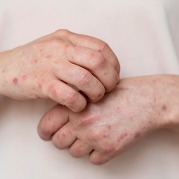
Pictured above is an example of what the measles rash looks like on a person's body.
|
Infant Mortality Hits Historic Low: A Positive Trend for Michigan Families

Michigan’s infant mortality rate has dropped to its lowest point in recorded history—6.1 deaths per 1,000 live births. And here in Kent County, we’re doing even better. In 2023, the most recent year with available data, we reported a rate of 4.5 deaths per 1,000 live births—significantly lower than the state average.
Infant mortality is more than just a number. It reflects the overall health of our community and how well we support families during pregnancy, birth, and the critical first year of life.
|
We’re proud to offer a range of programs that help more babies reach their first birthday by ensuring they are born healthy, grow strong, and thrive in safe environments. These include:
- Maternal Infant Health Program (MIHP)
- Nurse-Family Partnership
- Strong Beginnings
- WIC
- Immunizations & Safe Sleep
- Children’s Special Health Care Services
- And more
There’s still work to do—especially when it comes to improving outcomes for families disproportionately affected by infant mortality. But the data shows we’re making progress. More babies in Kent County are surviving and thriving, and that’s something we can all celebrate.
Pictured above is a mother, her young daughter, and infant during an appointment at the Kent County Health Department.
Water Safety: Drowning Prevention Starts with Awareness
We Michiganders love our water. Whether it’s pool parties, tubing down a river, or spending the day at the lake, water is part of our culture—and part of what makes summer so special. But it only takes seconds for a fun day to turn into a devastating one.
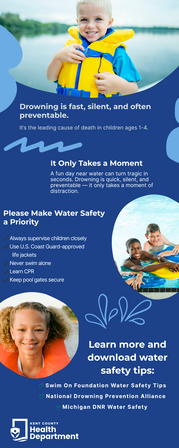
Drowning is fast, silent, and often preventable. It’s the leading cause of death for children ages 1–4 and a major risk for people of all ages when proper precautions aren’t taken. The good news? A few simple steps can make all the difference.
Here are a few life-saving tips we encourage everyone to follow:
-
Always supervise children around water—stay within arm’s reach and give them your undivided attention.
-
Never swim alone. Even strong swimmers can encounter trouble.
-
Wear U.S. Coast Guard-approved life jackets when boating or in open water.
-
Teach kids water safety and how to swim as early as possible.
-
Install barriers and alarms around pools and hot tubs.
-
Avoid alcohol when swimming or supervising children near water.
Please share this message with family, friends, and neighbors. By raising awareness, we help protect the people we love and the summers we cherish. For more water safety tips and local resources, visit the Center for Disease Control (CDC) website.
|
Sun Safety: Don’t Let Summer Catch You Off Guard
We love our Michigan summers. Whether you're heading to the lake, relaxing in the backyard, or enjoying time outdoors with family and friends, there's no shortage of ways to make the most of the season. With all that sunshine, though, comes the need for a little extra care. July is both UV Safety Month and U.S. Safety Month, making it a great time to remind ourselves how to stay safe in the sun.

UV (ultraviolet) rays are a form of invisible radiation that comes from the sun—and from tanning beds. Over time, UV exposure can cause skin cancer, premature aging, and serious eye damage. Most skin cancers are linked to UV rays, and just five sunburns in your lifetime can double your risk of melanoma. Children and teens are especially vulnerable to long-term sun damage.
|
A few simple steps can help protect you and your family from the sun dangerous rays:
-
Dress smart. Light-colored, loose-fitting clothing, sunglasses with UV protection, and wide-brimmed hats are key.
-
Apply sunscreen. Use sunscreen with SPF 30 or higher every day—even when it’s cloudy. Reapply every two hours, and after swimming or sweating.
-
Avoid peak hours. UV rays are strongest from 10 a.m. to 4 p.m. Try to plan outdoor activities in the morning or evening.
-
Check the UV Index. Use the EPA UV Index tool to stay safe and informed.
Protecting your skin and eyes now means fewer health concerns later. Share these reminders with friends, neighbors, and family, and remind them to stay hydrated. Let’s enjoy every bit of summer—safely.
Pictured above is a young girl enjoying Millennium Park's beach this summer.
Dig Smart: Lead-Safe Gardening Tips for a Healthier Harvest
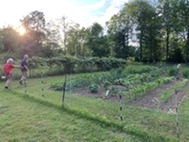
Gardening is one of the most rewarding ways to grow fresh produce, spend time outdoors, and connect with nature. But for many in urban or older residential areas, there’s a hidden risk that can take root right beneath your feet: lead in soil.
Lead is a toxic metal that was once widely used in paint, gasoline, and plumbing materials. Though banned from most consumer products decades ago, lead can linger in the soil—especially near homes built before 1978, heavily trafficked roads, or former industrial sites. Over time, flaking paint, dust, and exhaust particles settle into the ground and stay there, creating a long-term health hazard.
|
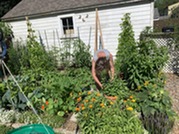
While most edible plants don’t absorb high levels of lead, root vegetables like carrots and potatoes can take up more than others. More often, the concern lies in the soil itself. Tiny particles can stick to leafy greens or become airborne as dust, posing a risk when inhaled or accidentally ingested—especially for young children working or playing near the garden.
|
The good news is that with a few thoughtful steps, you can enjoy the benefits of gardening while greatly reducing the risks of lead exposure:
-
Start by testing your soil. Local health departments or university extensions often provide affordable testing kits. Knowing your lead levels is the first step toward peace of mind.
-
Choose the right location. Plant away from old buildings, painted structures, and roads. Lead levels tend to be lower in soil farther from these sources.
-
Use raised beds with clean soil. Materials like untreated wood, brick, or recycled plastic can help create a safer growing space above potentially contaminated soil.
-
Mix in compost and top with mulch. Amending soil with compost and covering it with mulch reduces lead exposure by binding the metal and limiting dust.
-
Choose crops that carry less risk. Fruits such as tomatoes, peppers, and squash absorb far less lead than leafy greens or root crops.
-
Rinse and peel. Always wash fruits and vegetables thoroughly, and peel root vegetables to remove soil residue.
-
Practice good garden hygiene. Wear gloves, leave dirty tools and shoes outside, and wash your hands well after working in the garden.
Gardening should nourish your body and your peace of mind—not introduce new risks. Whether you’re planting a small backyard plot or a community garden, taking steps to reduce lead exposure helps protect your health and your harvest.
Pictured above is a couple tending to their vegetable garden in Kent County.
Mental Health Equity: Expanding Access for All Communities
July is Minority Mental Health Month, a time to recognize that while mental health challenges affect people across every background, access to care is not always equal—especially for individuals facing language, cultural, or geographic barriers.
Here in Kent County, mental health has consistently been identified as a top concern in community health surveys. In our most recent Community Health Needs Assessment (CHNA), nearly half of respondents said they or someone in their household struggled with mental health in the past year. While resources exist, many residents still face long waitlists, insurance issues, and limited access—especially those in rural areas or who speak a language other than English.
That’s why we’ve directed CHNA-related funding to local partners who are actively working to reduce these barriers:
-
Arbor Circle is using our funding to provide 200 hours of professional interpretation services and to train staff on delivering culturally competent care in partnership with interpreters. Early evaluations show these trainings are helping staff better understand cultural nuances and improve care across language differences.
-
Gilda’s Club Grand Rapids, in partnership with Exalta Health, is expanding access to grief support for the Latinx community. A Spanish-speaking facilitator, trained in Gilda’s “Living with Grief” curriculum, will lead free sessions on July 9, 16, 23 and 30 from 6 to 7 p.m. at Exalta Health (2060 Division Ave S). To register, call 616-475-0182 or email fvega-colon@exaltahealth.org.
Looking for culturally responsive care? Our Mental Health Collective offers a local directory of mental health providers committed to serving diverse communities.
New Dental Screening Requirement for Kindergarten and First-Year Students

Did you know that all children entering kindergarten or their first year of school are now required to have a dental screening? The Kindergarten Oral Health Assessment (KOHA) Program helps ensure children start school with healthy smiles, reducing absences and improving their ability to focus and learn.
We've partnered with My Community Dental Centers to offer free dental screenings at schools and community events. Below are some important details for parents:
-
A dental screening is simple and fast. A dental professional will look into your child’s mouth and note what they see on the screening form. No treatment is done.
-
The screening is free. There is no cost to you through the KOHA program.
-
There's plenty of time to screen. Screenings can be completed up to six months before school starts or anytime during the kindergarten year until May 31.
-
Help is available. Your child may be able to enroll in the Michigan Healthy Kids Dental Program if they don’t have insurance.
The My Community Dental Centers team is offering these free dental screenings for children at select community events. You can also schedule an appointment by email or phone.
|
Pop-Up Public Health: Where to Find Our Mobile Unit This Summer
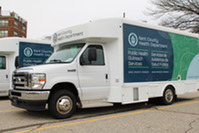
We’re hitting the road this summer with a series of mobile unit events designed to meet residents right where they are as we bring health services and resources directly to the community. These outreach events are a great opportunity for us to connect, share information, and offer on-the-spot support—from testing for sexually transmitted infections to providing educational materials and more!
|
Here is a look at where we'll be rolling to next:
For more information about services available at these events, please email Melissa Bisel or call 616-632-7096.
Pictured above is the Kent County Health Department's mobile unit.
Stop Bites Before They Happen: Free Mosquito Dunks Available

Mosquitoes aren’t just a nuisance—they can also carry serious diseases like West Nile virus and Eastern Equine Encephalitis (EEE). That’s why controlling mosquito populations early is one of the most effective ways to protect your family and community.
That's why we're giving away free mosquito dunks at our Environmental Health desk, located on the lower level of our main clinic at 700 Fuller Ave. NE in Grand Rapids, while supplies last.
You can also find us at the following community events:
Take a proactive step toward a safer, more comfortable summer—pick up your free mosquito dunks while supplies last.
|
Celebrate Summer at the Kent County North Community Fest – August 14
We are excited to be part of the first-ever Kent County North Community Fest—a family-friendly celebration happening on Thursday, Aug. 14, from 3 to 7 p.m. at the Kent County North Campus in Cedar Springs. Admission is free, and all are welcome!

Guests can enjoy food trucks, free ice cream, and a variety of kids’ activities, including face painting, glitter tattoos, and balloon animals. Plus, don’t miss the chance to check out big trucks on display—from fire engines to road equipment—and so much more!
Families can also receive free backpacks for kids in grades K–12, while supplies last—just in time for back-to-school!
We’ll be joined by colleagues from more than 15 County departments and offices, all ready to share information and connect community members with valuable programs and services.
Kent County Sheriff’s Office K-9 Unit handlers will present live demonstrations and the Mounted Unit will be available for meet-and-greets with their horses. Our team will also be on-site providing routine vaccinations to keep your family safe as kids return to school.
We hope you’ll join us for this fun community event. Mark your calendar and RSVP to the County’s Facebook event. It will be a great opportunity to connect to your County and celebrate summer together!
The Kent County North Campus is located between Advance Auto Parts and Taco Bell at 4191 17 Mile Road NE, Cedar Springs, MI 49319. Free, onsite parking will be available.
|
Reminder: Temporary Relocation of Services Due to Renovations
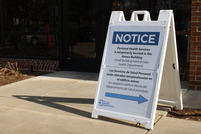
Please be aware that several services have been temporarily relocated within our existing facilities due to renovations occurring at our main clinic, located at 700 Fuller Ave. NE, Grand Rapids, MI 49503.
The renovation project, slated for completion by early 2026, aims to enhance patient confidentiality and expand service capacity by adding separate waiting rooms, exam rooms, and soundproofing.
|
The following services have moved to alternate clinic locations:
- Women, Infants & Children
- Immunizations
Alternate clinic locations include:
-
North Clinic: 4191 17 Mile Rd. NE, Cedar Springs, MI 49319
-
South Clinic: 4700 Kalamazoo Ave SE, Kentwood, MI 49508
-
Sheldon Clinic: 121 Franklin SE, Ste. 130, Grand Rapids, MI 49507
For more information or to schedule an appointment, please call us at 616-632-7200.
Pictured above is a closure sign at the Kent County Health Department.
Got Questions? We've Got Answers!

Are you a reporter or member of the media and see something you'd like to cover? Reach out to Christina Anthony, Marketing and Communications Manager, for quotes, interviews, background information, or anything else you may need to tell your story:
-
Phone – 724-691-5120
-
Email – christina.anthony@kentcountymi.gov
Have a story idea or partnership pitch? We love collaborating with those who share our passion for public health. Don’t hesitate to reach out—we’re always open to new ways to inform, connect, and serve Kent County.
|
|