Letter from the Health Officer

Dear Community Member,
It’s interesting how some celebrations capture the imagination and “go viral.” Perhaps the best examples are Saint Valentine’s Day this month and St. Patrick’s Day next month. Valentinus was born during the third century in the heart of the Roman Empire (see what I did there?). Legends abound about this Roman citizen who became a priest and was eventually recognized as “Saint” Valentine after his martyrdom in 269. He is, of course, known as the patron saint of love, but it’s not entirely clear why. Probably the most likely and historically accurate explanation is that he continued to perform marriages even while Emperor Claudius II had prohibited them. Apparently, newly married Roman men did not make great soldiers. This defiance of an emperor’s order in the name of love may have cost Valentine his life.
So, you’re probably wondering, “what does any of this have to do with public health?”
For thousands of years, the heart has been almost universally associated with love. Is there a more fitting symbol for the month of love and Saint Valentine’s Day? This is also American Heart Month—a time to remember that heart disease remains the leading cause of death in the United States. There are countless things we can all do to protect our hearts and the hearts of our sweet Valentines. Right up there near the top of my list: know your blood pressure and encourage others to do so as well. Hypertension is a preventable precursor to more severe health problems.
One last fun fact about Saint Valentine: he is also the patron saint of plague victims. He was renowned for healing people and may have been trained as a physician in addition to being a priest. Thankfully, there are very few plague victims these days, but we still have many illnesses circulating. Let’s love our community this month: stay home if you’re sick, wash your hands often, and remember, it’s not too late to get an influenza vaccination.
Adam London, PhD, RS, DAAS
Administrative Health Officer
Pictured above is Adam London, Kent County Health Department Director.
|
 Temporary Relocation of Services Due to Renovations
Please be aware that several services have been temporarily relocated within our existing facilities due to renovations occurring at our main clinic, located at 700 Fuller Ave. NE, Grand Rapids, MI 49503.
The following services have moved to alternate clinic locations:
- Women, Infants & Children
- Immunizations
Alternate clinic locations include:
-
North Clinic: 4191 17 Mile Rd. NE, Cedar Springs, MI 49319
-
South Clinic: 4700 Kalamazoo Ave SE, Kentwood, MI 49508
-
Sheldon Clinic: 121 Franklin SE, Ste. 130, Grand Rapids, MI 49507
The renovation project, slated for completion by early 2026, aims to enhance patient confidentiality and expand service capacity by adding separate waiting rooms, exam rooms, and soundproofing.
For more information or to schedule an appointment, please call us at 616-632-7200.
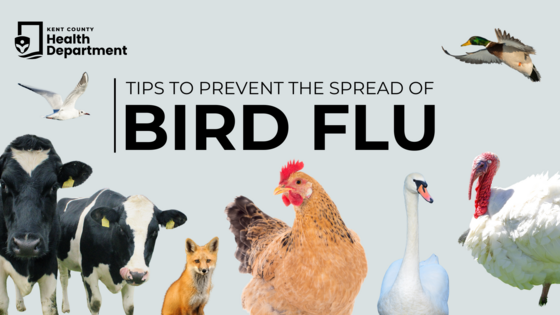 Bird Flu Prevention Starts with You: Simple Steps to Keep Your Animals and Community Safe
Since its initial detection in Michigan back in 2022, highly pathogenic avian influenza, commonly known as bird flu, has had a significant impact on both domestic and wild animal populations—including making an unprecedented jump to dairy cattle in 2024.
While the risk to human health remains low, there are proactive steps we can all take to protect our animals and community:
-
Practice Good Hygiene: Wash hands thoroughly with soap and water after any contact with birds and wild animals or their environments.
-
Cook Poultry Products Thoroughly: While no birds or bird products infected with bird flu will enter the commercial food chain, people should properly handle and cook all poultry and eggs to 165°F
-
Do Not Consume Unpasteurized Products: Avoid raw milk and other unpasteurized products. Pasteurization is a process that involves heating milk to a high temperature for a period of time, helping to ensure dairy products are safe for consumption by eliminating potential pathogens.
-
Animal Safety: Keep domestic animals away from wildlife and their droppings to prevent potential infection.
-
Avoid Contact with Wildlife: Refrain from handling wildlife, especially those that appear sick or are found dead. Hunters should always wear disposable gloves when handling or cleaning game, and wash hands with soap and water immediately afterwards. If soap and water aren't available, use an alcohol-based hand sanitizer.
Backyard poultry owners should implement the following enhanced measures to protect their flocks:
-
Restrict Access: Limit visitor access to bird areas and ensure anyone entering uses proper protective equipment.
-
Disinfect Equipment: Regularly clean and disinfect tools, clothing, and vehicles that come into contact with birds.
-
Monitor Flock Health: Observe flock daily for signs of illness, such as sudden death in multiple birds, nasal discharge, coughing, sneezing, decreased water consumption, or a significant drop in egg production.
-
Report Illnesses: If avian influenza is suspected in domestic birds, contact the Michigan Department of Agriculture and Rural Development (MDARD) immediately at 800-292-3939 (daytime) or 517-373-0440 (after-hours).
If you have any questions regarding the health of your flock or for more strategies on how to prevent disease, please be sure to contact your veterinarian.
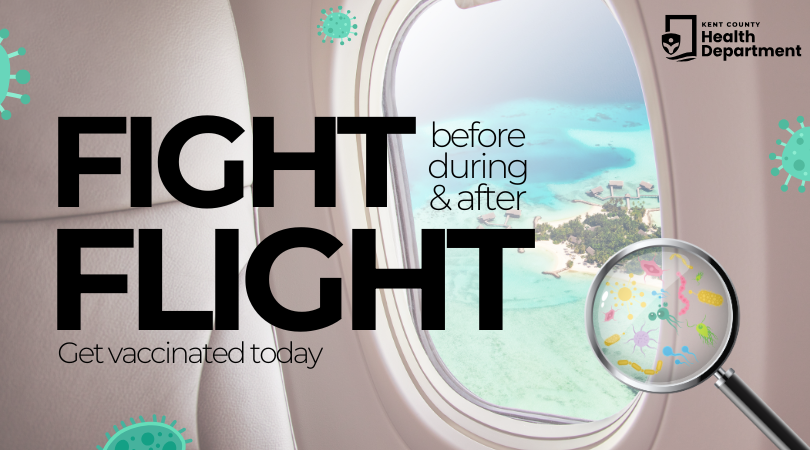 Fight Illness Before Flight: Staying Protected for Spring Travels
Whether you're jetting off to a tropical escape, hitting the road for a family getaway, or exploring an international destination, staying healthy is key to making the most of your spring break. Respiratory illnesses such as influenza, COVID-19, and respiratory syncytial virus (RSV) can spread quickly in busy travel hubs and vacation hotspots. Fortunately, vaccines offer a strong line of defense, reducing the risk of severe illness and complications.
If you haven't yet already, consider getting these important vaccines to help keep you and your loved ones safe while traveling:
-
Influenza Vaccine: Updated annually to target the most common flu strains, the flu shot is recommended once a year for everyone 6 months and older.
-
COVID-19 Vaccine: Staying up to date with COVID-19 vaccines and boosters helps protect against severe illness and emerging variants.
-
RSV Vaccine: RSV vaccines are available for older adults and high-risk populations, while monoclonal antibody treatments can help protect infants and young children from severe infections.
If your spring break plans include international travel, you may need additional vaccines to stay protected against region-specific health risks such as yellow fever, typhoid, or hepatitis A. To ensure a safe and healthy trip, follow these steps:
-
Research Your Destination: Check for vaccine requirements and health advisories specific to your travel location. The Centers for Disease Control and Prevention (CDC) is a great resource.
-
Visit a Travel Clinic: Schedule an appointment with our Travel Health Clinic at least 4–6 weeks before departure. Our experts can provide the necessary vaccines and health advice tailored to your itinerary.
-
Pack Smart: Bring essentials like hand sanitizer, disinfectant wipes, and a basic first aid kit. Practicing good hygiene can help reduce the risk of illness while traveling.
This spring break, focus on making memories, not managing symptoms. Schedule your vaccination appointment today by calling us at 616-632-7200.
 WISEWOMAN Program: A Lifeline for Women's Heart Health
February is American Heart Month, a perfect time to highlight WISEWOMAN, a free program helping Michigan women reduce their risk for heart disease, stroke, and diabetes. Developed by the CDC, WISEWOMAN provides clinical assessments and healthy behavior support to improve heart health.
Heart disease remains the leading cause of death for Michigan women, with rates consistently higher than the national average. Black, non-Hispanic women ages 35-64 face even greater risks, experiencing significantly higher mortality rates than others. Factors like lower income and limited healthcare access further increase the likelihood of chronic conditions.
To address these disparities, WISEWOMAN offers free heart health screenings and lifestyle coaching to eligible Michigan women, including those already enrolled in the Breast and Cervical Cancer Control Navigation Program (BC3NP). Participants receive:
-
Comprehensive screenings for blood pressure, cholesterol, and glucose
-
Risk reduction counseling for heart-healthy lifestyle changes
-
Health Behavior Support Services (HBSS), including the Diabetes Prevention Program (DPP), Walk with Ease, and Michigan Tobacco QuitLink
This American Heart Month, take charge of your heart health. Simple steps like eating well, staying active, managing stress, and quitting smoking can make a big difference. Regular screenings through programs like WISEWOMAN help detect risks early and provide crucial support for prevention.
To learn more or see if you qualify, visit www.Michigan.gov/WISEWOMAN or call 844-446-8727. A healthier heart starts today!
Check It Out: Books, Blood Pressure, and Beyond

Libraries are more than just books—they are gateways to learning, connection, and well-being. This Library Lovers’ Month, Kent District Library (KDL) invites you to explore the many resources, programs, and opportunities available to residents.
A KDL library card is your passport to discovery. Families can nurture young readers through Storytimes and 1,000 Books Before Kindergarten, programs proven to strengthen language skills, focus, and lifelong learning. But the benefits of reading go beyond the mind—it has powerful effects on physical health as well, helping to:
- Reduce stress and anxiety levels
- Improve sleep quality
- Support overall well-being
|
KDL is also committed to supporting your health by observing American Heart Month, offering residents the opportunity to check out a free blood pressure monitoring kit—complete with an easy-to-use monitor, adjustable cuffs, and educational materials. Plus, KDL offers books and streaming content on heart health, available at 20 locations across Kent County and on the KDL Bookmobile.
Get started today. Visit kdl.org to place a hold on a blood pressure monitor, join a book club or author event, and browse book recommendations.
 Healthy Smiles, Bright Futures: Partnership Provides Free Dental Screenings
Did you know that all children entering kindergarten or their first year of school are now required to have a dental screening? The Kindergarten Oral Health Assessment (KOHA) Program helps ensure children start school with healthy smiles, reducing absences and improving their ability to focus and learn.
Still not convinced? Consider these facts:
-
Tooth decay is the most common chronic disease in children. Almost half of Michigan’s Head Start students have cavities, and nearly one-third have untreated decay.
-
Kids with poor dental health are three times more likely to miss school, impacting their learning.
-
Pain from cavities can make it hard for children to eat, sleep, and concentrate, affecting their ability to thrive in the classroom.
To make following this new rule easier, we've partnered with My Community Dental Centers to offer free dental screenings at schools and community events. Below are some important details for parents:
-
A dental screening is simple and fast. A dental professional will look into your child’s mouth and note what they see on the screening form. No treatment is done.
-
The screening is free. There is no cost to you through the KOHA program.
-
There's plenty of time to screen. Screenings can be completed up to six months before school starts or anytime during the kindergarten year until May 31.
-
Help is available. Your child may be able to enroll in the Michigan Healthy Kids Dental Program if they don’t have insurance.
Appointments are filling fast, so don’t wait! Let’s work together to ensure every child is ready to learn with a healthy smile. Email KOHA_KWD@mydental.org or call 616-816-2191 to schedule an appointment or learn more.
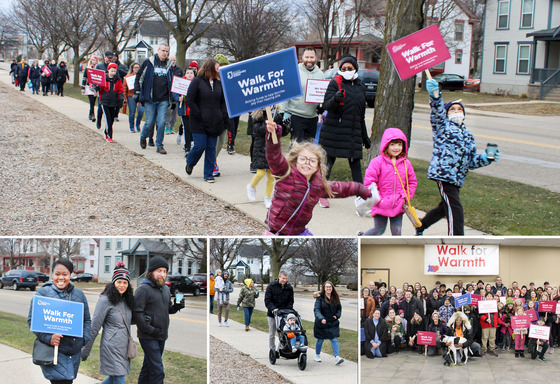
Save the Date: 37th Annual Walk for Warmth Event
Organized by Kent County Community Action, Walk for Warmth is a meaningful event aimed at taking steps, literally, to help Kent County families stay warm this winter. It begins with a brief program before community members hit the pavement for a short, impactful walk. Every dollar raised directly supports local families struggling to afford heat during the coldest months of the year.

|