|
July 2026 Public Health E-Newsletter |
|
 Mosquito Control in Oak Park
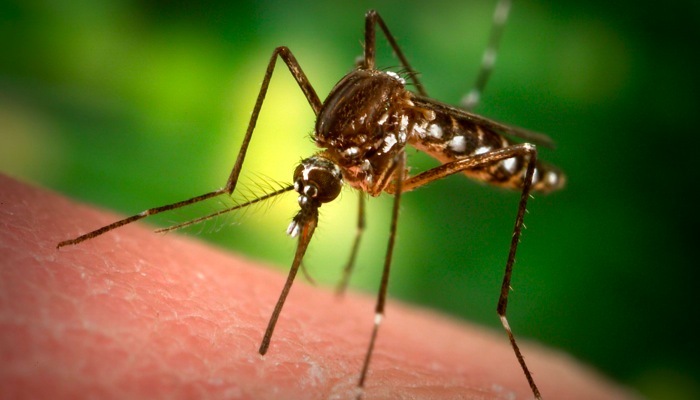
As temperatures rise, so does the risk of West Nile virus, which is spread through the bite of an infected mosquito. While no human cases have been detected yet this summer, by the end of the season last year, Illinois reported 150 human cases of West Nile Virus, with 82 of the cases in Cook County.
You can take steps to keep mosquitoes from breeding on your property and prevent West Nile from spreading to your family members and neighbors. Remember that mosquitoes will breed wherever they can find standing water, so work to eliminate those sources. Make sure to regularly clean roof gutters, store bins and containers containers upside down and empty birdbaths every few days. Wherever you see standing water - dump it out!
Your individual actions add to a larger program to stop the spread of West Nile virus. At the Village and regional level, the Oak Park Department of Public Health and the Des Plaines Valley Mosquito Abatement District use a comprehensive mosquito control program to reduce mosquito populations and limit the risk of West Nile virus. Adult mosquito spraying is used only when necessary and is considered one part of a larger mosquito control plan. The comprehensive strategy includes:
- Routine larval treatments in street catch basins every seven to 10 days to prevent mosquitoes from reaching adulthood
- Identifying and eliminating standing water where mosquitoes breed
- Monitoring mosquito populations through trapping and testing
- Education to help residents reduce mosquito habitats around their homes and protect themselves from bites
When surveillance data show us elevated West Nile Virus activity and an increased risk to public health, the district conducts targeted spraying for adult mosquitoes. In addition, the district will treat catch basins on private property upon request.
How will you know when and where mosquito spraying happens?
Residents who wish to be notified when spraying is scheduled in Oak Park can sign up at www.oak-park.us/notifyme. Notifications are sent by automated phone call, email and/or text message. Individuals without computer access may call 708.358.5694 to provide a phone number for telephone notifications only.
For additional information about spraying operations, visit the Des Plaines Valley Mosquito Abatement District website.
How you can Fight the Bite this summer
The best way to reduce mosquito bites is to eliminate places where mosquitoes breed. Inspect and repair damaged window and door screens and seal openings around air conditioners, dryer vents and other areas where mosquitoes can enter your home. When possible, limit outdoor activities at dawn and dusk, when mosquitoes are most active. If you spend time outdoors, wear long sleeves, long pants, socks and shoes, and apply an EPA-registered insect repellent containing DEET or picaridin according to the product label.
Reduce mosquito breeding around your home
Mosquitoes can breed in as little as a bottle cap of standing water. You can help reduce mosquito populations by:
- Emptying and removing containers that collect water, such as buckets, flowerpots, cans, bottles, toys and wheelbarrows.
- Cleaning gutters and downspouts regularly to prevent standing water.
- Changing the water in bird baths, pet bowls, kiddie pools and other outdoor containers at least once a week.
- Maintaining swimming pools and reporting neglected pools that may become mosquito breeding sites.
- Covering rain barrels with tightly fitted screens.
- Aerating ornamental ponds or stocking them with mosquito-eating fish.
- Properly disposing of old tires, which can collect rainwater and provide ideal mosquito breeding habitat. The Des Plaines Valley Mosquito Abatement District accepts up to four tires from residents for disposal.
Taking a few simple steps around your home can make a big difference in reducing mosquitoes and protecting yourself, your family and your neighbors from mosquito-borne illnesses.
|
|
Opioid overdose training
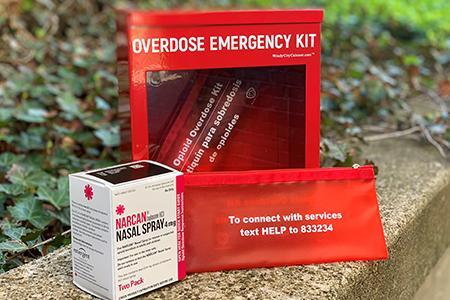
Come join us at 1 p.m. on Saturday, July 18 at the Community Recreation Center (CRC) for a free community training on opioid overdose prevention and the use of Narcan nasal spray. Learn harm reduction principles, how to recognize an overdose and how Narcan works — with hands-on practice included. All participants will receive a free opioid overdose prevention kit.
By learning these life-saving skills, you can be prepared to help anyone experiencing an opioid overdose and also help reduce the stigma around substance use and recovery.
Future trainings are scheduled to take place from 1 to 3 p.m. on Saturday, Sept. 19 and Nov. 14.
|
Leash ordinance
We love to see Oak Park residents sharing the wonderful summer weather with their pets! At this time of year, we also want to remind everyone that Oak Park ordinances require that all dogs that use any street, sidewalk, parkway or public area within the village must be on a leash no longer than 8 feet controlled by the owner.
Dogs can be off leash at two dog parks maintained by the Park District of Oak Park: Maple Park Dog Park and Ridgeland Commons Recreation Complex Dog Park. Both of these designated dog parks are free to Oak Park residents who have obtained a dog park permit. Click here for more information.
|
|
Heat stroke: Know the symptoms
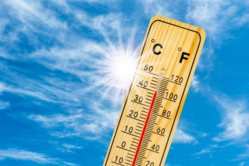
As this week's forecast has shown, extreme heat and heat domes can be part of life in the summer months. Heat stroke is the most serious heat-related illness and is a medical emergency. It occurs when the body can no longer regulate its temperature, causing the core body temperature to rise rapidly. Take heat stroke seriously. Without immediate treatment, heat stroke can damage the brain and other organs and may be life-threatening. Heat stroke often develops from untreated heat exhaustion, but it can also occur suddenly.
Early Warning Signs
- Throbbing headache
- Dizziness or lightheadedness
- Nausea or vomiting
- Muscle weakness or cramps
- Rapid heartbeat or rapid, shallow breathing
- Hot, flushed skin (with or without sweating)
- Confusion, disorientation or unusual behavior
- Loss of consciousness or seizures (severe signs)
What to Do
If you think someone has heat stroke, call 911 immediately. While waiting for emergency responders, move the person to a cool or shaded area, remove excess clothing and begin cooling them with cool water, wet towels, fans or ice packs placed on the neck, armpits and groin. Do not delay medical care — rapid treatment can save a life.
|
Tips for avoiding heat-related illness

As we get into the real heat of the summer, it’s time to remember all the tips and strategies for avoiding heat-related illness while having fun in the sun. Though some of these may seem like no-brainers, it's important to prioritize safety and be proactive when we're at the beach, pool, parks, block parties, picnics and summer camps!
Stay cool – When temps really heat up, avoid spending time in the sun. If you must go out, wear lightweight, light-colored clothing to protect your skin. If you don’t have air conditioning, find a place to cool off, even if just for a couple hours during the day. Here is a list of cooling centers nearby:
- All three branches of Oak Park Public Library serve as cooling centers during regular business hours - click here for hours and locations.
- Oak Park Township Senior Services provides a cooling center for individuals who are 60 and older. Open Monday through Friday from 9 a.m. to 5 p.m., except holidays at 130 S. Oak Park Avenue. Call 708.383.8060 for more information.
- Cook County provides a list of cooling centers - click here to view.
- To see a map of cooling centers in Chicago - click here.
Stay hydrated – Hydrate before you leave the house, carry water with you when you go out and don’t wait until you’re thirsty to drink.
Look out for others – Those most at-risk for heat-related illness are infants and children, adults over 65, people with chronic health conditions, outdoor workers, athletes and people who do not have air conditioning in their home. Check in on your family and neighbors!
Don’t leave anyone (people or animals) in a parked car, even with the windows open. Every year, children die of heatstroke after being left in hot cars. For a visual cue to remind you to never leave your child in their car seat, leave a stuffed animal in your child’s car seat. When you strap in your child, move the stuffy to the front seat. When you notice the stuffy, remember to check the car seat in back.
Signs that a person needs to cool off and hydrate include headache, dizziness, nausea and a racing heart. Seek medical help immediately if the symptoms don’t improve after an hour, if they get worse or if a person becomes confused, vomits or passes out.
|
UV Safety Awareness Month: Stay Sun Safe
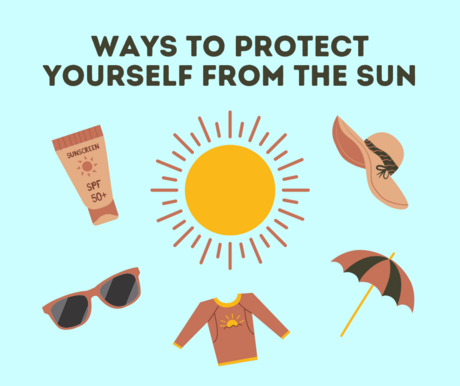
Staying cool and hydrated in the summer heat is important, but it is also important to manage your exposure to the sun's ultraviolet (UV) rays. UV exposure is the leading cause of most skin cancers and can also cause sunburn, premature skin aging, cataracts and other eye damage. The good news is that a few simple habits can greatly reduce your risk while still allowing you to enjoy the outdoors.
-
Apply sunscreen. Use a broad-spectrum sunscreen with SPF 30 or higher and reapply every two hours — or more often if you're swimming or sweating.
-
Seek shade. Whenever possible, stay in the shade, especially between 10 a.m. and 4 p.m., when UV rays are strongest.
-
Cover up. Wear lightweight, long-sleeved clothing, a wide-brimmed hat and UV-blocking sunglasses to protect your skin and eyes.
-
Check the UV Index. A higher UV Index means greater risk of sun damage, even on cool or cloudy days.
-
Avoid tanning beds. Artificial UV radiation increases the risk of skin cancer and premature skin aging.
Remember, sun protection isn't just for the beach! UV rays can reach your skin year-round, even through clouds and when reflected off water, sand, pavement and snow. Making sun safety part of your daily routine can help protect your health for years to come.
|
|
Health items go before the Board of Trustees this month
Two health-related topics will be discussed at Village Board meetings in July. Regular board meetings typically begin at 7 p.m. and are held in the Council Chambers of Village Hall, 123 Madison St. Board meetings are also streamed live. Agendas and supporting materials are posted about a week before each meeting, so check this link to see more details about the meetings as they become available.
Tuesday, July 14: E-bikes and other micro-mobility devices
Tuesday, July 28: Intoxicating hemp
The discussions will focus on local and state regulations for e-rides and intoxicating hemp, as well as the safety risks around each topic. Oak Park has already passed local regulations for intoxicating hemp and is considering regulating e-rides at a local level. We encourage Health Beat readers to be up-to-date on not only the rules and regulations on these issues, but the safety aspects as well. You can learn more about the health concerns with intoxicating hemp here and best practices for safely using e-rides here.
|
|
|
|
|