|
June 2026 Public Health E-Newsletter |
|
Hitting the streets: E-bike safety for you and your family
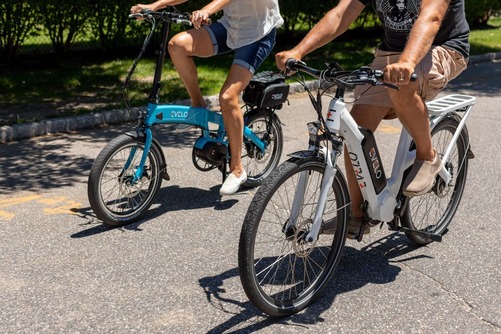
E-bikes and scooters have been a hot topic this summer as the Illinois legislature recently passed a package of new regulations that will take effect next year, and local Oak Park boards and commissions are discussing the local impact. You can read more about the rules and regulations on our Village website.
When it comes to community health, we see both the promise of and precautions necessary when it comes to e-bikes. Traditional bicycles and e-bikes both provide health benefits and can be effective forms of active transportation, but there are some important differences in their health and safety profiles. Both regular bikes and e-bikes increase physical activity and improve cardiovascular health. Though e-bikes require less physical effort than conventional bicycles, riders still engage in moderate-intensity exercise because they must pedal to activate the motor (on most models). E-bikes can be beneficial for older adults, individuals with physical limitations and commuters facing long distances, making cycling more accessible for people who might otherwise drive.
Increased risks
While e-bikes offer many health and transportation benefits, they also present some unique safety considerations. Because e-bikes travel at higher average speeds than conventional bicycles, riders have longer stopping distances and may experience more severe injuries when crashes occur. Research suggests that e-bike crashes are more likely to result in serious injuries, fractures and emergency department visits than crashes involving traditional bicycles. Riders of e-bikes are three times more likely than regular bike riders to suffer a traumatic brain injury in an accident.
These findings highlight the importance of safe riding practices, rider education and infrastructure that accommodates all types of cyclists. Until comprehensive e-bike education programs, infrastructure improvements and regulations are fully implemented, it is especially important for riders to wear a properly fitted helmet, never ride on the sidewalk, learn the rules of the road and consistently follow them.
Safety first
How can you reduce this risk of crashes?
- Ride predictably
- Signal your intentions clearly intentions
- Operate in a manner that other road users can anticipate. For example, follow traffic laws and stop at stop signs and traffic lights.
Safe riding practices help create a safer environment for pedestrians, motorists and fellow cyclists. However, even the most skilled cyclist cannot eliminate all risks. Riders should remain alert and defensive, recognizing that distracted driving remains a significant hazard. No level of bike-handling ability can fully compensate for the actions of an inattentive driver. Always wear a helmet to help protect your head in case of an accident.
|
|
ICYMI
Thank you to everyone who stopped by the Public Health Department table at A Day in Our Village! We enjoyed connecting with residents, sharing information about tick and mosquito prevention, tick removal, sharps collection and emergency preparedness! It was great to hear your thoughts about the issues that matter most to you.
Events like A Day in Our Village provide valuable opportunities to engage with the community, answer questions and strengthen partnerships that support the health and well-being of all Oak Park residents. We appreciate your interest, participation and commitment to making Oak Park a healthy, vibrant and connected community.
|
The 2026 Farmers' Market kicks off!
The Oak Park Farmers’ Market has officially opened for the 2026 season and will be held every Saturday from 7 a.m. to 1 p.m. through November 14 (two extra weeks!) in the Pilgrim Church parking lot at 460 Lake Street.
The market provides residents with access to fresh, locally grown produce and other farm products while supporting healthy eating and local agriculture.
Throughout the season, visitors can enjoy special events including Go Green Days in May, the annual Corn Roast in August, a Pie Bake-off in September and the popular Stone Soup event on the final market day in November. Check out the Farmers' Market webpage for more information.
|
|
Suicide Awareness Summit 2026
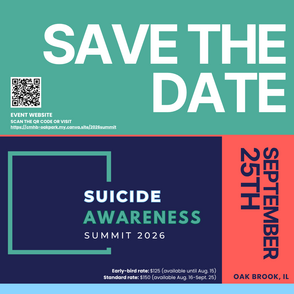
Join us for the Suicide Awareness Summit on Friday, Sept. 25 at the Hyatt Lodge Conference Center in Oak Brook.
Register today to ensure you take advantage of early bird pricing!
The Village of Oak Park is collaborating with other local organizations to create a day of learning, connection and action in suicide awareness and prevention. Be part of this meaningful event and help advance education, collaboration and empowerment in suicide awareness!
Attendees can earn up to 5 CEUs (Illinois social workers and counselors) or 5 CEUs/PDHs (Illinois educators), explore exhibitor tables and connect with colleagues.
Early-bird rate: $125 (available until Aug. 15)
Standard rate: $150 (available Aug. 16-Sept. 25)
Learn more about the event at the summit website.
|
Meet the Lone Star tick
As warmer weather brings more time outdoors, it's important to be aware of ticks that may be found in Illinois — including the Lone Star tick (Amblyomma americanum). Adult female Lone Star ticks are easily identified by the distinctive white dot on their backs, while males have scattered white markings along the edges of their bodies. Unlike some tick species that wait for a host to pass by, Lone Star ticks actively seek out people and animals by detecting body heat, movement and carbon dioxide.
Lone Star ticks are becoming increasingly common in Illinois and have been associated with illnesses such as ehrlichiosis and tularemia, as well as alpha-gal syndrome, a condition that can cause an allergy to red meat following a tick bite.
To reduce your risk of tick bites:
- Use EPA-registered insect repellent
- Wear long sleeves and pants in wooded or grassy areas
- Perform a full-body tick check after spending time outdoors
- Check children and pets for ticks
- Shower soon after coming indoors
Taking a few simple precautions can help you enjoy the outdoors while staying safe from tick-borne diseases.
|
|
Summer safety reminders
Summer is a great time to enjoy the outdoors, but it's also important to take steps to protect your health and safety. Keep these tips in mind throughout the season:
-
Stay Hydrated – Drink plenty of water, especially during hot weather and outdoor activities. Don't wait until you're thirsty to hydrate, and limit beverages that can contribute to dehydration.
-
Practice Sun Safety – Use sunscreen with SPF 30 or higher, wear protective clothing and sunglasses, and seek shade during peak sun hours (10 a.m. to 4 p.m.). Reapply sunscreen every two hours and after swimming or sweating.
-
Be Safe Around Water – Never leave children unattended near pools, lakes or other bodies of water. Designate a responsible adult to supervise swimmers, and ensure children and inexperienced swimmers wear properly fitted life jackets when appropriate.
-
Wear a Helmet – Whether biking, skateboarding, rollerblading or riding a scooter, always wear a properly fitted helmet to reduce the risk of serious head injuries.
-
Handle Food Safely – Keep cold foods cold and hot foods hot, especially during picnics and cookouts. Wash hands before preparing food, avoid cross-contamination between raw and cooked foods, and use a food thermometer to ensure meats are cooked to a safe temperature.
-
Prevent Heat-Related Illness – Take breaks in the shade or air conditioning, wear lightweight clothing, and watch for signs of heat exhaustion and heat stroke, especially among children, older adults and outdoor workers.
-
Protect Against Insects – Use EPA-registered insect repellent and check for ticks after spending time outdoors to help prevent mosquito- and tick-borne diseases.
A few simple precautions can help ensure a healthy, safe and enjoyable summer for everyone.
|
|
|
|
|