|
July 2024 Public Health E-Newsletter |
|
Shades of Mental Health
"Culturally competent mental health care shouldn’t be a luxury; it should be the norm in our society."
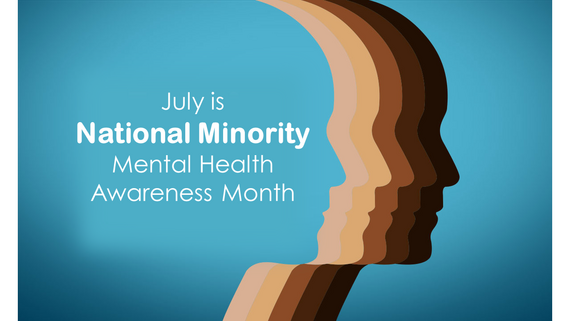
July marks National Minority Mental Health Awareness Month, also referred to as BIPOC (Black, Indigenous, and People of Color) Mental Health Month. This observance shines a light on the distinct mental health challenges experienced by racial and ethnic minority communities in the United States. Established in 2008, the month pays tribute to Bebe Moore Campbell, an author and advocate whose works explored the intersections of racism, mental health and family dynamics.
The National Alliance on Mental Illness, or NAMI, recognizes this month each year and has created resources for many minority communities to address mental health issues and support different BIPOC communities.
|
|
ICYMI
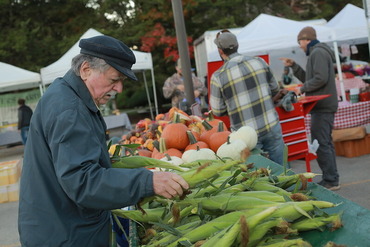
We enjoyed the music, food and community spirit of the Village's Juneteenth celebration on the South Lawn on Saturday, June 15. Public Health Department staff offered delicious heart-healthy recipes, easily made with produce from the Oak Park Farmers' Market. We raffled off free baskets of ingredients for three lucky winners!
|
Successful blood drive
A big thank you to the 22 community members who donated at our blood drive on June 25! These donations have the potential to save 66 lives. Our blood drive was one of many working to address the national blood shortage, as the U.S. is facing the lowest number of people giving blood in 20 years. If you missed our drive, check out other local blood drives on the Red Cross website.
|
|
Vote for the Oak Park Farmers' Market
Voting has begun to find the Nation’s Favorite Farmers’ Market and we encourage you to vote for the Oak Park Farmers' Market! Our Market is in its 49th continuous year of providing access to fresh, local food and serving as a treasured community gathering spot. Voting is open throughout July. Share the link with other Market enthusiasts. The Market, located in the Pilgrim Church parking lot at 460 Lake St., is held from 7 a.m. to 1 p.m. every Saturday through Oct. 26.
Partner spotlight: The Collaboration for Early Childhood

This month we're highlighting our work with the The Collaboration for Early Childhood, also known as the Collab.
The Collab is a community-focused organization dedicated to supporting the holistic development of children from birth to age five. Its primary goal is to create a comprehensive and equitable support system for young children by bringing together various stakeholders, including families, local organizations, early childhood educators, caregivers and health providers. Its four primary service areas include:
Throughout the year, Public Health Department staff provide infection prevention education and public health training for Collab members.
|
Illinois animal shelter fees waived for veterans

Illinois veterans can now adopt pets without paying fees. New Illinois legislation requires animal shelters and control facilities across the state to waive adoption fees for military veterans, which typically range from $50 to $275. This initiative aims to support veterans' well-being by facilitating pet ownership and recognizing the mental health benefits and improved quality of life that come from the human-animal bond.
Our Animal Control Officer works closely with the Animal Care League in Oak Park, which welcomes veterans to find a pet and provide them with a forever home.
|
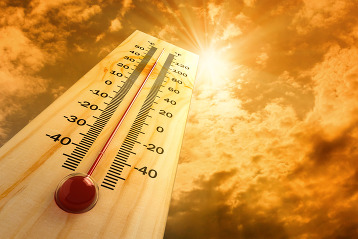
Beat the heat
As we enter the peak of summer's intensity, it's crucial to recognize that heat-related illnesses pose genuine risks, but numerous strategies exist to protect yourself. Check out our tips below for staying safe!
-
Stay cool – When temps really heat up, avoid spending time in the sun. If you must go out, wear lightweight, light-colored clothing. If you don’t have air conditioning, find a public place that is air conditioned to cool off, even if just for a couple hours during the day.
-
Stay hydrated – Hydrate before you leave the house, carry water with you when you go out, and don’t wait until you’re thirsty to drink.
-
Look out for others - Those most at-risk for heat-related illness are infants and children, adults over 65, people with chronic health conditions, outdoor workers, athletes and people who do not have air conditioning in their home. Check in on your family and neighbors!
-
Don’t leave anyone (people or animals) in a parked car, even with the windows open. Interior car temperatures can climb to more than 100 degrees in as little as 15 minutes, even when outdoor temperatures are less an 90 degrees. When your child is in the back seat, leave your purse/bag/wallet in the back with them so you won't forget they're there.
Signs that a person needs to cool off and hydrate include headache, dizziness, nausea and racing heart. Seek medical help immediately if the symptoms don’t improve after an hour or get worse or if the person becomes confused, vomits, or passes out.
|
|
Ask the Public Health Department
Q: What exactly is "public health"? How is it different from "health care"?
A: Public health promotes and protects the health of communities and populations by investigating the factors that affect health, including: widely-held beliefs and behaviors, social norms, disease outbreaks, community resources and policy. Public health professionals research solutions based on evidence, develop programming grounded in public health theory and frameworks, collaborate with subject matter and practice-based experts, and perform monitoring and evaluation of public health programming. Public health issues include anything that affects the morbidity and mortality of the population.
The health care industry treats people who are sick, while public health aims to prevent people from getting sick or injured in the first place. Public health also focuses on entire populations, while health care focuses on individual patients.
|
|
|
|
|