 Take appropriate precautions this respiratory virus season as RSV, COVID-19, and the Flu start to circulate more. Help prevent the spread by:
- Getting vaccinated
- Staying home if you are sick
- Washing your hands often with soap and water
- Covering your coughs and sneezes
- Wearing a mask around others if you or someone else is sick
Community members can check respiratory activity levels and hospital visits in Lake County by visiting our Respiratory Disease Dashboard, part of our Communicable Disease Data Hub.
Contact your healthcare provider with any questions about your eligibility for respiratory virus vaccines and to schedule an appointment to get vaccinated. For vaccination locations, visit IDPH’s vaccine locator or your local pharmacy.

Residents should be aware of a scam targeting pet owners searching for lost animals. Individuals are impersonating Lake County Animal Care and Control and other local organizations to exploit individuals during emotionally difficult situations.
In reported cases, scammers contact people who have recently posted online about a missing pet and falsely claim the animal has been found. They then allege the pet has severe, life-threatening injuries requiring emergency surgery or say payment is required to retrieve the pet. The caller demands a large sum of money and pressures the owner by threatening euthanasia, release, or loss of custody if payment is not made immediately.
Residents are urged to remain calm if they receive a call from a suspected scammer and verify any such claims directly with the source through official channels.
-
Watch out for common red flags. If you get a message or call that includes any of the features below, be cautious, as it may be a scam:
- Pressure to send money quickly
- Reluctance/inability to provide detailed information and/or contact information
- Threats regarding your pet
- Excuses about why you can’t see your pet in person
-
Verify the claim by contacting the organization directly. Use a publicly listed phone number from an official website, not the number that called you.
-
Report the scam to your local police department if you believe you are targeted.
The Health Department’s Animal Care and Control can be reached at 847-377-4700 Monday through Friday from 8:30 a.m. to 5 p.m.
|
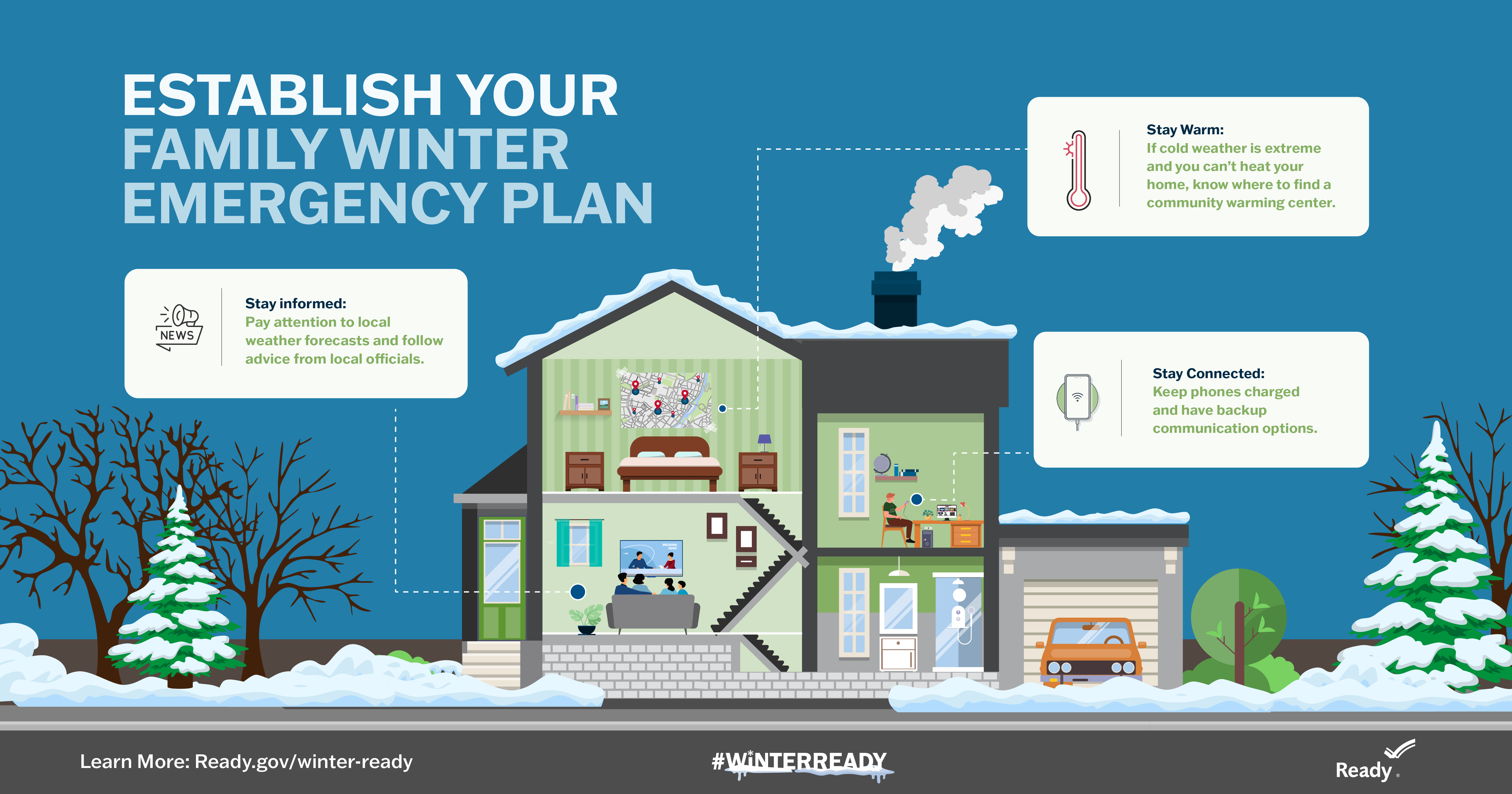
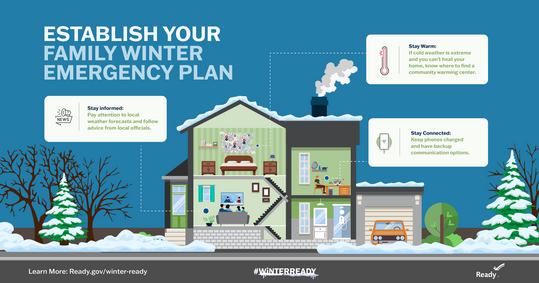 Illinois Winter Weather Preparedness Week, November 9-13, 2026, serves as a reminder to stay ahead of winter weather by preparing your home and car and being ready for emergencies. Don’t forget to include your pets! Make sure they have a warm, dry place to rest with plenty of food and water. Know how to prepare your home and car, and be ready for emergencies by:
- Stocking food that doesn’t need to be cooked or refrigerated
- Making sure your phone is always charged
- Checking the weather forecast when traveling
- Keeping an emergency kit in your home in case the power goes out
Visit ready.gov for more winter weather preparedness tips.
Food Safety Tips

Whether you are hosting Thanksgiving this year or bringing a side to dinner, keep yourself, your family, and your friends healthy this holiday season by safely handling, preparing, and serving food. Avoid foodborne illness by following the Four Steps to Food Safety:
- Clean: Wash your hands and surfaces often
- Separate: Don’t cross-contaminate
- Cook: Check that food has reached the right temperature
- Chill: Refrigerate promptly
Visit the CDC for Thanksgiving food cooking tips.
|
Talk to Your Family About Their Health History

Thanksgiving Day is National Family Health History Day! Whether you are together for Thanksgiving Day or have an extended visit coming up, take time to create an accurate record of your family’s health history. Knowing your family’s health history helps you better understand your risk for certain conditions that may run in your family.
The My Family Health Portrait, from the Surgeon General, is a popular tool that helps you collect information about your family's health history while also assessing your risk for certain conditions.
|
National Diabetes Awareness Month
In the United States, about 1 in 8 Americans has diabetes; most have type 2. National Diabetes Awareness Month aims to raise awareness through education and encourage early detection and screening. Diabetes can damage the eyes, kidneys, nerves, and heart, and it is linked to some types of cancer. There are three types of diabetes:
- Type 1 diabetes: the body makes little or no insulin. A person has to take insulin every day, and it is unknown how to prevent type 1 diabetes.
- Type 2 diabetes: the body doesn’t use insulin well and can’t keep blood sugar at normal levels. This can be prevented or delayed with healthy lifestyle changes.
- Gestational diabetes: the body can develop gestational diabetes while a woman is pregnant and usually goes away after the baby is born.
In the last 20 years, the number of adults diagnosed with diabetes has more than doubled. Did you know that prediabetes can lead to type 2 diabetes and other long-term health risks, including heart attack and stroke? More than 2 in 5 American adults have prediabetes, yet many don't know they have it, and more children, teens, and young adults are developing type 2 diabetes than in the past. Type 2 diabetes can be prevented or delayed with lifestyle changes.
Talk to your healthcare provider to learn if you are at risk for diabetes and how to take steps to improve your health.
Visit the CDC’s Diabetes page to learn more.
|
 |
National Alzheimer’s Disease Awareness Month
Alzheimer’s is a progressive brain disorder that is not a normal part of aging. Over 7 million Americans are living with Alzheimer's, and by 2050, this number is projected to rise to nearly 13 million. Alzheimer’s disease is the most common type of dementia, with early symptoms typically appearing after age 60, and the risk increases with age. Learn the 10 warning signs of Alzheimer’s.
It is not yet fully known what causes Alzheimer's disease, but there are healthy lifestyle habits that can lower your risk of developing dementia, including Alzheimer's disease.
Visit the CDC to learn more about Alzheimer’s.
|
|
U.S. Antibiotic Awareness Week
Antibiotics can be lifesaving, but they can also be harmful. U.S. Antibiotic Awareness Week, observed annually from November 18-24, highlights the importance of using antibiotics and antifungals appropriately. Antibiotics only treat certain infections caused by bacteria, such as:
- Strep throat
- Whooping cough
- Urinary tract infection (UTI)
Some bacterial infections, such as many sinus infections and some ear infections, do not require antibiotics.
Antibiotics DO NOT treat viruses like the common cold, flu, RSV, or COVID-19. Other medications, like antivirals, can treat viruses. However, respiratory viruses usually go away in 1-2 weeks without treatment. Learn more about what antibiotics do and do not treat.
If you are sick, ask your healthcare professional about the best way to feel better while your body fights off the virus. For more information about antimicrobial resistance and how it relates to animal health and agriculture and the environment, visit the CDC’s U.S. Antibiotic Awareness Week page.
|
|

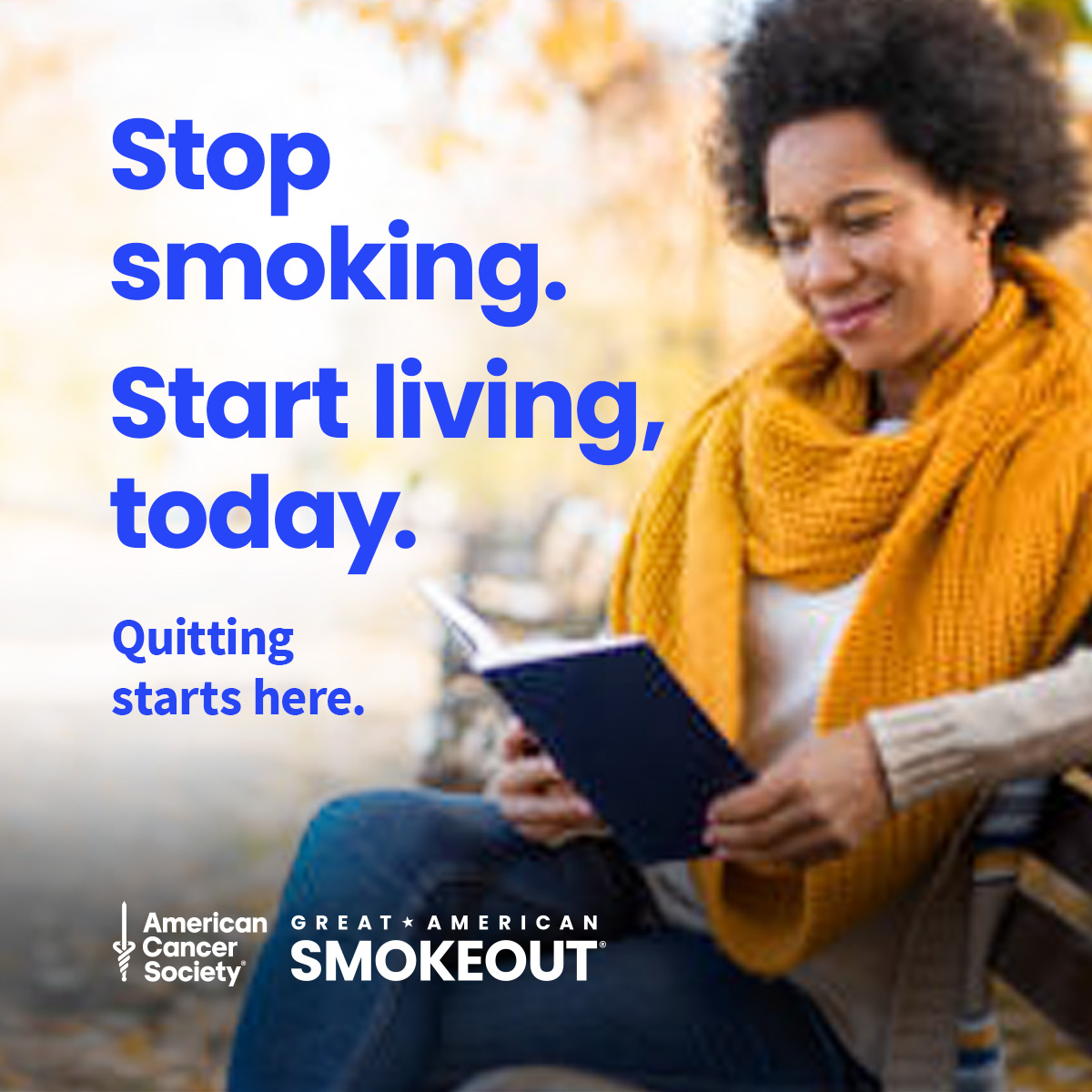
The Great American Smokeout
The Great American Smokeout occurs annually on the third Thursday in November. Quitting smoking isn’t easy. It takes time. And a plan. You don’t have to stop smoking in one day. Start with day one. You can set a day to quit as soon as tomorrow or up to 30 days from now. Be sure to give yourself enough time to come up with a quit plan, but not so much time that you’ll change your mind. Quitting tobacco is beneficial at any age. No matter your age, you will feel the benefits of quitting smoking right away, and those benefits will continue to grow over time.
Smoking remains the single largest preventable cause of death and illness in the world. On November 19, join many people across the country in taking the path towards a healthier life and reducing your cancer risk.
Get help quitting smoking by calling (847) 377-8090 or visiting lakecountyquits.com.
|
Where do I find information about...
Who can I contact to ask a question about...
-
Lake County Health Department Services: Call (847) 377-8000
-
COVID-19 in Illinois: Contact the Illinois Department of Public Health at 1-800-889-3931 or DPH.SICK@ILLINOIS.GOV
|