Protect yourself and your loved ones against respiratory viruses. With the weather changing (leading to more indoor events) and school back in session, now is the best time to protect yourself from severe illness, hospitalization, and death by getting your annual flu shot, updated COVID-19 vaccine, and RSV vaccine (if eligible).
Immunizations remain safe, effective and one of the best ways to reduce your risk of serious illness from respiratory viruses.
IDPH released their 2026–2027 respiratory virus immunization guidance for flu, COVID-19 and RSV:
- Flu: Recommended for everyone 6 months and older.
- RSV: Recommendations vary by age, pregnancy status and risk factors.
- COVID-19: Recommended for children, adults, pregnant people and those planning pregnancy, with recommendations varying by age and individual circumstances.
These recommendations were developed with the Illinois Immunization Advisory Committee, a group of experts in infectious diseases, pediatrics, family medicine, obstetrics and gynecology, nursing, pharmacy and public health.
Please talk to your or your child’s healthcare provider if you have any questions about eligibility or would like more information. Use the IDPH Vaccine Locator Dashboard to find a vaccination location near you.
|
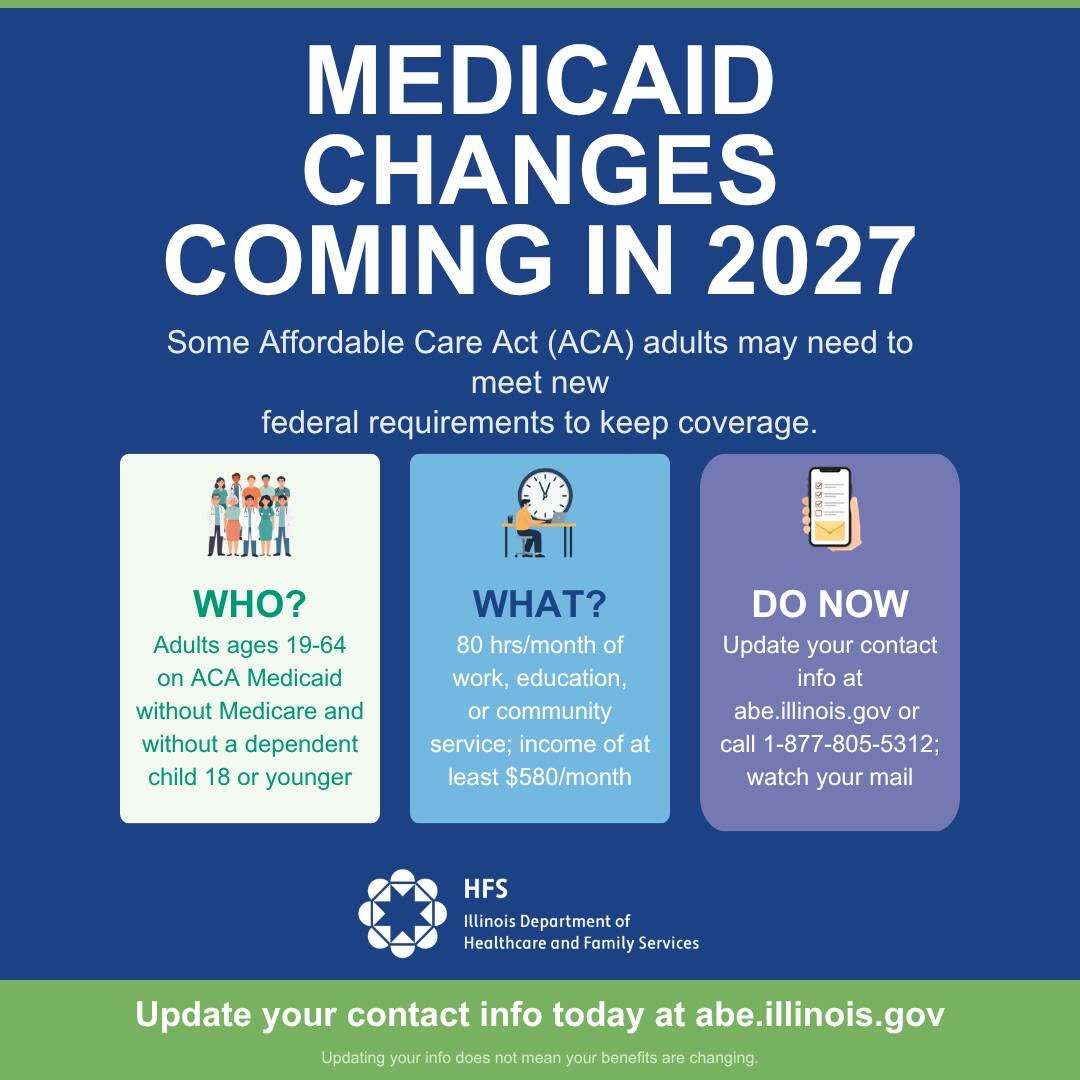 New federal Medicaid rules will change coverage and eligibility rules for some people starting in 2027. Those affected will get a notice sent to them directly if any action is needed.
What is changing?
- Beginning in 2027, federal law requires some adult Medicaid customers to comply with or be exempted from brand new work requirements.
- At the same time, redetermination periods will go down from 12-months to 6-months for these customers.
The new federal law affects the Affordable Care Act Medicaid eligibility group (“ACA Adults”), who are generally people ages 19-64, who don’t have dependent children under 18 at home, and who are not on Medicare.
To update your information, visit abe.illinois.gov and click "Manage My Case," or fill out the Medicaid Address Change Form.
For more detailed information about these changes, please refer to the Illinois Department of Healthcare and Family Services.
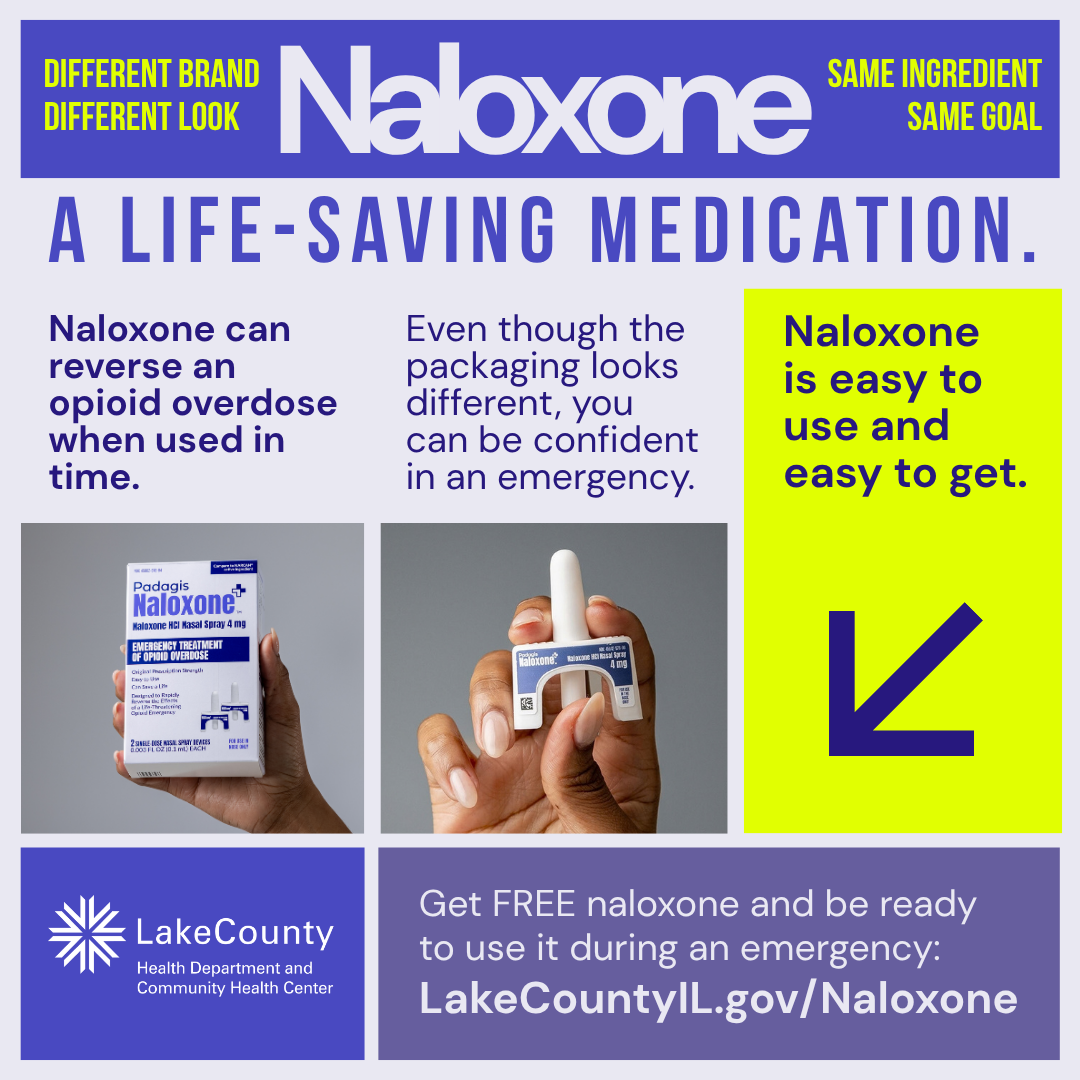
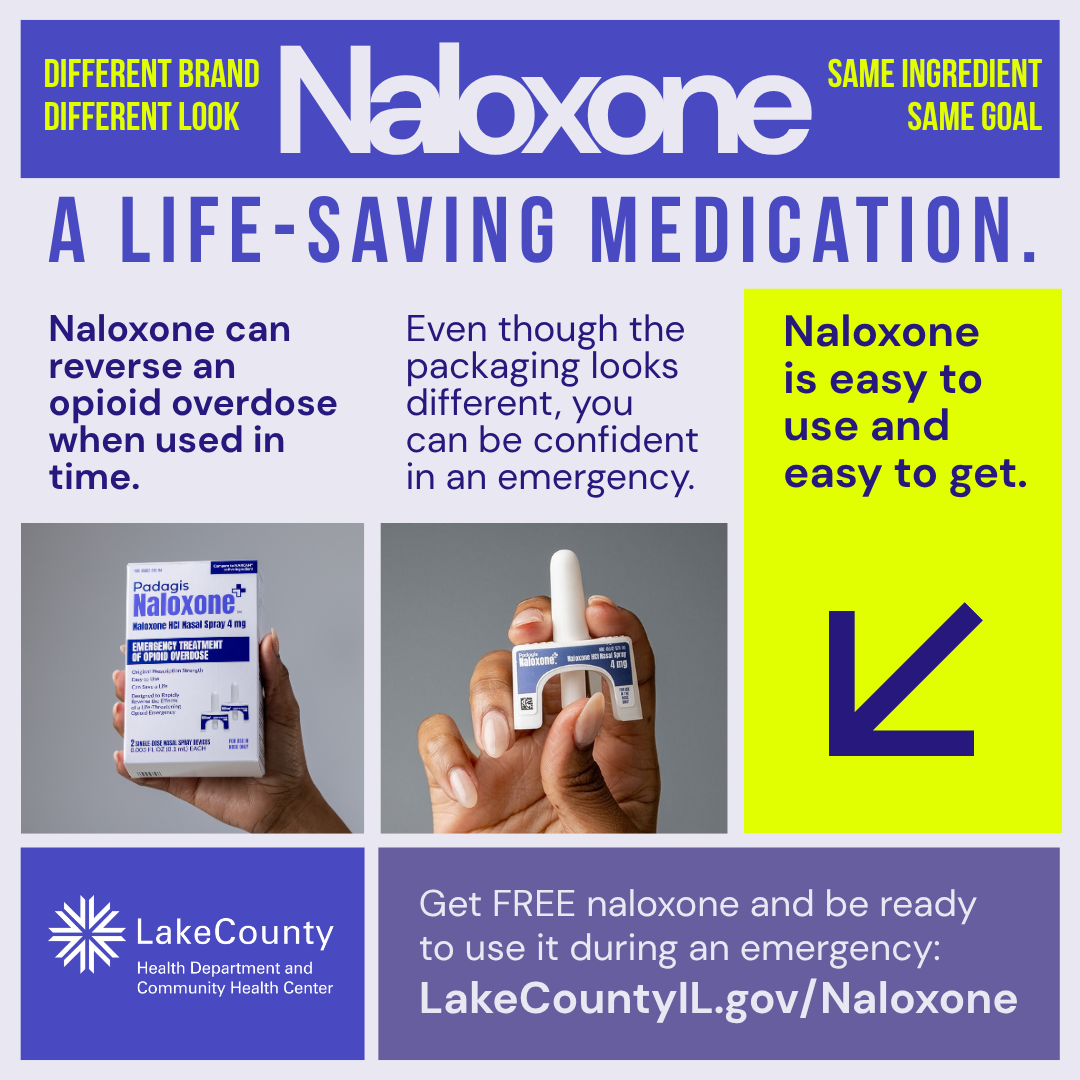 The state of Illinois recently changed the brand of naloxone it uses from Narcan to Padagis. The medication naloxone is the same; it is just being distributed under the new name “Padagis.” Naloxone is a lifesaving, non-addictive medication, administered as a nasal spray, that can reverse the effects of an opioid overdose when used in time. If you or someone you care for uses opioids, it is especially important to carry naloxone and know how to use it.
Naloxone is available for free to Lake County residents and community members. Visit the Health Department's Naloxone Saves Lives page to learn more about naloxone and place an order today!
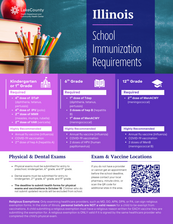
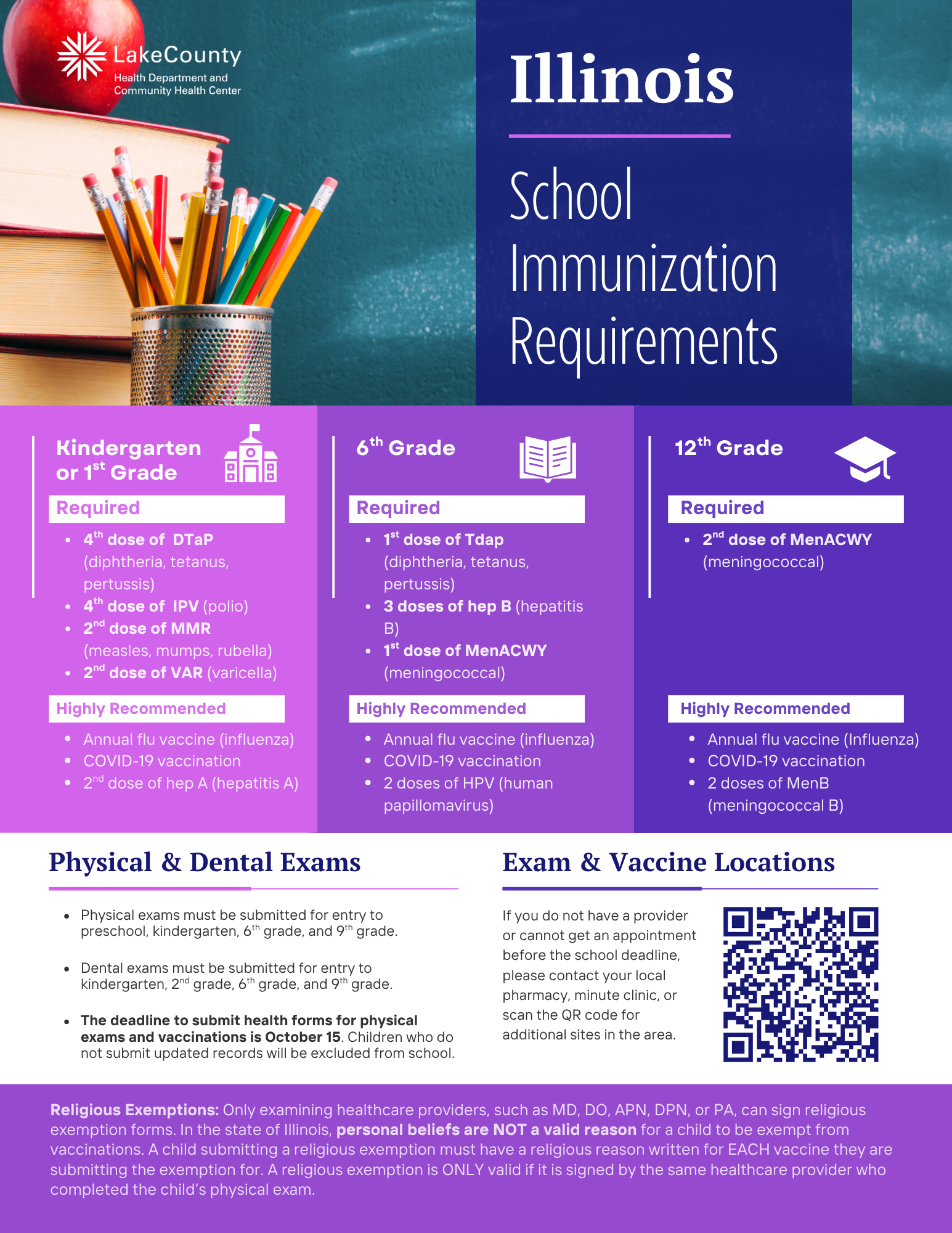
The deadline to submit health forms for physical exams and vaccinations is October 15. Children who do not submit updated records will be excluded from school.
Physical exams must be submitted for entry to preschool, kindergarten, 6th grade, and 9th grade. Dental exams must be submitted for entry to kindergarten, 2nd grade, 6th grade, and 9th grade.
Contact your healthcare provider or local healthcare site to get your child's healthcare records updated. If you do not have a provider or cannot get an appointment before the school deadline, please contact your local pharmacy, minute clinic, or one of these listed sites.
|
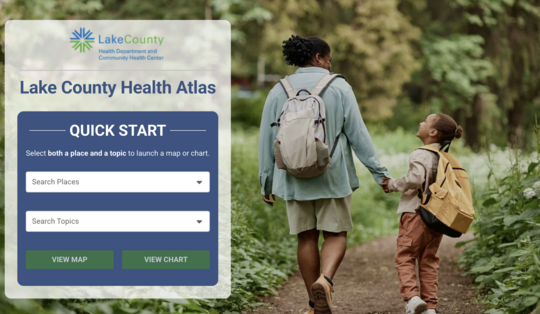 We’re excited to introduce the Lake County Health Atlas, a new online tool that makes local health data easier to find, explore, and understand.
Made possible through the generous support of our partners in the Live Well Lake County Network, the Atlas gives staff, residents, community organizations, health care providers, educators, and local leaders access to data that can help us better understand community needs, plan programs, and make informed decisions.
With interactive maps, charts, and dashboards, you can:
- Explore health trends across Lake County.
- Compare data over time and across communities.
- View data by county, city, ZIP code, or neighborhood.
- Explore data by age, race and ethnicity, and gender.
- See how community factors, such as access to hospitals, schools, parks, grocery stores, and other resources, may affect health.
By bringing health and community data together, the Atlas can help us identify needs, understand differences across communities, and find opportunities to improve health.
We invite you to explore the Lake County Health Atlas and discover how local data can help us build a healthier Lake County for everyone who lives, works, and plays here.
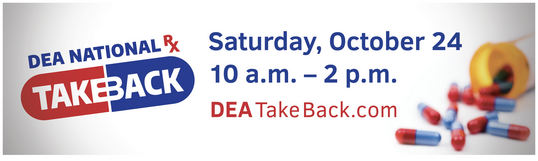 It’s that time again to go through your medicine cabinet. If you have medicine you haven’t used, no longer need, or that's expired, bring it to the upcoming National Take Back Day on Saturday, October 24, 2026. This annual event is a safe, convenient, and responsible way to dispose of prescription drugs at locations in your community.
Visit Take Back Day to find a nearby collection location.
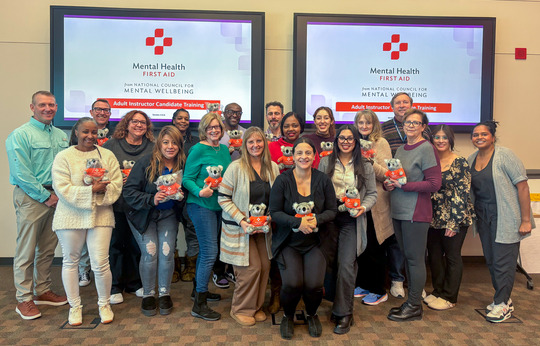 Group photo from a MHFA training in January 2026
We are sad to announce that due to funding cuts, our Mental Health First Aid (MHFA) program grant through SAMHSA has come to an end. We are proud of the many community members who participated in a MHFA course, as it has benefited them and the communities they serve. We also want to thank and recognize our Mental Health First Aid Coordinator, Phil Deruntz, and Grant Evaluator, Sarah Foote, for their passion and the hard work they have put into this program. As a result of this grant program, 232 instructors were trained to lead classes in Lake County, and 3,707 individuals were trained in MHFA (3,165 in Adult MHFA and 542 in Youth MHFA). Those trained participants have resulted in 15,459 individuals referred to mental health care.
If you or your organization are interested in the Mental Health First Aid Training and were planning to reach out, please refer to the Mental Health First Aid website to find a training near you.
Help and support is still available. If you or someone you know is experiencing a mental health crisis, call or text 988 or visit our Crisis Care Program page for more resources.
 |
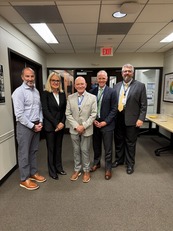
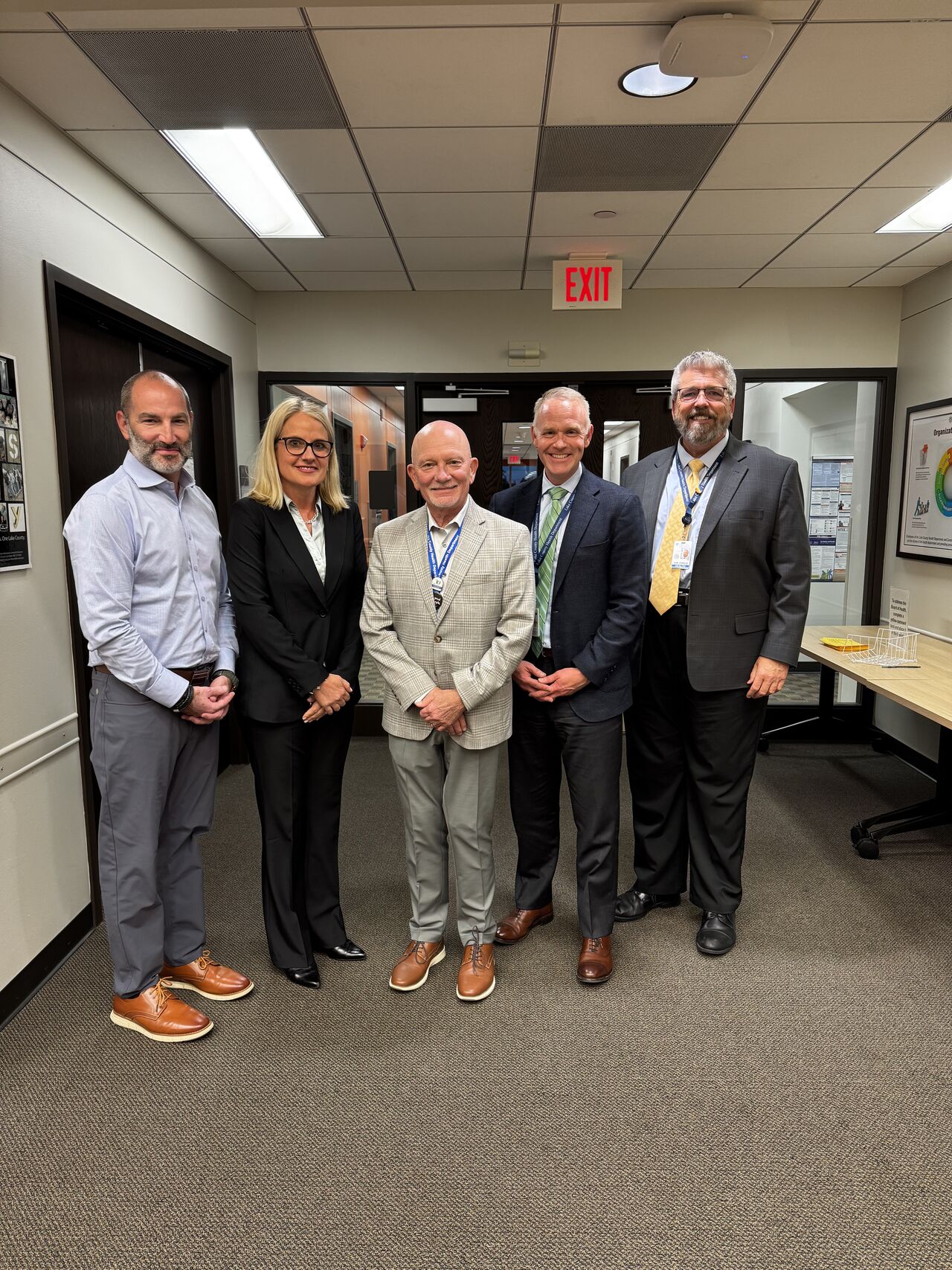
We are excited to announce that the Lake County Board recently appointed three new members to the Board of Health:
-
Dr. Ben Feinzimer, DO, an emergency medicine physician with Endeavor Health who also serves as the EMS medical director for multiple area fire departments;
-
Dr. Mary Faith Terkildsen*, MD, a Sexual Health and Menopause Specialist at Beyond Gyne Health; and
-
Dr. Mary Roberson, EdD, the founder and CEO of the Northern Illinois Recovery Community Organization (NIRCO) in Waukegan, who has spent nearly three decades in behavioral health advocating for substance-use recovery and mental health and serves on the Lake County Opioid Initiative and Drug Court Team.
As we welcome our new Board of Health Members, we also want to thank our departing members, Dr. Sylvia Johnson Jones, Lucille Devaux, and Dr. Rachel McDowell, for their service to the Health Department and our community.
|
*A previous edition of Healthy Lifestyle incorrectly stated that Dr. Mary Faith Terkidsen currently works at Endeavor Health/NorthShore. We apologize for any confusion.
|
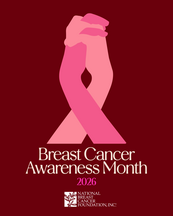
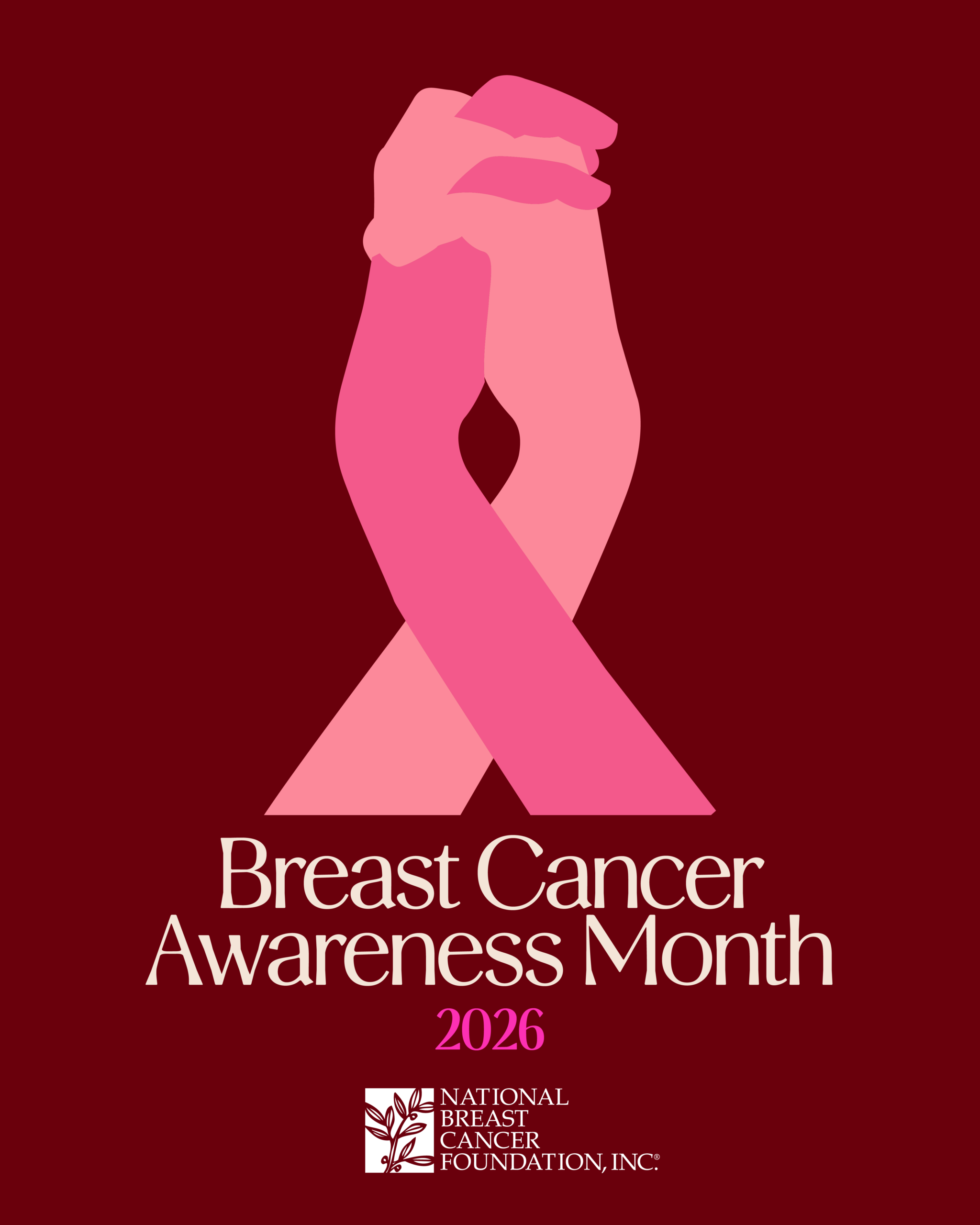
Breast Cancer Awareness Month
With 1 in 8 women in the United States getting diagnosed with breast cancer in their lifetime, Breast Cancer Awareness Month continues to serve as an important time to increase awareness of breast cancer, emphasize the importance of early detection, and support those affected.
Early detection of breast cancer can make it easier to treat. It is recommended that women who are 40 to 74 years old and are at average risk for breast cancer get a mammogram every 2 years. Talk to your healthcare provider about the best screening plan for you.
Eligible Lake County women can receive free breast and cervical cancer screenings through the Illinois Breast and Cervical Cancer Program (IBCCP), located at the Lake County Health Department. Visit the Health Department’s Breast & Cervical Cancer Screening page for more information.
|
National Lead Poisoning Prevention Week
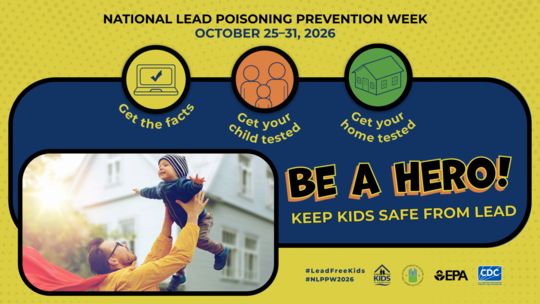 The U.S. Department of Housing and Urban Development (HUD) estimates that 3.3 million U.S. families with a child under age six live in homes with conditions that could expose their children to lead-based paint hazards. Lead poisoning remains a serious threat to children's health. Even very low levels of lead can cause developmental, behavioral, and learning difficulties.
You can take steps to prevent lead exposure today by:
- Getting the facts: Lead is still a problem in many communities. Learn about lead exposure, lead hazards, and how you can protect you and your family.
- Getting your child tested: A blood test is the best way to find out if your child has lead poisoning. Effective July 1, 2026, all Illinois children are to be tested for lead poisoning at ages 12 and 24 months. Talk to your child’s healthcare provider about getting a blood lead test if your child may have been exposed to lead.
- Getting your home tested: Minimize your risk of lead exposure by hiring a certified professional to test your home for lead if it was built before 1978.
Read the IDPH press release for more information about the new Illinois universal childhood blood lead testing requirements. Parents of children with elevated blood lead levels in Lake County can contact the Health Department’s Childhood Lead Poisoning Prevention program.
|
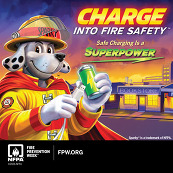
Fire Prevention Week
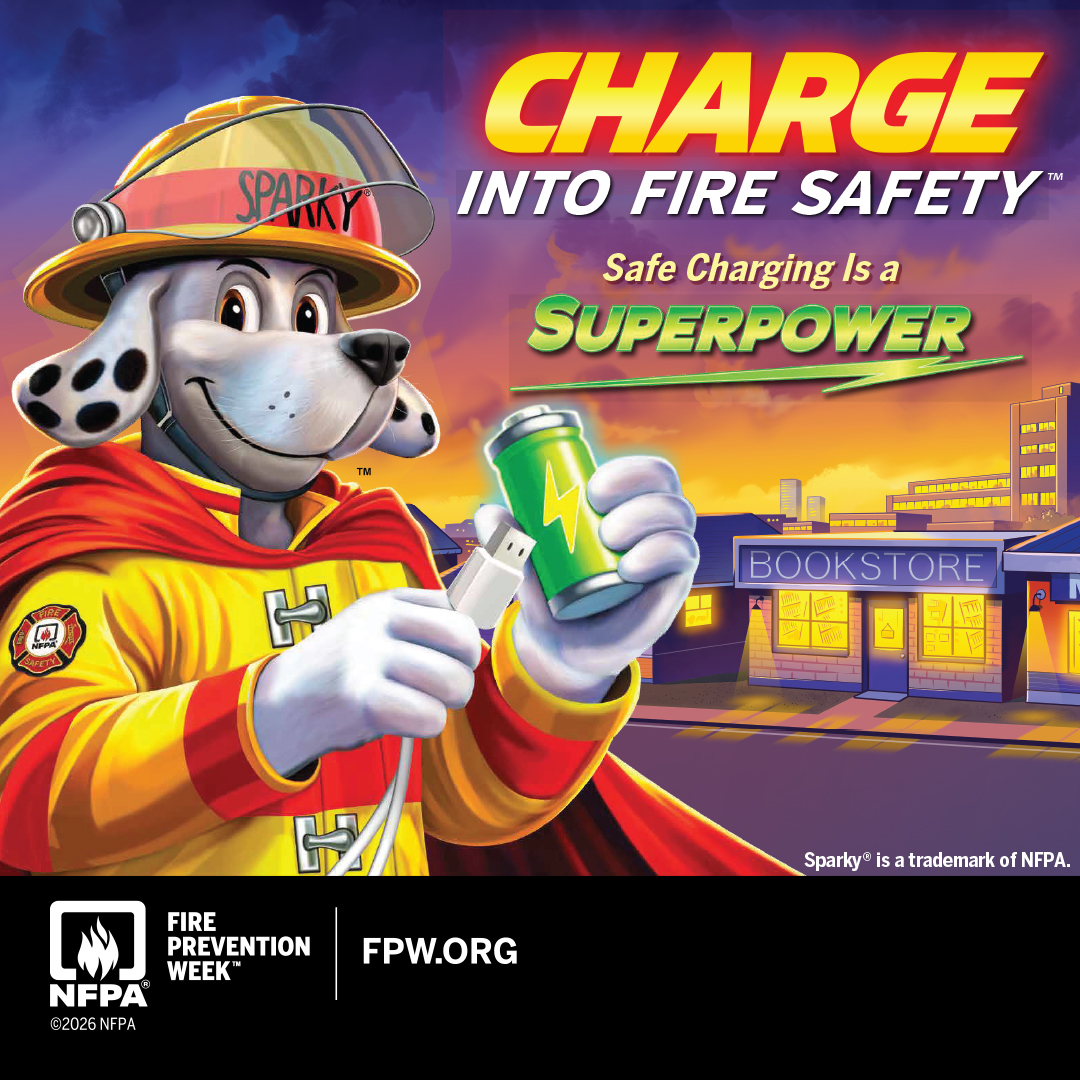
Fire Prevention Week is observed each year during the week of October 9 in commemoration of the Great Chicago Fire. This year’s theme, “Charge Into Fire Safety. Safe Charging Is a Superpower,” focuses on the everyday charging habits that can help reduce the risk of lithium-ion battery fires and keep homes and communities safer.
Make sure to only charge your devices on a hard, flat surface like a table, desk, or floor. Beds, couches, and pillows can trap heat and block airflow, which can cause a battery to overheat. Stop using a hot device right away. If you can, move the device away from anything that can catch on fire.
Prevent Fires Caused by Smoking
Most fires caused by smoking materials start on beds or furniture, or in trash. If you use e-cigarettes, never charge them unattended. Battery failures have led to small explosions. Know the steps to take to keep yourself and your family safe from fire.
The Health Department's Tobacco Free Lake County program offers resources and support to those looking to quit smoking. To make an appointment or to ask about the services below, call 847-377-8090 or email TFLC@lakecountyil.gov.
|
|
National Hispanic Heritage Month
Every year, from September 15 to October 15, National Hispanic Heritage Month takes place as a time to recognize and celebrate the many contributions, diverse cultures, and extensive histories of the American Latinx community. It is also a moment to recognize the importance of supporting healthy communities by promoting prevention and access to trusted health information for everyone. Prioritize your health by implementing healthy lifestyle choices like eating real, whole foods, getting enough sleep, and staying physically active to prevent serious chronic health conditions.
Visit the HHS Office of Minority Health (OMH) to learn more about making healthy choices.
|
|
Domestic Violence Awareness Month
Domestic Violence Awareness Month is held each October to unite everyone across the nation to join efforts to end domestic violence. An average of 24 people per minute are victims of rape, physical violence or stalking by an intimate partner in the United States — that’s more than 12 million women and men over the course of a single year.
If you or someone you know needs help, you don't have to navigate it alone; resources are available in Lake County and nationally. Resources available in Lake County include A Safe Place. Their crisis line, 800-600-SAFE (7233), is available 24 hours a day, 365 days a year. You can also visit the National Domestic Violence Hotline for more information and resources. You can contact them by phone (Call: 800-799-SAFE (7233) or text START to 88788) or through live chat.
|
Where do I find information about...
Who can I contact to ask a question about...
-
Lake County Health Department Services: Call (847) 377-8000
-
COVID-19 in Illinois: Contact the Illinois Department of Public Health at 1-800-889-3931 or DPH.SICK@ILLINOIS.GOV
|