|
As of Friday, July 24, the Centers for Disease Control and Prevention (CDC) added Illinois to the multistate outbreak investigation of cyclosporiasis linked to iceberg lettuce. Though no single source has been identified, a number of people with reported illnesses in Illinois said they had consumed shredded lettuce while dining out.
 Our Communicable Disease team is conducting interviews with Lake County residents who have recently been diagnosed with cyclosporiasis. By answering a few questions, you can help us better understand how individuals become infected, identify common sources of exposure, and determine how the illness may be spreading in the community.
Visit IDPH to learn more about Cyclospora.
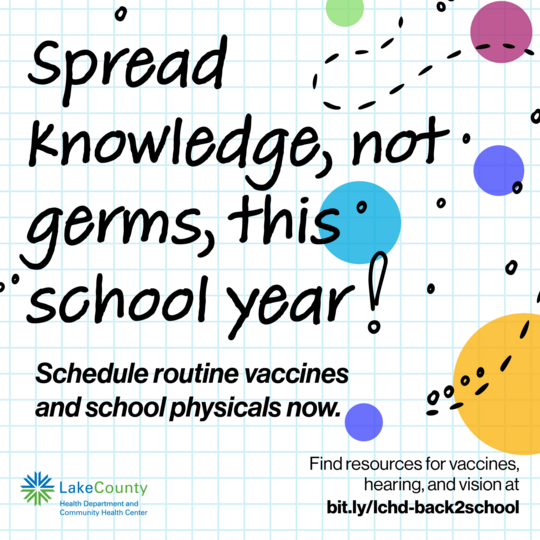 The start of the school year is just around the corner! Now is the time to get ready for the upcoming school year by scheduling your child's physical, eye, and dental exams and ensuring they are up to date on their immunizations. View the Illinois Department of Public Health’s (IDPH) Minimum Immunization Requirements Entering a Child Care Facility or School in Illinois to see what vaccines are needed at each age. If you need a healthcare location near you, find a list of resources around Lake County for vaccines, dental, hearing, and vision.
Visit IDPH for more information about childhood immunizations.
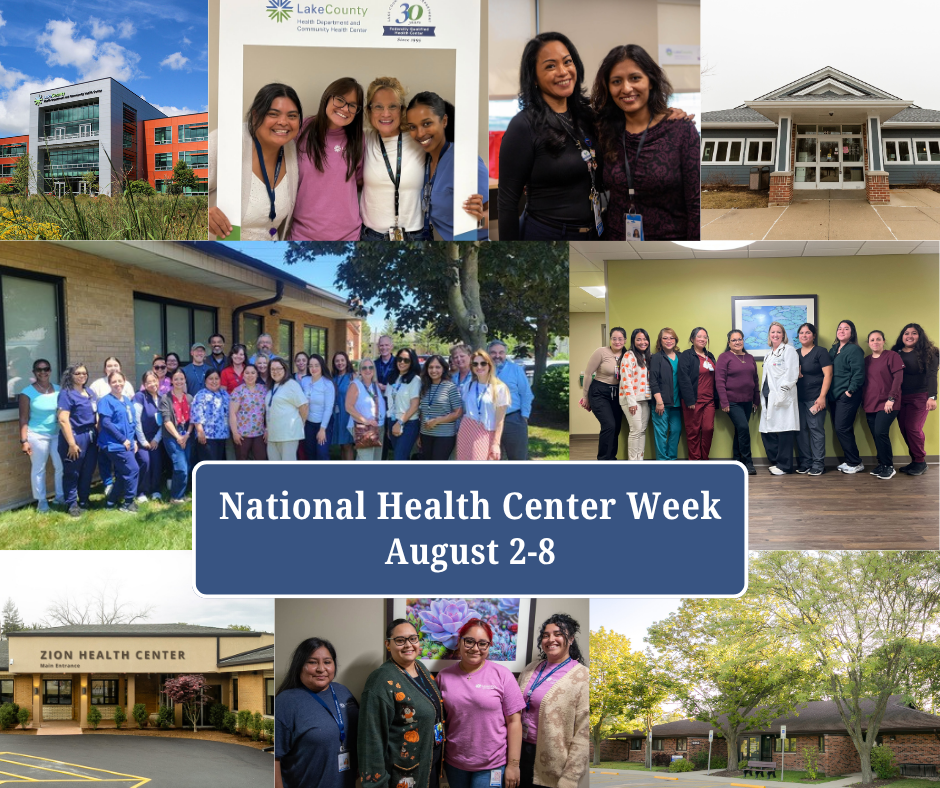 August 2-8 is National Health Center Week. This annual celebration raises awareness about the mission and goals of health centers across the United States.
At the Lake County Health Department, our mission is to promote the health and well-being of all who live, work, and play in Lake County. We have a team of dedicated professionals who work hard to treat and prevent illness, promote wellness, and protect the environment. Just this week, the Health Department was recognized by the Health Resources and Services Administration (HRSA) for work and improvements in access, clinical quality, health outcomes, and health information technology (HIT).
View our Directory of Services for information on the Health Department's administrative, behavioral health, disease control, environmental health, prevention, and primary care services.
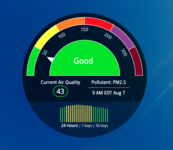
Though the air quality is not hazardous now, it is good to be ready for the next time it worsens. Air quality can change from day to day. Many people live in areas where air pollution can cause serious health problems. Poor air quality can be hazardous to anyone, especially people with lung and heart diseases, older people, teenagers, and children. Poor air quality can cause headaches, irritated eyes and sinuses, fatigue, difficulty breathing, chest pains, asthma attacks, irritated throats, and coughing.
You can monitor the air quality in your area by visiting AirNow.gov. You can also sign up to receive notifications when air quality is poor at enviroflash.info/signup.cfm.
|
 |
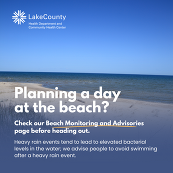
Beach Advisories
Did you know heavy rain can lead to elevated bacterial levels in the water? This is why we advise people to avoid swimming after a heavy rain event. The Health Department monitors beaches from Memorial Day through Labor Day, so before heading to the beach, check our Beach Monitoring and Advisories page to see which inland beaches and Lake Michigan beaches are safe for swimming.
|
|
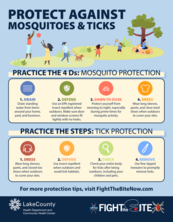
Stay Protected from Ticks & Mosquitoes
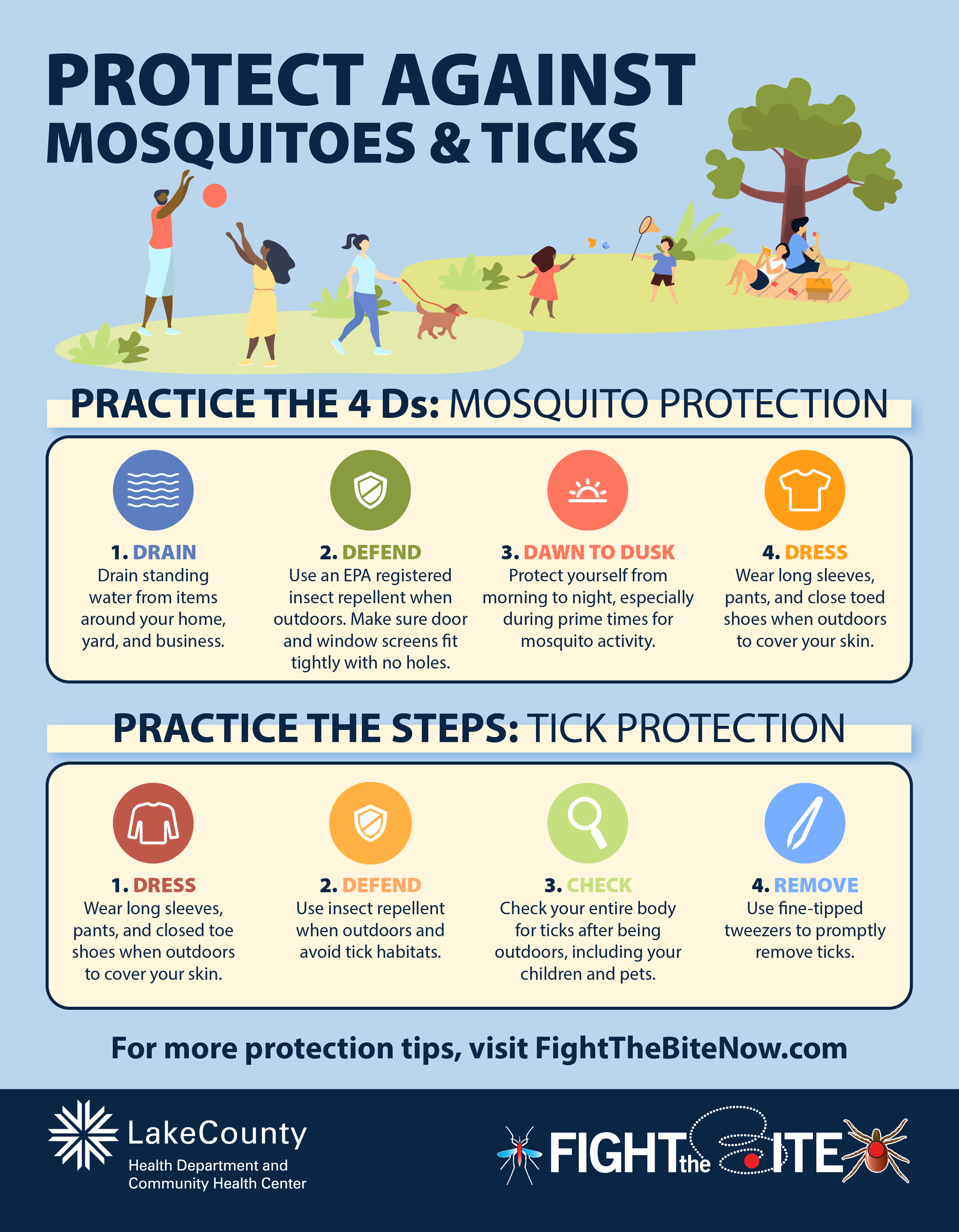
When spending time outdoors, remember to protect yourself against ticks and mosquitoes. If you spend time in areas with ticks, the best way to protect yourself and your family from ticks is by practicing the four steps of tick prevention—Dress, Defend, Check, Remove.
During the week of July 26 to August 1, 37% of mosquito pools (batches of mosquitoes) tested for West Nile virus (WNV) were positive. When pool positivity increases, we tend to start seeing human cases follow. As of August 5, there are no WNV cases so far this year. We typically see the most WNV cases in August. Take steps to help prevent mosquitoes from breeding by eliminating standing water on your property. Items like buckets, gutters, plant containers, kiddie pools, and any other items holding water around homes and businesses can become breeding sites. In addition to draining standing water, always use insect repellent (especially at dawn and dusk) and wear long sleeves and pants to cover your skin.
Find more prevention tips and information at www.FightTheBiteNow.com.
|
|
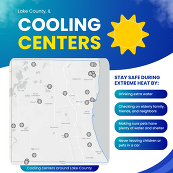
Lake County Cooling Centers
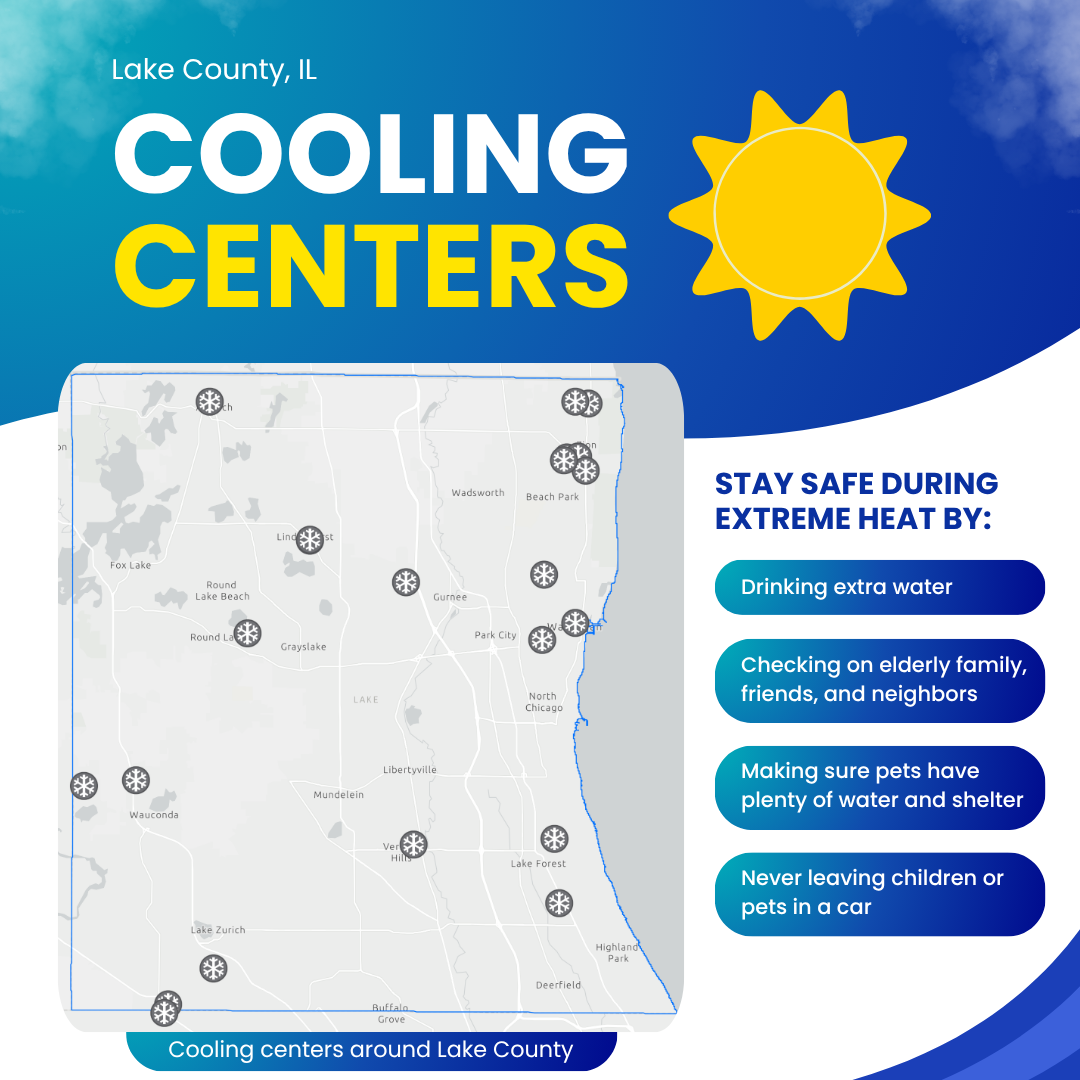
On days that the area experiences extreme heat, be prepared and know where cooling centers are located throughout Lake County. Visit the Cooling Center page to find a list of cooling centers in Lake County.
In addition to staying cool, on hot days make sure you are:
- Drinking extra water
- Checking on elderly family, friends, and neighbors
- Giving pets plenty of water and shelter
For more hot weather safety tips, visit the CDC.
|
 Lakes Appreciation Month is now over, but you can always check out all of the content posted throughout the month of July on our social media platforms (Facebook and Instagram).
Visit our Ecological Services page for more information about our role in keeping our lakes healthy!
National Immunization Awareness Month
Staying up to date on vaccinations offers the best protection against vaccine-preventable diseases. National Immunization Awareness Month (NIAM) is an annual observance highlighting the importance of getting recommended vaccines throughout your life. By staying up to date on routine vaccinations, you can protect yourself, your loved ones, and your community from preventable diseases.
During NIAM, we encourage you to talk to your healthcare provider to ensure you and your family are protected against serious diseases by getting caught up on routine vaccinations.
|
|
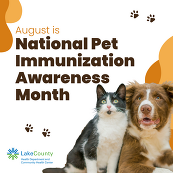
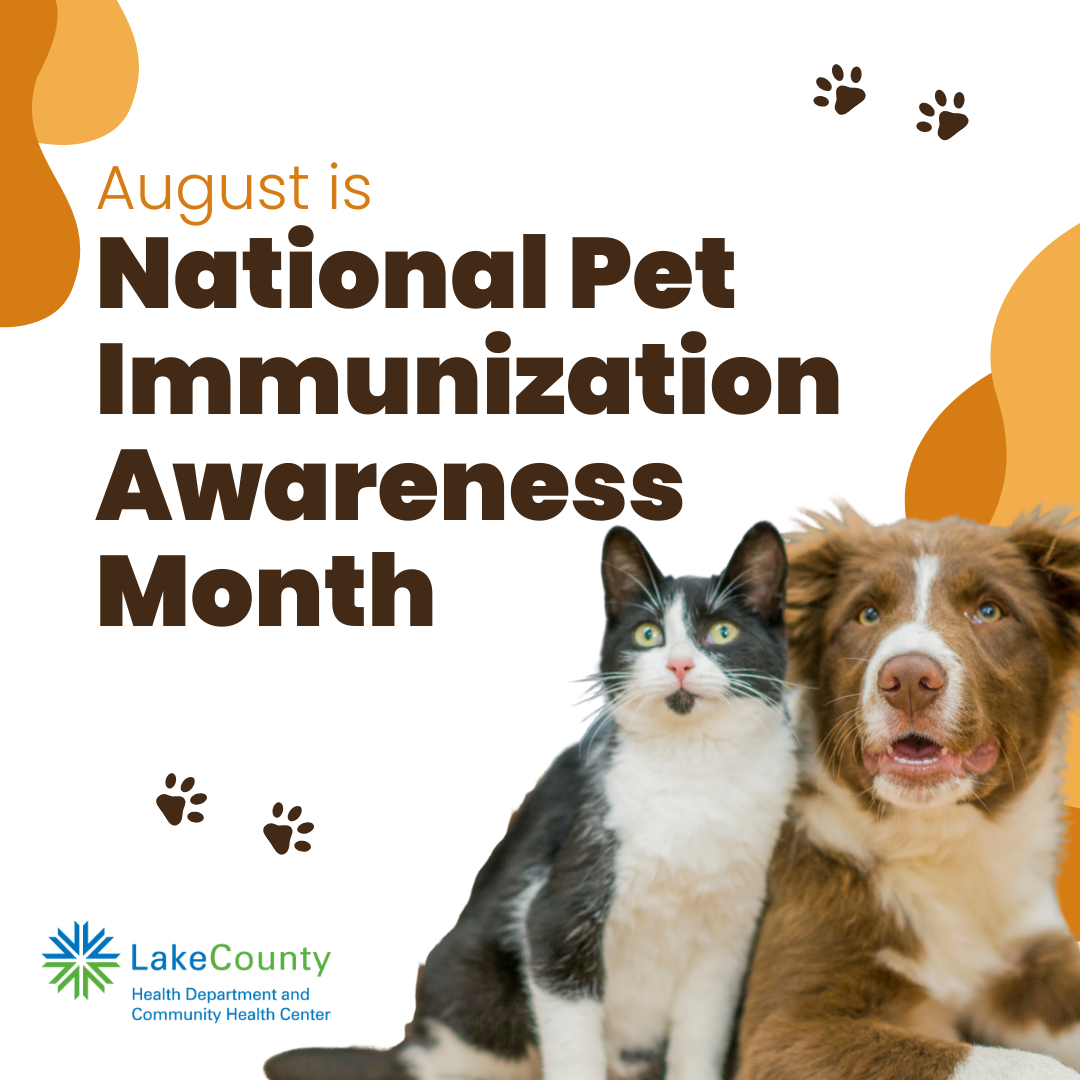
National Pet Immunization Awareness Month
Vaccines play a critical role in protecting your pets' health. August is National Pet Immunization Awareness Month, highlighting the importance of keeping your pet up to date on vaccinations. Vaccinations help to keep them safe and healthy from diseases that can not only impact their health long-term but also could be fatal.
The Lake County Health Department offers rabies and distemper vaccines to all dogs and cats residing in Lake County. Our immunization clinics are open by appointment only. Please call (847) 377-4700 to schedule an appointment.
For more information, visit our Pet Clinics & Costs page.
|
|
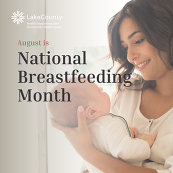
National Breastfeeding Month
National Breastfeeding Month aims to increase public awareness about the importance of breastfeeding while highlighting support services and resources. Every mother's experience with breastfeeding is different. Whether it is your first baby or you have many, each baby is unique.
Breastfeeding is a great source of nutrition for most infants. As babies grow, breast milk will change to meet their nutritional needs. The U.S. Dietary Guidelines for Americans recommend that infants be exclusively breastfed for about the first 6 months and continue breastfeeding until 12 months or older, while introducing appropriate complementary foods.
Breastfeeding can be beneficial to both mom and baby. It is found that breastfed infants have a reduced risk of asthma, obesity, type 1 diabetes, severe lower respiratory disease, and many other illnesses. Moms who breastfeed help lower their risk of high blood pressure, type 2 diabetes, ovarian cancer, and breast cancer.
The Health Department’s Women, Infants & Children (WIC) program offers breastfeeding support to eligible Lake County residents. Visit our WIC page to learn more.
Visit the CDC for more information about breastfeeding.
|
|
|
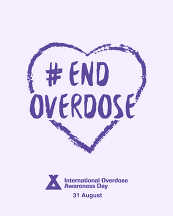
International Overdose Awareness Day
International Overdose Awareness Day occurs annually on August 31. An overdose occurs when a toxic amount of a substance is consumed, such as prescription medication, illicit drugs, or alcohol, that then overwhelms the body and impairs normal functions.
Overdoses can look different depending on the type of drug or combination of drugs that have been used. If you think someone is experiencing an overdose, remember that it is a medical emergency. Call 911, then administer appropriate first aid. For more information about knowing the signs and how to respond to an overdose, visit the Overdose Prevention page on the International Overdose Awareness Day's website.
Naloxone is a lifesaving, non-addictive medication that can reverse the effects of an opioid overdose when used in time. Naloxone is safe and easy to use. If you or someone you care for uses opioids, it is especially important to carry naloxone and know how to use it. Tell your family and friends what it is, where it is, and how to use it. It may save a life.
Naloxone is available for free to Lake County residents and community members. Visit the Health Department's Naloxone Saves Lives page to learn more about naloxone and place an order today!
|
|
Where do I find information about...
Who can I contact to ask a question about...
-
Lake County Health Department Services: Call (847) 377-8000
-
COVID-19 in Illinois: Contact the Illinois Department of Public Health at 1-800-889-3931 or DPH.SICK@ILLINOIS.GOV
|