It’s that time of year again. The weather is warming up, and the days are getting longer, making pools and beaches more inviting. Whether you are swimming at your local pool or enjoying time at your favorite beach, it is important to protect yourself from illness, prevent the spread of germs, and practice safe swimming.
Recreational water illnesses (RWIs) can spread if you swallow, have contact with, or breathe in mists or aerosols from water contaminated with germs. You can also get them by having contact with chemicals that are in the water or that evaporate from the water and turn into gas in the air. Diarrhea is the most common RWI.
The Health Department monitors lake water for E.coli bacteria in over 100 Lake Michigan and inland lake beaches to ensure that the water is acceptable for swimming. From Memorial Day through Labor Day, beach closure information can be found on the Health Department’s Beach Monitoring and Advisories webpage, which is updated Monday through Friday by 10:00 a.m.
Read the full press release for more information and tips on how to swim safely at pools and lakes.
|
 Operation Dropbox came to a close on May 31st, and we are grateful for all the donations we received. While we are still finalizing the numbers and preparing for the training exercise, we want to highlight some of the dropsite locations that have collected over 200 pounds:
- Warren Township: 209 lbs.
- State Rep. Daniel Didech's Office: 293 lbs.
- Mark Lutheran Church: 869 lbs.
- Gurnee Police Department: 524 lbs.
- Village of Lindenhurst: 422 lbs.
- Village of Gurnee: 234 lbs.
- Waukegan Fire Department: 210 lbs.
- Buffalo Grove Park District Fitness Center: 206 lbs.
Stay tuned for our July newsletter, where we will share final numbers and recap the training exercise taking place on June 10!
 When spending time outdoors, avoid becoming a tick magnet by knowing where ticks like to hang out and how you can stay protected. If you find an attached tick, use the CDC’s Tick Bite Guide to assist with its removal.
Tick Habitats and Preferred Weather
- Ticks live in and near wooded areas, tall grass, and brush.
- Ticks are active in the spring, summer, and fall and can even be found during the winter as long as temperatures remain above freezing.
- Milder winters, wet and humid springs, and an increase in wildlife hosts (such as deer and mice) can all impact tick populations.
Stay Protected from Ticks Outdoors by Following These Four Steps:
-
Dress: Wear long sleeves, pants, and closed-toe shoes when outdoors to cover your skin.
-
Defend: Use an EPA-approved insect repellent when outdoors and avoid tick habitats.
-
Check: Check your entire body for ticks after being outdoors, including your children and pets.
-
Remove: Use fine-tipped tweezers to promptly remove ticks.
Visit FightTheBiteNow.com for more information.
You have probably been hearing about Ebola in the news. At this time, the risk to people in Illinois remains low, and there are currently no confirmed Ebola cases in Illinois as of June 3, 2026. Public health agencies continue to closely monitor the situation. For more information about Ebola, visit the Illinois Department of Public Health.
 Health Department staff from many programs attended the Waukegan Pride Parade on Saturday, May 30!
Pride Month is celebrated annually in June. At the Health Department, we strive to offer an inclusive and respectful environment for all who seek care through our programs.
We are proud to offer gender-affirming care as well as comprehensive HIV care and prevention, including pre-exposure prophylaxis (PrEP) and transgender health services. Our confidential support services can help all people navigate healthcare with support. Visit our Gender Health Services page or call (847) 377-8450 for more information.
Even though the school year just ended, it is not too early to schedule an appointment with your child’s primary healthcare provider to ensure they are up to date on routine vaccinations and have an updated school and sports physical. Find resources around Lake County for vaccines, dental, hearing, and vision. |
|
 |
Alzheimer’s and Brain Awareness Month
Alzheimer’s and Brain Awareness Month is a time to promote brain health and raise awareness of diseases that affect memory and other cognitive abilities, such as Alzheimer’s.
Dementia is a general term for the loss of memory, language, problem-solving, and other cognitive abilities that are severe enough to interfere with daily life. Alzheimer's is the most common cause of dementia. While the best-known risk factor for dementia is age, it is not a normal part of aging.
Healthy habits can support brain health, lowering the risk of developing cognitive decline and possibly dementia. Check out these 10 Health Habits for Your Brain. Visit the Alzheimer’s Association for more information about Alzheimer’s and Brain Awareness Month and ways to take charge of your brain health.
|
 |

Men’s Health Month
June is Men's Health Month. During this annual observance, men and boys are encouraged to be proactive in their health by implementing healthy living decisions. Compared to women, men are more likely to put off regular checkups and medical care, smoke, drink, and make unhealthy or risky choices.
Practice healthy habits year-round by:
- Getting regular checkups
- Eating a healthy diet
- Staying active
- Avoiding smoking and exposure to secondhand smoke
- Limiting alcohol consumption
- Managing stress
Men also experience depression that can affect many aspects of their lives, including their mood, energy, relationships, and more. Untreated depression is a leading factor in deaths by suicide. Organizations like Heads Up Guys offer free online depression self-check tools to help you identify warning signs.
To learn more about how to take charge of your health, visit the MyHealthFinder.
|
|
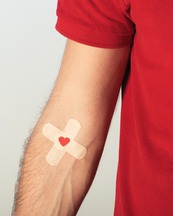
World Blood Donor Day
Annually on June 14, World Blood Donor Day celebrates blood donors worldwide while promoting the continuous need for regular, healthy blood donations. Did you know every two seconds someone in the U.S. needs blood and or platelets? Regular donation is the key to building a safe and sustainable supply. Blood is needed by women with complications during pregnancy and childbirth, children with severe anemia, often resulting from malaria or malnutrition, accident victims, and surgical and cancer patients.
To learn more about World Blood Donor Day.
|
|

National HIV Testing Day
National HIV Testing Day occurs annually on June 27. Getting tested for HIV can help a person know their status, giving you the information to keep yourself and your partner healthy. It is recommended that everyone between the ages of 13 and 64 gets tested for HIV at least once as part of routine health care, and more often if you do things that might increase your risk of getting HIV.
At this time, the Lake County Health Department offers free HIV self-testing kits so you can test when and where it is convenient for you. HIV testing is a critical tool to help end the HIV epidemic in the United States. Visit the CDC to find an HIV testing site near you or call the Health Department at (847) 377-8450 for more information about HIV testing.
Visit the CDC for more information about HIV.
|
Where do I find information about...
Who can I contact to ask a question about...
-
Lake County Health Department Services: Call (847) 377-8000
-
COVID-19 in Illinois: Contact the Illinois Department of Public Health at 1-800-889-3931 or DPH.SICK@ILLINOIS.GOV
|