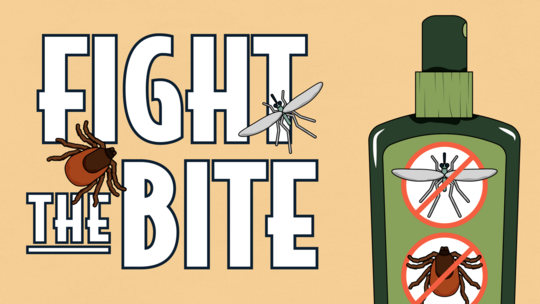
 Tick season is here! Ticks are typically most active during the warmer months (April-September), but they remain active as long as the ground temperature is above 45 degrees Fahrenheit. Did you know Illinois is home to at least 15 species of ticks? Only some of those ticks are likely to be encountered by people: the American dog tick, the lone star tick, the blacklegged (deer) tick, the brown dog tick, and the winter tick.
The best way to protect yourself and your family from ticks is to practice the four steps of tick prevention (Dress, Defend, Check, Remove) when you spend time in tick-infested areas.
For more information about staying protected from ticks, visit FightTheBitenow.com.
 National Public Health Week (NPHW) is celebrated annually during the first full week of April. This year’s theme, “Ready. Set. Action!” prompts us to look at the progress that has been made while also looking forward to the steps needed for an even healthier future.
We are all stronger—and healthier—together through the efforts of organizations like the American Public Health Association, local health departments, and others that advocate for healthy communities.
At the Lake County Health Department, we pride ourselves on our strengthened community partnerships, innovative approaches to disease monitoring and investigation, and continued efforts to expand access to high-quality public health and clinical services. In 2025, the Health Department was recognized as among the top 20% of health centers nationwide, with special recognition for the improved health outcomes we help our clients achieve.
More broadly, public health has contributed to many successes, such as:
- Cervical cancer deaths have been decreasing since the implementation of the human papillomavirus (HPV) vaccine.
- Wastewater surveillance allows communities to detect health threats faster.
- Opioid overdose deaths have been declining due to initiatives such as naloxone distribution and education campaigns.
Visit National Public Heath Week for more information about the daily themes that make up this year’s overall theme of “Ready. Set. Action!”
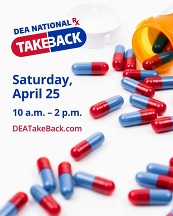
Mark your calendars! The Drug Enforcement Administration’s (DEA) National Prescription Drug Take Back Day will be happening on Saturday, April 25, from 10 a.m. – 2 p.m. This event offers free, safe, and anonymous disposal of old and unneeded medications at thousands of local drop-off locations nationwide. Proper disposal of unneeded drugs saves lives and protects the environment and our overall community. Find a collection site near you!
|
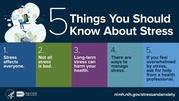
Everyone experiences stress on some level; it is a normal part of life. Stress is your body's physical and emotional response to new or challenging situations. Stress may manifest differently for different people. National Stress Awareness Month brings attention to the negative impact stress can have on your life. Being able to recognize common symptoms of stress can help you manage them. Managing stress can improve both your mental and physical well-being. Stress can cause a number of problems, including feeling different emotions (anger, sadness, worry), changes in appetite, trouble sleeping, and physical reactions (headaches, stomach problems). Luckily, there are many healthy ways to cope with stress, such as:
- Taking care of your body (eat healthy, get enough sleep, exercise)
- Take breaks from the news (including social media)
- Limit alcohol intake
- Connect with others
- Continue with regular health appointments
Learn more about Stress Awareness Month.
|
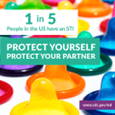
Sexually transmitted infections (STI) Awareness Week occurs during the second week in April. This national annual campaign focuses on raising awareness about STIs and how they impact our lives; reducing STI-related stigma, fear, and discrimination; and ensuring people have the tools and knowledge for prevention, testing, and treatment.
Did you know that many STIs don’t have symptoms? The only way to know your status is to get tested. STIs can affect people of all ages; the good news is that STIs are preventable. Reduce your risk of getting an STI by using a condom when intimate, getting tested regularly, and knowing your partner's STI status.
Talk to your healthcare provider to see if you should get tested. Visit the CDC for general information and resources about sexually transmitted infections.
|
 National Infant Immunization Week occurs April 20-27 and highlights the importance of protecting infants and young children from vaccine-preventable diseases.
In February, the Illinois Department of Public Health (IDPH) endorsed the 2026 child and adolescent immunization schedule from the American Academy of Pediatrics (AAP) - one of the nation's most trusted sources of evidence-based pediatric guidance.
On-time childhood vaccines help protect against serious illnesses like measles, whooping cough, meningitis, and HPV-related cancers. The recommended immunization schedule begins at birth to protect infants before they are exposed to diseases such as measles, polio, and whooping cough. As children grow, they need to receive additional immunizations to extend their protection against these diseases. Infants who are not vaccinated are at risk of getting sick as well as getting those around them sick. By getting your infant vaccinated, you’re also protecting your friends, family, and the community.
Find a vaccine provider near you using the IDPH Vaccine Locator Dashboard or contact your child’s healthcare provider with any questions.
 The very first Earth Day occurred in 1970 on April 22 and has been recognized annually on that date to raise awareness about the health of our environment and promote changes we can make every day to create a healthier planet. This year’s theme, “Our Power, Our Planet,” invites everyone around the globe to unite behind renewable energy.
Did you know 79% of plastic that has ever been made still sits in landfills or the natural environment (except for the small amount that has been incinerated or recycled)? Earth Day is more than plastic pollution, though; it also includes deforestation, sustainability, climate change, and more. Test your knowledge about Earth through quizzes on EarthDay.org!
Visit Earth Day 2026 and 52 Ways To Invest In Our Planet for actions you can take, both big and small, to make a difference.
Where do I find information about...
Who can I contact to ask a question about...
-
Lake County Health Department Services: Call (847) 377-8000
-
COVID-19 in Illinois: Contact the Illinois Department of Public Health at 1-800-889-3931 or DPH.SICK@ILLINOIS.GOV
|