 Have you received your annual flu shot yet? Everyone six months and older should get vaccinated against the flu. The flu vaccine can reduce flu illnesses, doctor’s visits, and hospitalizations. Although the most common time to get your flu shot is early in the fall, you can still get your annual flu shot through the spring.
It is important to get the annual flu vaccine because the vaccine is updated each year and contains the three flu virus strains that are expected to circulate and cause illness in the U.S. during the upcoming flu season. This year’s flu vaccines protect against three flu strains: two A strains (H1N1 and H3N2) and one B strain. Even though this year’s vaccine doesn’t target the primary strain that is circulating (H3N2 subclade K strain), it is proving to be effective at reducing hospitalizations.
Getting a flu vaccine will not make you sick with the flu. The vaccine triggers your immune system to produce antibodies to protect against influenza disease.
Talk to your healthcare provider if you have any questions and visit your local pharmacy or IDPH’s vaccine locator for vaccination locations.
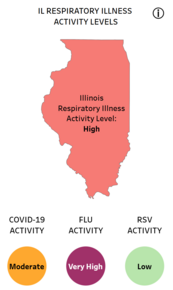
The Illinois Department of Public Health (IDPH) announced that, as of January 2, flu activity has reached “very high” levels, while COVID is at “moderate,” and RSV is “low” and increasing (see right photo).
Monitor respiratory illnesses in Lake County through our weekly Respiratory Reports. As of the most recent report on December 27, respiratory activity is increasing quickly, including respiratory illness–related emergency department visits.
Upper respiratory infections such as influenza (flu), COVID-19, and respiratory syncytial virus (RSV) are respiratory viruses that primarily affect the nose, throat, and lungs. These viruses spread from person to person through tiny droplets released in the air when people talk, cough, or sneeze, and can also spread by touching contaminated surfaces and then touching the face. Common symptoms include cough, sore throat, runny or stuffy nose, fever, headaches, body aches, and fatigue.
Help prevent the spread of respiratory illness by:
- Getting vaccinated
- Staying home if you are sick
- Washing your hands often with soap and water
- Covering your coughs and sneezes
- Wearing a mask around others if you or someone else is sick
Contact your healthcare provider with any questions about your eligibility for the respiratory virus vaccines and to schedule an appointment to get vaccinated. For vaccination locations, visit IDPH’s vaccine locator or your local pharmacy.
|
 |
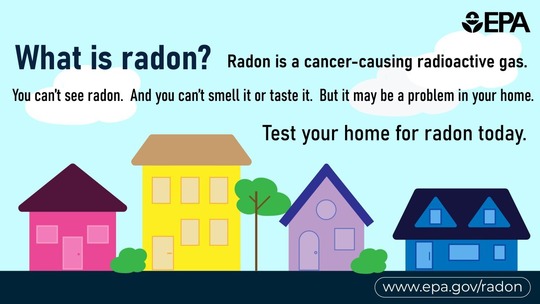 January is Radon Action Month—a time to educate the public about radon and encourage testing. Radon is an odorless and colorless gas that naturally occurs in rock and soil. Radon gas can build up in homes over time and can't be seen, tasted, or smelled - making it easy for radon problems to go unnoticed. Elevated radon levels can be found in all homes: old, new, basement, or no basement. Radon is the second leading cause of lung cancer and the leading cause of lung cancer deaths among nonsmokers in America. There is no known safe level of radon, and you should always aim to have the lowest level. The only way to know your indoor air quality is to test.
Test your homes radon levels with a short-term testing kit for $10.00 from the Health Department, available at 500 W. Winchester Rd., Libertyville. The cost includes return postage, laboratory analysis and interpretation by Health Department staff. If the test results reveal elevated levels of radon in your home, contact a radon professional to evaluate and fix the problem. Visit the Health Department’s Radon page for more information. Learn more about radon at epa.gov/radon.
|
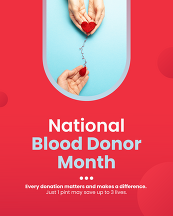
National Blood Donor Month
Blood donations are needed year-round but typically slow down during the winter months due to the holidays, weather, and illness. National Blood Donor Month occurs in January to encourage eligible individuals to donate blood while also recognizing those that are blood donors. Every donation matters and makes a difference. Did you know that one pint of blood can save multiple lives? Blood donations are used for surgeries, cancer treatments, childbirth, anemia, serious injuries, blood disorders, and more.
Schedule an appointment with a local blood center to donate blood, if eligible. Visit Giving = Living for more information about blood donations.
|
|
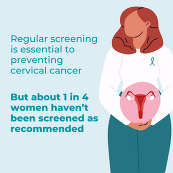
Cervical Health Awareness Month
Cervical cancer is the fourth most common cancer in women globally. Through vaccination and regular screenings, cervical cancer is one of the most preventable cancers. Almost all cervical cancers are caused by human papillomavirus (HPV). HPV is a common virus spread through intimate skin-to-skin contact that can cause cancers later in life. Most HPV infections go away by themselves but sometimes HPV infections will last longer and can cause some cancers. Women can take steps to lower their risk for cervical cancer through regular screenings and by getting the HPV vaccine, if recommended by your doctor.
Eligible Lake County women can receive free cervical cancer screenings through the Illinois Breast and Cervical Cancer Program (IBCCP), located at the Lake County Health Department. Visit the Health Department’s Breast & Cervical Cancer Screening page for more information.
More information and resources are available through the CDC and National Cervical Cancer Coalition.
|
|
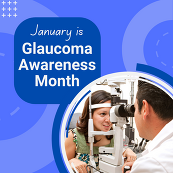
Glaucoma Awareness Month
Did you know that glaucoma is a leading cause of vision loss and blindness in the United States? Going to the eye doctor and getting your eyes checked regularly is a part of taking care of your overall health. Glaucoma can damage the optic nerve and cause vision loss and often has no early warning signs. Though there’s no cure for glaucoma, early treatment can often stop the damage and protect your vision. Don’t take your eyesight for granted—getting a comprehensive dilated eye exam is the only way to find out if you have it.
Anyone can get glaucoma but having a family history of glaucoma can put you at a higher risk of developing it. Talk with your relatives to find out if glaucoma runs in your family.
More information can be found through the National Eye Institute.
|
|
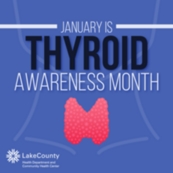
Thyroid Awareness Month
January is Thyroid Awareness Month. Though the thyroid is small, it plays a big role in your health. The thyroid is a gland located in the lower front part of your neck that is small, and butterfly shaped. The thyroid makes important hormones that are carried to tissues throughout your body. These hormones help you use energy and stay warm, and they keep your heart, brain, other organs and muscles working properly.
There are two common thyroid issues:
-
Hyperthyroidism: an overactive thyroid where your thyroid gland makes too much of one of the hormones.
-
Hypothyroidism: an underactive thyroid where your thyroid gland doesn’t make enough hormones for what your body needs.
Learn more about different thyroid diseases and talk to your healthcare provider if you have any questions or concerns.
|
Where do I find information about...
Who can I contact to ask a question about...
-
Lake County Health Department Services: Call (847) 377-8000
-
COVID-19 in Illinois: Contact the Illinois Department of Public Health at 1-800-889-3931 or DPH.SICK@ILLINOIS.GOV
|