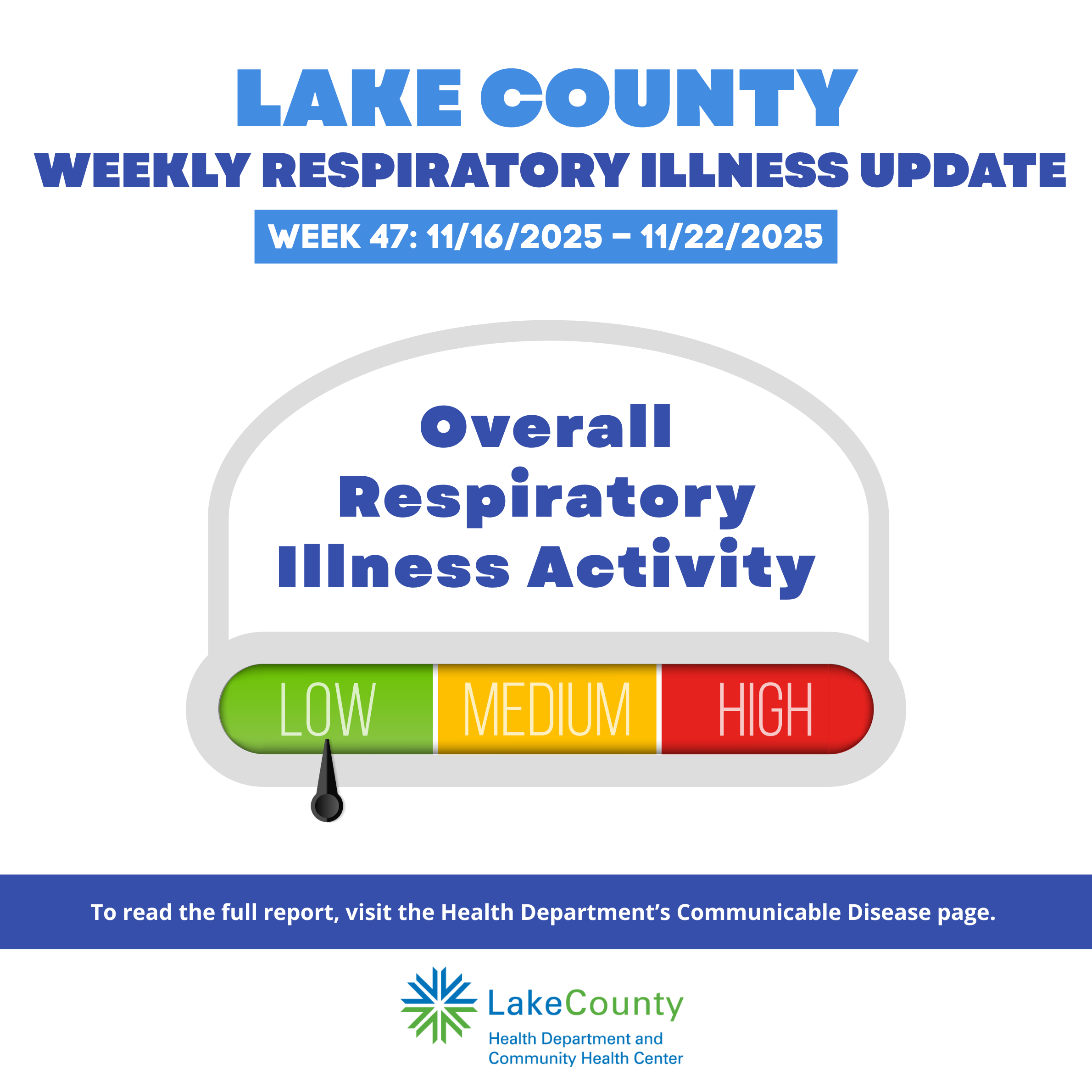
Monitor respiratory illnesses in Lake County through our weekly Respiratory Reports. As of the most recent report on November 22, respiratory activity remains low overall, but emergency department data show that the flu and COVID-19 are on the rise.
Upper respiratory infections such as influenza (flu), COVID-19, and respiratory syncytial virus (RSV) are respiratory viruses that primarily affect the nose, throat, and lungs. These viruses spread from person to person through tiny droplets released in the air when people talk, cough, or sneeze, and can also spread by touching contaminated surfaces and then touching the face. Common symptoms include cough, sore throat, runny or stuffy nose, fever, headaches, body aches, and fatigue.
Help prevent the spread of respiratory illness by:
- Getting vaccinated
- Staying home if you are sick
- Washing your hands often with soap and water
- Covering your coughs and sneezes
- Wearing a mask around others if you or someone else is sick
Contact your healthcare provider with any questions about your eligibility for the respiratory virus vaccines and to schedule an appointment to get vaccinated. For vaccination locations, visit IDPH’s vaccine locator or your local pharmacy.
|
 |
The winter season is officially upon us. As snow becomes more regular in the forecast and temperatures fall, take precautions to keep yourself and your family safe.
Extreme Cold
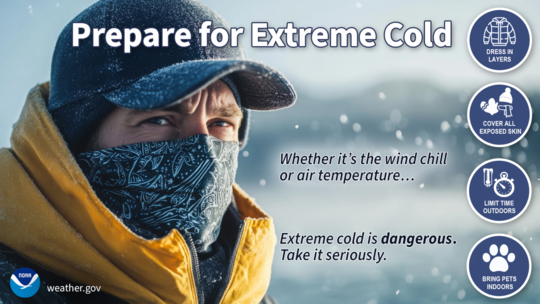 When temperatures drop and stay below freezing, your body can lose heat faster than it can be produced, leading to serious health problems such as hypothermia and frostbite. If you do need to spend time outdoors during extreme cold, dress yourself, your family, and your pets appropriately.
View the list of warming centers around Lake County if you or someone you know needs a warm place to get out of the cold.

Shovel Smart
Snow can be light and fluffy or heavy and wet—also known as "heart attack snow." This kind of snow can lead to overexertion, which may increase the risk of a heart attack or sudden cardiac arrest.
Reduce your risk by following these tips:
- Dress warmly by covering your head, fingers, and toes.
- Stay hydrated and avoid heavy meals before or after shoveling.
- Ideally, push or sweep the snow rather than lifting and throwing it, moving only small amounts at a time.
- Take frequent breaks.
- If you have known or suspected heart disease or risk factors for heart disease, have someone else do your snow removal, if possible.
Know the common signs of a heart attack and stroke.
|
 On December 2, Health Department staff and their families participated in an event at Feed My Starving Children. Participants spent the evening packing meals that will help feed families in need around the world. Thank you to all who came out to help!
|
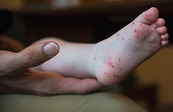
Hand, foot, and mouth disease (HFMD) is a common illness that mainly affects children under five, though anyone can get it. It can spread quickly in school and daycare settings. Common symptoms include fever, mouth sores, and a skin rash. HFMD is very contagious. To help prevent catching or spreading HFMD:
-
Wash your hands often with soap and water for at least 20 seconds, especially after changing diapers, using the toilet, and coughing, sneezing, or blowing your nose.
-
Help children wash their hands and keep blisters clean.
-
Avoid touching your face with unwashed hands, especially your eyes, nose, and mouth.
-
Clean and disinfect frequently touched surfaces and shared items, including toys and doorknobs.
-
Avoid close contact with an infected person, such as hugging or kissing them.
For more information about HFMD, visit the CDC.
|
|
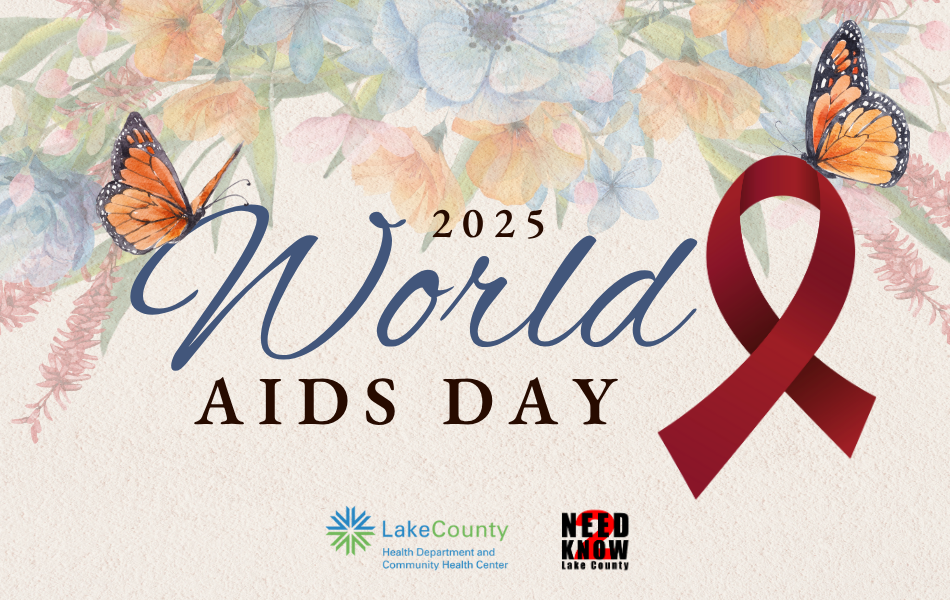 Observed annually on December 1st, World AIDS Day is an opportunity to recognize the global progress in the HIV/AIDS community while also honoring lives lost. HIV/AIDS service providers across the country come together to host community-based World AIDS Day events. The Lake County Health Department will host its annual World AIDS Day event from 4:00 - 8:00 p.m. on Saturday, December 6th, at the Greenbelt Cultural Center, 1215 N Green Bay Rd, North Chicago. The event will feature special guest Professor Alex Ortiz from Universidad Iberoamericana Puebla, along with a candle-lighting ceremony, a drag performance by Lola Madison, and much more. There is no cost to attend, and all are welcome.
Read the full press release for more information.
The Health Department is seeking passionate people to become Mental Health First Aid USA instructors and help fight the stigma surrounding mental health. Approved applicants must attend the three-day instructor training held January 28-30, 2026, at the Lake County Health Department, 3010 Grand Avenue, Waukegan.
Approved instructors learn how to teach the Adult Mental Health First Aid course, including the five-step action plan, evidence-supported treatment, and self-help strategies. Instructor training normally costs $2,000 per person but is being offered for free to qualified applicants. In exchange, individuals who take the course agree to teach three eight-hour Mental Health First Aid classes in 2026.
To learn more and apply, visit www.mentalhealth.today/instructor or email info@mentalhealth.today. Applications are due December 12, 2025.
Read the full press release for more information.
 Make sure you’re covered at the start of the new year. Sign up or update your plan by the December 15 open enrollment deadline for coverage starting January 1, 2026. All HealthCare.gov plans cover essential benefits like preventive services and prescriptions. For more information about what is covered in each plan, visit the Health Benefits & Coverage page.
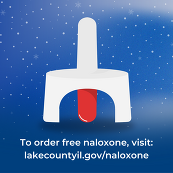
Carrying naloxone with you at all times could save someone’s life. However, did you know that naloxone nasal spray can freeze at temperatures below 5 degrees Fahrenheit? If the naloxone is frozen, the plunger will not move when pressed because its frozen. You can thaw naloxone by leaving it at room temperature for about 15 minutes. It can be used once thawed. If there is a suspected overdose, do not wait for your naloxone to thaw. Always call 911 immediately.
Do you need to order naloxone? Visit our Naloxone Saves Lives page to order naloxone today!
|
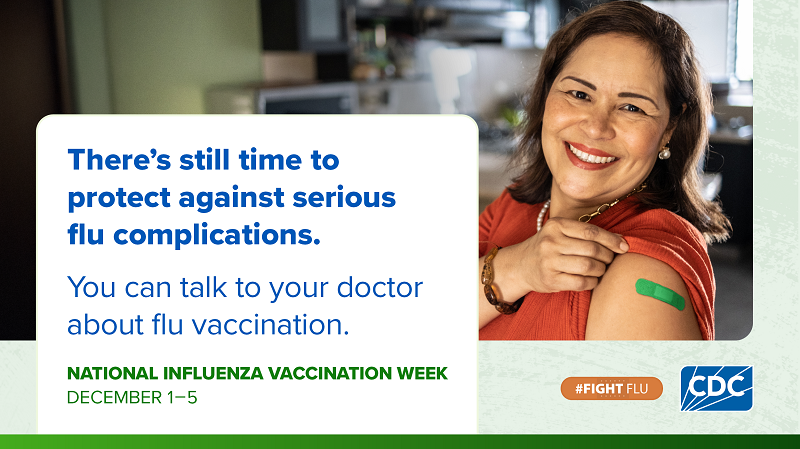 National Influenza Vaccination Week, December 1–5, 2025, serves as a reminder that it is not too late to get your annual flu shot. Everyone aged six months and older should get their annual flu vaccine if they have not already. Since flu viruses are constantly changing and protection from vaccination decreases over time, getting a flu vaccine every year is the best way to reduce your risk of flu.
Flu vaccination has important benefits. It can reduce flu illnesses, visits to doctors' offices, and missed work and school due to flu, as well as make symptoms less severe and reduce flu-related hospitalizations and deaths in people who get vaccinated but still get sick.
It takes about two weeks after vaccination for antibodies that protect against flu to develop in the body. For vaccination locations near you, visit IDPH’s vaccine locator or your local pharmacy.
|
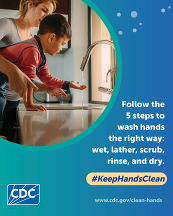
National Handwashing Awareness Week takes place each year during the first full week of December to promote hand hygiene. Many diseases and conditions are spread by not washing your hands with soap and clean, running water. It is important to wash your hands at key times throughout the day, especially after using the bathroom and before eating.
To prevent the spread of germs, follow these five steps to properly wash your hands:
- Wet your hands with clean, running water (warm or cold), turn off the tap, and apply soap.
- Lather your hands by rubbing them together with the soap. Lather the backs of your hands, between your fingers, and under your nails.
- Scrub your hands for at least 20 seconds.
- Rinse your hands well under clean, running water.
- Dry your hands using a clean towel or an air dryer.
The best way to get rid of germs is to wash with soap and water; however, if you don’t have access to soap and water, you can use an alcohol-based hand sanitizer that contains at least 60% alcohol.
Visit the CDC for more information about When and How to Wash Your Hands.
|
|
Data from the National Highway Traffic Safety Administration shows December drunk driving deaths are the highest in 15 years. The end of the year is a busy time for many, with drivers on the road than usual. This month encourages responsible decision making when driving including to never drive impaired. Impaired driving includes distracted driving, drugged driving, and drunk driving.
Did you know that many drunk-driving fatal crashes happen between midnight and 3 a.m.? If you’ve been drinking, do not drive. Call a sober friend, rideshare, or a taxi to get you home safely. Buzzed driving is drunk driving.
Remember to celebrate safely this holiday season.
|
Where do I find information about...
Who can I contact to ask a question about...
-
Lake County Health Department Services: Call (847) 377-8000
-
COVID-19 in Illinois: Contact the Illinois Department of Public Health at 1-800-889-3931 or DPH.SICK@ILLINOIS.GOV
|