|
The Supplemental Nutrition Assistance Program (SNAP) and Women, Infants, and Children (WIC) food assistance programs have recently come into focus. These programs offer support to individuals and families that meet certain criteria.
-
SNAP provides monthly funds to low-income individuals and families to use towards groceries.
-
WIC is specifically for pregnant and postpartum women, infants and children up to age five who meet certain income requirements. It provides specific nutritious foods (formula, milk, fruit, whole grains) tailored to maternal and early childhood health. WIC also provides nutrition education, breastfeeding support, and referrals. During the government shutdown WIC is open and available.
Federal courts ordered the federal administration to continue paying for SNAP (food stamps) during the government shutdown.
IDHS recently shared that Illinois SNAP customers will begin receiving partial November benefits starting Friday, November 7. Those who are regularly scheduled to receive benefits November 1 through November 6 will receive partial benefits over the next six days. Customers who ordinarily would receive their SNAP benefits on November 7 or later will receive a partial benefit on their regular date. For more information and updates on partial SNAP benefits visit SNAPfederalimpact.illinois.gov.
Lake County residents can visit the Health Department’s WIC page to learn more about the program.
|
 |
Take appropriate precautions this respiratory virus season as RSV, COVID-19, and the Flu start to circulate more. One way to monitor respiratory illnesses in Lake County is through our weekly Respiratory Reports. These reports track the flu, COVID-19, and RSV specifically within Lake County. The community can look at weekly reports to see if any of these respiratory illnesses are increasing in the area. The reports can be a useful tool to help individuals stay informed and make the best decisions for themselves and their families—especially when traveling, gathering with family and friends, or deciding when to wear a mask.
Additional ways to help prevent the spread:
- Get vaccinated
- Stay home if you are sick
- Wash your hands often with soap and water
- Cover your coughs and sneezes
- Wear a mask around others if you or someone else is sick
Contact your healthcare provider with any questions about your eligibility for the respiratory virus vaccines and to schedule an appointment to get vaccinated. For vaccination locations, visit IDPH’s vaccine locator or your local pharmacy.
|

On Sunday, November 2, we gained an hour. For some, this can mean an extra hour of sleep or more time to do something productive or fun. For others, this time of year can be hard when days have less daylight.
When the seasons change, especially into fall and winter, some people feel sad or not like their usual selves. Seasonal Affective Disorder (SAD) is a type of depression that often starts in the late fall or early winter and then goes away in the spring and summer— called winter-pattern SAD or winter depression. Summer-pattern SAD or summer depression can also occur but is less common.
If you believe you are experiencing SAD, reach out to your healthcare provider to talk about the best treatment for you.
Visit the National Institute of Mental Health for more information about seasonal affective disorder.
|
|
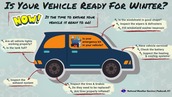
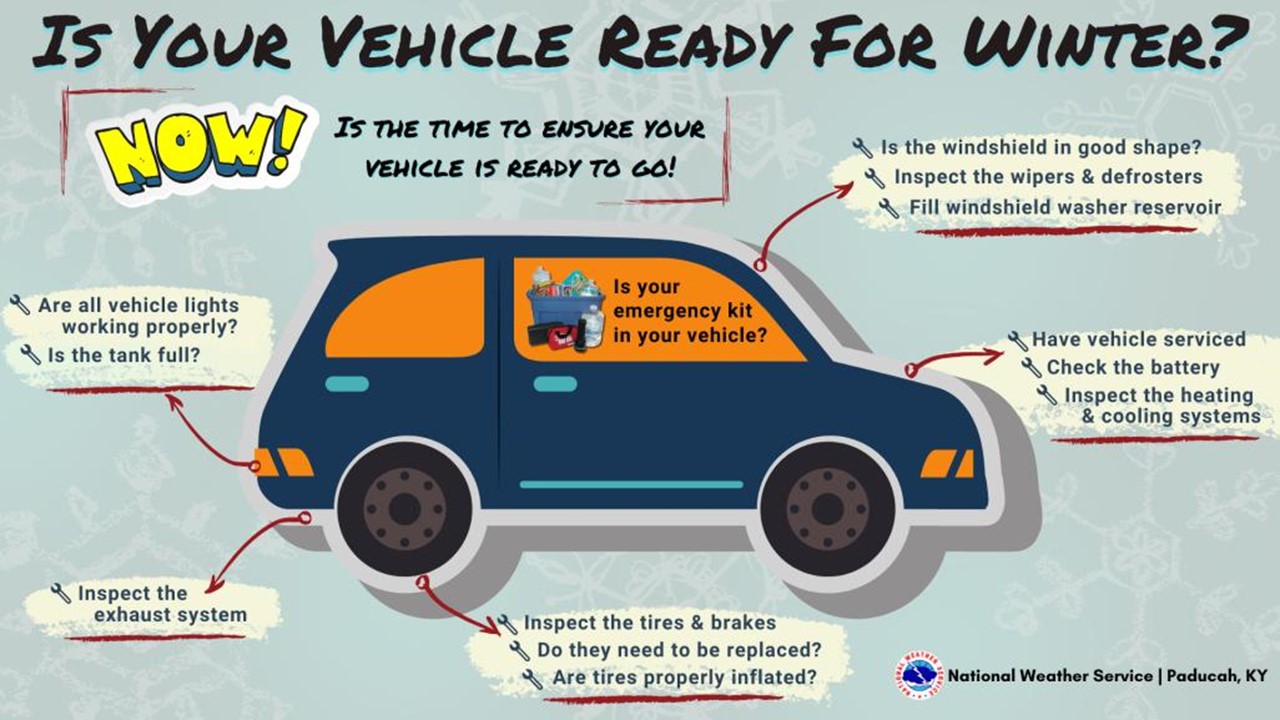
Illinois Winter Weather Preparedness Week is November 10-14, 2025. Stay ahead of winter weather by preparing your home, and car, and being ready for emergencies. Don’t forget to include your pets! Make sure they have a warm, dry place to rest with plenty of food and water.
Prepare your home by:
- Winterizing your home
- Checking your heating systems
- Installing or testing smoke and carbon monoxide detectors
Prepare your car by:
- Servicing the radiator and checking antifreeze levels
- Checking your tires’ tread or switching to all-weather or snow tires
- Keeping the gas tank full to prevent freezing
- Using windshield washer fluid with deicer
- Keeping an emergency kit in your car in case you get stuck
Prepare for emergencies by:
- Stocking food that doesn’t need to be cooked or refrigerated
- Making sure your phone is always charged
- Checking the weather forecast when traveling
- Keeping an emergency kit in your home in case the power goes out
Visit ready.gov for more winter weather preparedness tips.
|
|
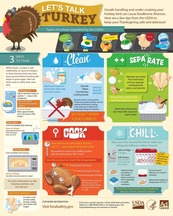
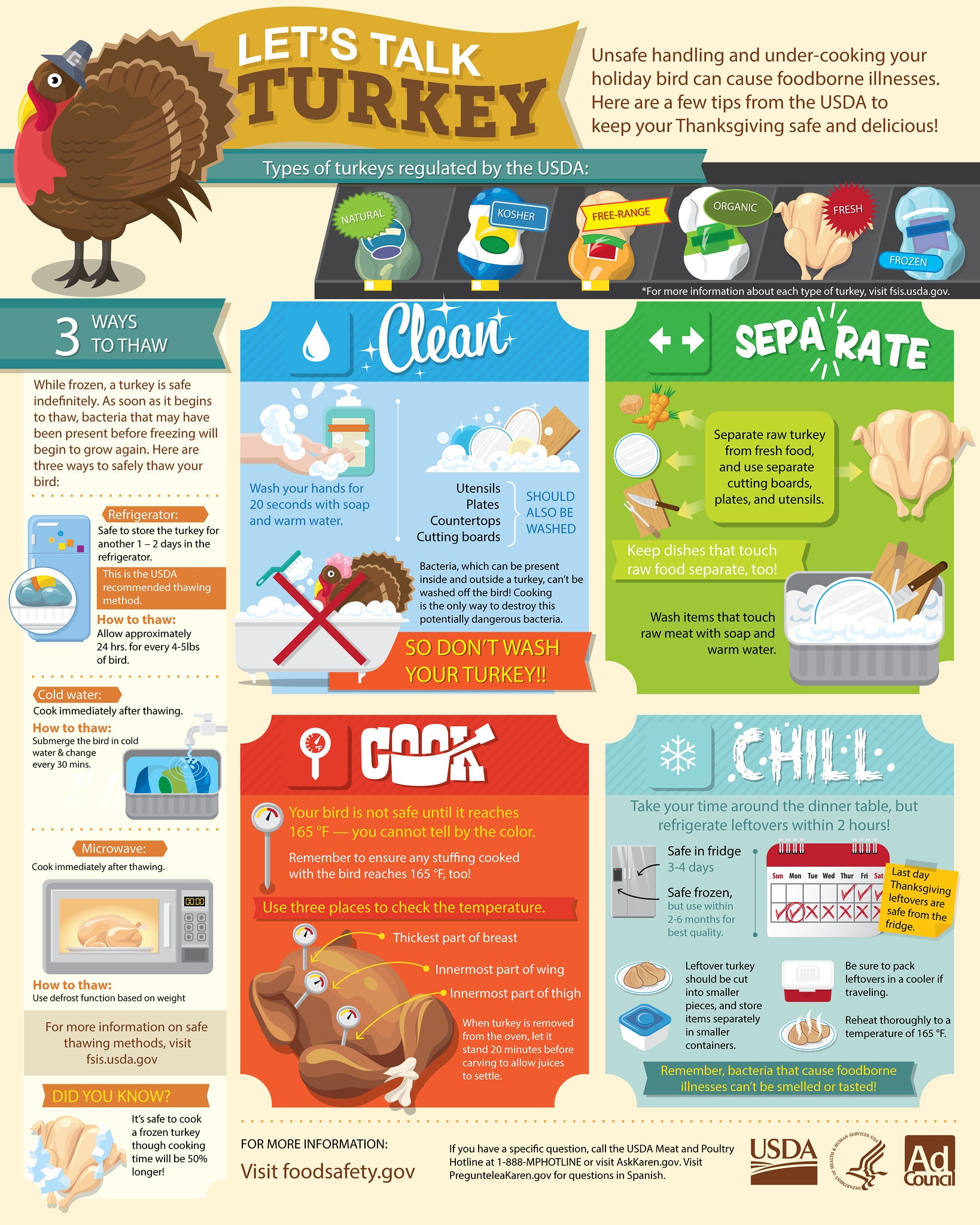
Are you planning on hosting Thanksgiving this year or in charge of bringing a side to dinner? Keep yourself, your family, and your friends healthy this holiday season by safely handling, preparing, and serving food. Avoid foodborne illness by following the Four Steps to Food Safety:
- Clean: Wash your hands and surfaces often
- Separate: Don’t cross-contaminate
- Cook: Check that food has reached the right temperature
- Chill: Refrigerate promptly
Visit the CDC for Thanksgiving food cooking tips.
|
|
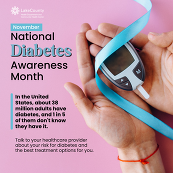
In the United States, about 38 million adults have diabetes, and 1 in 5 of them don't know they have it. National Diabetes Awareness Month aims to bring attention to diabetes through education and to encourage early detection and screenings. In the last 20 years, the number of adults diagnosed with diabetes has more than doubled. Diabetes can damage the eyes, kidneys, nerves, and heart, and it is linked to some types of cancer. There are three types of diabetes:
- Type 1 diabetes: the body makes little or no insulin. A person has to take insulin every day and it is unknown how to prevent type 1 diabetes.
- Type 2 diabetes: the body doesn’t use insulin well and can’t keep blood sugar at normal levels. This can be prevented or delayed with healthy lifestyle changes.
- Gestational diabetes: the body can develop gestational diabetes while a woman is pregnant and usually goes away after the baby is born.
Talk to your healthcare provider about your risk for diabetes and the best treatment options for you.
Visit the CDC’s Diabetes page to learn more.
|
|
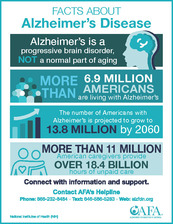
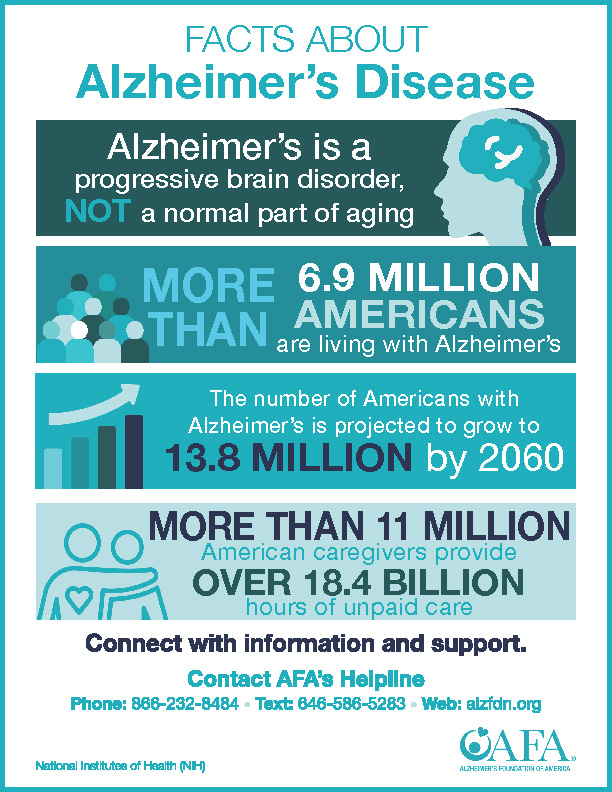
November is National Alzheimer’s Awareness Month. Over 7 million Americans are living with Alzheimer's. By 2050, this number is projected to rise to nearly 13 million. Alzheimer’s disease is the most common type of dementia with early symptoms typically appearing after age 60, and the risk increases with age. Alzheimer’s is a progressive brain disorder that is not a normal part of aging.
It is not yet fully known what causes Alzheimer's disease but there are healthy lifestyle habits that can lower your risk of developing it.
Visit the CDC to learn more about Alzheimer’s.
|
|
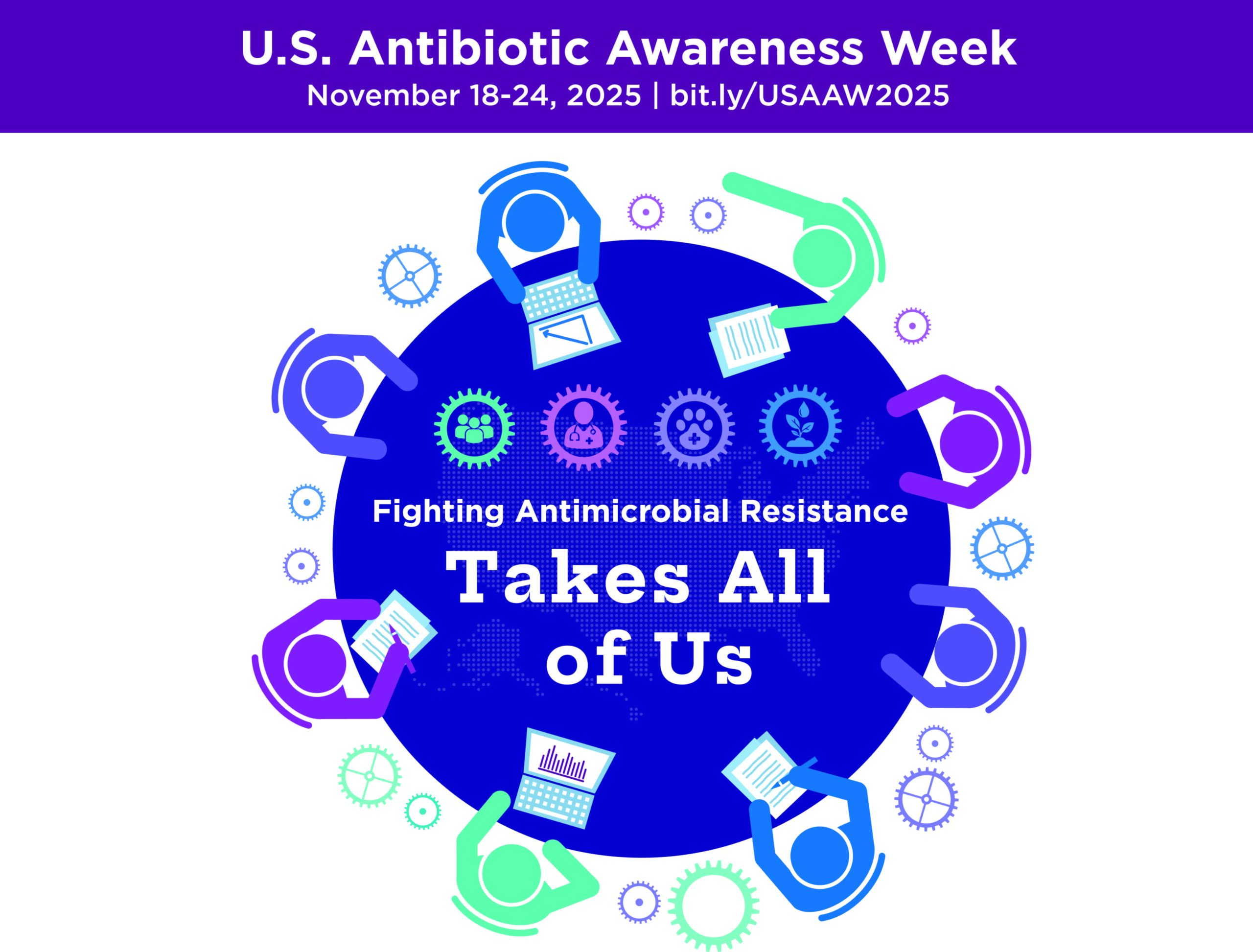
U.S. Antibiotic Awareness Week is observed annually from November 18-24. This year's theme, “Fighting Antimicrobial Resistance Takes All of Us," raises awareness around the importance of using antibiotics and antifungals appropriately, and the threat that antimicrobial resistance (AR) poses to people, animals, plants, and their shared environment.
Antibiotics only treat certain infections caused by bacteria, such as:
- Strep throat
- Whooping cough
- Urinary tract infection (UTI)
Some bacterial infections, such as many sinus infections and some ear infections, do not require antibiotics.
Antibiotics DO NOT treat viruses like the common cold, flu, RSV, or COVID-19. Other medications, like antivirals, can treat viruses. However, respiratory viruses usually go away in 1-2 weeks without treatment. Learn more about what antibiotics do and do not treat.
If you are sick, ask your healthcare professional about the best way to feel better while your body fights off the virus.
For more information about antimicrobial resistance and how it relates to animal health and agriculture and the environment, visit the CDC’s U.S. Antibiotic Awareness Week page.
|
|

The Great American Smokeout occurs annually on the third Thursday in November. Quitting smoking isn’t easy. It takes time. And a plan. You don’t have to stop smoking in one day. Start with day one. You can set a day to quit as soon as tomorrow or up to 30 days from now. Be sure to give yourself enough time to come up with a quit plan, but not so much time that you’ll change your mind. Quitting tobacco is beneficial at any age. No matter what age you are, you will feel the benefits of quitting smoking right away, and those benefits will continue to grow over time.
Smoking remains the single largest preventable cause of death and illness in the world. On November 20, join many people across the country in taking the path towards a healthier life and reducing your cancer risk.
Get help quitting smoking by calling (847) 377-8090 or visiting lakecountyquits.com.
|
Where do I find information about...
Who can I contact to ask a question about...
-
Lake County Health Department Services: Call (847) 377-8000
-
COVID-19 in Illinois: Contact the Illinois Department of Public Health at 1-800-889-3931 or DPH.SICK@ILLINOIS.GOV
|
|
|
|
|