|
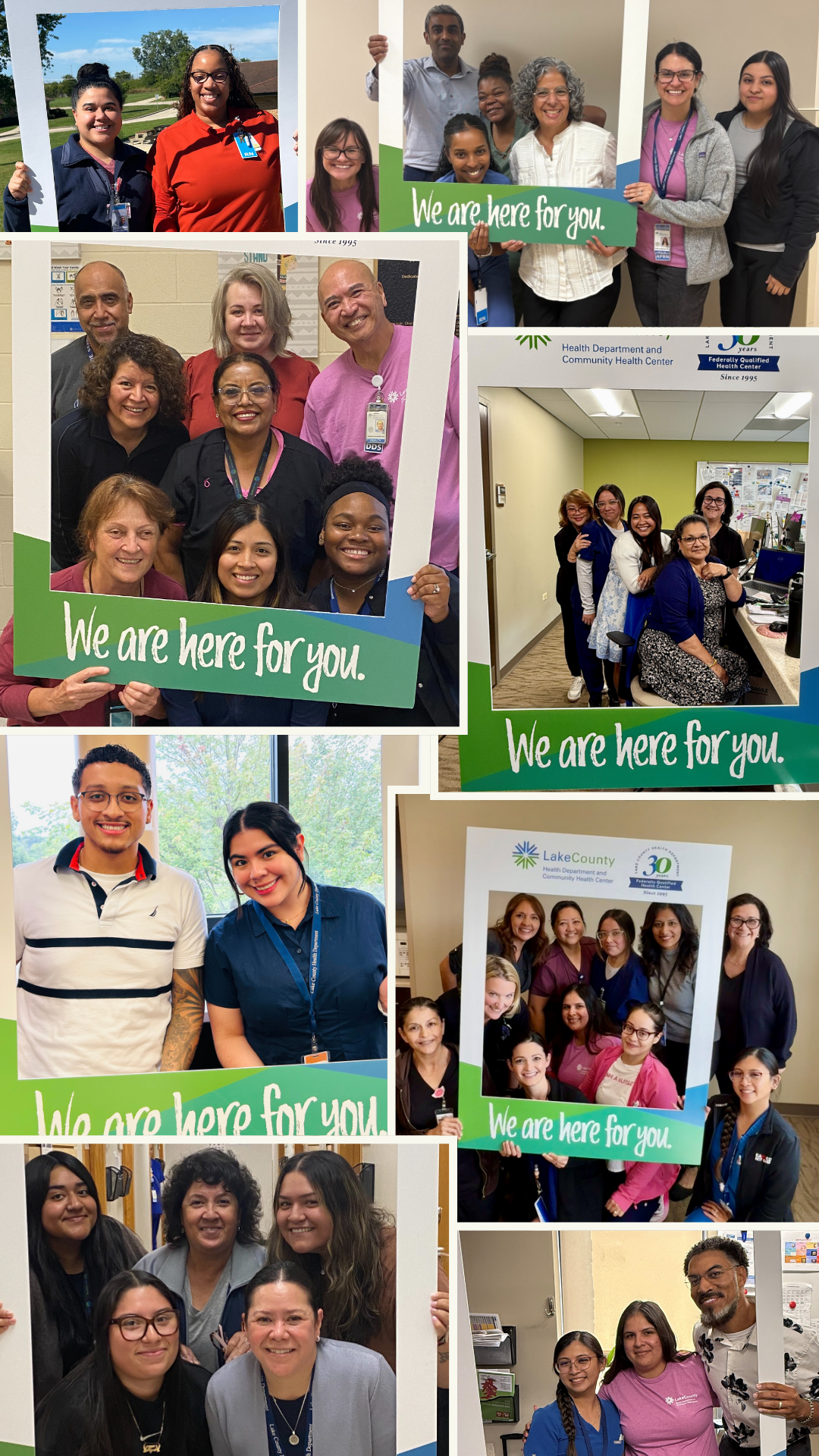
The Lake County Health Department and Community Health Center proudly celebrates its 30th anniversary as a Federally Qualified Health Center (FQHC), marking three decades of dedicated service to the health and well-being of Lake County residents.
Since first receiving the designation of an FQHC Look-Alike in September 1995, and later becoming a fully funded Section 330(e) Community Health Center in May 1998, the Health Department has remained steadfast in its mission to expand access to high-quality, affordable health care—regardless of a person's ability to pay.
“This milestone is not only a celebration of our history but a recommitment to the people we serve,” said Chris Hoff, Executive Director of the Lake County Health Department and Community Health Center. “We are proud of our legacy and look forward to the future as we continue to innovate, grow, and break down barriers to care.”
|
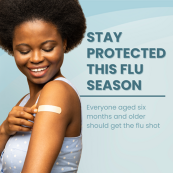
Stay ahead of flu season by getting your seasonal flu vaccine as soon as possible. It is recommended that everyone aged six months and older get the flu shot in early autumn. Getting a flu vaccination has many benefits, including:
- Reducing your risk of infection
- Reducing the severity of the flu
- Preventing hospitalizations and deaths in people who get vaccinated but still get sick
- Protection for vulnerable populations
Visit the CDC’s Influenza page for more information about protecting yourself and your family from the flu. Visit Vaccines.gov to find flu shot locations near you.
|
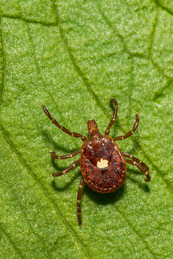
Though the seasons are changing, ticks continue to be active as long as the ground temperature is above 45 degrees Fahrenheit. Ticks typically are most active during the warmer months (April-September). Illinois is host to a number of ticks, including the lone star tick. The lone star tick has mainly been found in the southern half of Illinois, though they can occasionally be found in northern Illinois.
A bite from the lone star tick can trigger a person’s reaction to the sugar molecule alpha-gal. Alpha-gal is found in meat (pork, beef, rabbit, lamb, venison, etc.) and products made from mammals (including gelatin, cow’s milk, and milk products). It is not found in fish, reptiles, birds, or people. Alpha-gal syndrome (AGS) can also be known as the “red meat allergy.” AGS can be a serious, potentially life-threatening allergic reaction. Symptoms of AGS can occur after people are exposed to products that contain alpha-gal.
The best way to protect yourself and your family from ticks is by practicing the four steps of tick prevention (Dress, Defend, Check, Remove) if you spend time in areas with ticks.
For more information about staying protected from ticks, visit FightTheBitenow.com.
|

World Suicide Prevention Month
1 in 20 U.S. adults (5%) have serious thoughts of suicide each year. World Suicide Prevention Month serves as a time to remember those affected by suicide, raise awareness, and to promote resources. This year’s theme, “Start a Conversation. Be the Difference,” encourages people to ask how someone is doing and really listen. One honest conversation can be a turning point in someone’s life, showing them that they are not alone and that help is out there.
Suicidal thoughts, much like mental health conditions, can affect anyone regardless of age, gender, or background. While suicidal thoughts are common, they should not be considered normal, and they often indicate more serious issues. Know the signs of suicide and visit the National Alliance on Mental Illness for more information and resources.
If you or someone you know is experiencing a mental health crisis, call or text 988 or visit our Crisis Care Program page for more resources.
|
 |
National Preparedness Month
Disasters and emergencies like power outages, weather hazards, home fires can happen at any time. National Preparedness Month aims to raise awareness about the importance of being prepared for disasters and emergencies. This year's theme, " Preparedness Starts at Home," encourages people to get more prepared for whatever comes their way by taking these four steps:
- Know the different types of emergencies or disasters that could happen in your area and ways to stay safe
- Make a family emergency plan by knowing what to do, and where and when to go
- Have an emergency supply kit
- Get involved in your community by taking action to prepare for emergencies
Find information and tips on how to protect yourself and your family before, during and after emergencies and disasters by visiting Ready.gov’s Disasters and Emergencies page. Ready.gov offers a free downloadable family emergency plan.
|
|

National Food Safety Education Month
National Food Safety Education Month aims to promote proper food handling to avoid foodborne illness. Foodborne illness, also known as food poisoning, is an illness that comes from eating contaminated food. With many gathering for football games and the upcoming holidays, it is a good time to refresh on best practices for handling food and avoiding foodborne illness.
The symptoms of foodborne illness may occur within minutes or take weeks and often present as flu-like symptoms and can include nausea, vomiting, diarrhea, cramping, fever, and chills. Some cases of foodborne illness can lead to hospitalization and even death.
Foodborne illness is preventable by following the basic safety guidelines— clean, separate, cool, and chill:
- Clean: Wash your hands, surfaces, and utensils frequently
- Separate: Keep raw foods and ready-to-eat foods separate
- Cook: Cook food to the correct temperature
- Chill: Refrigerate food promptly
Visit the Food and Drug Administration for more safe food handling tips.
|
|

National Recovery Month
National Recovery Month was first observed in September 1989. This annual observance celebrates the achievements made by those in the recovery community, promoting treatment and recovery practices, highlighting the dedication of service providers and communities who make recovery possible. This year’s theme, "Recovery is REAL (Restoring Every Aspect of Life)," emphasizes that with the right treatment, support, and resources, recovery is possible.
Visit the CDC to learn more about recovery and how you can support those around you. For resources and support in our area, call 211 or visit 211lakecounty.org.
|
|
World Rabies Day
Rabies is a viral disease that can be fatal to people if they do not receive medical care before symptoms start. World Rabies Day is observed annually on September 28, marking the anniversary of Louis Pasteur's death, the developer of the first rabies vaccine. It is also a day to raise awareness about rabies prevention and to highlight the tools being used to combat this disease.
Although rabies is well controlled in the United States, the best way to avoid rabies is to keep your distance from wildlife. Any mammal can get rabies, but the most commonly affected animals in the United States are bats, raccoons, skunks, and foxes. Do not entice animals by offering them food, and never approach injured animals; instead, contact animal control for assistance when needed.
When traveling outside of the United States, avoid contact with dogs and other animals because rabies is common in other countries. If you plan to travel out of the country, be sure to visit the CDC's Traveler's Health page to check your destination's travel health notices.
If you have an animal encounter that results in a bite, scratch, or are unsure, take the following steps:
- Don't engage with the animal
- Wash the wound with soap and water
- Talk to a healthcare provider about whether you need treatment for rabies
The Health Department offers rabies and distemper vaccines to all dogs and cats residing in Lake County. Visit our Pet Clinics & Costs page for more information, and call (847) 377-4700 to schedule an appointment.
Visit the CDC to learn more about rabies.
|
|
Where do I find information about...
Who can I contact to ask a question about...
-
Lake County Health Department Services: Call (847) 377-8000
-
COVID-19 in Illinois: Contact the Illinois Department of Public Health at 1-800-889-3931 or DPH.SICK@ILLINOIS.GOV
|
|
|
|
|