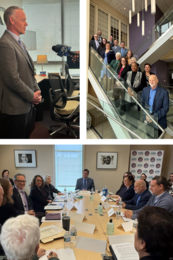
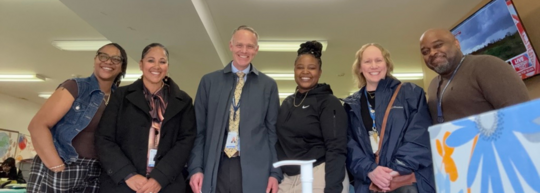
Last month, we welcomed our new Executive Director, Chris Hoff. Remarking on his time at the Health Department thus far, Chris said, “it’s been busy and rewarding!”
Over the last few weeks, Chris has spent time meeting staff across the organization both in-person and at an agency-wide town hall, touring the construction work at the North Chicago Health Center and Group Home, and meeting with some of the Health Department's key partners in the community.
He recently participated in an event with Congressman Brad Schneider focused on the urgent need to protect Medicaid in our community. He also traveled to Springfield to meet with leadership from the Illinois Department of Public Health and many local health department directors from across the state to identify ways to enhance public health in Illinois.
Chris looks forward to continuing the Health Department's vision to promote the health and well-being of all who live, work, and play in Lake County.
|
  |
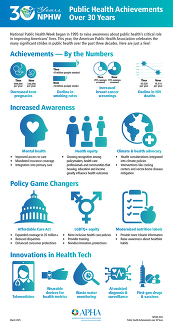
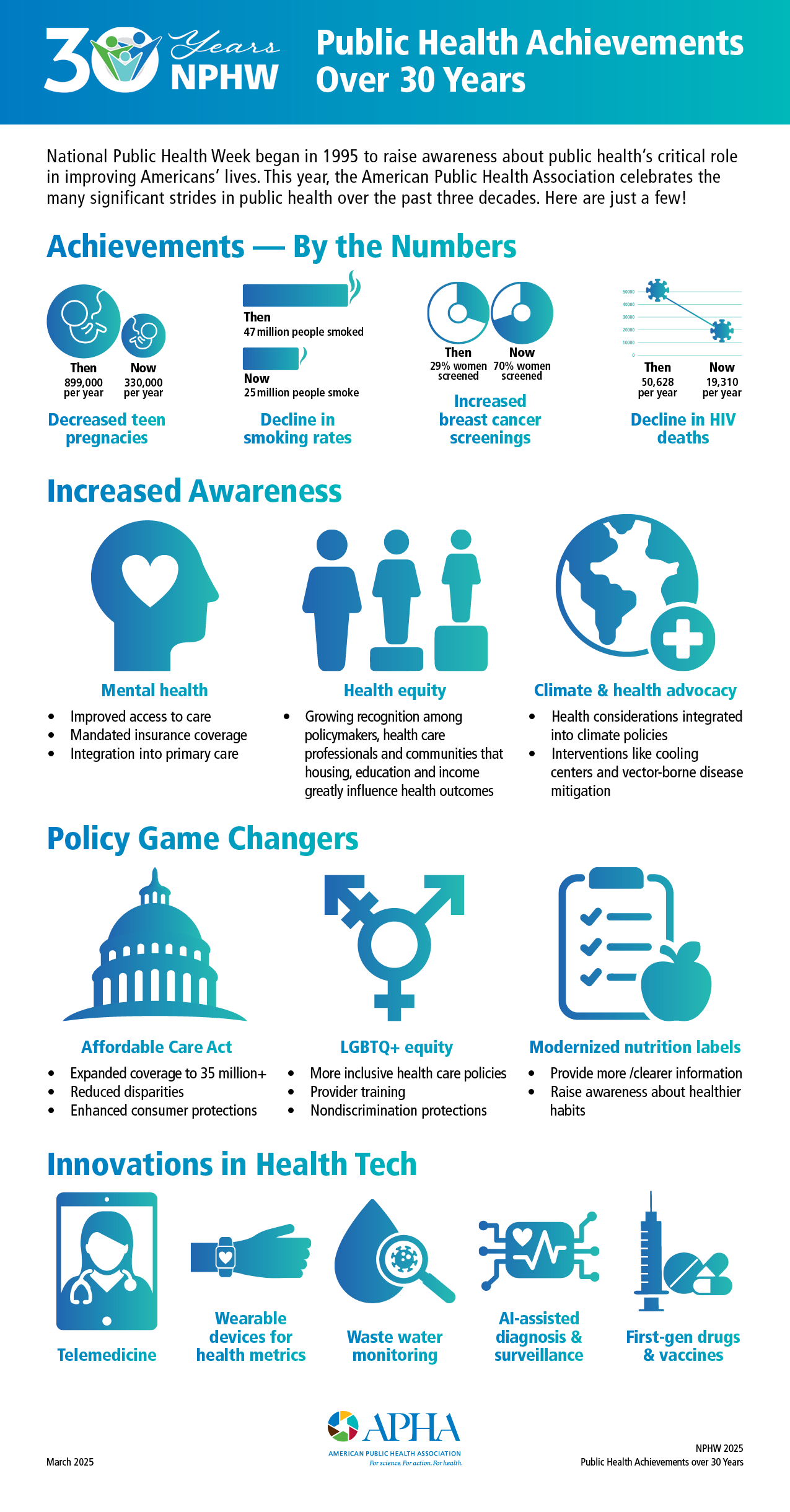
NPHW 2025 marks the 30th anniversary of National Public Health Week! This year’s theme is “It Starts Here,” highlighting the importance of making a difference in our home, community, and state.
We are all stronger—and healthier—together through the efforts of organizations like the American Public Health Association, local health departments, and others that advocate for healthy communities.
In the past 30 years significant strides have been made in public health, including the following public health successes:
- Deaths due to HIV/AIDS, which peaked in 1994, have dropped significantly due to treatments for HIV ensuring most people with HIV can live normal lifespans and prevention tools like PrEP significantly reduce transmission.
- Smoking rates, which were as high as 25.5% among U.S. adults in 1994, have now fallen to 11.4 % due to comprehensive smoke-free policies, public awareness campaigns, and taxation of tobacco products.
- Lead poisoning, with 4.4% of U.S. children having elevated blood lead levels in 1994, has now fallen to less than 0.5% due to policies banning leaded gasoline and reducing lead in paint, pipes, and water systems.
Visit National Public Heath Week for more information about the daily themes that make up this year’s overall theme of “It Starts Here.”
|
|
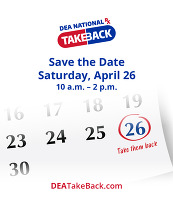
Mark your calendars! The Drug Enforcement Administration’s (DEA) National Prescription Drug Take Back Day will be happening on Saturday, April 26 from 10 a.m. – 2 p.m. This event offers free, safe, and anonymous disposal of old and unneeded medications at thousands of local drop-off locations nationwide. Proper disposal of unneeded drugs saves lives and protects the environment and our overall community. Find a collection site near you!
|
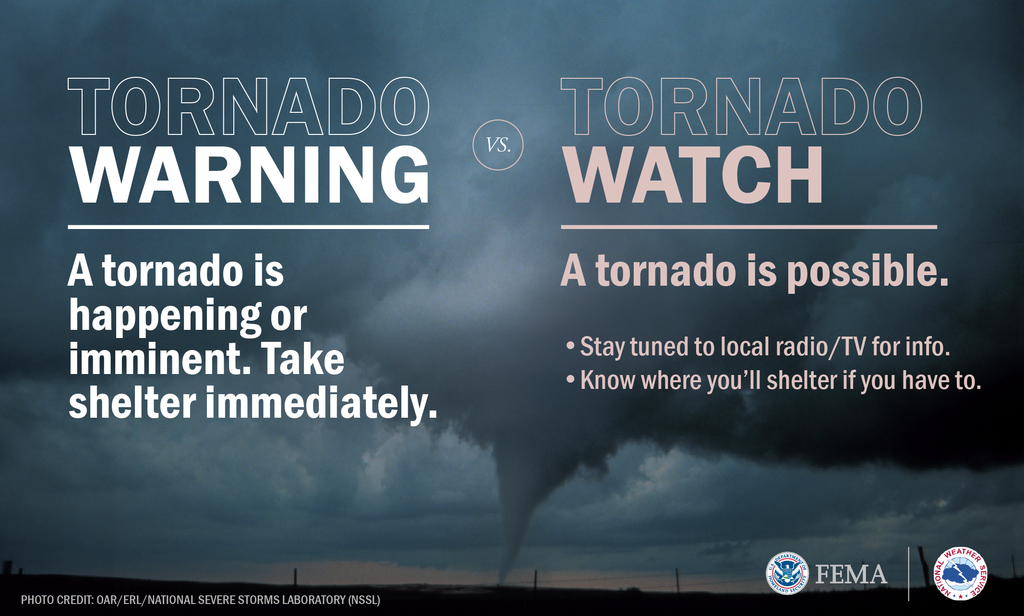 Severe weather season is upon us and the best time to prepare for severe weather is before it is in the forecast. The Illinois Emergency Management Agency (IEMA) recommends that you:
- Keep all important records and documents in a secure waterproof container.
- Make an inventory of possessions using lists and photos/videos.
- Insure your property and possessions.
- Know how to shut off electricity, gas, and water.
- Compile an emergency kit and "go bag" to help your family for at least three days during extended power outages or evacuations.
-
Make a plan and build a kit for your pets.
- In case power is out, make sure flashlights have fresh batteries.
- Generators should only be run outside, never indoors or in enclosed spaces.
We encourage everyone to stay weather aware when severe weather is in the forecast. IEMA offers a helpful guide providing information about the dangers of floods, tornadoes, severe thunderstorms and lightning. IEMA’s Severe Weather Preparedness Guide and Ready.gov are both great resources with tips on how to prepare and stay safe if severe weather impacts your area.

Are you prepared to spring into action? An overdose can happen anywhere— that is why it is good to be prepared and always carry naloxone with you. Naloxone can be a life-saving medication that may be able to reverse an overdose from opioids — including heroin, fentanyl, and prescription opioid medications — when given in time.
If you or someone you care for uses opioids, carry naloxone. Visit Naloxone Saves Live to order free naloxone today!
|
|

National Stress Awareness Month
National Stress Awareness Month occurs annually in April to bring attention to the negative impact stress can have on your life. Being able to recognize common symptoms of stress can help you manage them. Managing stress can improve both your mental and physical well-being. Stress can cause a number of problems, including feeling different emotions (anger, sadness, worry), changes in appetite, trouble sleeping, and physical reactions (headaches, stomach problems). Luckily there are many healthy ways to cope with stress, such as:
- Taking care of your body (eat healthy, get enough sleep, exercise)
- Take breaks from the news (including social media)
- Limit alcohol intake
- Connect with others
- Continue with regular health appointments
Visit the CDC for more ways to manage stress.
|
|
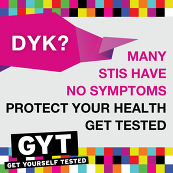
STI Awareness Week
Sexually transmitted infections (STI) Awareness Week occurs during the second week in April. This national annual campaign that focuses on raising awareness about STIs and how they impact our lives; reducing STI-related stigma, fear, and discrimination; and ensuring people have the tools and knowledge for prevention, testing, and treatment.
Did you know that many STIs don’t have symptoms? The only way to know your status is to get tested. STIs can affect people of all ages; the good news is that STIs are preventable. Reduce your risk of getting an STI by using a condom when intimate, getting tested regularly, and knowing your partner's STI status.
Talk to your healthcare provider to see if you should get tested. Visit the CDC for general information and resources about sexually transmitted infections.
|
|
National Infant Immunization Week
National Infant Immunization Week (NIIW), occurring April 21-28, highlights the importance of protecting infants and young children from vaccine-preventable diseases. On-time vaccination is critical to providing protection against serious diseases like measles, whooping cough, and polio. By vaccinating infants according to the CDC's recommended schedule, parents can protect their babies from serious diseases. Infants who are not vaccinated are at risk of getting sick as well as getting those around them sick. By getting your infant vaccinated, you’re also protecting your friends, family, and the community.
Talk to your child’s healthcare provider with any questions or concerns you might have.
|
|
Earth Day— April 22, 2025
The very first Earth Day occurred on in 1970 on April 22 and has been recognized annually on April 22 to raise awareness about the health of our environment and promote changes we can make every day to create a healthier planet. This year’s theme, “Our Power, Our Planet,” invites everyone around the globe to unite behind renewable energy.
Visit Earth Day 2025 and 52 Ways To Invest In Our Planet for actions you can take, both big and small, to make a difference.
|
Where do I find information about...
Who can I contact to ask a question about...
-
Lake County Health Department Services: Call (847) 377-8000
-
COVID-19 in Illinois: Contact the Illinois Department of Public Health at 1-800-889-3931 or DPH.SICK@ILLINOIS.GOV
|