
 Have you received your annual flu shot yet? Everyone six months and older should get vaccinated against the flu. The flu vaccine can reduce flu illnesses, doctor’s visits, and hospitalizations. Although the most common time to get your flu shot is early in the fall, you can still get your annual flu shot through the spring.
It is important to get the annual flu vaccine because the vaccine typically changes each year and contains the three flu virus strains that are expected to circulate and cause illness in the U.S. during the upcoming flu season. Getting a flu vaccine will not make you sick with the flu. The vaccine triggers your immune system to produce antibodies to protect against influenza disease — it will not make you sick with the flu.
Talk to your healthcare provider if you have any questions and visit the CDC for more information about seasonal flu vaccine.
Find a flu vaccination location near you by visiting vaccines.gov.
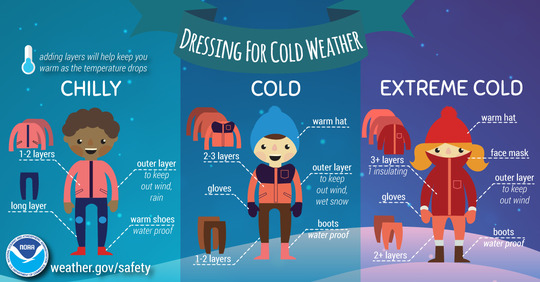
January is forecasted to be much colder with the possibility of an arctic blast. When it is cold outside, your body can lose heat faster than it can be produced, leading to serious health problems such as hypothermia and frostbite. It is best to avoid prolonged time outdoors in extreme cold. If you must spend time outside, dress yourself, your family, and your pets appropriately. Wear layers of loose-fitting and lightweight clothing— the trapped air in between the layers will insulate you. Pets should be kept indoors as much as possible.
View the list of warming centers around Lake County if you or someone you know needs a warm place to get out of the cold.
 On Friday, December 20, a joint press release was issued by the Illinois Department of Natural Resources (IDNR), Illinois Department of Public Health (IDPH), and Illinois Department of Agriculture (IDOA) detailing the current avian flu situation affecting waterfowl throughout the state.
Avian flu, also known as bird flu, is a virus that spreads naturally among wild aquatic birds worldwide and can infect domestic poultry and other bird and animal species. While the risk to humans remains low, follow these tips to stay safe and informed:
- Do not handle or attempt to capture sick or dead birds.
- Keep pets away from bird carcasses to prevent infection.
- Report dead birds, especially five or more at one location, to IDNR.
- Report flu-like symptoms after exposure to sick or dead birds to your local health department immediately.
- If you must remove a dead bird from your property, refer to IDPH’s safe bird disposal guide.
Read through the original press release and visit the CDC for more information about preventing bird flu.
 Have you updated or enrolled in a health plan for 2025? Protect your family's health with an affordable insurance plan through the Health Insurance Marketplace. All HealthCare.gov plans cover essential benefits like preventive services and prescriptions. Open enrollment officially ends on January 15. Sign up or update your plan by the January 15 open enrollment deadline for coverage starting February 1, 2025. After January 15, you can enroll in or change plans only if you qualify for a special enrollment period.
 January is Radon Action Month—a time educate the public about radon and encourage testing. Radon is an odorless and colorless gas that naturally occurs in rock and soil. Radon gas can build up in homes over time and can't be seen, tasted, or smelled - making it easy for radon problems to go unnoticed. Elevated radon levels can be found in all homes: old, new, basement, or no basement. Radon is the second leading cause of lung cancer and the leading cause of lung cancer deaths among nonsmokers in America. There is no known safe level of radon, and you should always aim to have the lowest level. The only way to know your indoor air quality is to test.
Test your homes radon levels with a short-term testing kit for $10.00 from the Health Department, available at 500 W. Winchester Rd., Libertyville. The cost includes return postage, laboratory analysis and interpretation by Health Department staff. If the test results reveal elevated levels of radon in your home, contact a radon professional to evaluate and fix the problem. Visit the Health Department’s Radon page for more information. Learn more about radon at epa.gov/radon.
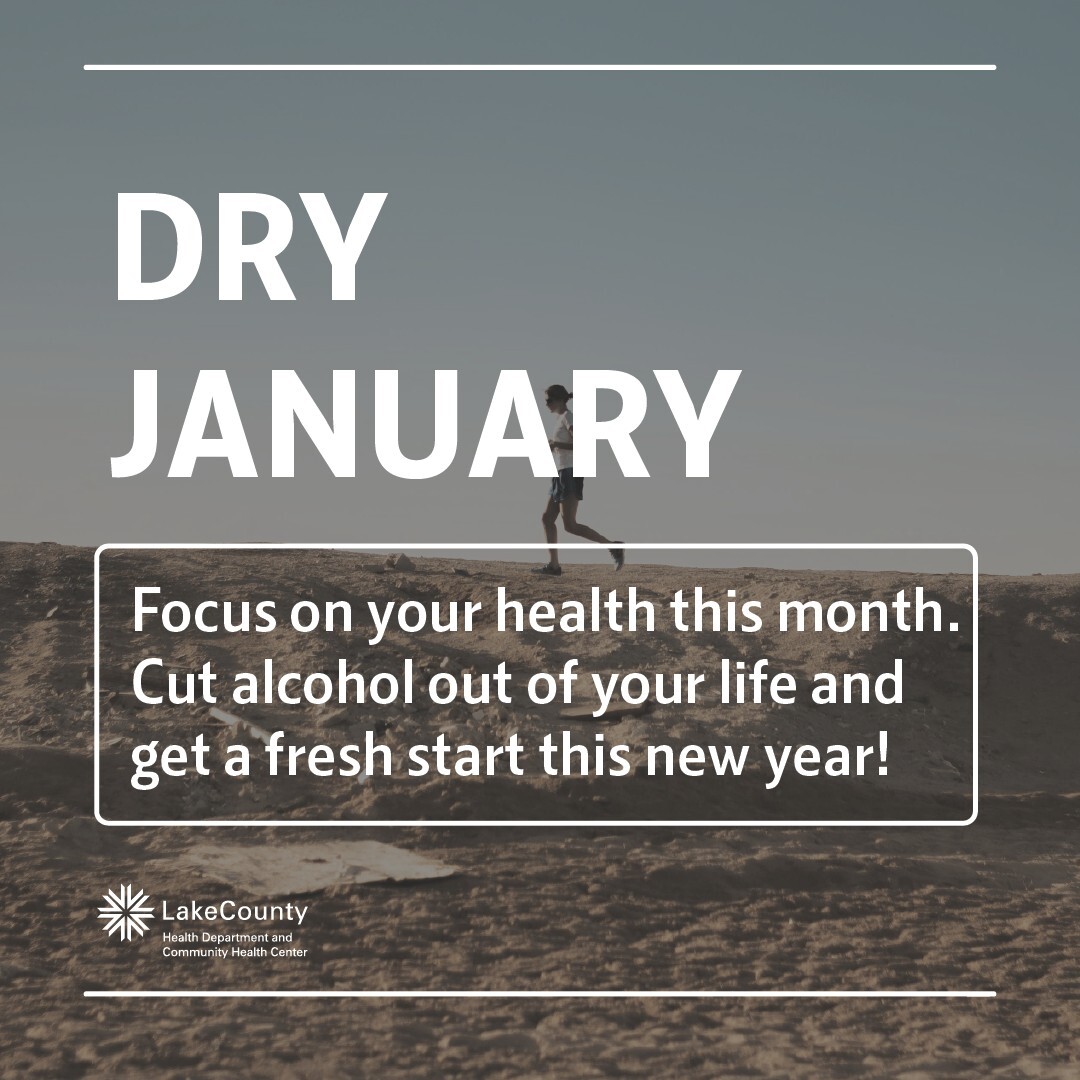 The start of a new year often invites individuals to look at their habits with many focusing on bettering their health. Dry January is a public health initiative that encourages people to give up drinking alcohol for 31 days.
People may consume alcohol for a number of reasons including relaxing, socializing, dealing with stress and anxiety, or help falling asleep. Taking a break from alcohol for a month can help a person assess their alcohol consumption and how it affects them physically and mentally. This is also an opportunity to develop alternatives for relaxing, socializing, and coping with stress.
Cutting out alcohol for a month can make a noticeable difference in your overall health— including better sleep, more energy, and weight loss.
Visit the CDC for more information and resources about alcohol use and your health.
Cervical Cancer Awareness Month
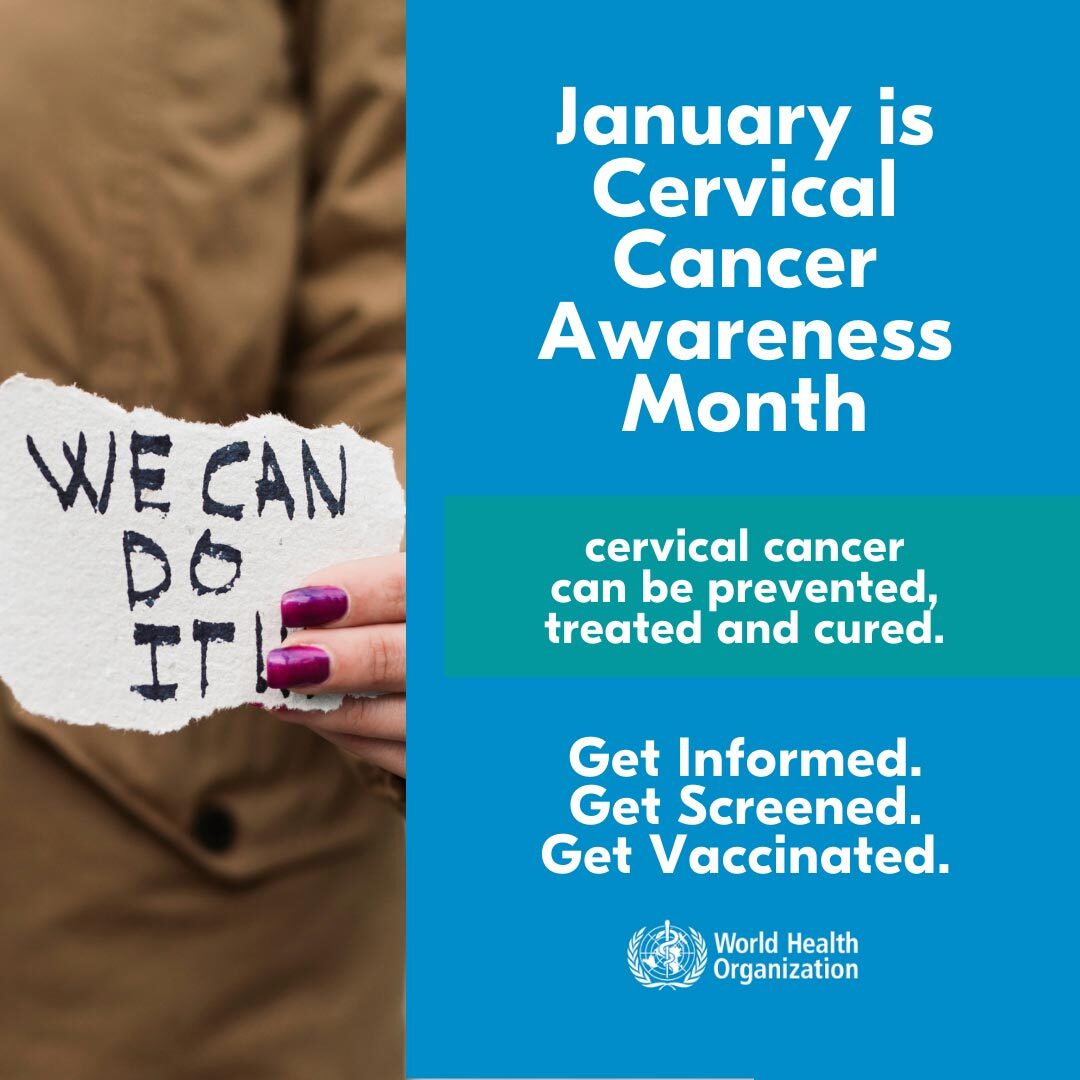 Through vaccination and regular screenings, cervical cancer is one of the most preventable cancers. Almost all cervical cancers are caused by human papillomavirus (HPV). HPV is a common virus spread through intimate skin-to-skin contact that can cause cancers later in life. Most HPV infections go away by themselves but sometimes HPV infections will last longer and can cause some cancers. Women can take steps to lower their risk for cervical cancer through regular screenings and by getting the HPV vaccine if recommended by your doctor.
More information and resources are available through the CDC and National Cervical Cancer Coalition.
Glaucoma Awareness Month
 Going to the eye doctor and getting your eyes checked regularly is a part of taking care of your overall health. Did you know that glaucoma is a leading cause of vision loss and blindness in the United States? Glaucoma can damage the optic nerve and cause vision loss and often has no early warning signs. Though there’s no cure for glaucoma, early treatment can often stop the damage and protect your vision. Don’t take your eyesight for granted—getting a comprehensive dilated eye exam is the only way to find out if you have it.
Anyone can get glaucoma but having a family history of glaucoma can put you at a higher risk of developing it. Talk with your relatives to find out if glaucoma runs in your family.
More information can be found through the CDC and National Eye Institute.
Where do I find information about...
Who can I contact to ask a question about...
-
Lake County Health Department Services: Call (847) 377-8000
-
COVID-19 in Illinois: Contact the Illinois Department of Public Health at 1-800-889-3931 or DPH.SICK@ILLINOIS.GOV
|