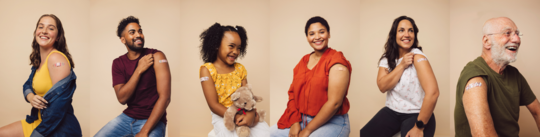
 Respiratory virus season is upon us, and now is the best time to protect yourself from severe illness, hospitalization, and death by getting your annual flu shot, updated COVID-19 vaccine, and RSV vaccine (if eligible).
Everyone six months and older is encouraged to get both a seasonal flu and an updated COVID-19 vaccine. The updated COVID-19 vaccines are meant to protect against newer variants of the coronavirus. Viruses change and vaccine effectiveness can wane over time. It is important to stay up to date on vaccinations.
RSV vaccinations are available and recommended for older adults, and a separate set – which includes two immunization options – to protect babies. The CDC recommends a single dose of an RSV vaccine for everyone ages 75 and older and for people ages 60–74 who are at increased risk of severe RSV. The CDC also recommends all babies be protected from severe RSV by one of two immunization options:
- Pregnant people should get a single dose of the maternal RSV vaccine during weeks 32 through 36 of pregnancy sometime between September and January
- Infants younger than 8 months of age who are born during or are entering their first RSV season (usually fall through spring). Normally, infants will receive the immunization the first week after birth or shortly before the RSV season if they are born outside of RSV season.
Please contact your or your child’s healthcare provider for more information.
The flu, COVID-19, and RSV vaccines can all be administered at the same time to eligible individuals. Visit Vaccines.gov to find a flu shot and COVID-19 vaccination near you.
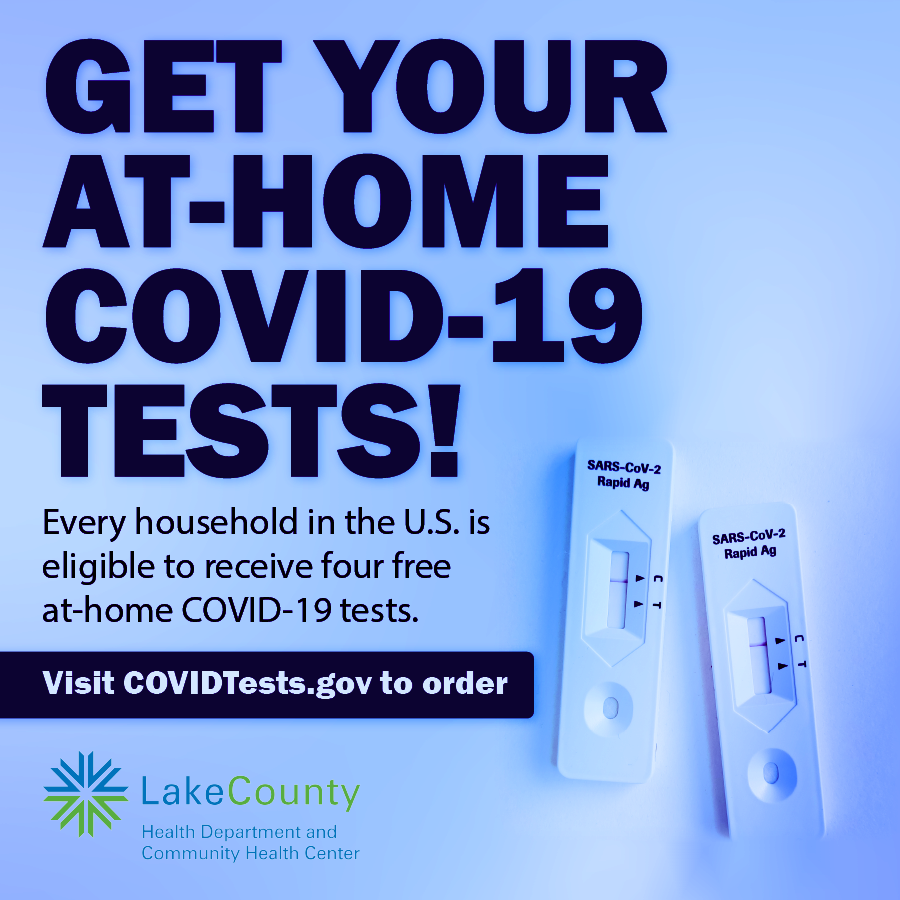 Be prepared for the upcoming respiratory season— U.S. households are now eligible to order four free at-home COVID-19 tests. COVID-19 tests are great to have on hand to help you decide what you should do next if you test positive, such as getting treatment or taking steps to lower your chances of spreading the virus to others. Visit COVIDTests.gov to order.
Check any unused and "expired" tests before throwing them out. Some test expiration dates have been expanded. Visit the FDA to check your tests.
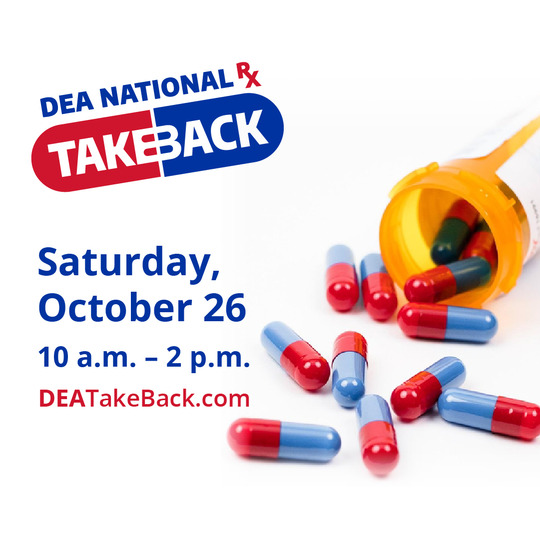 This year’s National Take Back Day is on Friday, October 26, 2024. This annual event is a safe, convenient, and responsible way to dispose of unused or expired prescription drugs at locations in your community.
Visit Take Back Day to find a collection location near you.
 |
Breast Cancer Awareness Month
October is Breast Cancer Awareness Month, a time to not only raise awareness but to also take action, and to support one another. Most breast cancer is found in women who are ages 50 and older, but did you know that about 1 out of every 100 breast cancers diagnosed in the United States is found in a man? Though breast cancer mainly occurs in women, men can get it too as they also have breast tissue. Each man's risk depends on whether he has risk factors for breast cancer.
Early detection of breast cancer can make it easier to treat. It is recommended that women who are 40 to 74 years old and are at average risk for breast cancer get a mammogram every 2 years. Talk to your healthcare provider about the best screening plan for you. Eligible Lake County women can receive free breast and cervical cancer screenings through the Illinois Breast and Cervical Cancer Program (IBCCP), located at the Lake County Health Department. Visit the Health Department’s Breast & Cervical Cancer Screening page for more information.
More information about breast cancer can be found by visiting the CDC and National Breast Cancer Foundation, Inc.
|
|
National Hispanic Heritage Month
Every year, from September 15 to October 15, National Hispanic Heritage Month takes place as a time to recognize and celebrate the many contributions, diverse cultures, and extensive histories of the American Latinx community. It is important to make healthy choices not only for you but for your family.
Visit the CDC to learn more about making healthy choices.
|
|
|
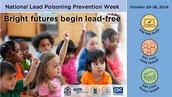
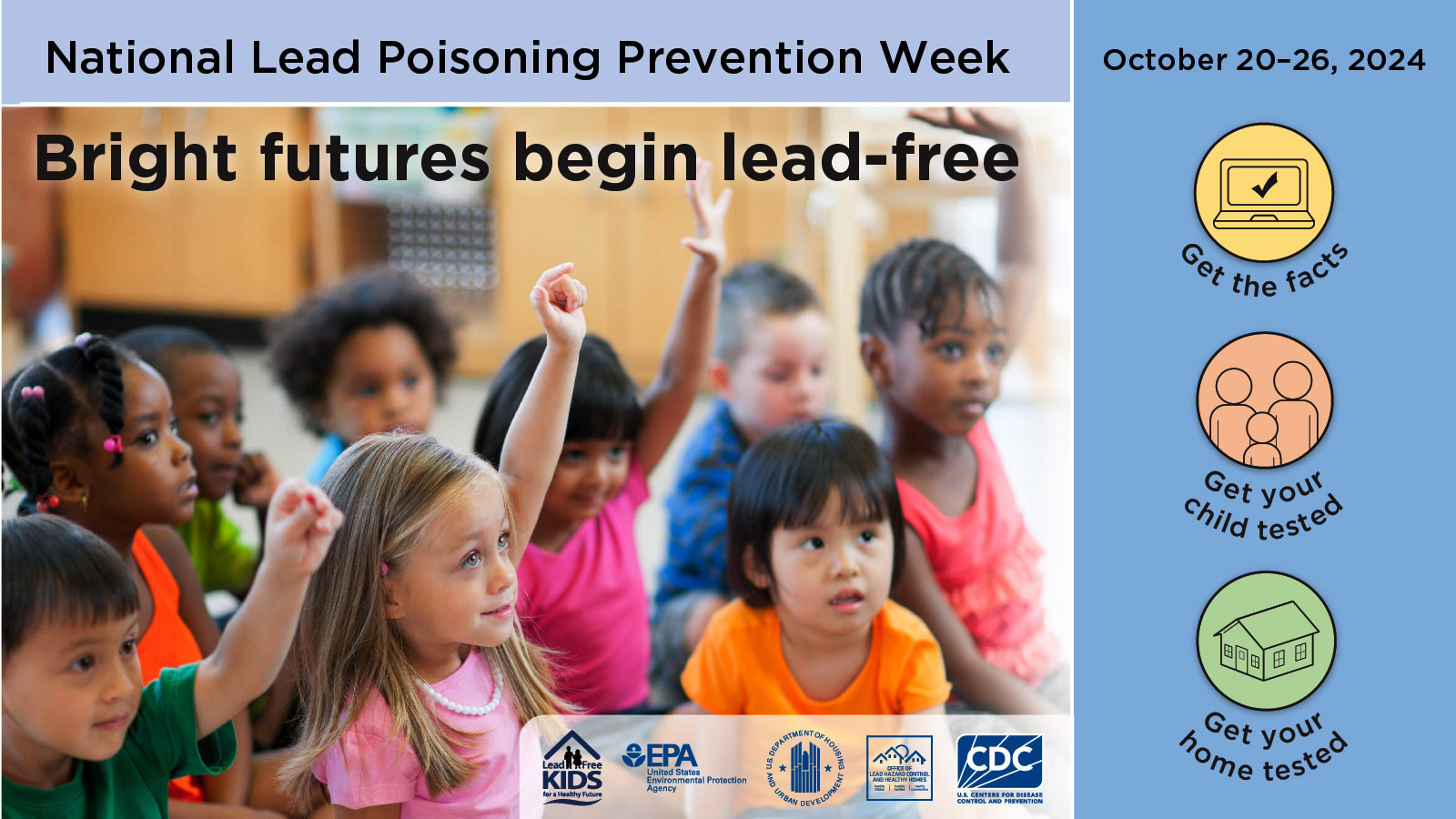
National Lead Poisoning Prevention Week, October 20–26, 2024, was established to increase lead poisoning prevention awareness in the hopes of reducing childhood lead exposure. This year’s theme is "Bright futures begin lead-free." No safe blood level in children has been identified. Children six years old and under are especially vulnerable because their bodies are still developing and growing rapidly.
You can take steps to prevent lead exposure today by:
- Getting the facts: Lead is still a problem in many communities. Learn about lead exposure, lead hazards, and how you can protect you and your family.
- Getting your child tested: A blood test is the best way to find out if your child has lead poisoning. Talk to your child’s healthcare provider about getting a blood lead test if your child may have been exposed to lead.
- Getting your home tested: Minimize your risk of lead exposure by hiring a certified professional to test your home for lead if it was built before 1978.
Parents of children with elevated blood lead levels in Lake County can contact the Health Department’s Childhood Lead Poisoning Prevention program.
|
|
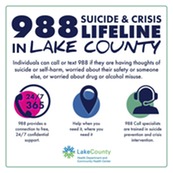
Depression Education and Awareness Month
October is National Depression Education and Awareness Month. Depression is a common mental health condition that can cause changes in how a person thinks, feels, and acts. In the U.S., depression affects about 16 million people each year, with about 1 in 6 adults experiencing depression at some point in their life. However, depression can affect anyone at any age, including children and teens.
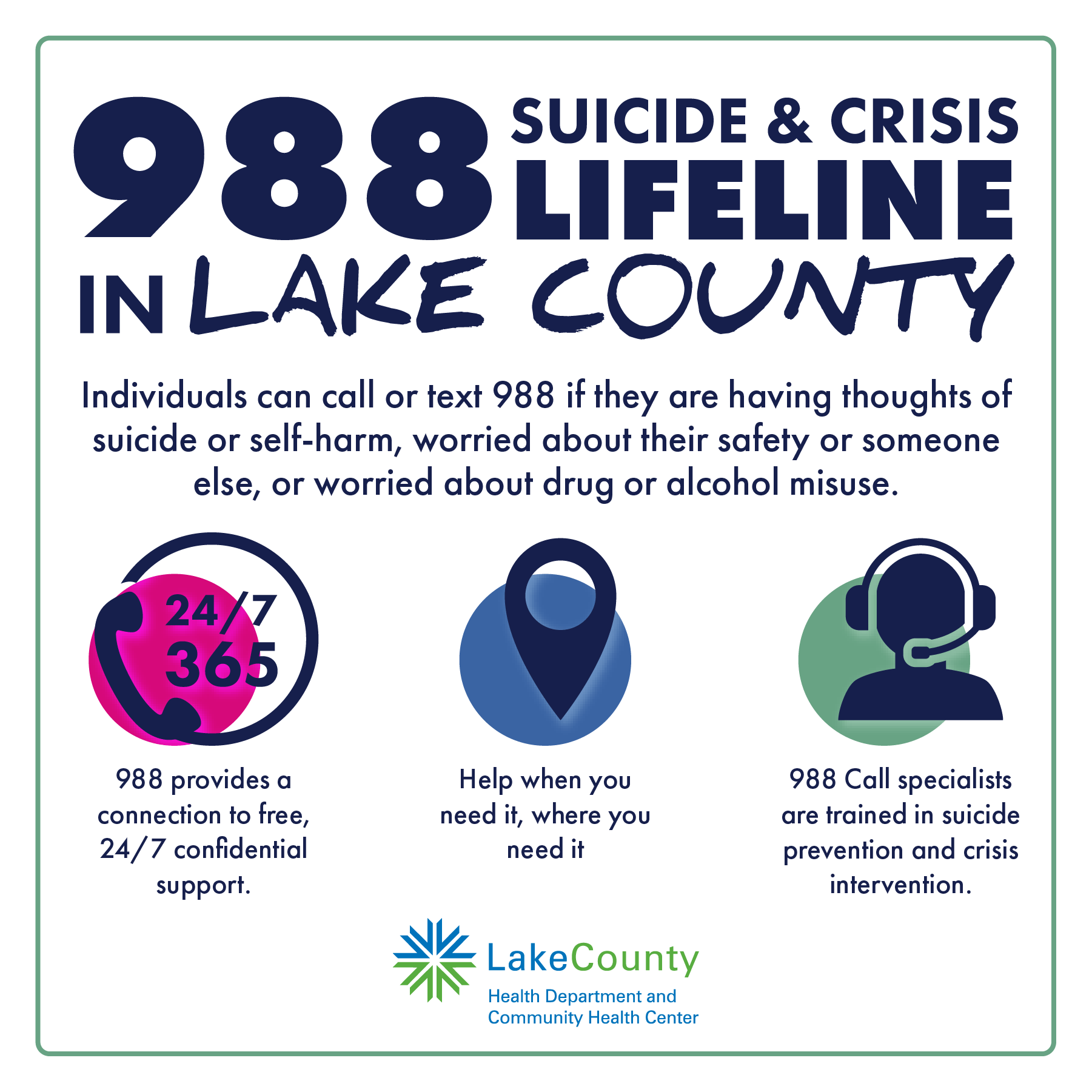
If you or someone you know is experiencing a mental health crisis, call or text 988 or visit our Crisis Care Program page for more resources.
|
|
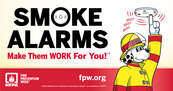
Fire Prevention Week
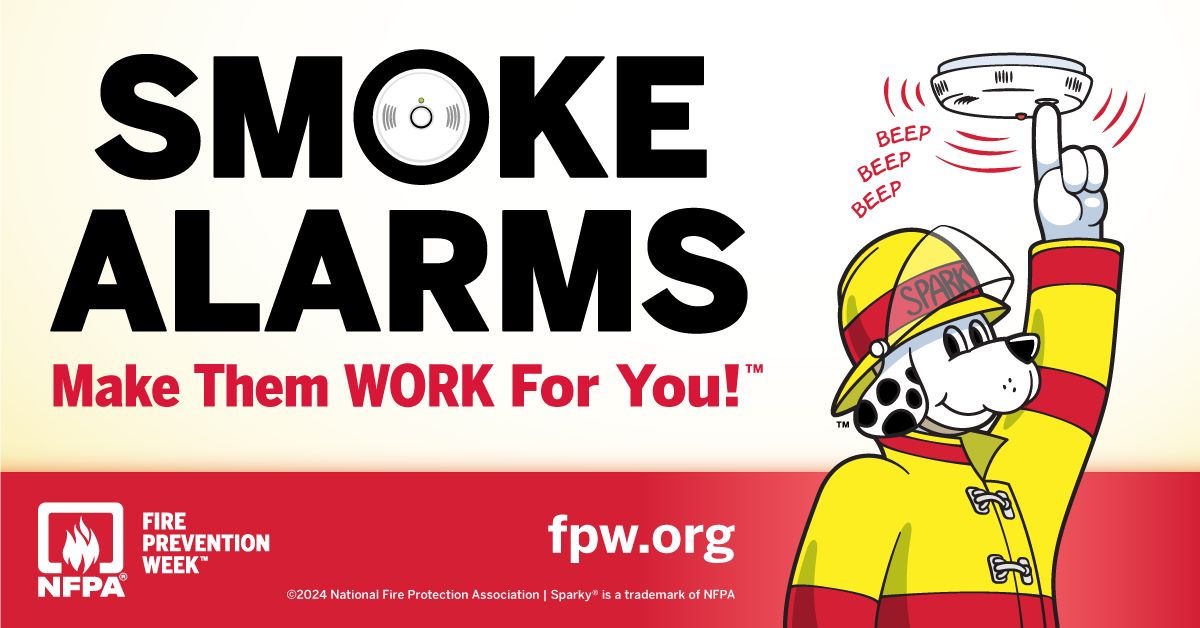
Fire Prevention Week is observed each year during the week of October 9 in commemoration of the Great Chicago Fire. This year’s theme, “Smoke alarms: Make them work for you!,” strives to educate everyone about the importance of having working smoke alarms in the home. Did you know that as of January 1, 2023, single and multi-family homes that are still using smoke alarms with removable batteries are required to install new alarms that feature 10-year sealed battery alarms? Smoke alarms can help to reduce the risk of dying in a home fire in half.
Every year, almost 1,000 smokers and nonsmokers are killed in home fires caused by cigarettes and other smoking materials, making this the number one cause of home fire deaths in the United States. Most fires caused by smoking materials start on beds or furniture, or in trash. Know the steps they can take to keep themselves and their families safe from fire.
The Health Department's Tobacco Free Lake County program offers resources and support to those looking to quit smoking. To make an appointment or to ask about the services below, call 847-377-8090 or email TFLC@lakecountyil.gov.
|
|
Where do I find information about...
Who can I contact to ask a question about...
-
Lake County Health Department Services: Call (847) 377-8000
-
COVID-19 in Illinois: Contact the Illinois Department of Public Health at 1-800-889-3931 or DPH.SICK@ILLINOIS.GOV
|