 COVID-19 Vaccinations
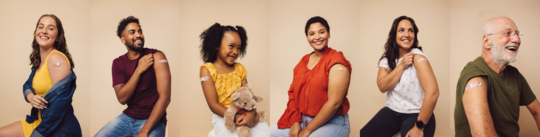
On August 22, 2024, the FDA approved and authorized updated COVID-19 vaccines that more closely target current circulating variants. COVID-19 vaccines prompt our bodies to recognize and protect us from severe disease, hospitalization, and death from the virus that causes COVID-19. The CDC recommends that everyone ages six months and older receive a 2024–2025 COVID-19 vaccine.
It is important to continue to protect yourself and others by:
Reach out to your healthcare provider if you have any questions. To find a vaccination location near, visit Vaccines.gov.
Flu Shot Information
Stay ahead of flu season by getting your seasonal flu vaccine as soon as possible. It is recommended that everyone ages six months and older get the flu shot sometime in September or October. Getting a flu vaccination has many benefits, including:
- Reducing your risk of infection
- Reducing the severity of the flu
- Preventing hospitalizations and deaths in people who get vaccinated but still get sick
- Protection for vulnerable populations
Visit the CDC’s Influenza page for more information about protecting yourself and your family from the flu. Find flu shot locations near you on Vaccines.gov.
Respiratory Syncytial Virus (RSV)
Respiratory syncytial virus, or RSV, is a common respiratory virus that usually causes mild, cold-like symptoms. Most people recover in a week or two, but RSV can be serious. Infants and older adults are more likely to develop severe RSV and need hospitalization. RSV vaccines can help to reduce the risk of severe illness and hospitalizations.
RSV Immunizations are available for:
- Everyone ages 75 and older
- Adults ages 60-74 that are at increased risk of severe RSV get vaccinated against RSV
- Pregnant women
- Infants and young children
Reach out to your healthcare provider with any questions about RSV immunizations.

The Health Department’s Animal Care and Control (ACC) program is in need of newspapers and asking the community for help!
Newspapers are regularly used to line cat cages and help keep animals' spaces clean; however, as more people get their news digitally ACC has seen newspaper donations decrease. Please share the word with friends and family–any amount of newspaper helps.
Newspapers can be dropped off at the shelter at 18736 W Peterson Rd, Libertyville, IL 60048 on Monday-Friday 830am-5pm and Saturday 8:30am-1pm.
Thank you for any help!
|
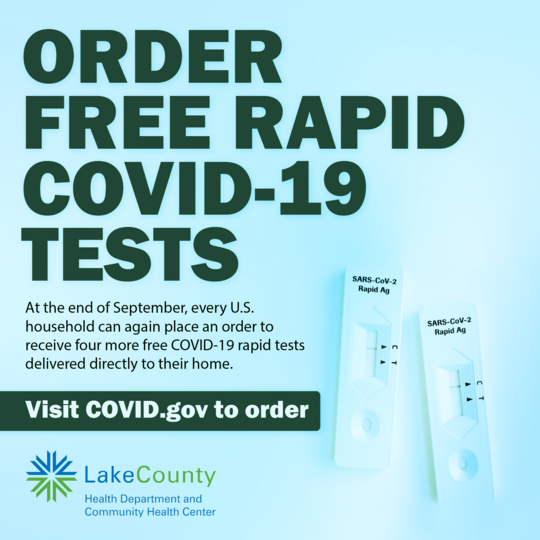 At the end of September, U.S. households will once again be eligible to order four free at-home COVID-19 tests. COVID-19 tests are great to have on hand and a useful tool when making decisions to prevent the spread of disease. Visit COVID.gov/tests at the end of September to order.
Check any unused and "expired" tests before throwing them out. Some test expiration dates have been expanded. Visit the FDA to check your tests.
 |

Labor Day weekend marked the unofficial end of summer; however, there are plenty of warm days ahead that may have residents visiting the beach. This year, Lake Michigan has seen an increase in drownings. Since lifeguards are no longer on duty, beachgoers need to be extra cautious when swimming.
Although the Great Lakes are much smaller than the ocean, they still have many of the same dangers that can be found on any shore. Stay safe at the lake by:
- Knowing the water conditions
- Never swimming alone
- Only swimming in designated areas
- Wearing a life jacket
It is not recommended for humans or pets to enter water that is discolored, scummy, or smelly. Remember, when in doubt, stay out!
Visit the National Weather Service’s Great Lakes Safety page and watch the Great Lakes Beach Safety video for more safety tips. Before heading to the beach, check out the National Weather Service’s Great Lake’s Beach Hazards and Forecast page to know the conditions before you go.
|
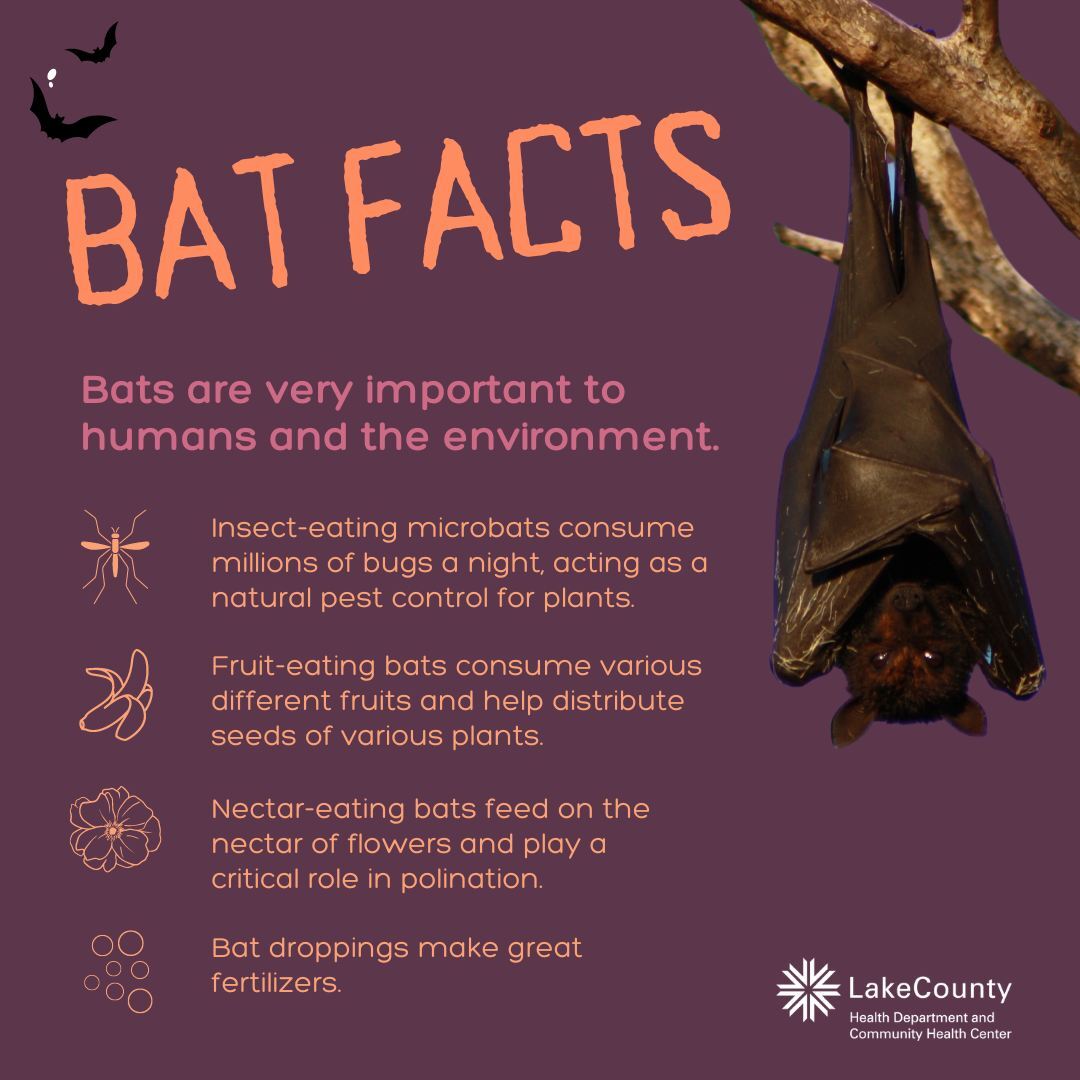
Did you know that bats play a vital role in our ecosystem? They are generally not dangerous to humans, but there are some risks associated with them. In the United States, bats are one of the most commonly affected animals reported to have rabies, though not all bats have rabies. Other commonly affected animals include raccoons, skunks, and foxes.
Although rabies is well controlled in the United States, individuals should still exercise caution when spending time outdoors and make sure to maintain a safe distance from wildlife.
If you suspect a bat has rabies, call Animal Care and Control at (847) 377-4700. Visit the CDC to learn more about preventing rabies from bats.
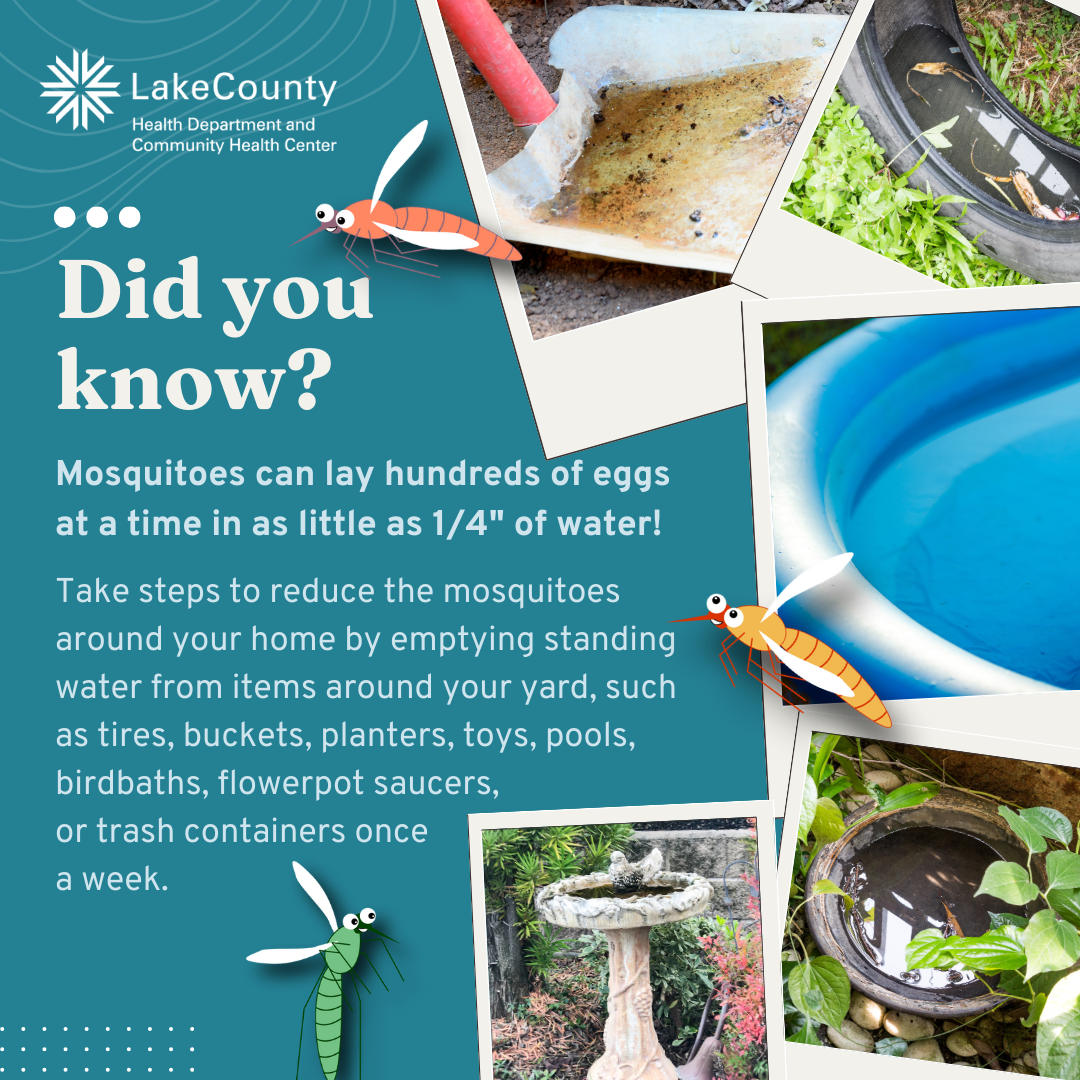
Mosquitoes can bite day and night, causing itching and swelling at the bite site. Some mosquitoes can also carry dangerous diseases, including West Nile Virus (WNV), that can spread through their bite, which can make you sick.
The Health Department recently set out a press release reporting about multiple cases of WNV and the first human death of 2024. A large proportion of human WNV cases occur in late summer and mosquitoes are still with us in the Fall until the first hard frost. Protect yourself and your family from West Nile Virus by following the 4 Ds of Defense:
- Drain – Drain standing water from items around your home, yard, and business.
- Defend - Use insect repellent when outdoors.
- Dawn to Dusk - Protect yourself from morning to night, especially during prime times for mosquito activity.
- Dress - Wear long sleeves, pants, and closed-toe shoes when outdoors to cover your skin.
Visit the CDC for current WNV data near you and visit FightTheBiteNow.com for more information about staying safe from mosquitoes. Lake County residents can call the Health Department’s West Nile hotline at (847) 377-8300 to report stagnant water, dead bird locations, and to learn more about West Nile Virus symptoms.
 |
National Food Safety Education Month
Did you know that 1 in 6 Americans experience foodborne illness every year? National Food Safety Education Month aims to promote proper food handling to avoid foodborne illness. Foodborne illness, also known as food poisoning, is an illness that comes from eating contaminated food.
The symptoms of foodborne illness may occur within minutes or take weeks and often present as flu-like symptoms and can include nausea, vomiting, diarrhea, cramping, fever, and chills. Some cases of foodborne illness can lead to hospitalization and even death.
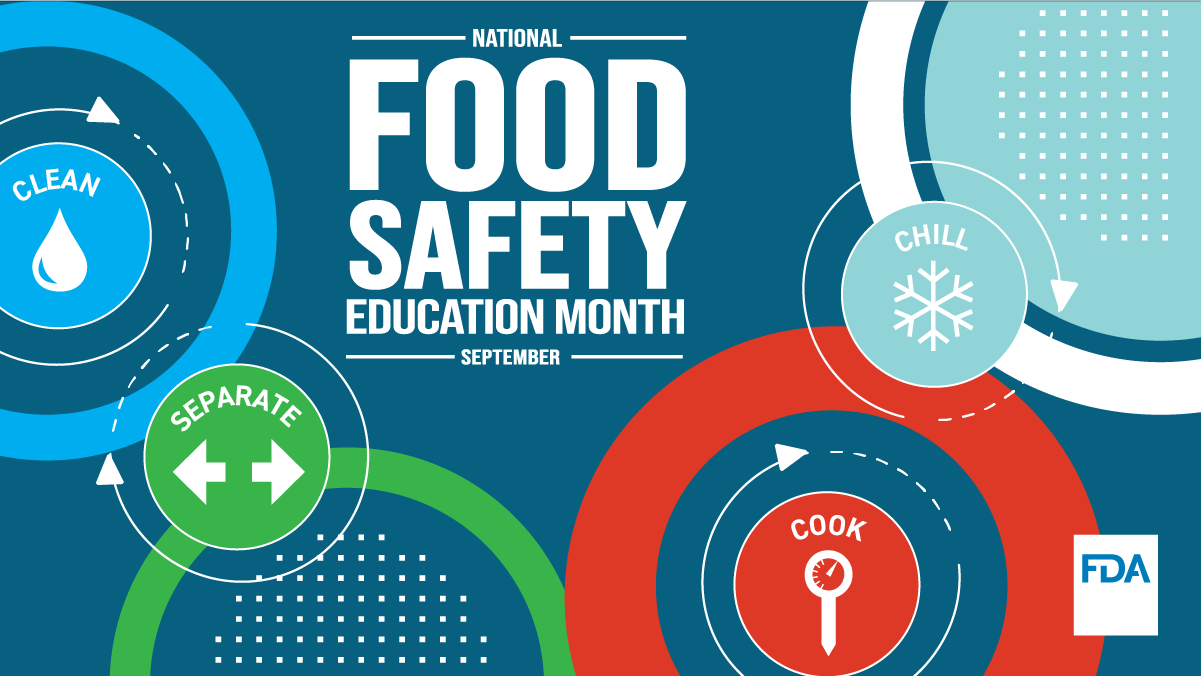
Foodborne illness is preventable by following the basic safety guidelines— clean, separate, cool, and chill:
- Clean: Wash your hands, surfaces, and utensils frequently.
- Separate: Keep raw foods and ready-to-eat foods separate.
- Cook: Cook food to the correct temperature.
- Chill: Refrigerate food promptly
As tailgating and football parties ramp up, it is a good time to refresh on best practices regarding handling food and avoiding foodborne illness.
Visit the Food and Drug Administration for more safe food handling tips.
|
|
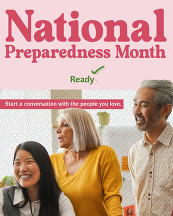
National Preparedness Month
Disasters and emergencies can happen at any time. National Preparedness Month aims to raise awareness about the importance of being prepared for disasters and emergencies. This year's theme, "Start a Conversation," encourages families to talk about bad things that can happen during an emergency or disaster and to make a plan to take steps to get ready and stay safe.
Find information and tips on how to protect yourself and your family before, during and after emergencies and disasters by visiting Ready.gov’s Disasters and Emergencies page.Ready.gov offers a downloadable free fillable family emergency plan.
|
|
World Suicide Prevention Month
September is World Suicide Prevention Month, a time to raise awareness, promote resources, and know the signs of suicide. Suicidal thoughts, much like mental health conditions, can affect anyone regardless of age, gender, or background. While suicidal thoughts are common, they should not be considered normal, and they often indicate more serious issues. Visit the National Alliance on Mental Health for more information and resources.
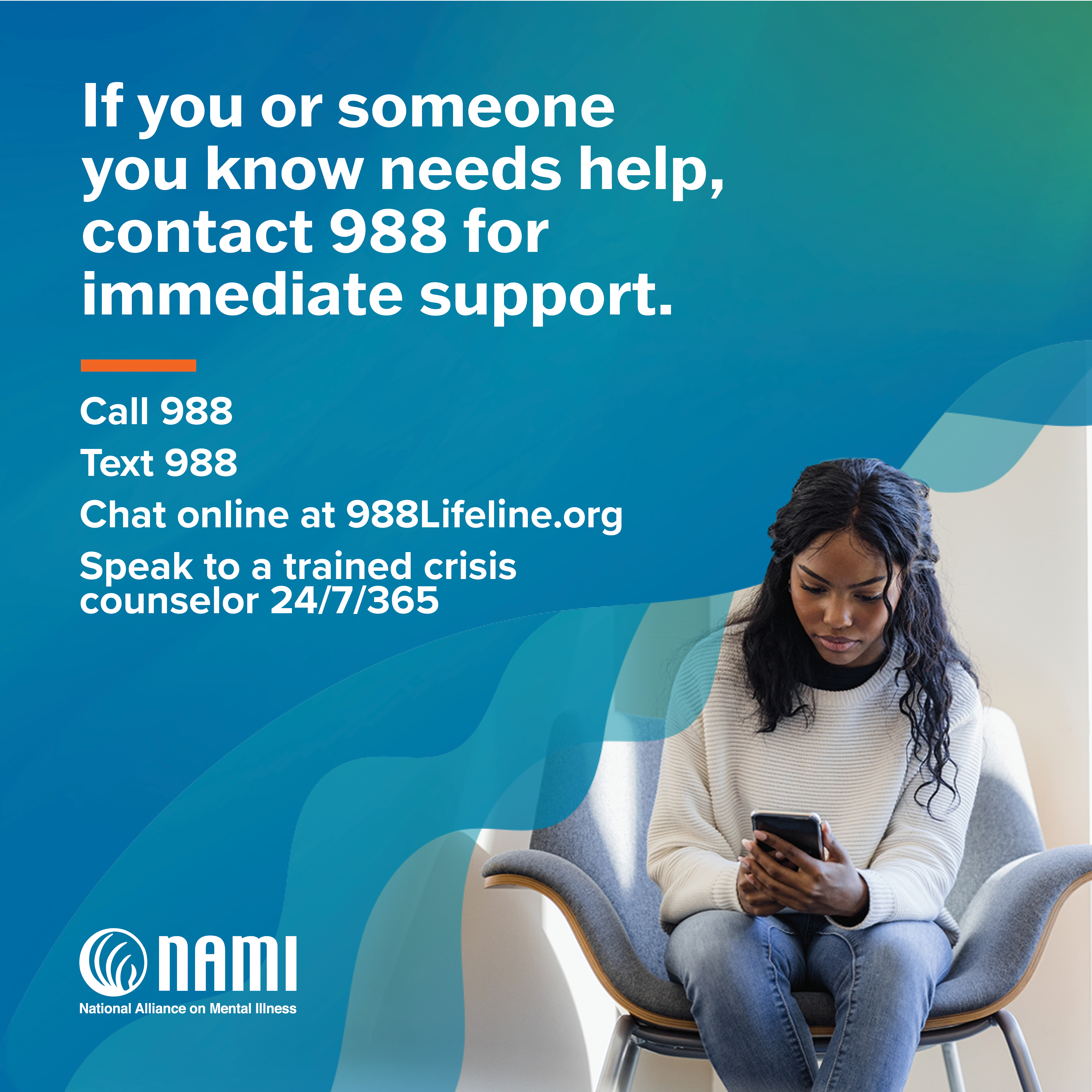
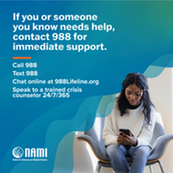
If you or someone you know is experiencing a mental health crisis, call or text 988 or visit our Crisis Care Program page for more resources.
|
|
National Recovery Month
National Recovery Month aims to promote treatment and recovery practices, bring awareness to the recovery community, and highlight the dedication of service providers and communities who make recovery possible. This year’s tagline, "Every Person, Every Family, Every Community," emphasizes that recovery is possible for everyone with the right support and that no two paths to recovery are the same.
Visit the CDC to learn more about recovery and how you can support those around you. For resources and support in our area, call 211 or visit 211lakecounty.org.
|
|

World Rabies Day
World Rabies Day is observed annually on September 28. Rabies is a viral disease that can be fatal to people if they do not receive medical care before symptoms start.
Although rabies is well controlled in the United States, the best way to avoid rabies is to keep your distance from wildlife. Any mammal can get rabies, but the most commonly affected animals in the United States are bats, raccoons, skunks, and foxes. Do not entice animals by offering them food and never approach injured animals; instead, contact animal control for assistance, when needed.
When traveling outside of the United States, avoid contact with dogs and other animals because rabies is common in other countries. If you plan to travel out of the country, be sure to visit the CDC's Traveler's Health page to check your destination's travel health notices.
If you have an animal encounter that results in a bite, scratch, or are unsure, take the following steps:
- Don't engage with the animal.
- Wash the wound with soap and water.
- Talk to a healthcare provider about whether you need treatment for rabies.
The Health Department offers rabies and distemper vaccines to all dogs and cats residing in Lake County. Visit our Pet Clinics & Costs page for more information, and call (847) 377-4700 to schedule an appointment.
Visit the CDC to learn more about rabies.
|
|
Where do I find information about...
Who can I contact to ask a question about...
-
Lake County Health Department Services: Call (847) 377-8000
-
COVID-19 in Illinois: Contact the Illinois Department of Public Health at 1-800-889-3931 or DPH.SICK@ILLINOIS.GOV
|