|
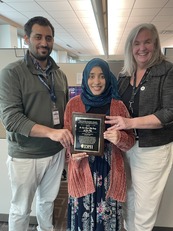
Congratulations to our Communicable Disease Team for receiving the David Baker Award for Excellence in Integrating Public Health and Infection Control at the Illinois Department of Public Health's Emerging Stronger: 2024 Illinois Infectious Disease Conference. The award is in memory of David Baker, an infection control expert who worked in the IDPH Communicable Disease Section. He was passionate about protecting the most vulnerable Illinois residents, especially veterans.
Read the IDPH press release to learn more about the award.
|

Are you and your family up to date on routine vaccinations? Staying current on routine vaccinations can protect against many potentially life-threatening diseases. On-time vaccination throughout childhood is essential because it helps provide immunity before children are exposed to potentially life-threatening diseases. Vaccines are tested to ensure they are safe and effective for children to receive at the recommended ages. Check out the CDC's Child and Adolescent Vaccine Assessment Tool and Adult Vaccine Assessment Tool to see which vaccines you and your family might need.
Talk to your healthcare provider to ensure you and your family are caught up on routine vaccinations. Visit the CDC for more information about vaccines and immunizations.
|

An overdose can happen anywhere— that is why it is good to be prepared and always carry naloxone with you. Naloxone can be a life-saving medication that may be able to reverse an overdose from opioids — including heroin, fentanyl, and prescription opioid medications — when given in time.
If you or someone you care for uses opioids, carry naloxone. Visit Naloxone Saves Live to order free naloxone today!
|
Mental Health Awareness Month
1 in 5 U.S. adults experience mental illness each year, and only half of them receive treatment. Mental Health Awareness Month aims to break down stigma, raise awareness, and promote mental health well-being. Just like physical health, mental health is important to a person’s overall well-being and can impact how one thinks, feels, and acts.
This year, the National Alliance on Mental Illness (NAMI) aims to normalizing the practice of taking moments to prioritize mental health care without guilt or shame through their “Take the Moment” campaign. It’s important to remember that working on your mental health takes time. Change won’t happen overnight. Instead, by focusing on small changes, you can move through the stressors of modern life and develop long-term strategies to support yourself — and others — on an ongoing basis. Visit the NAMI and Mental Health America for more information about Mental Health Awareness Month.
For those in a mental health crisis visit the Crisis Care Program. Visit Behavioral Health Services to learn more about the services that Lake County offers.
|
Lyme Disease Awareness Month
Although ticks can be present year-round, they are most active during warmer months. Ticks may be small in size, but we still need to protect ourselves, our families, and our pets against the diseases they can carry, especially Lyme disease.
Lyme disease is spread through the bite of infected ticks. In most cases, the ticks that are attached 36 hours or more may transmit infection. The most common symptom of Lyme disease is the bullseye rash; however, other symptoms can include fever, headache, and fatigue.
Steps you can take to prevent Lyme disease include:
- Dress: Wear long sleeves, pants, and closed toe shoes when outdoors to cover your skin
- Defend: Use insect repellent when outdoors and avoid tick habitats
- Check: Check your entire body for ticks after being outdoors, including your children and pets
- Remove: Use fine-tipped tweezers to promptly remove ticks
To learn more about protecting yourself and your loved ones from tick-borne diseases and to know what to do if you are bitten by a tick visit FighttheBiteNow.com.
|
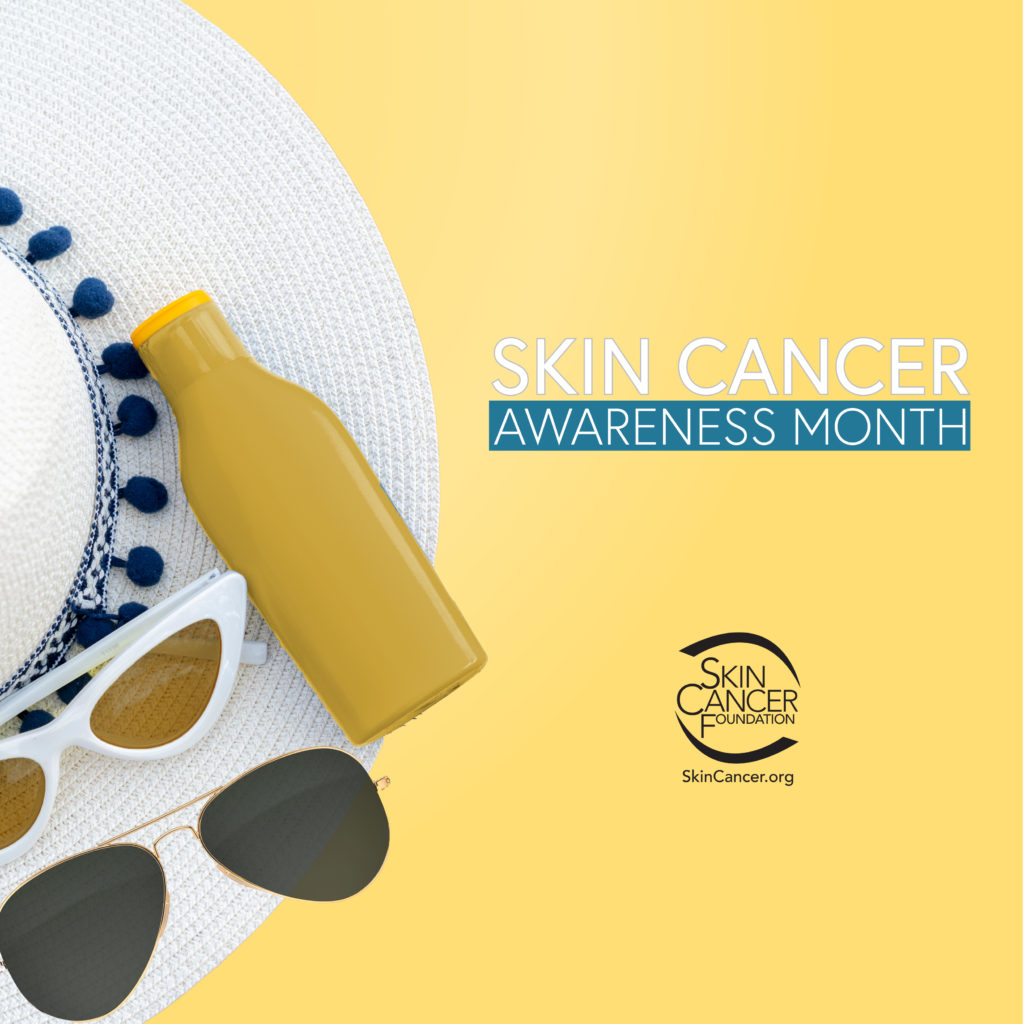
Skin Cancer Awareness Month
May is Skin Cancer Awareness Month, which aims to educate and raise awareness of the most common type of cancer in the United States. To lower your skin cancer risk, protect your skin from the sun and avoid indoor tanning. Sun protection is important all year round; even if it's cool and cloudy, you still need protection. UV rays, not temperature, do the damage.
Protect your skin when outdoors by:
- Staying in the shade, especially during the late morning through mid-afternoon.
- Wear a lightweight long-sleeved shirt or cover-up.
- Wear and reapply sunscreen at least every two hours.
Early detection is also key— make sure to perform regular skin self-exams and schedule an annual appointment with your dermatologist to get checked for skin cancer.
Visit the CDC for more information about skin cancer.
|

Healthy Vision Month
Healthy Vision Month occurs annually in May, a time to raise awareness about the importance of eye health and to encourage everyone to get their eyes checked regularly. Scheduling regular eye exams, including dilation, can help diagnose common vision problems and eye diseases. If it has been a while since your last eye exam, we encourage you to schedule an appointment this month.
Take steps to prevent vision loss by:
- Getting a comprehensive eye exam
- Wear protective eyewear
- Eat a balanced diet
- Know your family’s eye health history
Visit the CDC’s Healthy Vision Month page and Tips to Prevent Vision Loss page for more information.
|
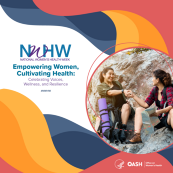
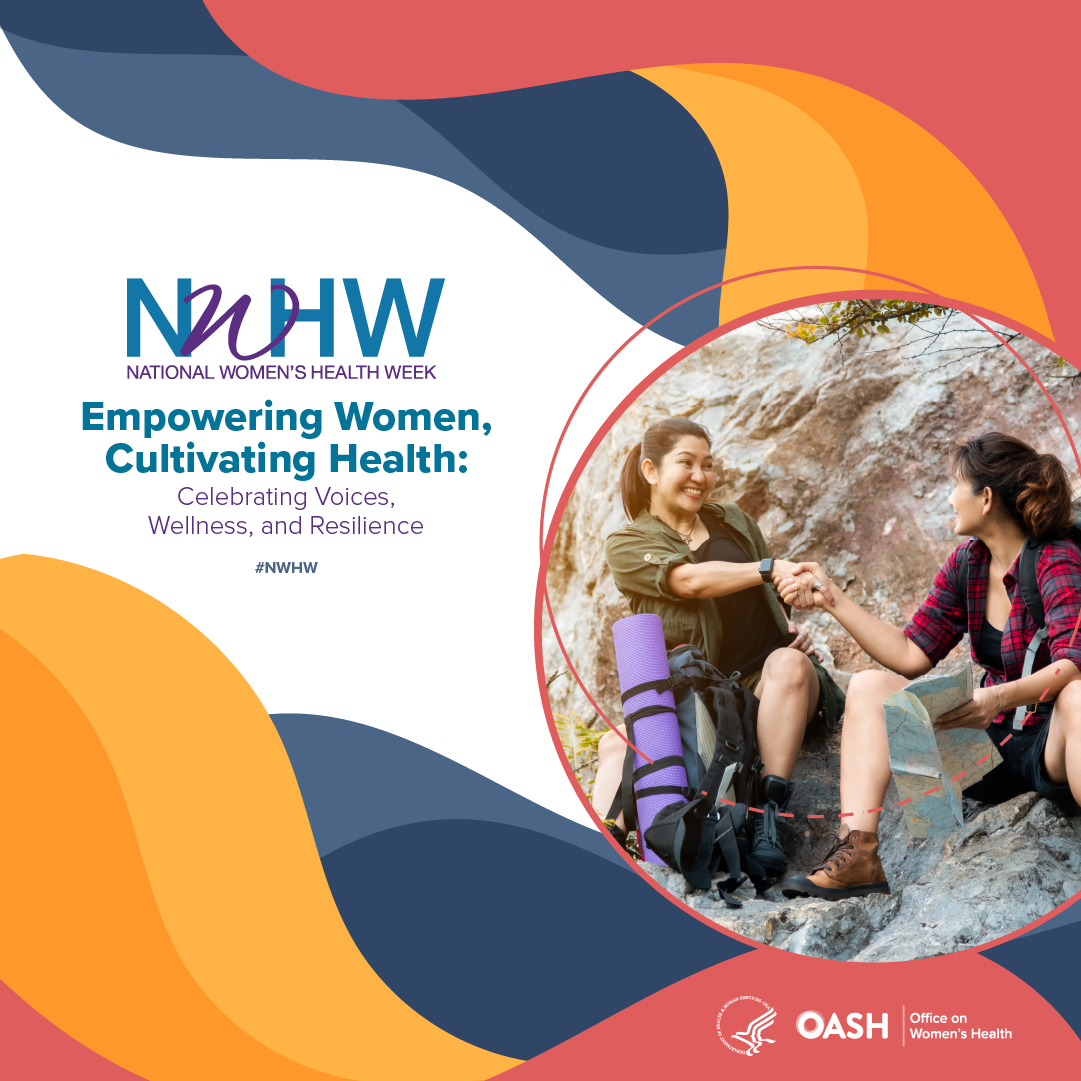
National Women’s Health Week
National Women's Health Week (NWHW) kicks off annually on Mother's Day. This year's theme, "Empowering Women, Cultivating Health: Celebrating Voices, Wellness, and Resilience," highlights women's health issues and priorities while encouraging them to prioritize their physical, mental, and emotional well-being. Different and timely health topics will be explored throughout the week, including maternal mental health, heart health, safe sexual health, and more.
To learn more about NWHW and the daily topics, visit Womenshealth.gov.
|
World Hand Hygiene Day
World Hand Hygiene Day is celebrated annually on May 5. The World Health Organization’s (WHO) global campaign theme for 2024 is "Unite for Safety: Clean Your Hands." This campaign highlights the shared effort needed to create a culture of hand hygiene across healthcare settings. Infection prevention and control (IPC), which includes hand hygiene, is fundamental to safe and effective health care systems. Hand hygiene is relevant to all health workers, patients, and their families at every single health care encounter. Having proper hand hygiene can prevent a range of infectious diseases.
Visit WHO and the CDC for more information about how to protect yourself and loved ones from the spread of germs by cleaning your hands often.
|
Hepatitis Testing Day
Hepatitis Testing Day occurs on May 19, a day to raise awareness about hepatitis B and hepatitis C and to encourage individuals to learn about their status.
An estimated 862,000 people are living with hepatitis B and 2.4 million are people living with hepatitis C. Most people with chronic hepatitis B virus or hepatitis C virus don’t have symptoms until the later stages of the infection. As a result, many people living with viral hepatitis do not know they are infected and are at risk for severe, even fatal, complications from the disease and can spread the virus to others.
The only way to know is you have hepatitis B and hepatitis C is to get tested. Make an appointment and talk to your doctor about getting tested today.
Visit the Office of Health and Human Services for more information.
|
Where do I find information about...
Who can I contact to ask a question about...
-
Lake County Health Department Services: Call (847) 377-8000
-
COVID-19 in Illinois: Contact the Illinois Department of Public Health at 1-800-889-3931 or DPH.SICK@ILLINOIS.GOV
|
|
|
|
|