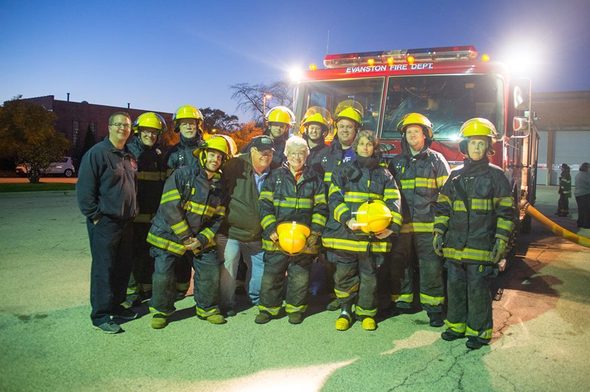
 2016 Citizens Fire Academy Class
Have you ever wanted
to learn more about what firefighters and paramedics do every day? Have you
ever wanted to actually try some of the tasks they perform, like climbing an
aerial ladder or using the “Jaws of Life” to rescue a victim from a smashed
automobile?
If you answered
“Yes!," then the EFD Citizen Fire Academy may be for you! The goal of the
Citizen Fire Academy (CFA) is to engage and educate interested adult community members about the mission and functions of the Evanston Fire Department while
also teaching them important life safety skills like basic first aid and CPR.
The CFA meets once a
week in the evening for 10 weeks starting in September and incorporates classroom instruction with hands-on training on all aspects of the job in a very
safe and controlled environment.
If interested, please
visit our CFA website or contact academy director FAO Tim Gobat at tgobat@cityofevanston.org
Please have a
wonderful and safe summer and enjoy this month’s Roll Call. If you have questions, please feel free to
contact me at 847-866-5924 or bscott@cityofevanston.org.
Stay Safe!
Brian R. Scott
Fire Chief
 Evanston 4th of JulyParade participants enjoying the cooling station at Fire Station 5.
Below is a breakdown of recent emergency
responses.
EMS Calls
593 Incidents
|
Fire Calls

303 Incidents
|
Response Times
 EFD average response times
3 min., 08 sec. from dispatch to emergency.
NFPA average: 4 min. or less.
|
Summer Safety
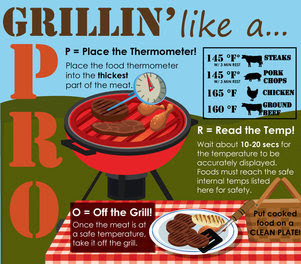
FoodSafety.gov says that foodborne illnesses increase during the summer
due to factors like the warmer weather.
When planning a picnic, or barbecue, stay
healthy while enjoying the outdoors by following their food safety
recommendations.
When bringing food to a picnic or cookout:
- Use an insulated cooler filled
with ice or frozen gel packs. You can also use frozen food as a
cold source.
- Foods that need to be kept cold
include raw meat, poultry, and seafood; deli and luncheon meats or
sandwiches; summer salads (tuna, chicken, egg, pasta, or seafood); cut-up
fruit and vegetables; and perishable dairy products.
- Keep your cooler out of the
direct sun by placing it in the shade or shelter. Remember that a full
cooler will maintain its cold temperature longer than a partially filled
one.
- To keep your food cold longer,
avoid opening the cooler repeatedly.
When cooking on the grill:
- Prevent cross-contamination
from raw meat or poultry juices by washing counter tops and sinks with
hot, soapy water. Wash hands after handling raw meat or poultry or its
packaging because anything you touch afterwards could become contaminated.
- Keep perishable food cold until
it is ready to cook.
- Use a food thermometer to make
sure meat and poultry are cooked thoroughly to their safe minimum internal
temperatures.
- Always use a fresh, clean
plate and tongs for serving cooked food. Never
reuse items that touched raw meat or poultry to serve cooked food.
When serving food outdoors:
- Do not let perishable food sit out
for more than two hours in hot weather above 90°F, food should
NEVER sit out for more than one hour. This is when bacteria in food can
multiply rapidly, and lead to foodborne illness.
- Serve cold food in small
portions, and keep the rest in the cooler.
- After cooking meat and poultry
on the grill, keep it hot until served – at 140°F or warmer.
- Keep hot food hot by setting it
to the side of the grill rack, not directly over the coals where they
could overcook.
|
 |
Millions of
us enjoy warm weather every year by swimming in our backyard pools and relaxing
in hot tubs. Tragically though, over 200 young children drown in backyard
swimming pools each year. The American Red Cross suggests owners make pool
safety their priority by following these guidelines:
Secure your
pool with appropriate barriers. Completely surround your pool with a 4-foot high fence or barrier with a self-closing, self-latching gate. Place a safety
cover on the pool or hot tub when not in use and remove any ladders or steps
used for access. Consider installing a pool alarm that goes off if anyone
enters the pool.
Keep children
under active supervision at all times. Stay within an arm’s reach of young kids.
Designate a responsible person to watch the water when people are in the
pool—never allow anyone to swim alone. Have young or inexperienced swimmers
wear a U.S. Coast Guard-approved life jacket.
Ensure
everyone in the home knows how to swim well by enrolling them in
age-appropriate water orientation and learn-to-swim courses from the Red Cross.
Keep your
pool or hot tub water clean and clear. Maintain proper chemical levels,
circulation and filtration. Regularly test and adjust the chemical levels to
minimize the risk of earaches, rashes or more serious diseases.
Establish and
enforce rules and safe behaviors, such as “no diving,” “stay away from drain
covers,” “swim with a buddy” and “walk, please.”
Ensure
everyone in the home knows how to respond to aquatic emergencies by having appropriate
safety equipment and taking water safety, first aid and CPR courses from the
Red Cross.
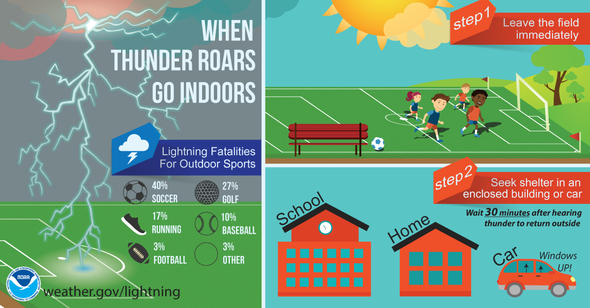 Thunderstorm Safety Tips
Terms to Know
Severe Thunderstorm
Watch: issued when severe thunderstorms are possible
in and close to the watch area. The watch is issued to alert you to the
possibility that thunderstorms with damaging winds and large hail may develop.
Listen to NOAA Weather Radio and your local media for the weather updates and stay
informed!
Severe Thunderstorm Warning: issued when a severe thunderstorm has been
spotted and is going to move through your county soon. The key is to remain
CALM, but take precautionary action IMMEDIATELY to protect your life and
property.
Act Now to be Prepared
Know the county in which
you live and the names of nearby cities. Severe weather warnings are issued on
a county basis.
Have disaster supplies on hand, including:
- Flashlight and extra batteries.
- Battery operated radio and
extra batteries.
- First aid kit and manual.
- Emergency food and water.
- Non-electric can opener.
- Essential medicines.
- Checkbook, cash, credit cards,
ATM cards.
- See Emergency
Supplies Checklist.
Before the Storm
- Check the weather forecast
before leaving for extended periods outdoors.
- Watch for signs of approaching
storms.
- If a storm is approaching, keep
a NOAA Weather Radio or AM/FM radio with you.
- Postpone outdoor activities if
storms are imminent.
- Check on neighbors who require
special assistance: infants, the elderly, and people with disabilities.
During the Storm
Remember: If you can
hear thunder, you are close enough to the storm to be struck by lightning. Go
to safe shelter immediately.
- Move to a sturdy building or
car. Do not take shelter in small sheds, under isolated trees, or in
convertible automobiles.
- If lightning occurs and sturdy
shelter is not available, get inside a hard top automobile and keep the
windows up.
- Get out of boats and away from
water.
- Telephone lines and metal pipes
can conduct electricity. Unplug appliances not necessary for obtaining
weather information. Avoid using the telephone or any electrical
appliances. Use phones only in an emergency.
- Do not take a bath or shower.
- Turn off air conditioners.
Power can overload the compressors.
- Get to higher ground if flash
flooding or flooding is possible. Do not attempt to drive to safety. Most
flash flooding deaths occur in automobiles.
If you are caught
outdoors and no shelter is nearby:
- Find a low spot away from
trees, fences, and poles. Make sure the place you pick is not subject to
flooding.
- If you are in the woods, take
shelter under the shorter trees.
- If you feel your skin tingle or
your hair stand on end, squat low to the ground on the balls of your feet.
Place your hands on your knees with your head between them. Make yourself
the smallest target possible; minimize your contact with the ground.
After the Storm:
- Check on neighbors who may
require special assistance: infants, the elderly, and people with
disabilities.
- Avoid all downed power lines.
Assume that all have live electricity.
- Continue to monitor NOAA
Weather Radio and your local media for latest weather updates.
|