|
Focused on a bright future for northeastern Illinois
What does it mean to think boldly and innovatively about the future we want? Leaders at the Chicago Metropolitan Agency for Planning (CMAP) are focused on the future.
- It's CMAP Executive Director Erin Aleman joining leaders from Illinois, Minnesota, and Michigan traveling to the Netherlands to take an in-person look at how communities can be designed around people rather than traffic.
- It's making better use of the infrastructure we already have to create a smarter, more flexible electric grid.
- It's recognizing the valuable opportunities of a proposed rail merger and understanding how important it is that the costs don't outweigh the benefits.
Read about all this, and much more, in this edition of the CMAP Update.
We also have dedicated newsletters for topics like The Century Plan, regional economy, transportation, planning, climate, data updates, and more.
📩 Sign up now to discover our newsletters
|
|
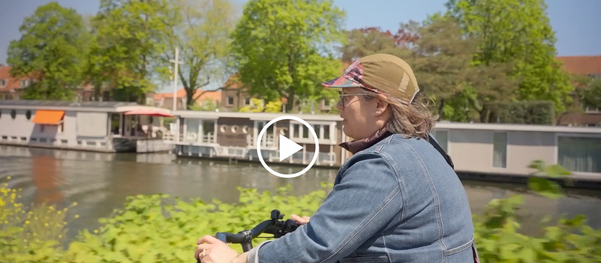
Lessons from the Netherlands: CMAP's Erin Aleman joins Midwest leaders to study the Dutch approach
Erin Aleman joined transportation leaders from the Midwest on a trip to the Netherlands. The group experienced firsthand how everyday life changes when people are put at the center of transportation designs and systems — and is featured in a video highlighting observations and lessons that can used at home.
▶️ Watch the video
|
|
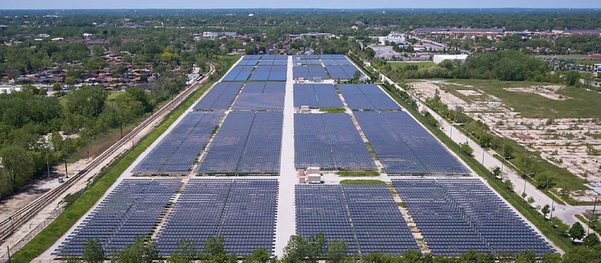
Powering the next century of growth: a smarter, more flexible, and more resilient system
Our region's ability to provide affordable, reliable, and clean energy in an increasingly electrified future will be critical to remaining globally competitive and meeting our climate goals.
💡It isn't just about generating more electricity, but making the most of the infrastructure we already have and developing a smarter, more resilient grid.
💡The Century Plan is exploring how regional coordination can position northeastern Illinois for success.
👉 Read more in Erin Aleman's commentary for Crain's Forum
|
|
Our region carries the nation’s freight; the merger must carry its weight
Featured in the Daily Herald: Erin Aleman writes that the proposed merger of Union Pacific and Norfolk Southern could create valuable opportunities. But northeastern Illinois should not be expected to carry its costs without clear returns.
📈 There's growth: More freight moving by rail could strengthen supply chains, support businesses, reduce pressure on highways, and advance environmental goals.
💲There are costs: Changes in terminal operations and truck routes may affect local roads, jobs, noise, air quality, safety, and redevelopment opportunities.
🚅 There are passenger trains to consider: The railroads anticipate that traffic on the busiest segment of Metra’s UP-West Line would increase, and yet the applicants argue rail network capacity would remain sufficient for both passenger and freight.
👉 Read Erin's perspective on why northeastern Illinois needs a strong, united voice
|
|
A tool you can use: Community Data Snapshots support local planning and public engagement
CMAP's Community Data Snapshots help local governments prepare for public meetings, open houses, and the early stages of planning projects.
The snapshots offer a clear way to present current conditions and help residents understand the context of a local project:
- Each snapshot includes the latest information on population, housing, jobs, land use, and other topics from local, state, and federal sources. It makes it easy to quickly find credible data without searching through multiple data portals or lengthy documents.
- The snapshots are a practical tool for communicating with the public — they can be incorporated into presentations, reports, social media posts, project websites, and more — to support clear, consistent messaging grounded in trusted local data.
- CMAP also relies on its Community Data Snapshots to strengthen community engagement. For example, while preparing outreach materials for a planning project in River Grove, staff members used data from the community’s snapshot to create an informational poster.
We’d also to hear how you’re using the snapshots. Email data@cmap.illinois.gov or tag @cmapillinois on social media with examples from your community.
👉 Read more and explore the Community Data Snapshots
|
|
Check your mail: My Daily Travel survey is underway
Phase 2 of the My Daily Travel regional travel survey is underway. As travel behaviors change and technologies evolve, transportation planners can use survey results to guide future investments and prioritize improvements for a more efficient transportation system.
Check your mail: Keep an eye on your mailbox now through spring 2027. If you receive an invitation to participate, please visit MyDailyTravelSurvey.com to learn more and complete the survey. Participants who complete the survey will receive a gift card for their time.
Phase one results: Curious about what we learned during the first phase of the survey? Read our analysis to see how travel habits across the region are already shaping our planning efforts.
👉 Read more about Phase 2 of My Daily Travel
📲 What's Up Wednesday: See our feature on LinkedIn, Instagram, and Facebook
|
|
A lasting foundation: Regional ADA Coordinators Group connects participants with key tools, guidance
CMAP is celebrating the Regional ADA Coordinators Group, which concluded its peer-learning series this summer. It helped local agencies strengthen accessibility and meet their responsibilities under Title II of the Americans with Disabilities Act (ADA).
How did it help? The group created a space for ADA coordinators, government professionals, accessibility advocates, and consultants to exchange ideas, discuss shared challenges, learn from subject-matter experts, and connect with resources to support their work.
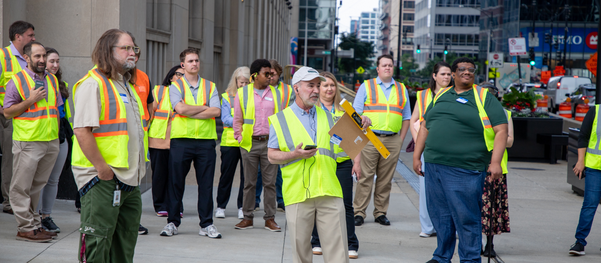
The details: The group convened from November 2024 through June 2026. The series ended with an in-person walking audit around the Old Post Office in Chicago’s West Loop neighborhood, applying lessons learned to accessibility conditions in a real-world environment.
👉 Read more about the Regional ADA Coordinators Group
|
|
You're invited: How can we balance growth with land conservation?
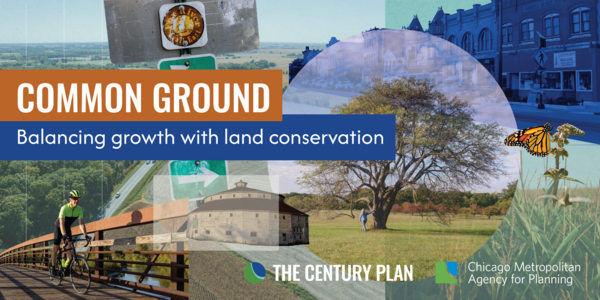
Next in the Catalyst Series: Join CMAP from 3:00 to 6:00 p.m. on September 22 at Richardson Adventure Farm in Spring Grove for Common Ground: Balancing Growth with Land Conservation.
📌 The conversation will explore how the region can support housing and economic development while protecting forests, wetlands, parks, and agricultural land.
📌 After the event, attendees can preview the farm’s celebrated corn maze before it opens to the public.
👉 Read the details and RSVP
|
|
Is your area susceptible to flood challenges?
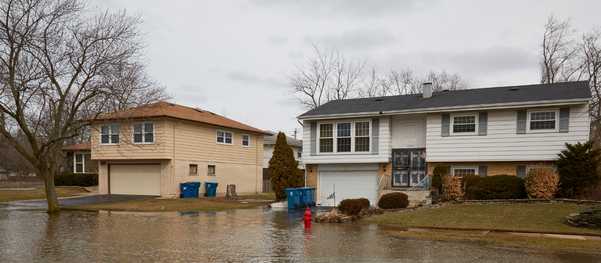
Flooding is one of the most significant and persistent climate challenges facing northeastern Illinois. Impacts are widespread, and climate change is expected to make flooding risks worse in the coming decades.
To help tackle current and future flooding challenges, CMAP updated the region’s urban and riverine flood susceptibility indexes (FSIs). Our region experiences events that damage homes and businesses, disrupt daily life, and put people at risk.
Stormwater agencies, community planners, and other stakeholders can use FSIs to:
💧 Screen for potential flooding challenges when developing comprehensive, corridor, and other local plans
💧 Identify areas of further study or where improved stormwater management might be most beneficial in a community
💧 Analyze who is most vulnerable to the impacts of flooding by overlaying data on age, disability, income, as well as other health and environmental factors
💧 Prioritize flood resilience investments, including nature-based solutions (or green infrastructure)
👉 Read the FSI report
|
|
Join the next workshop: water webinar focuses on wells
As communities face growing water demands, Illinois has an opportunity to strengthen how new high-capacity groundwater withdrawals are evaluated and managed.
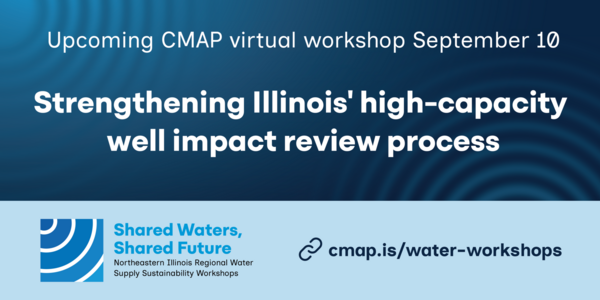
Join the next Shared Waters, Shared Future workshop — Strengthening Illinois' high-capacity well impact review process — on Thursday, September 10.
You'll learn:
- How Illinois' review process functions today
- Which scientific, policy, and institutional factors influence effective implementation
- How other states approach similar challenges
👉 Register for the workshop
|
|
Education, entertainment, and a catered celebration of our region's water resources
The McHenry County Water Forum offers a fully catered celebration and an evening of education, entertainment, and preparation for the future. Scientists, planners, and engineers speak about why our region's water supplies are special, and how those resources can be protected.
This free event takes place from 5:30 p.m. to 8:00 p.m. on September 16 at McHenry County College.
👉 Learn more about the forum
|
|
A new era: NITA officially begins operations
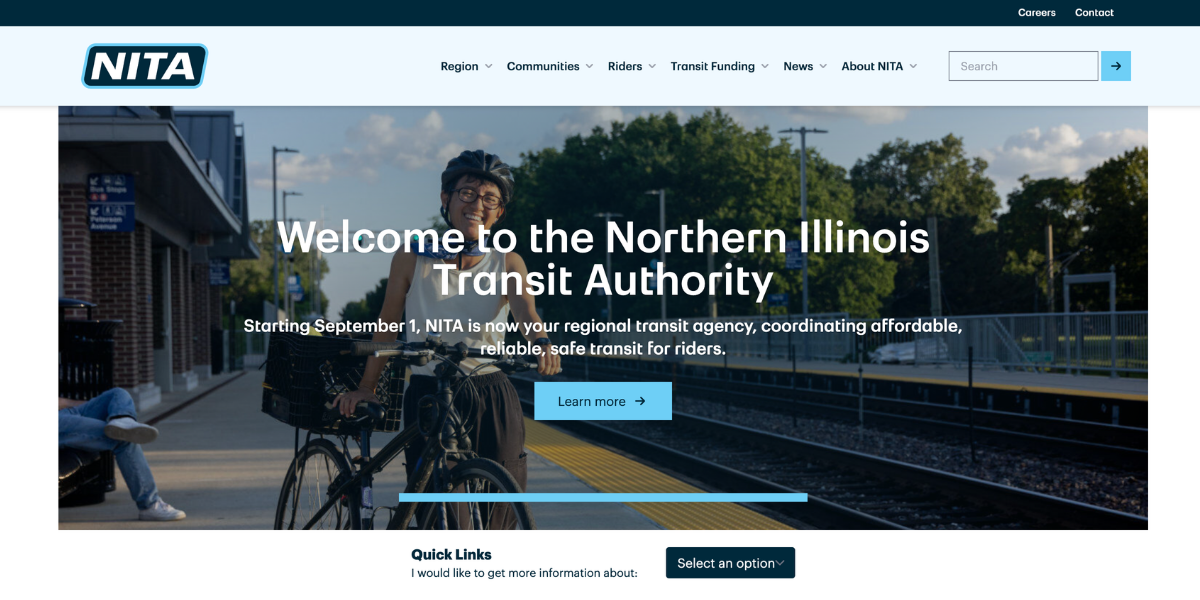
September 1 marks a new era for our regional transit system. The Northern Illinois Transit Authority (NITA) officially has begun operations.
⭐ Created by the Illinois General Assembly through the NITA Act and signed into law by Governor JB Pritzker in December 2025, NITA replaces the Regional Transportation Authority (RTA) and strengthens coordination across the CTA, Metra, and Pace.
🚌 The NITA Act pairs new investment with a new regional approach to planning, oversight, and service delivery. The legislation provides approximately $1.5 billion annually to stabilize and strengthen public transit across Illinois, including an estimated $1.2 billion in new annual operations funding in 2027, the first full year of new revenue.
🚂 For riders, the transition to NITA will not bring a change in who operates their bus or train. Services previously provided by the RTA — such as ADA Paratransit Certification, Ride Free and Reduced Fare programs, and the Access Program for riders experiencing low incomes — will continue.
👉 Read the press release
|
|
Clearing up a bottleneck: CREATE's Forest Hill Flyover earns top safety honor
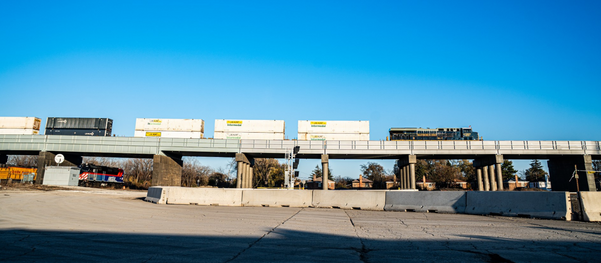
The Forest Hill Flyover, part of the Chicago Region Environmental and Transportation Efficiency Program (CREATE) Program, earned top honors in the safety category for large projects at America’s Transportation Awards.
The honor: Sponsored by the American Association of State Highway and Transportation Officials, the awards honor transportation projects that deliver meaningful benefits to communities.
The achievement: This project transformed one of Chicago’s busiest rail bottlenecks by adding an elevated rail corridor and new tracks, separating trains from vehicle, bicycle, and pedestrian traffic. Communities no longer face chronically blocked crossings and first responders can reach emergencies more reliably.
👉 Learn more about the award
|
|
|
|
|