|
Building decarbonization will be key to lowering emissions across Greater Chicago
Why?
- Buildings produce 35 percent of Greater Chicago's emissions.
- Emissions come mainly from natural gas (for heating and hot water) and electricity use.
- The region will add nearly 1 million new homes by 2050. They will determine emissions for decades to come.
State and local governments can drive more than three quarters of needed building-sector reductions because they shape:
- Building codes and energy standards
- Land use and development patterns
- Housing programs and affordability strategies
- Public building investments
- Utility program coordination
- Local permitting and retrofit processes
Key strategies in the Comprehensive Climate Action Plan for Greater Chicago:
- Electrify buildings: Install 150,000 heat pumps per year through 2050.
- Weatherize: Upgrade insulation, windows, and HVAC; target half of all homes and most commercial buildings.
- Building performance standards: Set energy/emissions targets for large existing buildings.
Bottom line: Building decarbonization is one of Greater Chicago's most powerful levers for cutting emissions and improving community resilience.
|
|
How do we power the next century of growth? Not with more but with better infrastructure
Our region's ability to provide affordable, reliable, and clean energy in an increasingly electrified future will be critical to remaining globally competitive and meeting our climate goals.
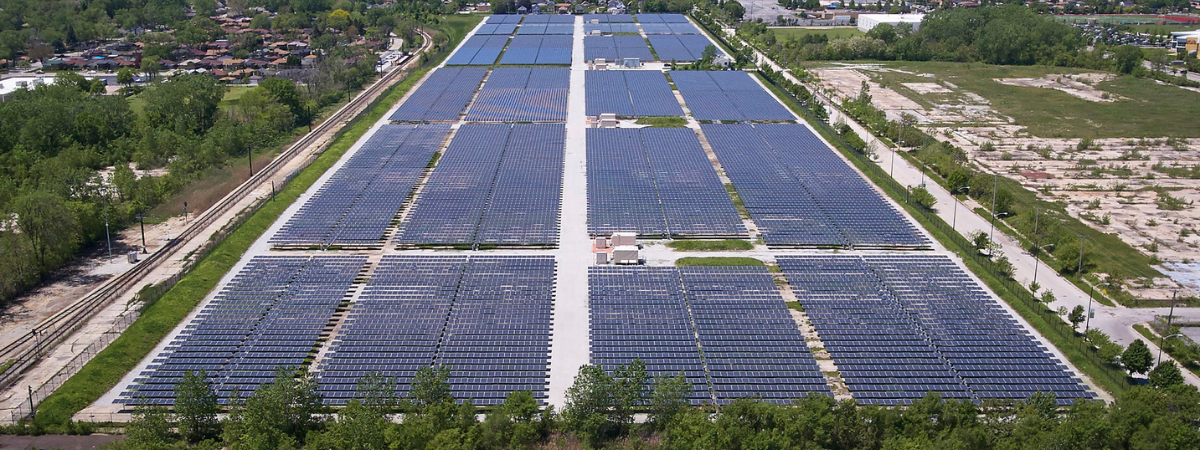
It isn't just about generating more electricity, but making the most of the infrastructure we already have and developing a smarter, more resilient grid.
The Century Plan is exploring how regional coordination can position northeastern Illinois for success.
💻 Read more in CMAP Executive Director Erin Aleman's latest op-ed for Crain's Chicago Business
|
|
FLIP students explore how climate action and resilience shape communities
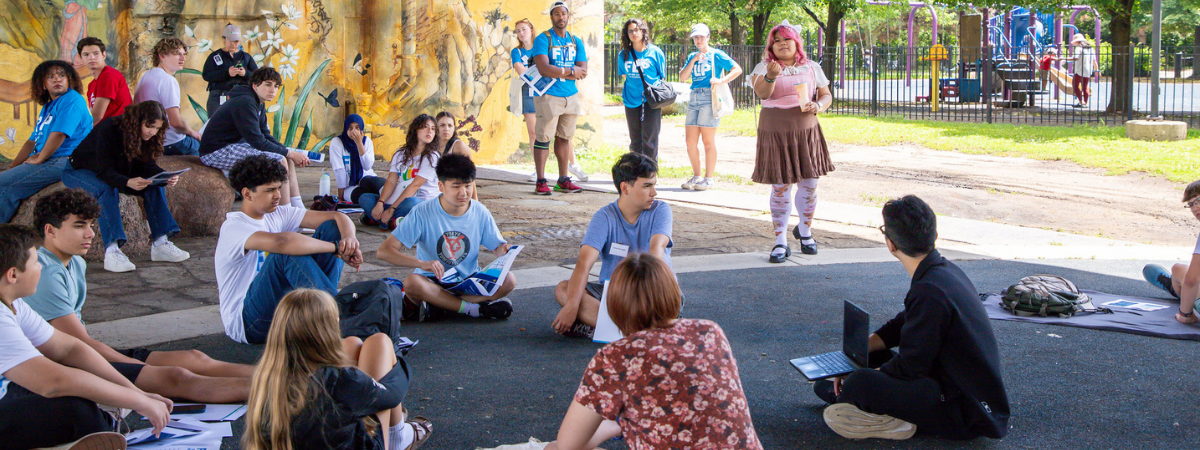
The 17th annual Future Leaders in Planning (FLIP) featured a day where students explored how planning shapes daily life — and how climate shapes planning.
Climate action: Students learned about the Comprehensive Climate Action Plan for Greater Chicago, and brainstormed how they could support emissions reduction in their own lives. They discussed activities like bike buses, rooftop solar panels, waste reduction, and incentives for carpooling to school. Many students said they felt empowered to bring these strategies to their peers and schools.
Transportation resilience: Students learned how climate change has led to more flooding and extreme heat, and how they affect the region's transportation system. After learning about CMAP's Transportation Resilience Improvement Plan, students identified where strategies could be implemented along a roadway in Chicago. This exercise exposed students to the problems facing transportation implementers and the need to adapt our infrastructure to changing climate patterns.
🙏 CMAP thanks the students, staff, speakers, and partners who helped make this year's FLIP a success!
💡 See what else the students learned about
|
|
Illinois budget advances climate priorities — but needs steady, sustained investments
Illinois' fiscal year 2027 budget strengthens key climate and water investments, but long‑term challenges persist. The state committed $1.3 billion in new appropriations for drinking water, wastewater, and stormwater infrastructure. However, larger and more sustained investments are needed as federal support remains uncertain and water system needs grow.
Illinois also maintained support for electric vehicle (EV) rebates and other climate programs, even as federal incentives decline and statewide EV adoption slows. But current funding levels fall far short of what's required to meet emissions‑reduction goals.
Our analysis highlights why steady, sustained investment — along with modernized revenue tools — will be essential to ensure Illinois can upgrade aging water systems, accelerate clean energy adoption, and meet its long‑term climate goals.
💲Read CMAP's full state budget analysis
|
|
Upcoming workshop: Strengthening Illinois' high-capacity well impact review process
As communities face growing water demands, Illinois has an opportunity to strengthen how new high-capacity groundwater withdrawals are evaluated and managed.
Join the next Shared Waters, Shared Future workshop — Strengthening Illinois' high-capacity well impact review process — on Thursday, September 10.
You'll learn:
- How Illinois' review process functions today.
- Which scientific, policy, and institutional factors influence effective implementation.
- How other states approach similar challenges.
Preparing for the future starts with informed decisions. Join us to build shared understanding and support sustainable groundwater planning.
✅ Register for the workshop
|
|
Learn about McHenry County's water supply
Join the 2026 McHenry County Water Forum, a free event on Wednesday, September 16, featuring presentations on shallow and deep groundwater and local water resource planning.
Learn how McHenry County's water system works, the threats it faces, and practical ways residents, businesses, and leaders can help protect it.
✅ More info about the forum
|
|
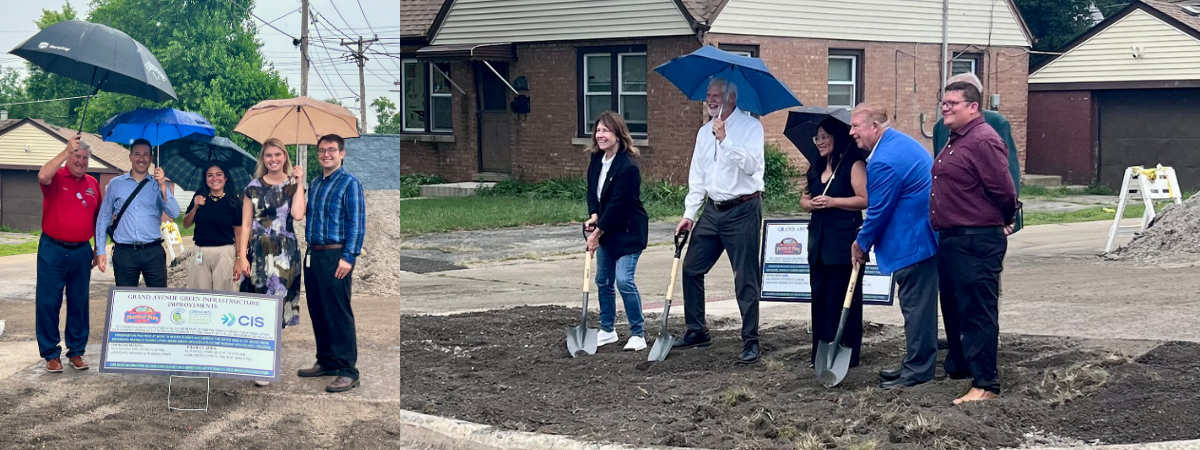
Groundbreaking for green infrastructure on Grand Avenue
Underway in the Village of Franklin Park: a project that will transform the Grand Avenue Corridor.
Coming soon: Green infrastructure, new trees, native landscaping, streetscape improvements, enhanced pedestrian connectivity, and infrastructure designed to reduce localized flooding.
The village received about $2 million in American Rescue Plan Act funds from Cook County to implement a project from their climate resiliency plan on Grand Avenue (from Louis Street to 25th Avenue).
📋 Improvements align with the recommendations from the Grand Avenue Corridor Plan, which CMAP created with the village through the Technical Assistance Program.
|
|
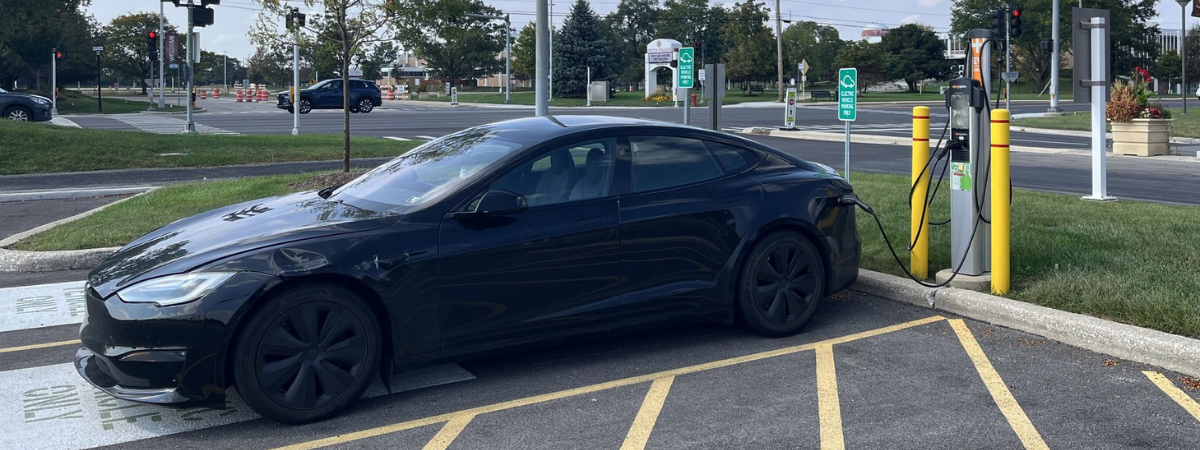
Is your community EV Ready? Apply by August 14
The Metropolitan Mayors Caucus EV Readiness Program is seeking the next cohort of municipalities that will work to advance transportation electrification.
The EV Readiness Program offers free technical assistance and training on EVs and charging. Communities receive support to update zoning codes, streamline permitting, train first responders, assess fleet electrification opportunities, engage residents and businesses, and more.
Participants gain knowledge and resources to prepare their community for the growing adoption of EVs, expansion of charging infrastructure, and future funding opportunities. There is no cost to participate.
Watch the EV Readiness Program info session recording to learn more before applying.
⚡ Apply for the next cohort
|
|
New web resource on DIY air cleaners
The U.S. Environmental Protection Agency (USEPA) launched a new do-it-yourself (DIY) air cleaners webpage to help individuals, households, schools, and communities improve indoor air quality when commercial air cleaners are not available or affordable. It provides clear, practical guidance on when to consider using a DIY air cleaner, how to build one, and how to use it effectively — especially during emergencies such as wildfire smoke.
The USEPA recommends using DIY air cleaners only when products with known performance (like commercial air cleaners with a certified Clean Air Delivery Rate) are not available or affordable.
💻 Explore the DIY air cleaners webpage
|
|
✉️ Letter of interest deadline: Friday, September 4
📅 Deadline: Wednesday, September 16
Stretch Code Adoption Grant Program: Facilitates the adoption, implementation, and enforcement of the Illinois Stretch Energy Code by supporting municipalities with the necessary resources to navigate this process.
📅 Deadline: Tuesday, December 31
|
|
Virtual tour
September 8
Host: Metropolitan Water Reclamation District of Greater Chicago
|
|
|
|
|