|
|
Technical assistance is a big part of how CMAP helps communities move from ideas to action. This month’s planning newsletter highlights local progress across the region -- from accessible streets and capital improvement plans to corridor planning and housing readiness.
As always, if there is a planning project, milestone, or local success story from your corner of the region that you would like us to consider highlighting, email me at msobczak@cmap.illinois.gov.
|
|
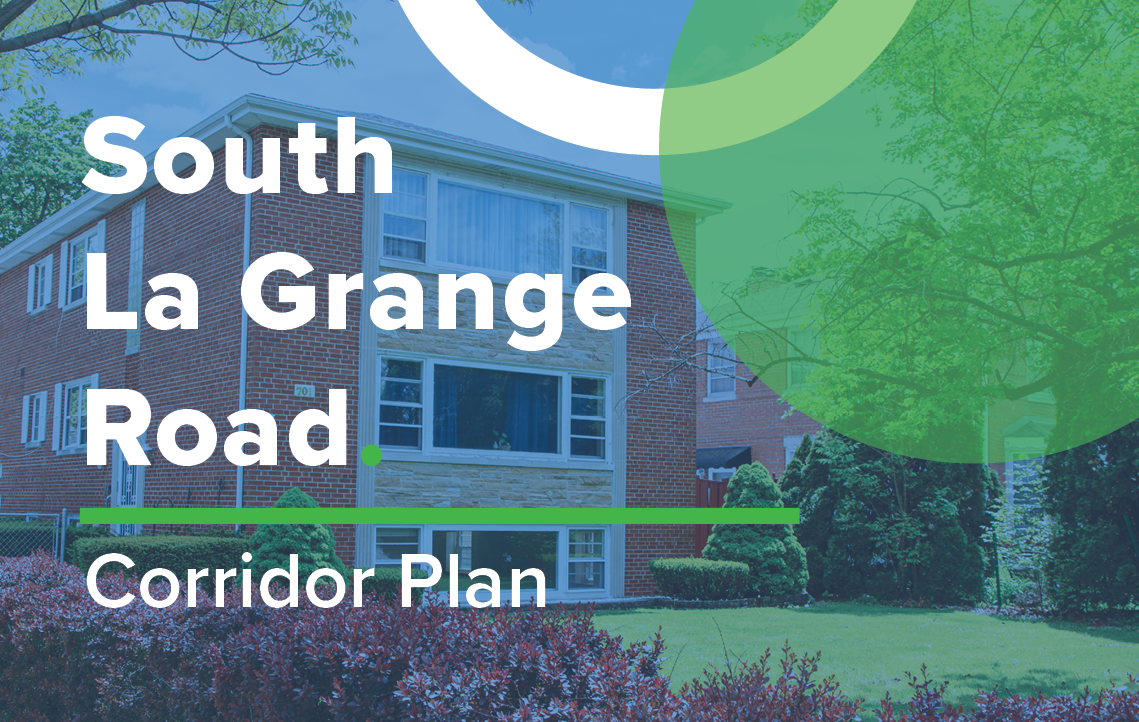
What's in a corridor plan? Village of La Grange prepares for the future with support from CMAP
The big picture: Corridor plans help communities connect transportation, land use, infrastructure, and placemaking into clear strategies for a specific street or district.
Plan progress: With support from CMAP’s Technical Assistance program, the Village of La Grange recently accepted the South La Grange Road Corridor Plan, which builds on the 2024 La Grange Forward Comprehensive Plan.
Its benefits: The plan recommends practical steps to improve safety, support local businesses, strengthen infrastructure, manage stormwater, and create a more welcoming identity for South La Grange Road.
Built with community input: Recommendations were shaped by a farmers market pop-up, property owner and business interviews, an open house, steering committee meetings, and an online survey completed by nearly 600 participants.
🛣️ See what’s next for South La Grange Road
|
|
Communities complete plans for more accessible streets and sidewalks
Why it matters: Communities across northeastern Illinois are making steady progress toward safer, more accessible public spaces.
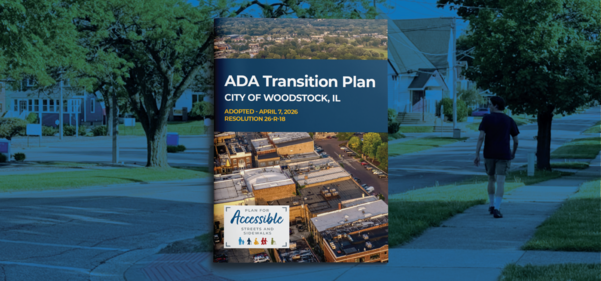
What’s new: With technical assistance from CMAP, communities including Elgin, Glen Ellyn, and Woodstock recently completed ADA public right-of-way self-evaluations and transition plans.
How it helps: The plans identify barriers in sidewalks, curb ramps, crossings, pedestrian signals, and other public infrastructure — then provide practical roadmaps for addressing them over time.
Momentum continues: CMAP’s accessibility work is underway in Waukegan, South Elgin, Lynwood, and Channahon, with five more communities selected for assistance through the 2026 call for projects.
♿ Explore the new accessibility plans
|
|
Communities turn local priorities into capital improvement plans
Why CIPs matter: Capital improvement plans (CIPs) help communities make transparent, long-term decisions about infrastructure, facilities, equipment, and other major needs.
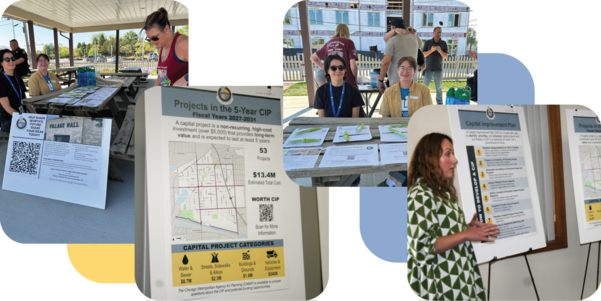
Local progress: Hickory Hills, Worth, and Matteson recently completed their first five-year capital improvement plans with support from CMAP’s Technical Assistance program.
Residents weighed in: Hickory Hills received 635 responses to its first survey and 791 to its second; more than 12 percent of Worth households participated; and Matteson saw participation from 18 percent of households.
Planning ahead: The plans help communities prioritize aging infrastructure, prepare for future water and stormwater needs, and connect public investments with residents’ priorities.
🛠️ See how communities are planning smarter infrastructure investments
|
|
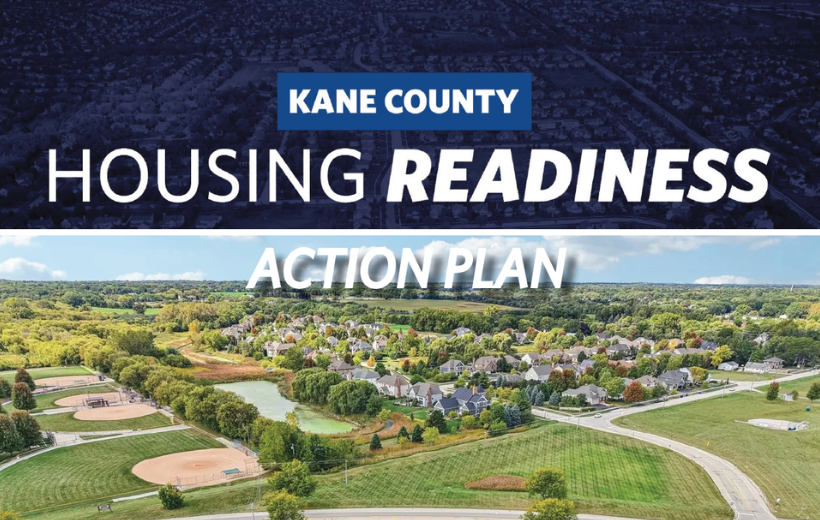
Kane County advances housing readiness plan
Local milestone: Kane County recently adopted its Housing Readiness Action Plan, developed in partnership with CMAP to help communities address growing demand for housing.
The significance: Housing readiness helps communities create clear development processes, strengthen partnerships, support community education, and update zoning to allow more housing choices near jobs and transportation.
What it does: The plan includes a checklist that communities can adapt to identify local barriers — from zoning and permitting to inspections and financing — and take practical steps to support housing that meets residents’ needs at different incomes and stages of life.
Built with partners: CMAP and Kane County shaped the plan with input from local stakeholders, including a two-part panel series with ULI Chicago and developers working across northeastern Illinois.
🏘️ Explore the Kane County Housing Readiness Action Plan
|
|
FLIP introduces students to the world of planning
Future planners: CMAP’s 17th annual Future Leaders in Planning program gave high school students a hands-on look at how planning shapes the places we live, work, and move through.
Planning in practice: Students explored accessibility through a downtown walking audit, learned about climate and transportation resilience, used GIS and site-planning tools, and studied how major developments affect surrounding communities.
Regional perspective: Site visits to places in Chicago like Pilsen, Chinatown, and the Damen Green Line station helped students connect planning concepts to real neighborhoods, infrastructure, culture, and community priorities.
🎒 See how students explored urban planning through FLIP
|
|
Community Data Snapshots help planners see local trends more clearly
Why use them: CMAP’s Community Data Snapshots give local leaders quick access to the data they need to understand change and plan for what comes next.
What’s included: Each snapshot summarizes community-level data on demographics, employment, housing, transportation habits, and more for northeastern Illinois’ municipalities, Chicago community areas, and counties.
Land use lens: This year’s release includes data from CMAP’s updated Land Use Inventory, helping communities better understand how development patterns, housing, jobs, and transportation connect.
Track progress: Built-in comparisons show how each community compares with its county and the region, while the “change over time” section makes long-term trends easier to spot.
📊 Explore your community’s latest data
|
|
Driving change: Catalyst Series event focuses on transportation for the next century
Transportation experts and stakeholders from government, business, and civic sectors joined us in Joliet for our fifth event in the Catalyst Series — Driving Change: A Regional Dialogue on Transportation for the Next Century.
It was a high-energy day of learning and creative problem solving — from lightning talks to an engaging panel moderated by CMAP Executive Director Erin Aleman, to small group conversations that sparked new ideas.
How it'll help: Insights will directly inform The Century Plan, our next long-term regional vision for northeastern Illinois. Thank you to our speakers for bringing their national expertise and on-the-ground experience to the conversation — and to all the participants for contributing thoughtful questions and discussions.
The highlights:
➤ Dr. Patricia “Trish” Hendren, Executive Director of The Eastern Transportation Coalition, highlighted the need to modernize transportation revenue as the connection between how we use and pay for our system continues to evolve. She emphasized the importance of coalition building and regional collaboration in shaping sustainable funding solutions.
➤ Adie Tomer, Senior Fellow at the Brookings Metropolitan Policy Program, spoke to the links between infrastructure and economic competitiveness. He noted that successful regions align housing, transportation, and economic strategy — and that we’re entering a new generation of transportation shaped by emerging technologies, rising costs, and climate pressures. His message was clear: we must think boldly about building the next century of transportation.
➤ Heather Worthington, Principal at Urban3, discussed the fiscal impacts of how and where we grow. She underscored the value of data-driven decision-making, regional alignment, and land use strategies that leverage existing infrastructure to create more economically resilient communities.
We look forward to continuing this dialogue as we work toward a stronger, more connected, and more resilient region.
|
|
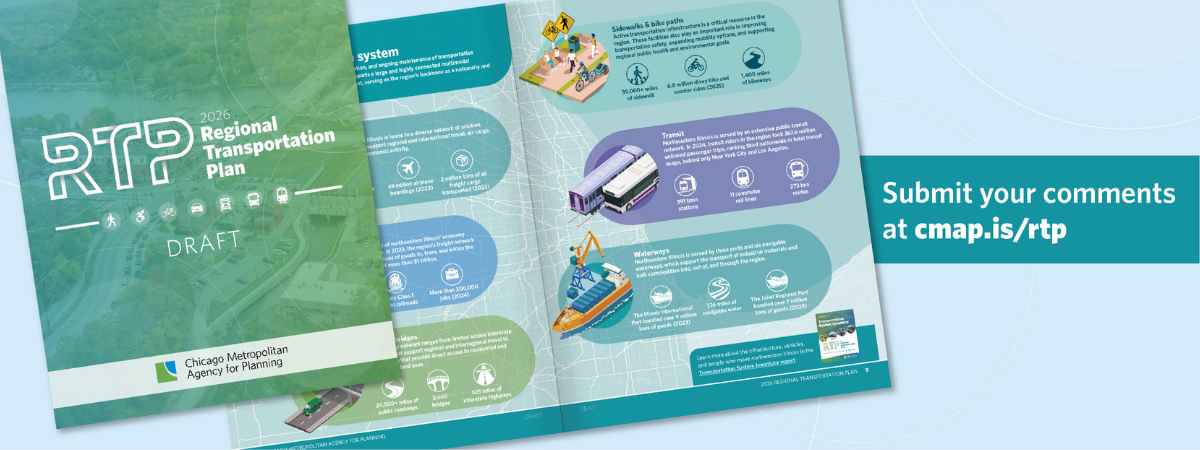
Help plan our path forward: Share your feedback on northeastern Illinois' transportation future (by Friday!)
CMAP invites residents, partners, stakeholders, and transportation system users to review and comment on the draft 2026 Regional Transportation Plan (RTP), Air Quality Conformity Determination, and FFY 2027–32 Transportation Improvement Program.
What is the RTP?
The RTP is a long-range blueprint for the future of transportation in northeastern Illinois. It outlines priorities and strategies to improve how people and goods move throughout the region, to strengthen connections, improve safety, reduce pollution, support economic opportunity, and invest strategically in the transportation system.
Public feedback will help shape the final documents before the CMAP Board and MPO Policy Committee consider adoption in October 2026.
📖 Review the draft materials and share your comment by July 31
|
|
|
CMAP will host a public hearing for the draft 2026 Regional Transportation Plan on Thursday, August 6, from 3:00 to 4:30 p.m. at CMAP’s office in the Old Post Office. Community members, partners, and stakeholders are invited to learn more about the draft plan and provide comments on the region’s long-range transportation priorities.
Please register in advance to attend in-person or virtually.
|
|
|
|
|