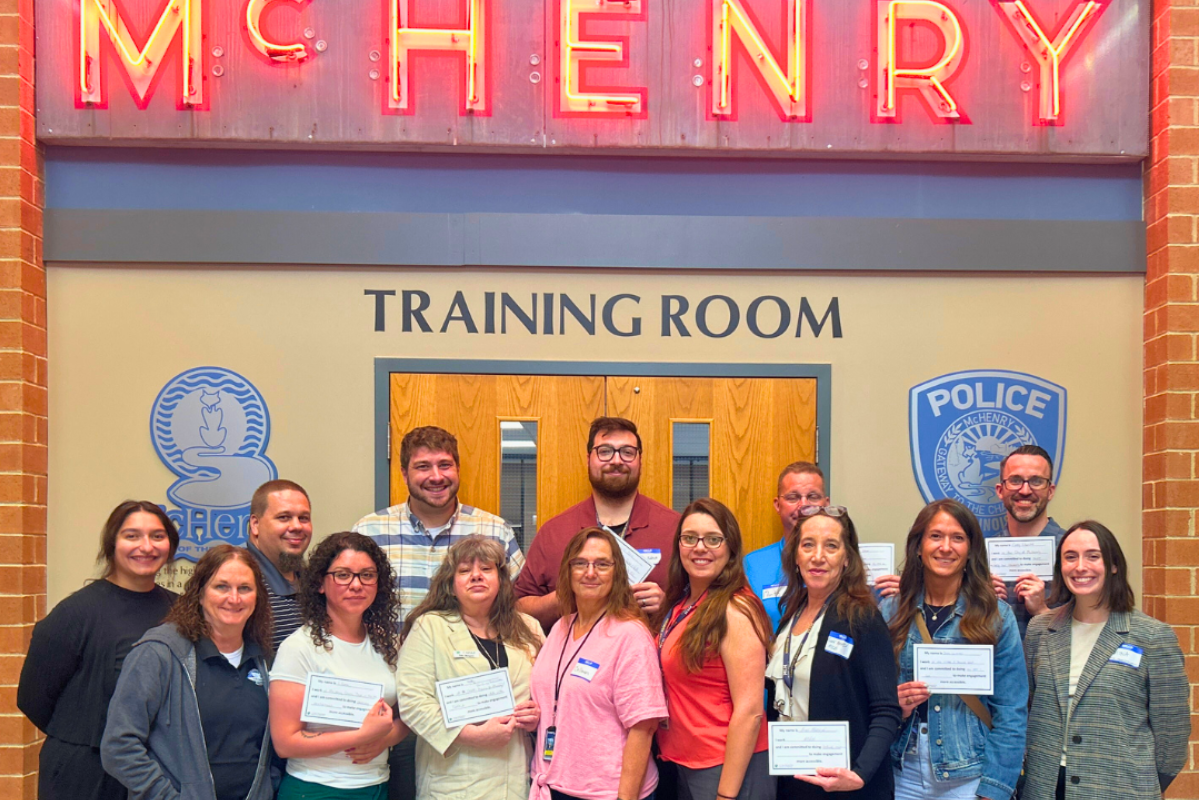
|
|
Thanksgiving greetings, partners in planning!
As we gather with friends and loved ones this Thanksgiving, we’re reminded of how much our region relies on people who devote themselves to building stronger, more vibrant communities. From local elected officials and planners to advocates, agency partners, and engaged residents, your leadership shapes the places we live, work, and move through every day.
Thank you for lending your expertise, your voices, and your vision to the work of planning for northeastern Illinois. Your partnership is essential. As CMAP embarks on The Century Plan and continues to advance the 2026 Regional Transportation Plan, we remain grateful to collaborate with those who lead, implement, and champion progress across our seven counties.
Have a project or update to share with the CMAP community? Please reach out anytime at msobczak@cmap.illinois.gov.
|
|
State of the Region launches The Century Plan, setting a bold course towards 2060 and beyond
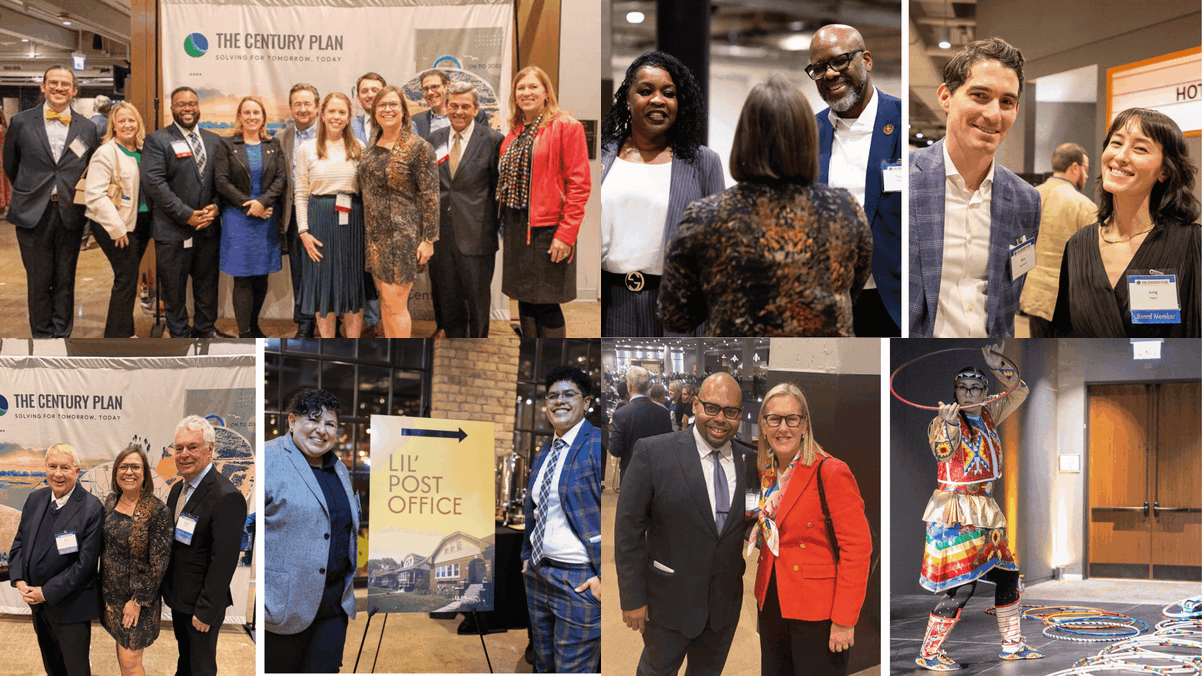
Nearly 1,000 state and local leaders, mayors, county board chairs, and partners from the transportation, business, and civic sectors gathered earlier this month for CMAP’s first-ever State of the Region event. The event celebrated CMAP’s 20th anniversary and the launch of The Century Plan, the region’s next long-term vision.
Inspired by Daniel Burnham’s call to “make no little plans,” the event marked the official kickoff of a regional initiative that will guide transportation, environmental, and economic priorities for decades to come. CMAP Board Chair and Palos Hills Mayor Gerald Bennett emphasized the power of partnership, noting that the plan will be shaped collectively by leaders, stakeholders, and residents across northeastern Illinois.
Over the next two years, CMAP will engage government agencies, businesses, civic groups, and communities to develop The Century Plan, with adoption targeted for fall 2027. Residents will have numerous opportunities to help answer big questions about the region’s future:
- How will people travel?
- Where will they live and work?
- What industries will emerge?
- And what ideas and commitments will ensure that northeastern Illinois remains a world-class region of eight million people?
Executive Director Erin Aleman underscored that while CMAP facilitates the process, the plan belongs to the region, reflecting a shared vision for a stronger, more resilient future.
|
|
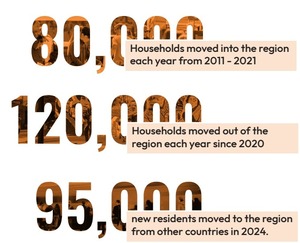
Newly released State of the Region Snapshots provide context for why we need bold planning. The region’s population is becoming more diverse but experiencing slow overall growth; the cost of living continues to outpace low- and middle-income wages; and demographic shifts are reshaping communities as the number of seniors grows while the number of children and young adults declines. At the same time, many residents face rising housing costs and a shortage of mid-size homes that match household needs. These trends will influence everything from workforce stability to infrastructure investment — and they highlight the importance of planning ahead. |
|
Supporting more accessible communities through ADA technical assistance
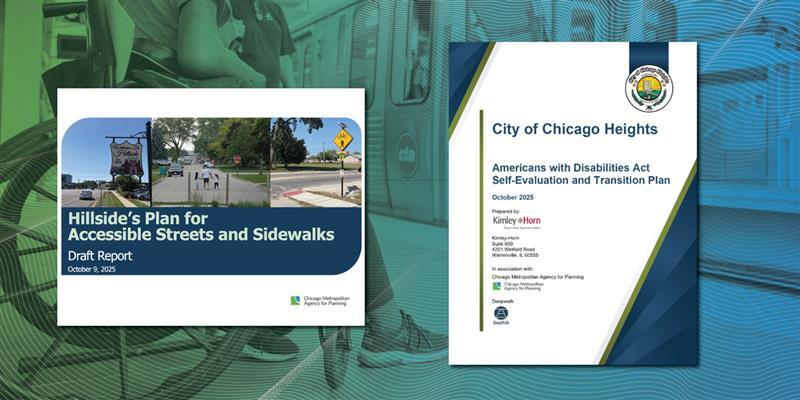
Northeastern Illinois is growing stronger and more accessible as communities across the region make significant strides towards accessibility for all through CMAP’s technical assistance program. In Hillside, CMAP supported the village’s first comprehensive assessment of accessibility barriers along sidewalks, curb ramps, pedestrian signals, and key corridors including priority routes such as Hillside Avenue, Frontage Road, and Oak Ridge Avenue. Public input underscored the challenges of navigating heavily traveled state and county roadways, and the resulting plan lays out a phased 20-year strategy to improve curb ramps, fill sidewalk gaps, and embed accessible design into local policies and maintenance practices.
In Chicago Heights, CMAP worked with the city to evaluate more than 158 miles of sidewalks, 8 signalized intersections, and 122 transit stops, identifying barriers such as non-compliant curb ramps, tripping hazards, and steep or disconnected transit boarding areas. The plan includes a new prioritization tool that weighs severity, equity, proximity to important destinations, and cost-effectiveness to guide future investments. Chicago Heights also updated its grievance procedures and designated an ADA/504 coordinator, building a strong administrative foundation for long-term implementation.
Together with ongoing assistance in other communities, these plans highlight CMAP’s commitment to helping communities expand mobility, safety, and independence for residents of all abilities.
|
|
West Cook communities unite around a safer, more connected future for walking and biking
The West Cook Bicycle and Pedestrian Plan is a major win for residents across Bellwood, Berkeley, Broadview, Hillside, and Westchester, providing a clear path toward safer and more comfortable ways to walk, bike, and roll. The plan outlines a complete and connected network of bikeways and sidewalks that link key destinations such as the Salt Creek Trail and the Illinois Prairie Path. It also offers actionable and fundable strategies that can be implemented over time to deliver visible progress toward safer streets for all.
Driven by data, extensive community engagement, and strong collaboration among the five communities, the plan addresses existing barriers, identifies priority corridors, and provides recommendations that help each community advance a shared vision for healthy, thriving, and well-connected neighborhoods.
|
|
Make no small plans I Project highlights |
|
|
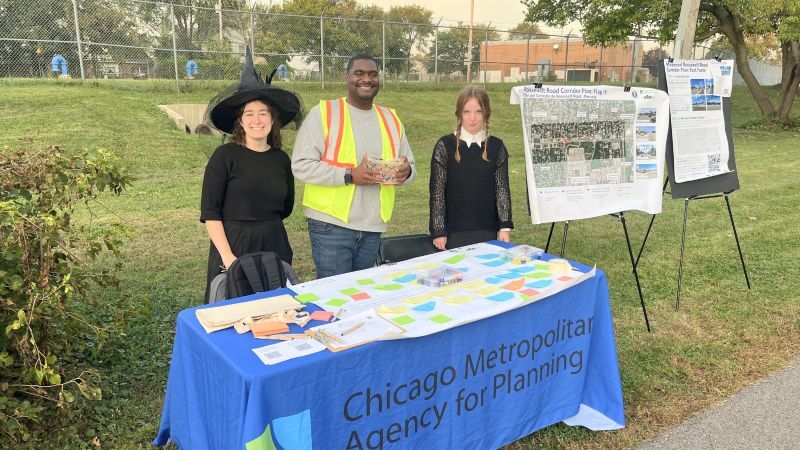
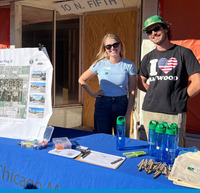
This October, CMAP hit the ground in the Village of Maywood — costumes and all — to connect with residents and share updates on the Maywood Roosevelt Road Corridor Plan. Team members joined the community at the Maywood Haunted Trail and partnered with the RTA at the lively Pumpkin Patch Parade, engaging families and local stakeholders about the vision to transform Roosevelt Road into a safe, accessible, and thriving corridor. These events offered an opportunity to meet residents where they are, listen to their experiences, and highlight how the plan will support stronger mobility, economic vitality, and community identity along one of Maywood’s most important streets.
If you have thoughts about the future of Roosevelt Road in Maywood, please take a moment to fill out the Future Improvements Survey.
|
|
Transforming Lemont’s former Fire Station 1 site into a new community asset
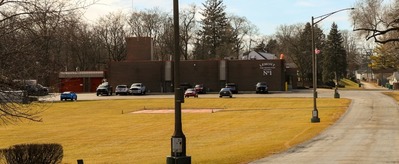
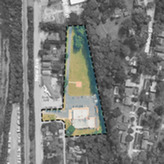
The Lemont Fire Protection District is preparing to relocate from its current Station 1 location at 15900 New Avenue, allowing it to better serve the community. CMAP is collaborating with the Village of Lemont and the Lemont Fire Protection District to reimagine the site. This is a unique opportunity to create a vision for redevelopment of the site into a vibrant, inclusive space that maximizes existing infrastructure, improves connections to transportation, and aligns with Lemont’s long-term goals for investment and accessibility.
As the planning process progresses through the visioning stage following completion of the existing conditions and market analysis phases, residents and stakeholders are encouraged to help shape the future of this site. You can participate by taking a short online survey and by sharing a photo that illustrates your vision for the area. These contributions will directly inform the redevelopment strategy and help ensure the final plan reflects community priorities.
|
|
CMAP highlights growing municipal ADA compliance through innovative technical assistance
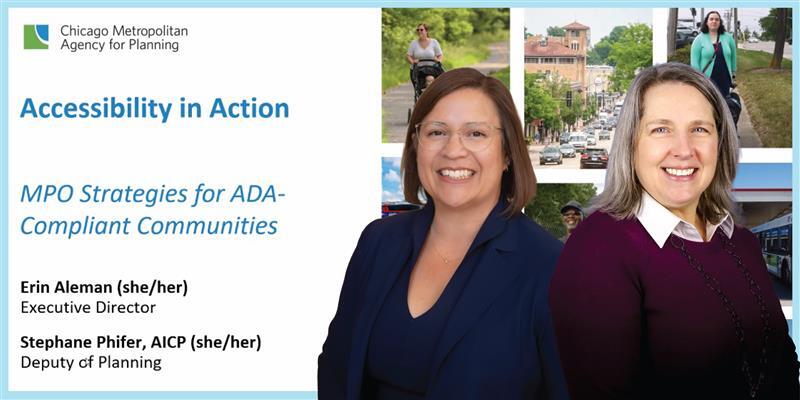
CMAP Executive Director Erin Aleman and Deputy Executive Director of Planning Stephane Phifer presented to MPO executive directors from across the country on a national model to advance equity, mobility, and inclusive infrastructure through sustained local partnership. As part of an AMPO leadership forum spotlighting innovative technical assistance, they shared insights from CMAP’s ADA Transition Planning program which helps communities identify barriers, prioritize improvements, and make public rights-of-way more accessible for all residents. Erin and Stephane also highlighted how two rounds of technical assistance have already increased the region’s ADA compliance rate to 23 percent, and underscored CMAP’s commitment to expanding this support in the future.
|
|
Share your stories for our region's future transportation plan
We’re seeking people who represent the rich diversity of travelling around our region today — and their journeys ahead. CMAP is looking for volunteers to participate in interviews and be featured in materials supporting the upcoming 2026 Regional Transportation Plan (RTP). We want to hear your story and showcase the unique ways you move throughout northeastern Illinois.
Whether you ride the train, bike to work, use accessibility features to move safely and independently, or drive or walk your kids to school, we want to feature real people across our region who bring our transportation system to life.
What to expect
Participants will take part in a short, informal interview and photography session where our team will capture your lived experience in action. Your story may appear in the final RTP or on CMAP’s digital channels.
Transportation moves everyone
We’re interested in featuring people from all backgrounds, ages, abilities and geographies across Illinois. All are encouraged to apply.
|
|
|
CMAP's Accessible Public Engagement Training received the Advancing Diversity & Social Change award from the Illinois Chapter of the American Planning Association.
More than 100 participants throughout the region learned how to proactively plan for accessibility accommodations, create inclusive spaces — both virtual and in-person — and design engagement strategies that meet the needs of community members with disabilities.
Developed in partnership with MUSE Community + Design, this training was designed to build capacity for local governments, community organizations, and planners, as well as create inclusive and welcoming spaces.
|
|
Strengthening housing choice across the region |
|
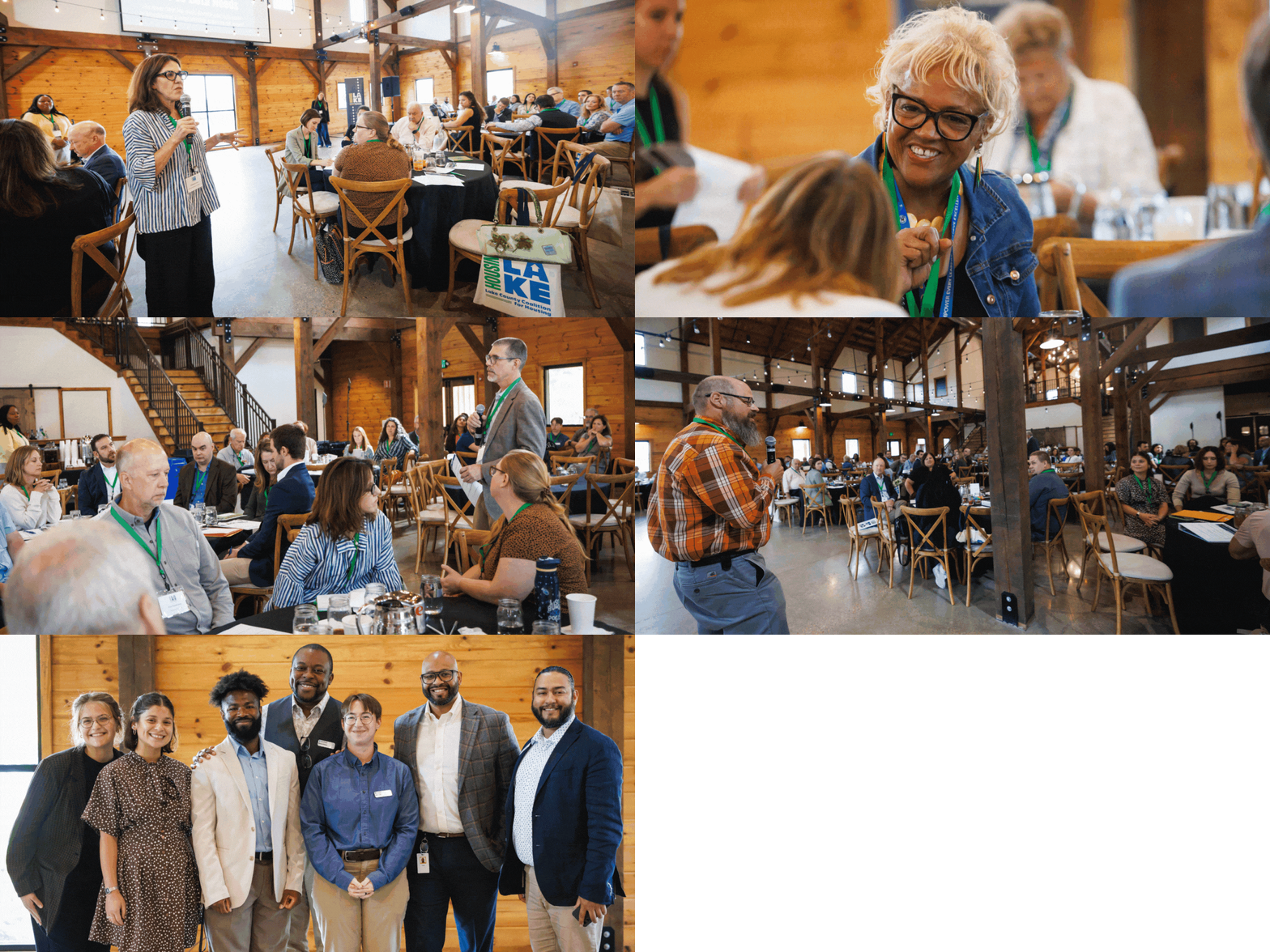 Participants collaborated on Olympic-themed activities at a Housing Lake County workshop this fall.
|
|
Working to build solutions for Lake County's housing challenges
Lake County and CMAP, supported by a grant from Schreiber Philanthropy, are bringing together business leaders, elected officials, municipal planners, developers, and community advocates to tackle housing challenges.
Housing Lake is creating a vision and strategies to increase attainable housing throughout the county and improve links between housing, jobs, and transportation options — and they've been busy:
- An in-person workshop in September featured Olympic-themed activities to help identify shared housing values, establish a baseline understanding of housing stock, and connect goals to the data needed to achieve them.
- In October, more than 60 people gathered virtually for a second workshop to learn how peers in Michigan are tackling housing issues from a regional perspective. Participants also worked in small groups to discuss mobility and growth trends, housing supply and demand, demographic shifts and housing needs, and affordability drivers.
- A third workshop for was held in mid-November, with the theme of envisioning growth together.
Coming up next, Housing Lake will host a virtual session in December, followed by an in-person workshop in January. Then, the culminating celebration for this collaborative journey will take place in February at the Housing Lake: Lake County Coalition for Housing Summit. The summit will feature the task force's recommendations and dynamic panel discussions as we look to the future of housing in Lake County.
|
|
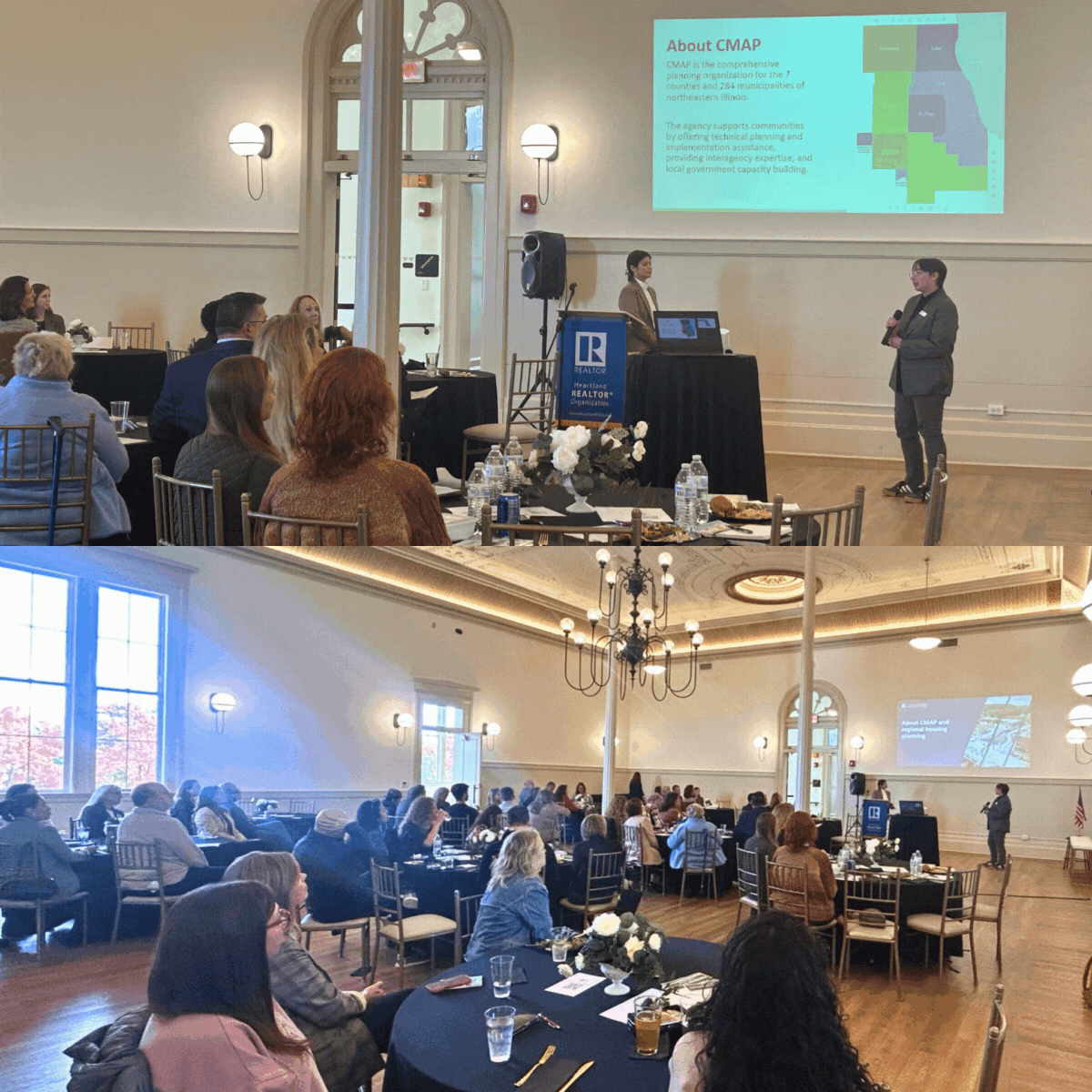 CMAP's Lee Skuby and Makala Morales presented at a recent forum in McHenry County.
|
|
Exploring McHenry County's housing market
People who live in McHenry County should be able to stay in their community through all phases of life, from youth to adulthood to retirement. But economic conditions and low new housing development over the last 15 years have led to unattainable housing for many.
A recent forum explored the county's housing market and needs, with CMAP team members Lee Skuby and Makala Morales among the presenters at the Housing For Working Families event in Woodstock.
CMAP and McHenry County are partnering to develop a housing readiness action plan. Learn more about McHenry County Housing Readiness.
|
|
|
|
|