|
Share your climate action projects
The Chicago Metropolitan Agency for Planning (CMAP) wants to spotlight the incredible work happening across our region to cut carbon emissions and build resilience to climate change.
If your organization has completed a project that helps our region cut emissions or prepare for climate impacts, please take a few minutes to tell us about it and share photos.
Your project could be featured in CMAP's reports, case studies, articles, and social media, helping inspire action and share solutions with others. Thank you for helping us highlight the important climate work happening in our region!
|
|
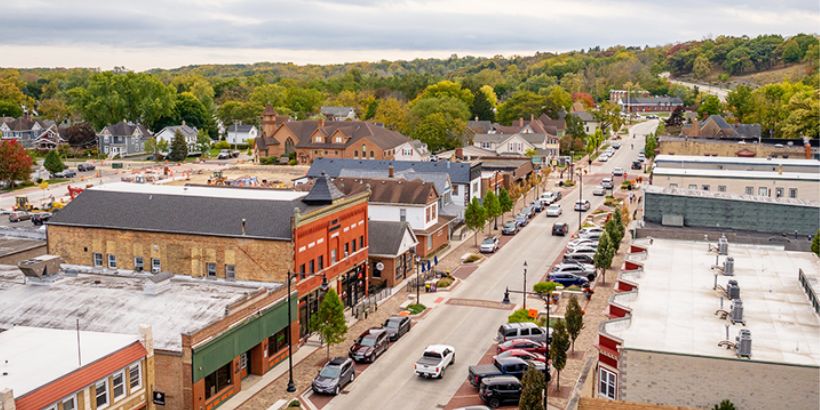
Updated Community Data Snapshots include new data on development, demographics, housing, and more
CMAP released a new set of Community Data Snapshots to help local leaders and the public track progress and make informed decisions in their communities.
These data-rich snapshots — one for each of the region's 284 municipalities, 77 Chicago community areas, and 7 counties — summarize demographics, housing, employment, transportation habits, and other key community details.
This year's update includes new data on uninsured populations and county-level development data — including residential and non-residential space — from the Northeastern Illinois Development Database, as well as housing and transportation cost comparisons and annual vehicle miles traveled.
|
|
High schoolers introduced to urban planning through Future Leaders in Planning program
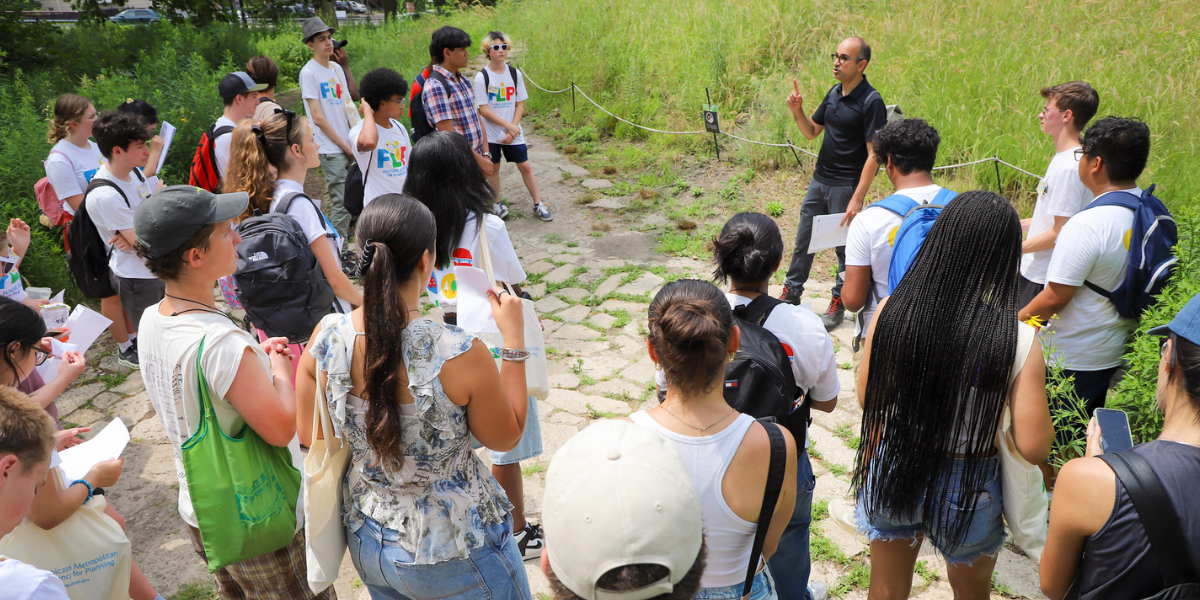
Future Leaders in Planning (FLIP) is CMAP's summer leadership program that engages high school students in hands-on urban planning. The program fosters the next generation with the curiosity needed to tackle the region's complex transportation, environmental, and land use challenges.
Through FLIP, students gain valuable insights from CMAP team members and community leaders, learning firsthand about the planning profession and how it shapes communities.
Programs like FLIP underscore how important it is to nurture tomorrow's planning leaders today — ensuring a more inclusive, informed, and sustainable future for the region.
|
|
17 communities are now EV Ready
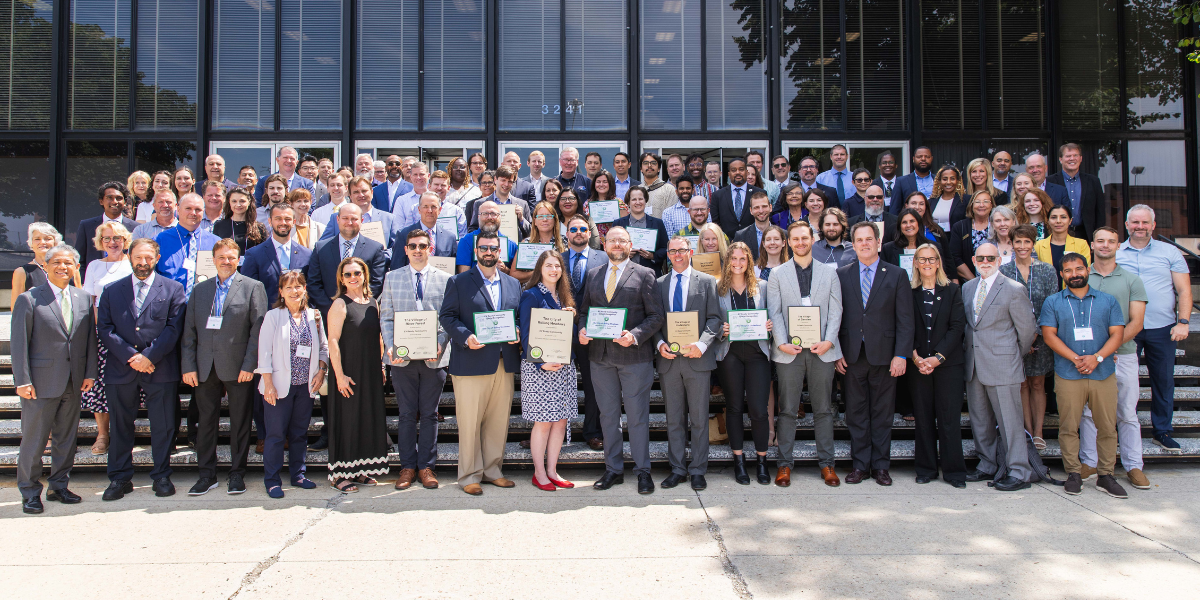
Congratulations to the third cohort of the EV Readiness Program! The Metropolitan Mayors Caucus recently recognized 17 communities that completed the program which helps local governments plan for the transition to electric vehicles (EVs).
The participating local governments range from large urban cities to suburban communities, with representation from all over the region: Broadview, Brookfield, Chicago, Countryside, DeKalb, DuPage County, Glenview, Highland Park, Johnsburg, Lindenhurst, Park Forest, River Forest, Rockford, Rolling Meadows, Streamwood, Vernon Hills, and Warrenville.
Want to join the next cohort of the EV Readiness Program?
Applications close Friday, September 5.
|
|
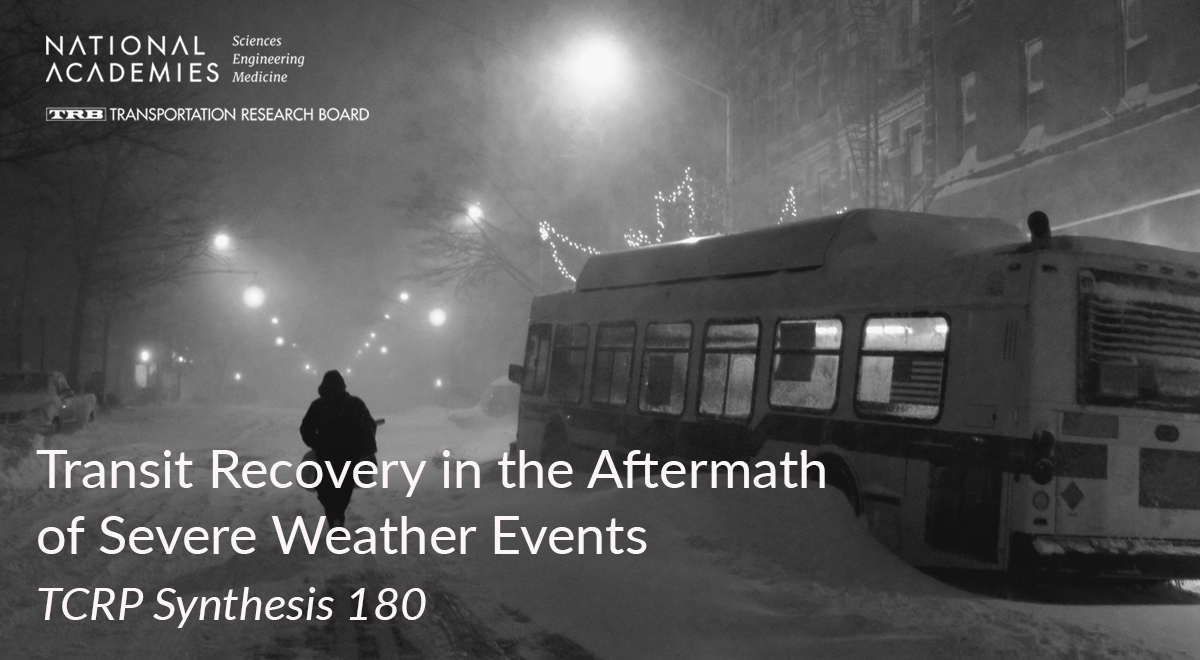
Transit recovery in the aftermath of severe weather events
In recent decades, billions of dollars of transit assets have been destroyed, and millions of passengers have lost reliable transit service, due to extreme weather.
The Transportation Research Board's TCRP Synthesis 180: Transit Recovery in the Aftermath of Severe Weather Events: Current State of Practice documents current practices for transit recovery plans and provides examples of short- and long-term recovery.
Learn how often transit agencies have recovery plans and what's included in them, recovery timing and financing, and measurements of success.
|
|
Conferences and trainings |
|
Focus on watersheds at McHenry County Water Forum
The annual McHenry County Water Forum will be held at the McHenry County College Auditorium on Wednesday, September 10. This free, fully catered, public event provides a festive atmosphere for people to learn about the water resources that make McHenry County special.
This year's event focuses on watersheds, which can play a major role in improving water quality, reducing flooding, protecting groundwater, shaping land use, and enhancing resilience.
|
|
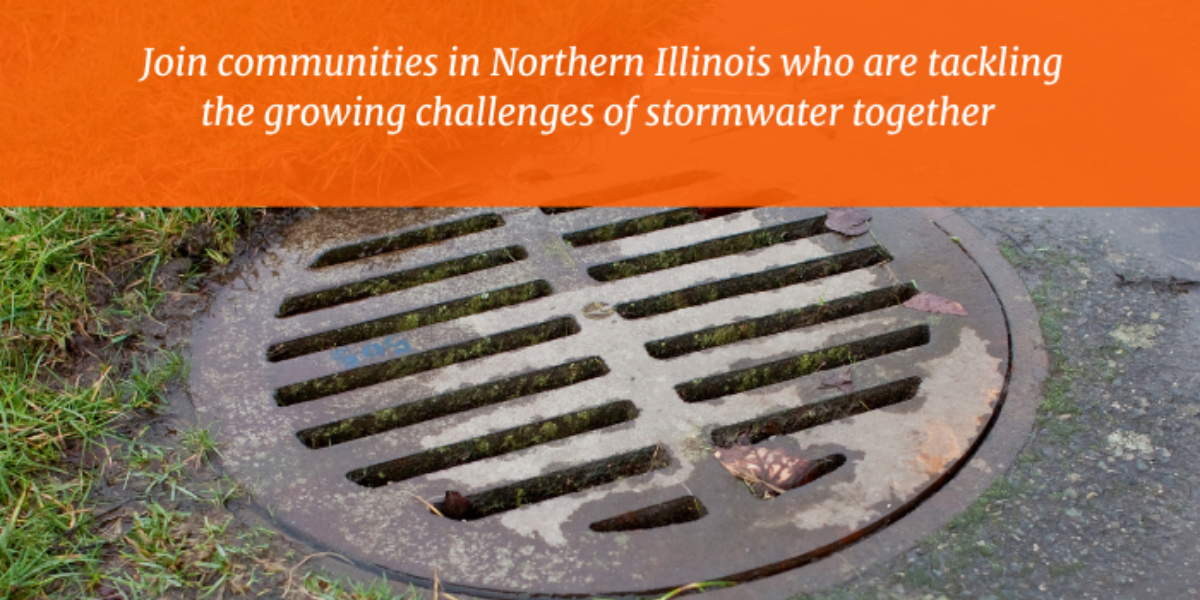
Stormwater Leadership Summit
Is your community facing water quantity issues, infrastructure mitigation needs, and a lack of resources protecting water quality? To address this, Illinois Extension is bringing together leaders on Thursday, September 25, to develop collaborative solutions.
The Stormwater Leadership Summit provides community leaders like you with the tools and a network of assistance and support to meet their stormwater management goals.
You and those who support your local stormwater efforts are invited to address these challenges together.
|
|
Water research, technology, and policy seminar series starts 9/3
Current's Third Coast Water Seminar Series focuses on the research, technologies, and policies advancing a circular water economy in the Great Lakes region, the broader U.S., and globally.
This free, virtual seminar series brings together researchers, technologists, industry leaders, and policymakers to address urgent water challenges and explore real-world solutions.
The 2025–26 series will spotlight people and projects transforming how we recover, reuse, and rethink water — from PFAS remediation to resource recovery and beyond.
Webinars take place on the first Wednesday of each month, starting September 3 and continuing through 2026.
|
|
Registration open: Winter workshops
Registration is now open for this year's Winter Best Practices Workshops taking place from September through November. Learn how your municipality and public works department can use best management practices to reduce the amount of salt you use and address National Pollutant Discharge Elimination System permit requirements.
|
|
New initiative to support communities investing in water infrastructure projects
The Partners for Places Jobs and Inclusive Infrastructure Initiative is aimed at supporting communities with investments and technical expertise to effectively implement infrastructure projects.
The grant is intended for projects that are already supported by public funds. The first round of investments will have a strong emphasis on place-based water-related projects, but those working in other infrastructure areas may apply. The application deadline is Monday, September 15.
|
|
Funding for brownfields job training programs
The Brownfields Job Training Grants fund programs that recruit, train, and place local, unemployed, and under-employed residents with the skills needed to secure full-time employment in the environmental field. This includes areas such as sustainable remediation, chemical safety, and site preparation for brownfields revitalization. The grant closes on Friday, September 26.
|
|
Apply for water quality management planning funding
Section 604(b) Water Quality Management Grant Program funding is available to areawide planning agencies and other entities to carry out water quality management planning activities. Applications are due Wednesday, October 8, at 1:00 p.m.
|
|
Funding available for green infrastructure
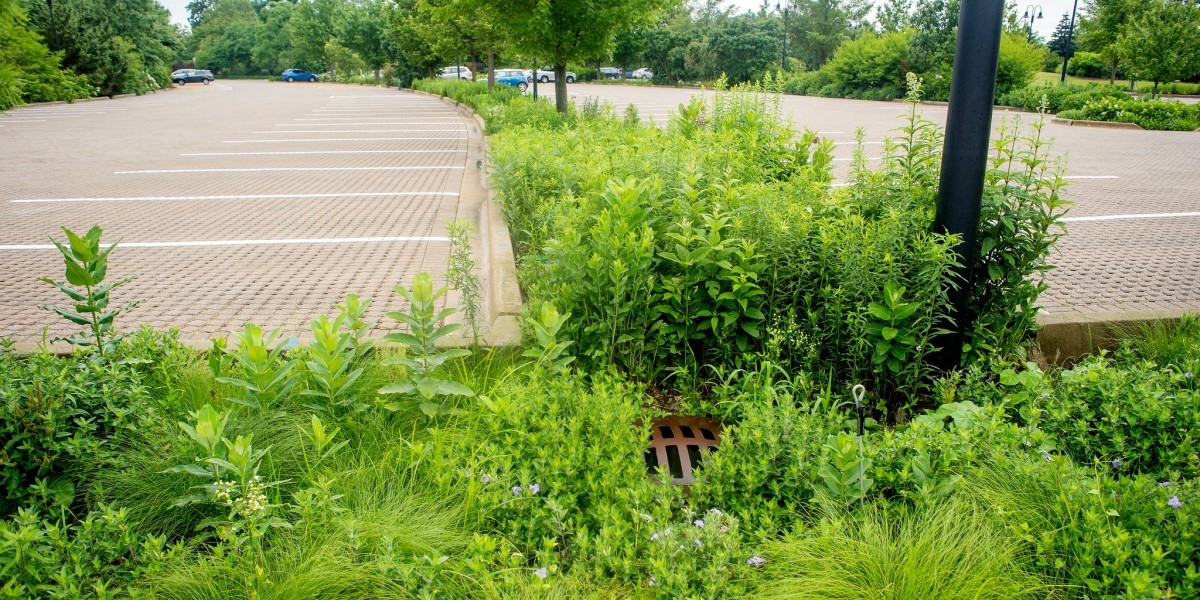
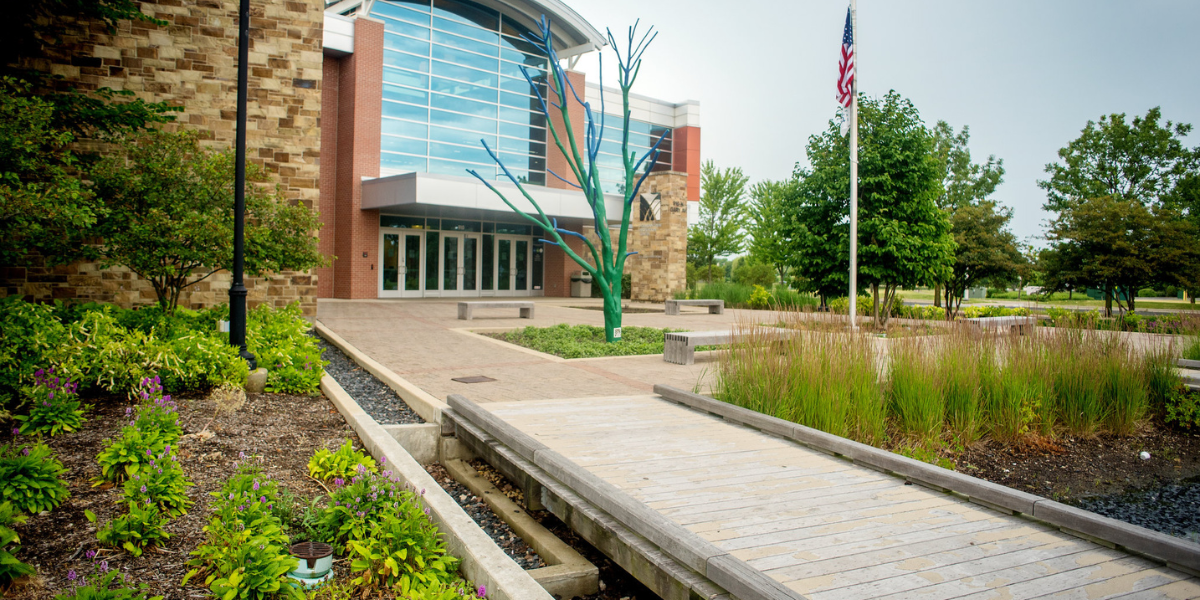
Applications are open for the Green Infrastructure Grant Opportunities program. Projects must include green infrastructure best management practices (BMPs) that prevent, eliminate, or reduce stormwater runoff, reducing localized or riverine flooding. Projects that implement treatment trains (multiple BMPs in series) and/or multiple BMPs within the same watershed are encouraged as they may be more effective and efficient than a single large green infrastructure BMP. Applications are due by 1:00 p.m. on Wednesday, November 5.
|
|
Illinois Climate Bank reopens rolling applications for stretch code, clean power grant programs
The Illinois Climate Bank reopened rolling application windows for the Stretch Code Adoption and Small Utility Clean Energy Planning grant programs.
The Stretch Code Adoption Grants support units of local government in adopting and implementing the 2023 Illinois Stretch Energy Code.
The Small Utility Clean Energy Planning Grants program supports municipal and cooperative utilities in transitioning to cleaner energy sources through robust planning and implementation efforts.
Applications will remain open until Wednesday, December 31, or until funds are expended.
|
|
Funding available for communities that received major disaster declarations in '23-'24
The U.S. Economic Development Administration's Disaster Supplemental Grant Program provides funding through three pathways:
- Readiness: Capacity building and strategic planning projects that set the stage for future investment.
- Implementation: Standalone construction and non-construction projects that help communities recover from natural disasters and advance recovery and growth.
- Industry transformation: Coalition-led, multi-project portfolios that transform regional economies through targeted industry development.
Applications for Readiness and Implementation grants will be accepted on an ongoing (rolling) basis. Applications for Industry Transformation grants are due Tuesday, March 3, 2026, at 4:00 p.m.
The U.S. Economic Development Administration anticipates strong demand for this program and encourages applicants to submit proposals as soon as they are viable and ready, and to work with their local economic development representatives to prepare a competitive proposal.
|
|
|
|
|