|
A blueprint for active transportation in Alsip
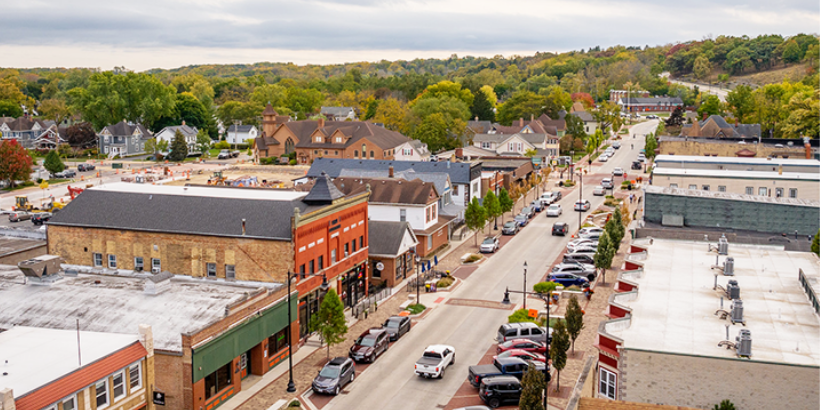
Getting around Alsip on foot or by bike is about to get safer, easier, and more connected. With the village adopting its Bicycle and Pedestrian Plan — developed with support from CMAP — Alsip now has a clear blueprint to improve walking and biking infrastructure for people of all ages and abilities.
Informed by public input and data analysis, the plan calls for nearly 20 miles of new bike facilities, over 57 miles of new sidewalks, safer crossings at key intersections, and better connections to regional assets like the Cal-Sag Trail. The plan also outlines supportive policies and programs — from a Vision Zero commitment to bike rodeos to Divvy expansion — that will help foster a culture of safe, sustainable transportation throughout the community.
|
|
Northwest Cook County explores a future with streamlined transit service
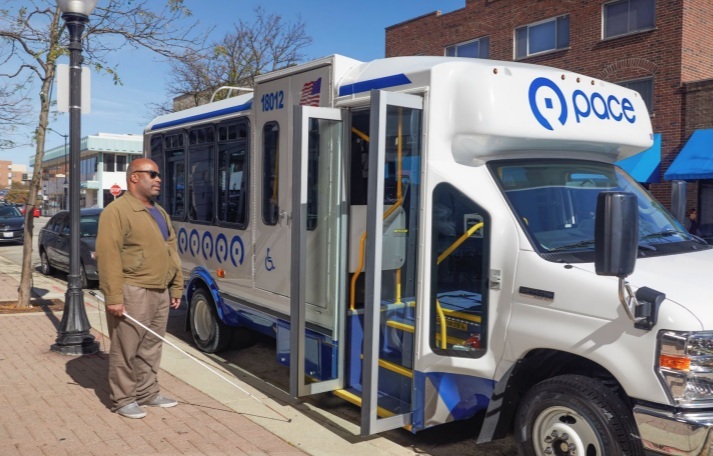
CMAP recently completed the Northwest Cook Transit Coordination Study alongside four townships – Barrington, Hanover, Palatine, and Schaumburg — to advance seamless, well-coordinated transit services. The study was developed in close collaboration with key regional partners, including Harper College, the villages of Schaumburg and Hoffman Estates, Cook County, the Regional Transportation Authority, and Pace.
After analyzing the study area's existing transit services, CMAP developed a variety of recommendations for short- and long-term transit investments like: coordinated reservations systems, expanded service areas, performance monitoring, and marketing strategies to boost public awareness. The agency also provided guidelines for implementation and funding opportunities to highlight areas for improvement.
|
|
Make no small plans I Project highlights |
|
|
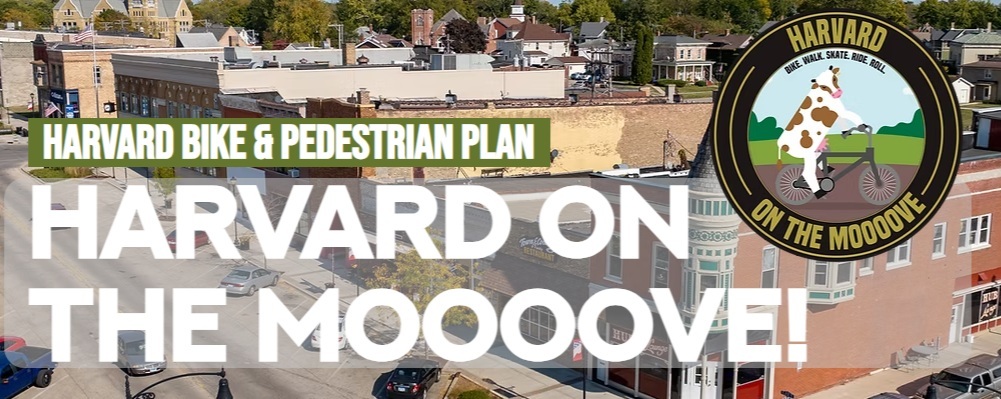
The City of Harvard is developing Harvard on the Moooove — a new bicycle and pedestrian plan to create a safer, more connected network for walking, biking, skating, and rolling throughout the community. Made possible through technical assistance from CMAP, the plan will serve as a blueprint for building new sidewalks, bike lanes, trails, and paths, while also outlining construction priorities, design recommendations, and funding opportunities.
To help shape the vision, Harvard wants to hear from residents and visitors. Share your ideas, concerns, and experiences by taking the community survey today and helping improve how people mooooove through Harvard.
|
|
From plans to progress: Dixmoor builds capacity with CMAP
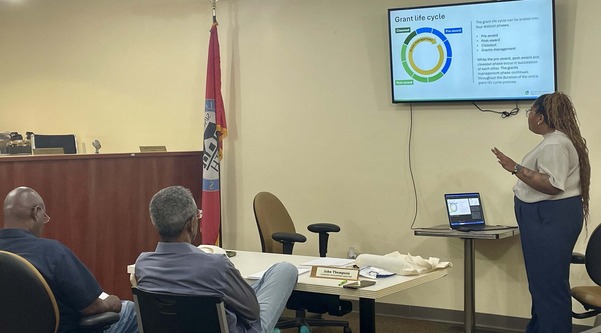
As part of the grant readiness technical assistance awarded last year, village leaders in Dixmoor welcomed CMAP staff members for training on the grant management process. Working side by side, we're laying the groundwork for future transportation investments. Dixmoor is building the capacity to compete for and manage public infrastructure funding — from identifying priority projects to preparing competitive applications to navigating implementation. This hands-on assistance is designed to help communities like Dixmoor turn planning into progress — to ensure they're ready to move projects from vision to reality.
|
|
Strengthening housing choice across the region |
|
Kane County Housing Readiness Market Analysis: Highlighting key factors that will help shape the future
Did you know that in Kane County...
- About 70 percent of residents live in the eastern third of the county
- The population has increased by 22 percent in the past two decades
- One- and two-person households make up the majority, yet housing stock is dominated by three- and four-bedroom homes
- Median home values saw a 30 percent increase between 2020 and 2023
Kane County is partnering with CMAP on a Housing Readiness Plan. It’ll assess needs and build awareness, so communities can become housing-ready, enact changes, and overcome obstacles.
The latest Kane County Housing Readiness Market Analysis plays a key role. In it, you’ll find information that identifies trends in population, housing, and development. It provides a snapshot of housing, zoning, and land use conditions, as well as factors that will influence future housing plans.
|
|
Innovative coalition ready to take on Lake County's growing need for housing
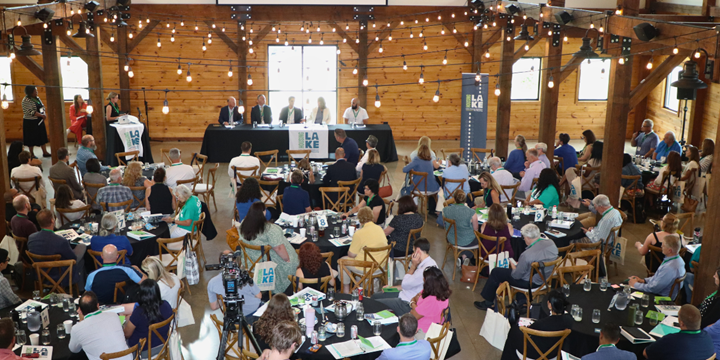
Lake County and CMAP launched Housing Lake County — a groundbreaking coalition bringing together business leaders, elected officials, developers, and community advocates to tackle challenges head-on. Over the next six months, the coalition will create implementable solutions that preserve what we love about Lake County while ensuring everyone has a place to call home.
Rising housing costs and limited inventory are pricing out our workforce, including teachers, healthcare professionals, young families, and long-time residents. When people cannot afford to live where they work, the ripple effects impact economic vitality, school enrollment, and community connections.
The coalition builds on earlier commitments made by Lake County and CMAP, with support from Schreiber Philanthropy, to prioritize housing as an economic development strategy.
|
|
Region's next generation of planning leaders participates in FLIP 2025
Future Leaders in Planning (FLIP) plays a vital role in shaping the next generation of leaders by engaging high school students from across the seven-county area in hands-on urban planning. The program fosters a diverse pipeline of future planners with the curiosity needed to tackle the region’s complex transportation, environmental, and land use challenges.
Through FLIP, students gain valuable insights from CMAP team members and community partners, learning firsthand about the planning profession and how it shapes communities. This summer, CMAP introduced participants to a wide range of planning topics, including communications and engagement, accessibility, the 2026 Regional Transportation Plan, housing, and Geographic Information Systems.
Students also experienced the region as a living laboratory, with site visits to places like the Loop, Horner Park, O’Hare Airport, Chinatown, Bronzeville, and East Garfield Park — each offering a unique perspective on planning in action.
Programs like FLIP underscore how important it is to nurture tomorrow’s planning leaders today — ensuring a more inclusive, informed, and sustainable future for the region.
|
|
Updated Community Data Snapshots include new data on development, demographics, housing, and more
CMAP released a to help local leaders and the public track progress and make informed decisions in their communities.
These data-rich snapshots — one for each of the region's 284 municipalities, 77 Chicago community areas, and 7 counties — summarize demographics, housing, employment, transportation habits, and other key community details.
This year's update includes new data on uninsured populations and county-level development data — including residential and non-residential space — from the . Significant data updates include housing and transportation cost comparisons and annual vehicle miles traveled.
View or download the data on .
|
|
Community voices guide development of the 2026 Regional Transportation Plan
The CMAP team has been out in the community connecting with residents about the 2026 Regional Transportation Plan at events in Chicago, Romeoville, and Woodstock. The team heard firsthand what matters most to people when it comes to transportation. Thanks to everyone who stopped by to share their ideas and priorities — your voice helps shape the future of mobility in northeastern Illinois.
If you didn’t get a chance to participate, there’s still time to weigh in by completing a quick questionnaire at cmap.is/rtp.
|
|
Safe Routes to School funding available through October 13
The Illinois Department of Transportation (IDOT) will be accepting applications soon for the 2025 Safe Routes to School (SRTS) Program, a 100% federally funded opportunity to improve how students walk, bike, and roll to school.
Through both infrastructure and non-infrastructure projects, the SRTS helps make school routes safer and more accessible — and encourages active transportation for children of all ages and abilities. Eligible applicants include schools and school districts, municipalities, counties, townships, planning agencies, and other public entities.
The application window is from August 1 to October 13, 2025.
Funding maximums: $250,000 for infrastructure projects and $100,000 for non-infrastructure projects.
|
|
|
|
|