|
Creating a comprehensive climate action plan for Greater Chicago
Climate change is a global problem that requires extraordinary effort, but we know the importance of regional collaboration when it comes to tackling large-scale issues. That's why the Chicago Metropolitan Agency for Planning (CMAP) has partnered with the Metropolitan Mayors Caucus, the Northwestern Indiana Regional Planning Commission, and stakeholders across the greater Chicago region to create a comprehensive climate action plan.
The plan will identify ways to reduce greenhouse gas emissions from all major sources and align Greater Chicago with the national goal of net-zero emissions by 2050. Net-zero means cutting greenhouse gas emissions to as close to zero as possible, with any remaining emissions balanced out by natural carbon sinks or removed by other means. For a densely populated region like Greater Chicago, this means reducing emissions by 80 percent by 2050.
This requires collaborative action. No single policy change or technology innovation can ensure we meet our regional goal. Public, private, and non-profit organizations will all have to work together to reduce emissions for decades to come.
|
|
Understanding and addressing water affordability
In the new 2024 Water Affordability Needs Assessment Report, the U.S. Environmental Protection Agency (USEPA) analyzes water affordability challenges to both communities and utilities across the country, and provides ways to address water affordability concerns.
Between 12.1 and 19.2 million households throughout the U.S. lack affordable access to water services. The estimated national cost of unaffordable water service bills ranges from $5.1 to $8.8 billion per year.
The report's recommendations fall into three categories:
- Establishing a federal water assistance program
- Increasing education, outreach, and knowledge around solutions to address affordability
- Increasing ways to reduce water infrastructure capital and operating costs
The USEPA will host a webinar on Thursday, January 9, to give an overview of the report, walk through key findings, and discuss future analyses.
|
|
Generate revenue with your planting or forest preservation projects through carbon crediting
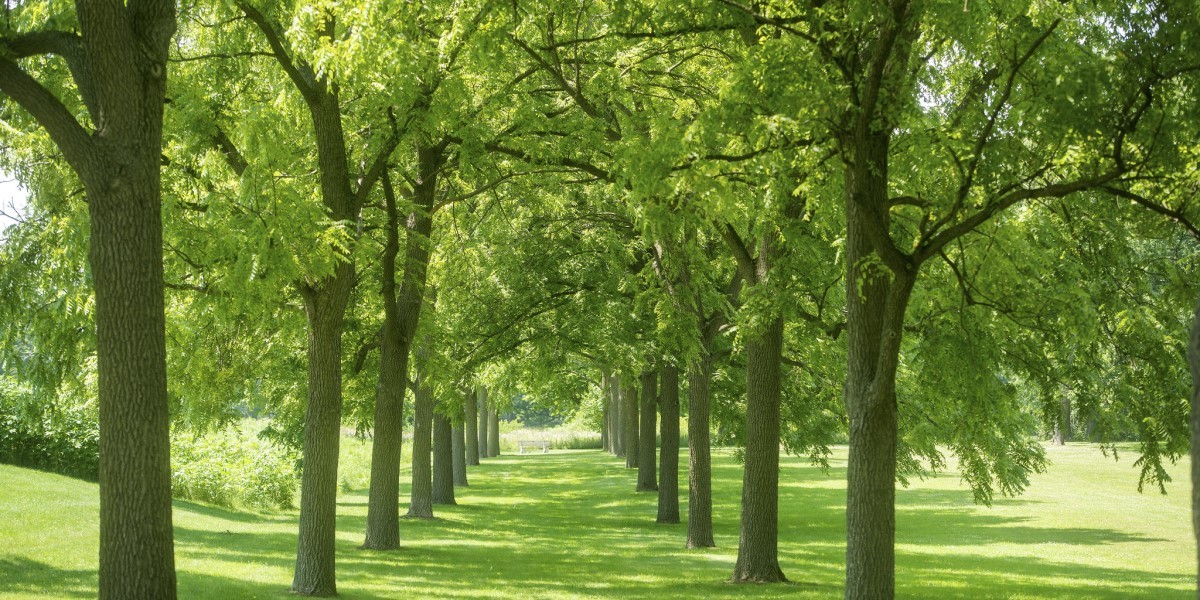
Have you planted at least 1,000 trees in the last three years? Have you acquired rights to 15 acres or more of forested land? If you answered yes to either of these questions, your entity may be eligible to enroll in the Chicago Region Carbon Program. The program's goal is to improve the health and canopy of the urban forest in the Chicago region through increased tree planting or preservation, while also generating revenue for your forestry program. Grant funding is available for a limited time to pay for carbon verification costs and application fees. If you are interested in enrolling in this program, contact Colette Copic at ccopic@mortonarb.org.
|
|
DuPage accepting water quality grant applications
The DuPage County Stormwater Management Planning Committee is accepting proposals for the Water Quality Improvement Program. This program awards grants for projects exhibiting a regional water quality benefit, including green infrastructure and ecological restoration projects. The deadline is Friday, January 3.
|
|
NEVI deadline extended: Funding for EV charging stations
The Illinois Department of Transportation has extended applications for Round 2 of the Illinois National Electric Vehicle Infrastructure (NEVI) Program until Friday, January 31. The Illinois NEVI program aims to accelerate the adoption of electric vehicles (EVs) by providing reliable access to charging on Illinois interstates.
|
|
Funding available to support local government clean energy goals
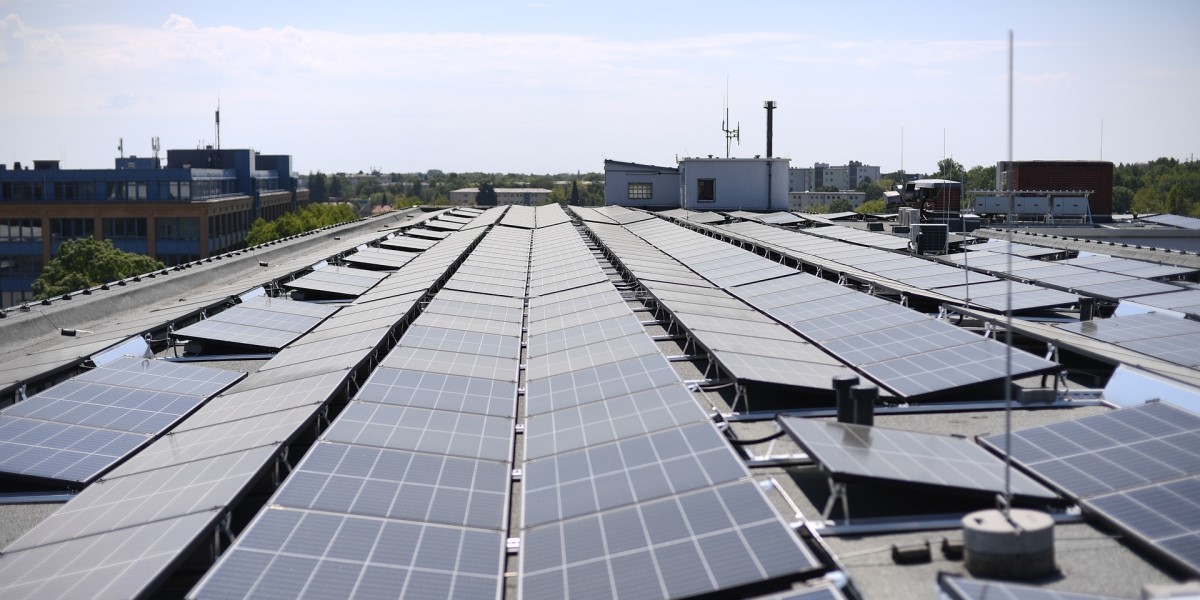
Applications are open for the Energy Efficiency and Conservation Block Grant Program. This funding is available to eligible municipalities and counties for energy efficiency building audits and/or building upgrades identified in a published energy or climate action plan. Applications close Monday, February 3, at 5:00 p.m.
|
|
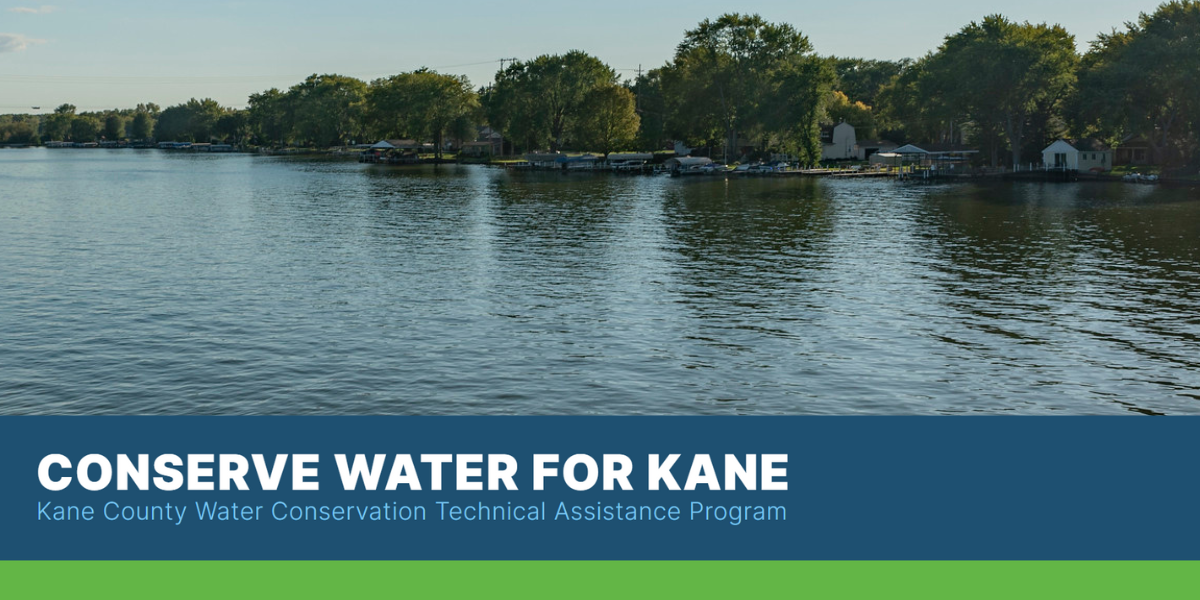
Kane County water conservation, education, and technical assistance program
The Conserve Water for Kane program offers technical assistance for water conservation initiatives and guidance on efficient water use and sustainable practices. For questions and support, email Margaret Schneemann at mschneemann@cmap.illinois.gov or call 312-386-7456. Applications are accepted on a rolling basis.
|
|
|
|