|
Spring is Here: Time to Gear Up!
Spring is arriving across Idaho, and with it comes the transition into a busy field season. While warmer days are welcome, spring also brings unpredictable weather, changing road conditions, and the need to prepare ourselves and our equipment for work in the backcountry.
This month’s safety bulletin highlights a few reminders to help everyone start the season strong -- driving safely on spring forest roads, preparing for the wildland firefighter fitness test, making sure your gear and vehicle supplies are ready for changing conditions, and an upcoming opportunity for bear spray training through Idaho Fish and Game.
Taking a little time now to prepare can help ensure a safe and successful season for everyone.
Click here to access all of your safety policies, documents, information, and resources at the IDL Safety Program SharePoint site.
 |
|
Chris Lile, Safety Officer
Idaho Department of Lands
300 N. 6th Street, Suite 103
Boise, ID 83702
(208) 334-0200
Email: clile@idl.idaho.gov
|
Safety Topics
|
|
Spring Driving Conditions
Spring can bring rapidly changing conditions on Idaho’s forest roads. Melting snow and runoff often leave roads muddy, soft, and unpredictable, especially along the shoulders. What looks like solid ground can quickly give way under the weight of a vehicle, increasing the risk of sliding off the road or getting stuck. Reduce speed, stay on the most stable part of the road, and watch for lingering snow, ice, and ruts that can affect traction.
Winter storms may also leave downed trees across travel routes. Before moving or cutting a tree, assess the situation carefully and watch for tension that could release suddenly. Use proper chainsaw safety practices, including wearing chaps and other PPE. If a tree is too large, unstable, or presents additional hazards, do not attempt to clear it alone. Good judgment and patience help ensure everyone gets home safely!
|
|
Getting your Gear On
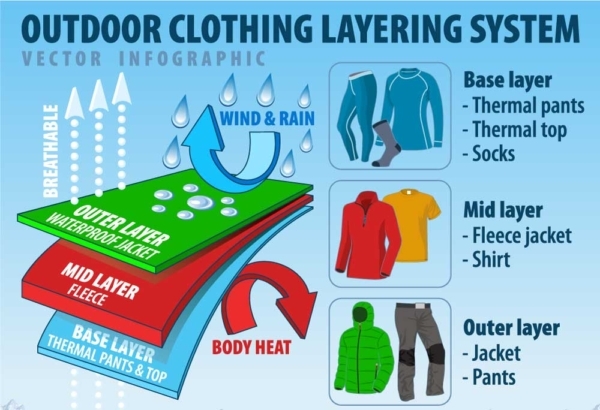
Spring weather in Idaho can change quickly. A calm, sunny morning can turn into rain, heavy wind, or even a late-season snowstorm within a few hours. Even after a mild winter, backcountry conditions can shift rapidly with elevation and weather patterns. Whether you’re traveling for work, recreating, or simply driving between locations, be prepared for sudden changes. Dress in layers and bring appropriate cold-weather gear so you can stay warm and dry if conditions deteriorate.
It’s also a good time to check that your vehicle emergency supplies are still stocked and ready. Items such as first aid kits, blankets, drinking water, food, road flares, and other gear can make a significant difference if you become stranded or delayed. Take a few minutes to confirm these supplies are still in your vehicle and in good condition. A little preparation before heading out can make all the difference if the weather takes an unexpected turn.
|
|
Pack Test Preparation
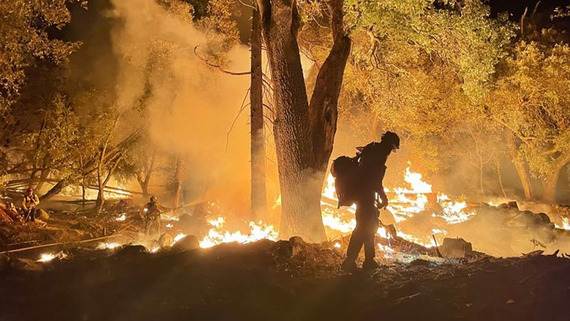
Our wildland firefighters must pass the Work Capacity Test (“Pack Test”), which requires carrying a 45-pound pack for 3 miles in 45 minutes. This test is intentionally strenuous because it reflects the real demands of wildland fire operations. However, attempting the test without proper conditioning can be dangerous.
Since the test was implemented in the late 1990s, numerous injuries and at least 18 deaths have been documented during pack tests, often related to overexertion or underlying cardiovascular issues. Heart attacks remain one of the leading causes of fatalities among wildland firefighters, highlighting how critical physical conditioning is before engaging in strenuous duty.
The pack test is meant to confirm readiness, not to build it -- so showing up unprepared increases the risk of injury, illness, or worse.
If you plan to take the test in four weeks, start preparing now. A simple plan is to train four days per week.
- Week 1: brisk walk 2–3 miles without weight and add light strength work (squats, lunges, core).
- Week 2: hike 3 miles and introduce a 20–25 lb pack once per week.
- Week 3: increase to 30–35 lbs and focus on maintaining a fast walking pace.
- Week 4: complete at least one practice hike with 40–45 lbs, aiming to finish 3 miles in under 45 minutes. Include one longer hike each week to build endurance and allow rest days for recovery.
The most important step is simply starting today—consistent training over the next few weeks will dramatically improve your chances of passing the test safely and being ready for the physical demands of the fireline.
Bear With Us...
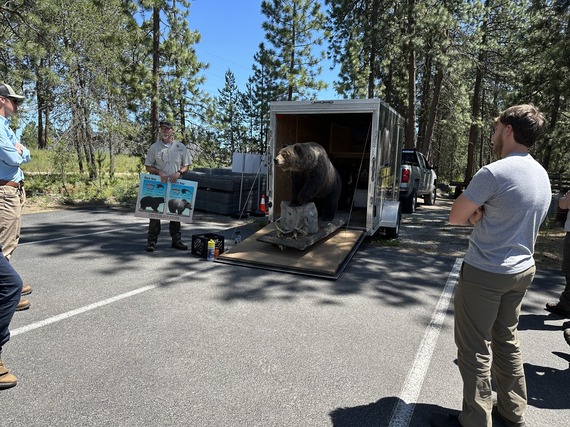
Do you carry bear spray? have you ever deployed it? If you are like most of us, the answers are yes and no.
Jennifer Barker, Program Manager for Forest Legacy Forest Assistance, has found an opportunity for us to attend a bear spray deployment training with IDFG at their office in CDA on Kathleen.
It will be held on May 7th from 10am to 11am. Please contact Jennifer if you have any questions.
If CDA is too far for your office,
reach out to your local IDFG folks and see
if they offer this training in your area!
|
|
Review the Workplace Injury Policy here. |
|
Follow us on Social Media |
|
|
|
|