|
Leaves are Falling
As the seasons shift, so do the risks we face in the field and office. Shorter days and colder weather bring new challenges—from visibility during hunting season, to preparing our vehicles and PPE for winter conditions, to staying steady on slick or uneven ground. This month’s bulletin focuses on practical steps you can take now to stay safe through the fall and into winter: wearing hunter orange, checking your winter PPE, prepping your vehicles, and avoiding slips, trips, and falls.
Click here to access all of your safety policies, documents, information, and resources at the IDL Safety Program SharePoint site.
 |
|
Chris Lile
Idaho Department of Lands
3563 E. Ririe Hwy
Idaho Falls, ID 83041
(208) 690-7227
Email: clile@idl.idaho.gov
|
Safety Topics
|
|
Hunting Season is Here
Fall has arrived, bringing cooler weather, colorful leaves, and hunting season. Idaho is a top destination for hunters, ranking 5th in the nation for registered participants. Many of us work and recreate on IDL lands, including areas frequented by hunters, so extra caution is essential during this time.
Orange Means Safety
Wearing dark colors like brown, black, or green makes you harder to see in forests and fields. Blaze orange is the safest choice—it stands out across distances and conditions, helping hunters spot you quickly. Vision experts from state, military, and medical fields agree that blaze orange provides maximum visibility for the widest range of people.
Tips for Staying Safe:
- Be seen: Wear blaze orange whenever you’re in the field.
- Make your presence known: Move deliberately and stay alert to your surroundings
- Be courteous: Respect hunters’ space and avoid disrupting hunting areas whenever possible.
Gear Up with Hi-Visibility Clothing
IDL provides high-visibility field clothing, including t-shirts, sweatshirts, caps, and stocking hats. If your role requires fieldwork and you have not received hi-vis gear,
please contact your supervisor—
new orders are being taken right now!
|
|
Winter PPE Readiness
As temperatures drop and conditions change, your personal protective equipment (PPE) becomes the first line of defense against cold, wet, and dark environments. A quick inspection now ensures you’re ready for the season ahead.
What to check:
-
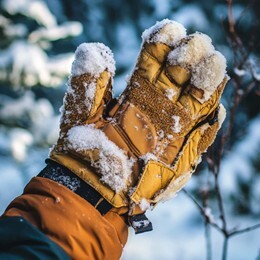
Gloves: Look for rips, worn insulation, or reduced grip. Replace if they no longer keep hands warm or dry.
-
Boots: Confirm they are waterproof, insulated, and have solid tread for traction on ice and snow.
-
Cold-Weather Layers: Inspect coats, hats, and thermal underlayers for damage or loss of insulation.
-
Clean Your Gear: Studies show that dirty or oily clothing can lose up to 30% of its insulation value, making workers more vulnerable to cold stress.
Tip:
Don’t wait until the first snowstorm—small issues today can become big safety risks when conditions get harsh.
|
|
Vehicle Preparation & Safety
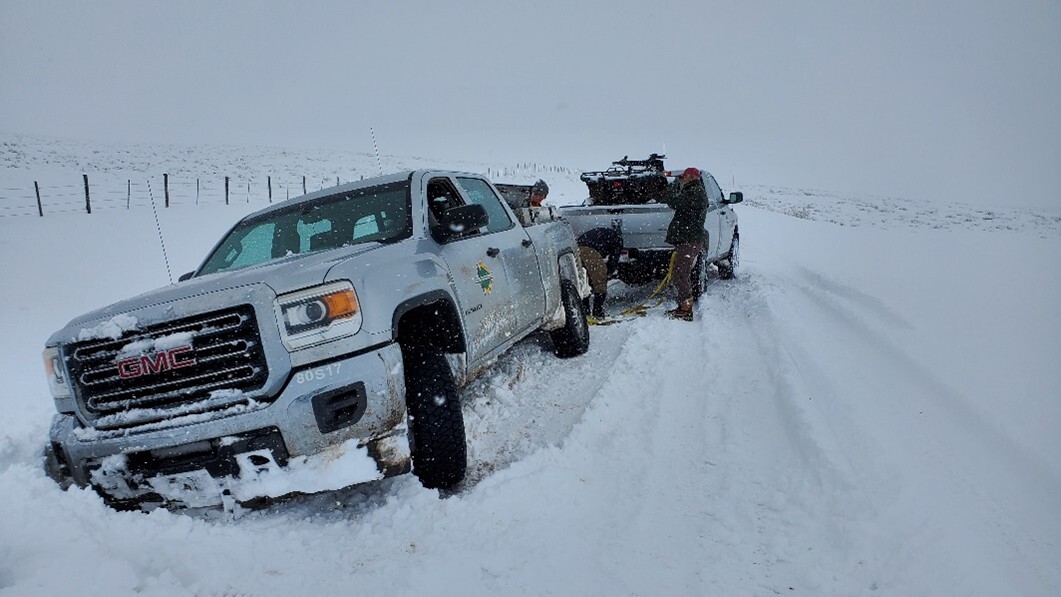
As fall turns to winter, the combination of shorter days, longer nights, and changing road conditions can create new challenges for drivers. Reduced daylight hours mean more time spent commuting in the dark, while colder temperatures and the possibility of snow and ice can affect traction and stopping distance. Taking time now to prepare your vehicle ensures you’re not caught off guard when conditions shift. Proactive maintenance not only protects you, but also helps safeguard passengers, coworkers, and other drivers on the road.
What to check:
-
Headlights & Taillights: Confirm all exterior lights are working properly and that lenses are clean to maximize visibility.
-
Windshield & Wipers: Replace worn wiper blades and keep washer fluid topped off with a winter-grade formula to maintain a clear view.
-
Tires: Check tread depth and tire pressure regularly, as cold air lowers PSI. Rotate tires on schedule to promote even wear and improve performance in slick conditions.
-
Emergency Kit: Be sure your vehicle has the essentials such as a flashlight, blanket, ice scraper, jumper cables, and first aid supplies.
Tip:
Preparing your vehicle before winter sets in means safer trips and greater confidence on the road—even when conditions are less than ideal.
|
|
 Slips, Trips, and Falls
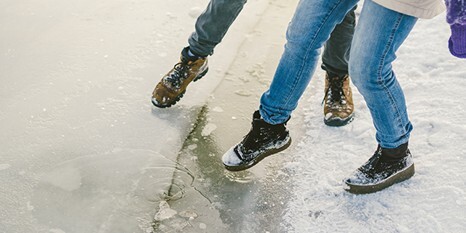
As we move from fall into winter, it’s time to shift our mindset from “summer walking” to “winter walking.” Surfaces that were safe during warmer months—dry pavement, grassy areas, and cleared walkways—can quickly become slippery with wet leaves, mud, early frost, or sudden patches of ice and snow. Even familiar paths can pose unexpected hazards in colder weather, making careful attention essential to prevent injuries.
Winter Walking:
-
Footwear: Swap lighter shoes for boots with good traction and support. Inspect soles for wear and replace footwear as needed.
-
Step Carefully: Slow down, take smaller steps, and use handrails when available. Treat any shiny or wet surface as potentially slick.
-
Clear Pathways: Remove leaves, snow, or ice when possible, and report hazards promptly.
-
Contact: email clile@idl.idaho.gov if you are interested in receiving stretch-on ice cleats this winter.
Tip:
Thinking in terms of “winter walking” instead of relying on summer habits helps you stay safe on every path, no matter the conditions.
|
|
Follow us on Social Media |
|
|
|
|