Direct Peering with Google, AWS, and Microsoft to Support Iowa’s Public Sector Cloud Demands
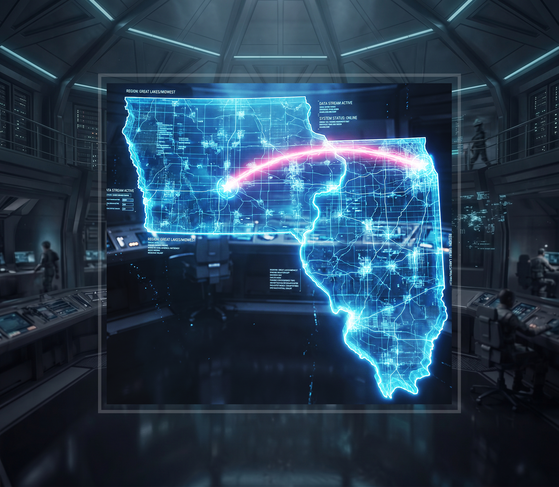
Iowa Communications Network (ICN) has reached another major infrastructure milestone by establishing a new, dedicated 100-Gigabit (100G) route to Chicago. This upgrade provides Iowa’s public sector entities with massive bandwidth and low latency for critical cloud-based services.
By connecting directly to Internet Exchange Points (IXPs) at Equinix in Chicago, ICN peers directly with content and cloud providers, such as Google, Amazon Web Services (AWS), and Microsoft. This direct connection removes unnecessary network "hops," ensuring faster, more stable access to the digital tools Iowans rely on every day.
"As state agencies continue to transition vital services to the cloud, the demand for a stable, high-capacity highway has never been more urgent," said Patrick Kazeze, ICN Director of Operations. "This 100G connection acts as a pressure release valve for our network. It moves us from a near-capacity environment to one that is resilient, scalable, and future-ready."
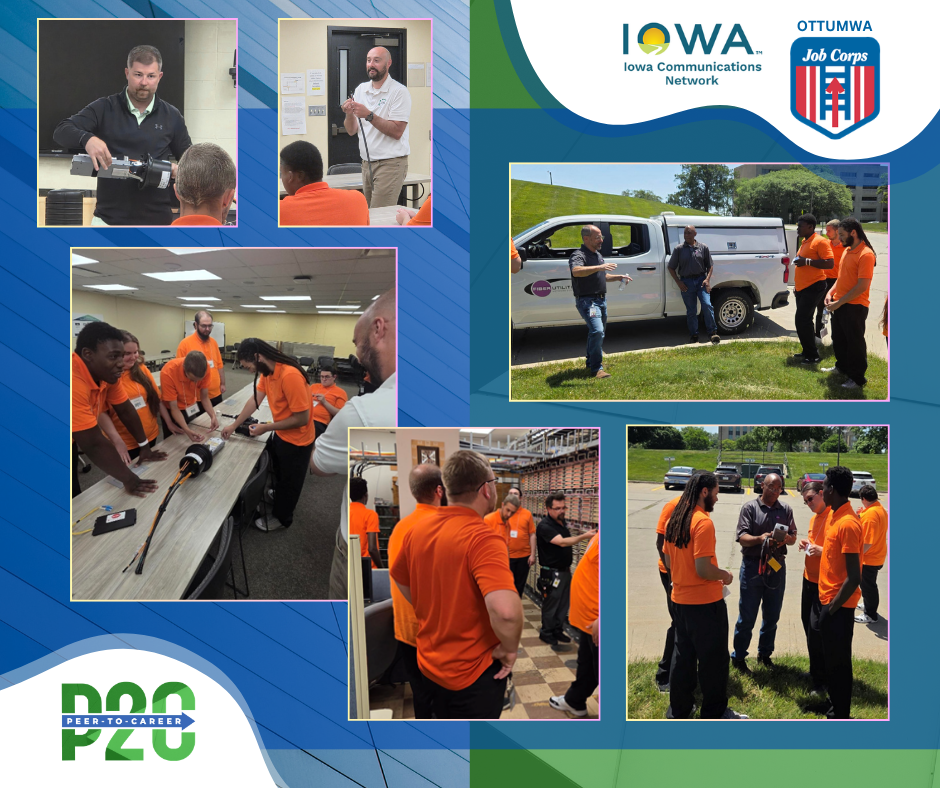
Preparing the next generation of telecom professionals requires moving beyond the classroom and diving straight into real-world, hands-on training. On June 3, ICN was thrilled to host an action-packed, interactive training day for the network cabling installation (NCI) students from the Ottumwa Job Corps.
The training day gave students an exclusive, behind-the-scenes look at what it takes to operate and maintain a statewide, high-speed fiber optic network. The students heard from our ICN experts across key areas:
Mapping the Network: Students visited ICN’s Broadband Information Center (BRIC) and learned about the many network sites with backup power, how weather can affect the infrastructure, and how the team views and monitors the ticketing system. These important components are all used to monitor critical connectivity across the entire state.
Fiber Optics and Outside Plant: ICN experts showed various examples of fiber optic cables, even including a look at a cable chewed through by a rodent. After explaining the industry color-coding system, they led a hands-on activity where students practiced splicing the cables together. This quickly became a major highlight of the day, turning into a fun competition among the students to see who could accomplish the perfect splice.
Onsite in the Field: Employees from Fiber Utilities Network Services explained how they troubleshoot network alarms, perform routine maintenance, and test backup batteries with equipment in their truck. They also showed off the specialized gear they use when they are sent out on emergency repair calls.
Behind the Scenes on the Capitol Complex: ICN’s cabling team took the students on a tour of the Capitol Complex to show how emergency backup systems keep elevators and fire panels connected. Students visited a telecom closet to see how cables and switches connect an entire building, toured the main distribution room where all statewide connections meet, and even made a test call from an elevator to ensure public safety systems were working perfectly.
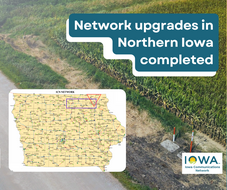
ICN successfully upgraded its critical infrastructure across seven sites in Northern Iowa, enhancing high-speed Internet for rural schools and ensuring resilient connectivity for emergency services.
The project established a redundant network triangle connecting Decorah, Cresco, and Calmar; a second phase links Calmar to New Hampton, Charles City, Osage, and Mason City. Each of these aggregation sites now features a dedicated, redundant 10Gb connection.
There is no time like the present to learn about the ICN and the critical fiber optic infrastructure that keeps our state moving.
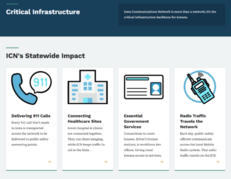
Every day, the ICN works in the background to support essential services for all Iowans:
Delivering 911 Calls: Every 911 call made in Iowa is securely transported across our network to public safety answering points.
Connecting Healthcare: ICN links Iowa’s hospitals and clinics, keeping vital traffic local so providers can seamlessly share imaging and medical data.
Powering Government Services: From courthouses to driver’s license stations and workforce offices, ICN ensures rural Iowans have reliable access to essential services.
Supporting First Responders: Daily public safety communications across the Land Mobile Radio system rely on the ICN to travel safely and instantly.
➡️ Want to see how the network powers your community? Take a moment to explore our Critical Infrastructure Page.
Social Media Highlights
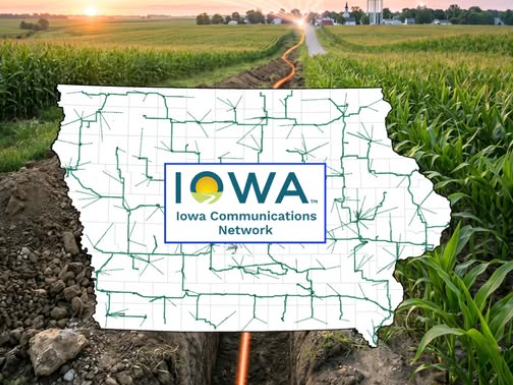
Connecting all 99 Counties
ICN’s fiber network is quietly working in the background connecting K-12 schools, powering rural telemedicine programs, and linking county courthouses to keep our state running seamlessly.
We're proud to be the digital backbone that supports Iowa’s communities every single day of the week.
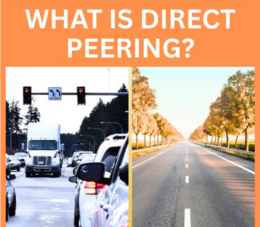
What does Direct Peering mean?
Think of the internet like a highway system. Normally, data takes the scenic route stopping at traffic lights (network hops) and passing through other towns (third-party networks) before reaching its destination. With Direct Peering, we build an express bypass lane. ICN connects directly to the cloud providers.
The lack of availability of specialty care, certain diagnostic tests, and other resources can be a challenge for rural physicians. Despite the limitations, Jason Keonin’s practice group strives to offer the best possible care options for their patients. One example: They have offered minimally invasive surgery with robots since 2015.
FirstNet users continue to cite greater wireless signal coverage as the most important enhancement they would like to see from the nationwide public-safety broadband network (NPSBN) being built and maintained by contractor AT&T, according to information provided to the FirstNet Authority board of directors.
ICN's News and Updates Bulletin is your monthly source for everything happening with Iowa's critical infrastructure. Subscribe here to get it delivered directly to your inbox and catch up on key infrastructure projects, new services and customer stories, and telecom and security updates.