|
FOR IMMEDIATE RELEASE
Aug. 6, 2019
A new, nonresident user fee will take effect August 15 at Lake Manawa and Waubonsie state parks.
The daily nonresident vehicle permit is $5. Nonresidents can go to one of the five self-registration kiosks at Lake Manawa or three self-registration kiosks at Waubonsie to register and pay for the daily permit. The daily permit is valid for the entire day in which it is purchased. The daily permit is not required for nonresidents who are registered campers, cabin renters, or who have rented a day-use lodge or shelter. The daily fee is also not required for nonresidents who go to the beach and pay the beach admission at Lake Manawa.
Nonresidents may also purchase an annual vehicle permit for $40. The annual permits are available for purchase only through the park office during posted hours. DNR is working to have the annual permit available for purchase through the online park reservation system in mid-September.
For more information about the nonresident user fee, please visit www.iowadnr.gov/parks or call Lake Manawa State Park at 712.366.0220 or Waubonsie State Park at 712.382.2786.
Media Contact: Sherry Arntzen, State Parks Bureau, Iowa Department of Natural Resources, 515-725-8486
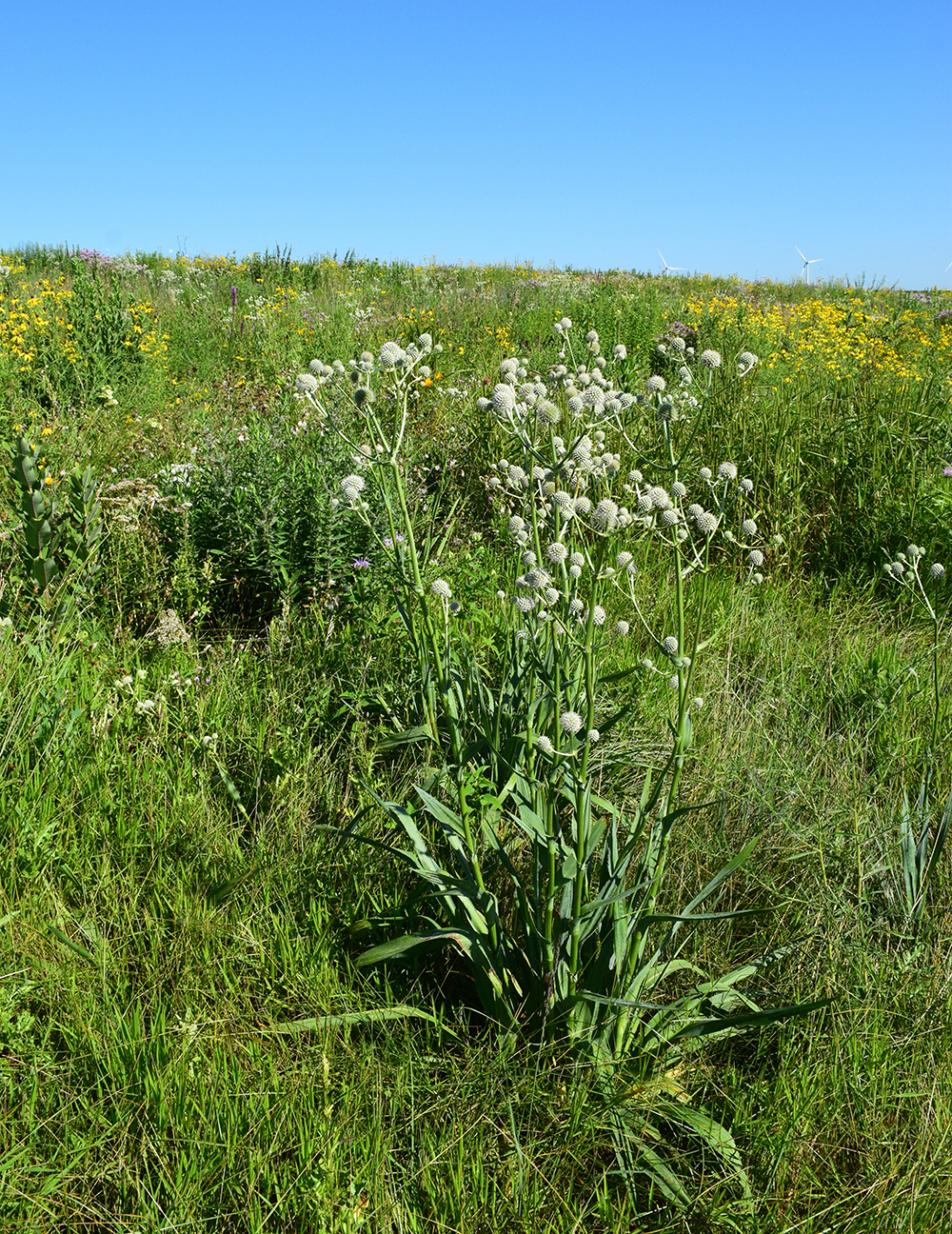 Much of the Schrader Wildlife Area has been returned to native grasses and wildlife flowers, much like what was originally when the land was settled. The popular wildlife area features prairies in different stages of maturity, food plots for wildlife and a six acre pond. Photo courtesy of the Iowa DNR.
Vail, Iowa - The Schrader Wildlife Area in Crawford County has been transformed from highly productive west central Iowa farmland into a highly productive prairie that has attracted a unique mix of wildlife, including being one of very few locations in Iowa that has bobwhite quail, pheasants and Hungarian partridge at one site.
The 180-acre public area northeast of Vail was donated to the Iowa Department of Natural Resources by Ray and Laura Schrader in 1991.
“We want to help develop the public ground in Crawford County because we don’t have that many acres,” said KR Buck, of Denison, volunteer with Crawford County Pheasants Forever and supporter of the Schrader area.
“When we invest in public land, it’s for a lifetime – it’s not going to disappear. Anyone can bring kids out here, enjoy nature, bird watch, harvest wild plums and shoot pheasants,” he said. “And you know who the landowner is – it’s open to everyone.”
The Schrader Wildlife Area attracts local hunters, as well as hunters from Council Bluffs and out of state who come here specifically for pheasants. But given its size and relative distance to other public hunting areas, it is often overlooked.
“It’s an upland hunter’s paradise that started as a blank slate, allowing us the flexibility to develop the area in a way we feel it can reach its full potential,” said Dusten Paulus, wildlife technician with the Iowa Department of Natural Resources. “I think if hunters just stop, they’d be back. I wish we had about 10 more areas around here like this.”
Set up for success
The Schrader Wildlife Area has prairies in different stages of maturity and development across its landscape which allows different plants to express themselves creating high quality prairie diversity. Food plots placed near pheasant nesting and brood rearing areas with adjacent winter cover give the popular game bird a place to escape when heavy snows come.
The Schrader area is thick with butterflies and dragonflies bouncing from plant to plant. A rooster pheasant let loose a steady stream of cackles northwest of the new boat ramp, intent on making his presence known.
A northern harrier lands in a tree at the southwest end of the area. That’s a good sign, said Paulus. “That bird of prey goes where the grasslands are. If it's here, we must be doing something right,” he said.
Crawford County Pheasants Forever member and Schrader neighbor and farmer Clint Von Glan and his three sons have been working on the area installing sunflower fields, sorghum plots, and mowing and bailing hay.
“It’s been a good partnership with Pheasants Forever and the DNR. It’s a place for people to go. I know a lot of people fish the lake. My agronomist ice fishes it and does well but I’ve heard others have not,” Von Glan said. “It’s a good way to see the outdoors; have more wildlife around.”
There’s a special satisfaction that comes with seeing a project through and having its results exceed expectations.
“It's a coordinated effort to do the right thing for the resource and it's beginning to pay dividends,” Paulus said.
Partnerships make the project
The access lane, boat ramp and parking lot at the six acre pond, donated by the Crawford County Pheasants Forever, have been a welcomed addition by anglers and kayakers. The local Pheasants Forever chapter has also donated gravel to expand the main parking lot, helped to plant food plots, and, in partnership with the Crawford County Conservation Board, to plant trees for the winter shelter belt.
As with many successful projects, there are a number of partners who play an important role in making things happen. At Schrader, those partners include the Iowa Department of Natural Resources, Crawford County chapter of Pheasants Forever, Crawford County Conservation Board, the Natural Resources Conservation Service, and the Soil and Water Conservation District.
Media Contact: Dusten Paulus, Wildlife Technician, Iowa Department of Natural Resources, 712-273-5569.
A healthy pond needs aquatic plants, but too many can upset a fishing pond’s balance and become a nuisance. Many pond owners struggle with how to control the amount of aquatic plants, without completely removing all of them, so they can enjoy their pond.
Pond owners can use herbicides to kill underwater plants, but in August their growing season is almost over.
Pond rakes or cutters, although more labor intensive, are perfect this time of year to control aquatic plants in small areas to create fishing lanes, swimming areas and dock access.
Pond rakes tear plants from the bottom and let you remove them from near shore or around docks. Attach a float to the rake to let it skim and remove plants and moss or algae from the surface.
A cutter will sink to the bottom and cut the plant stems as it is dragged back, allowing the plants to float to the top. The pond plants are often carried away by the wind or you can pick them up with a floating rake.
Use a rope attached to a long-handled rake or cutter that you can throw and pull back. You can use these handy tools for many years, and they cost less than a gallon of some aquatic herbicides. Local hardware or pool stores may carry these, or try an online search for “pond rake or cutter.”
A few tips to remember:
- Many plants spread by fragmentation, so if growth is not throughout the pond, do not use these methods.
- Once out of the water, let the plants dry out before moving them too far. This will greatly lighten your load.
- Obey State Law. Don’t haul the plants off your property; you cannot transport aquatic vegetation in Iowa. Once out of the water, leave the plants onshore to dry and compost or move dried plants to your garden where they make excellent mulch.
- Lakeshore property owners on a public lake can physically remove a 15 foot wide path of vegetation for navigation to the main lake without a permit; you cannot use herbicides to remove the aquatic plants in a publicly-owned lake. Contact the DNR fisheries office in your area if you have questions.
Learn more about aquatic plants in ponds at www.iowadnr.gov/pondplants.
Media Contact: Darcy Cashatt, fisheries technician, Iowa Department of Natural Resources, 641-647-2406.
|





