|
1992. That’s the last time hunting and fishing license fees for Georgia residents were increased. It's also when gas cost $1.05 a gallon, Johnny Carson retired and Sid Bream slid home safe.
A lot has changed since 1992. Now Georgia hunting and fishing licenses are, too.
This special issue of WRD's employee e-news explores what you need to know about those changes. But if you have other questions, they are welcomed. Please send them to Marketing and Communications Manager Jenifer Wisniewski.
 Rabbit hunting Hunt and Learn at Charlie Elliott Wildlife Center (DNR)
What: This year’s State Legislature passed and Gov. Nathan Deal signed into law House Bill 208, which simplifies Georgia’s hunting and fishing license structure and adjusts fees for resident licenses.
When: The changes take effect July 1. (Note: WRD's new website, debuting June 26, will list new licenses and fees. But the current structure is in place until July 1.)
Why: Once among the lowest in the U.S., our fees are now on average for the Southeast, recouping lost buying power. The structure also is simpler for customers and better for Georgia, increasing the state’s share of federal funds for fish and wildlife.
Where: DNR will use the additional revenue statewide to hire 40 rangers, improve habitat on WMAs and in public waters, increase staff presence with a focus on enhancing public lands, add and upgrade shooting ranges, expand and improve boat ramps, increase youth education and outreach, and add WMA access.
Who: More than 85% of the 5,000-plus Georgia residents who provided feedback on the legislation supported the proposed changes. Leading sporting groups such as the Georgia Wildlife Federation, Coastal Conservation Association, National Wild Turkey Federation and Ducks Unlimited were also supportive.
Back to top.
This chart also is available online.
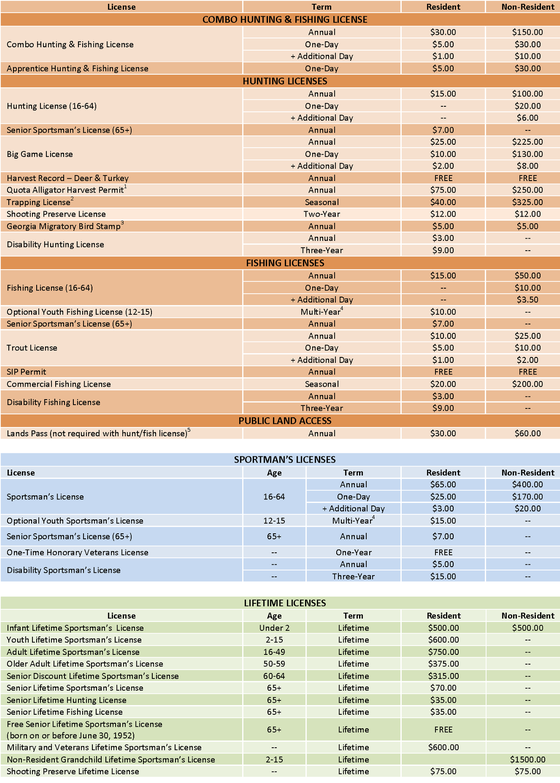 1 A free Quota Alligator Harvest Permit is available for all Lifetime License holders selected for an Alligator Quota hunt.
2 Non-resident trapping license requires a forfeiture bond. Please refer to application for specific details at gohuntgeorgia.com.
3 A free Georgia Migratory Bird Stamp is available for all resident landowners who hunt their own property and any hunter with a valid Sportsman's License, Optional Youth Sportsman's License, Honorary License or Lifetime License.
4 Privileges for the multi-year Youth License last until the person’s 17th birthday.
5 See Combo Hunting and Fishing License for short-term option.
+ Additional Day - days can be added for up to 11 consecutive days.
Back to top.
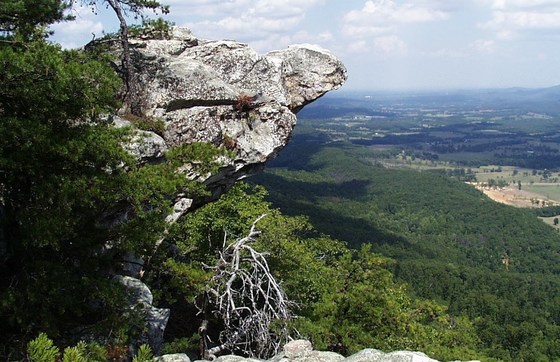 Brow at Zahnd WMA (Jon Ambrose/DNR)
PUBLIC LANDS ACCESS
The WMA license and Georgia Outdoor Recreational Pass (GORP) have gone the way of dinosaurs. Hunting and fishing licenses will now include access to WMAs and Public Fishing Areas. A new Georgia Lands Pass ($30 a year for residents 16 and older; $60 for nonresidents) will also provide access.
However, a hunting or fishing license is a better deal for customers and conservation than a Land Pass. Here's how:
Each of those licenses will cost Georgians 16 and up only $15 a year. But each also makes the state eligible for more federal taxes paid by industries on guns, bows, ammo, fishing tackle, some boat engines and small engine fuel. A certified hunting license has returned to Georgia up to $50 and a fishing license $10 in Wildlife and Sport Fish Restoration funds. That's above revenue from the sale.
Do the numbers. A resident Lands Pass returns $30 for the resource. Yet for half the cost -- $15 – a resident license holder can enjoy a year of public lands access plus hunting or fishing privileges, while also returning to the resource as much as $65 (hunting license) to $25 (fishing), including the sale and federal funds.
Note: Access to some WRD sites, such as those on national forests, will not require a license or Land Pass. Sites that do will be listed at www.georgiawildlife.com.
YOUTH SPORTSMAN'S LICENSE
For Georgians, a hunting or fishing license is not required until age 16. But the new Optional Youth Sportsman's License, available for residents ages 12-15, is a real value and has a positive impact on fish and wildlife management in our state.
For a one-time $15 fee, the license offers these privileges until the hunter turns 17:
- Small- and big-game hunting (a $40 value combined) from date of purchase until age 17.
- Fishing (a $15 value).
- Trout (a $10 value).
- Waterfowl and Migratory Bird Stamp ($5 value).
-
A free durable hard-card ($5 value).
The bonus is that the youth receives a full year of Sportsman’s License privileges at age 16, a $70 value. (Hunters younger than 16 will still need adult supervision on public land.)
It gets even better, however, because a Youth Sportsman's License can return more than $300 for Georgia’s fish and wildlife.
As noted in the article above, each certified license holder means more federal Wildlife and Sport Fish Restoration funds. In Georgia, those funds have provided about $17 million a year to help restore habitat and improve wildlife populations, among other conservation efforts. For fiscal year 2017, the state will be eligible for nearly $30 million.
A Youth Sportsman's License counts toward hunting and fishing certification. On average, that means a return of about $60 in excise taxes dedicated to wildlife in Georgia. Translation: A 12-year-old who buys the license will represent $300 in federal funds, not counting the license fee, until he buys his next license at age 17.
The Optional Youth Sportsman's License blends privilege and promise for the holder and the resource. It also makes a great gift! And all for only $15, or less than the cost of two tickets to that must-see summer movie.
Back to top.
 Dove hunting at River Creek WMA (DNR)
SENIOR LICENSES
Georgia residents who turn 65 on or after July 1, 2017, will be required to buy a license to hunt or fish, but at a deep discount
Why the change? By making any fishing or hunting privilege free, Georgia not only misses out on license revenue, it loses much more in federal Wildlife and Sport Fish Restoration funds. Seniors can support the fish and wildlife they love with one of the new, discounted licenses, and each will return significant federal funds.
Free licenses bring no federal funds home, meaning the taxes you pay on guns, ammo, bows and fishing tackle can go to a state where you don’t hunt and fish.
Senior license options include:
- $4 annual hunting or fishing license (does not include Trout, Waterfowl and Migratory Bird Stamp, or Big Game.)
- $7 annual Senior Sportsman’s license, which includes a Waterfowl and Migratory Bird Stamp ($5 value).
- $35 Senior Lifetime Hunting or Fishing license.
- $70 Senior Lifetime Sportsman’s License.
Each purchase is magnified as it qualifies Georgia for more federal funding. For example, a $7 license will equal about $67 in total funds for the state. A $70 Senior Lifetime License means about $60 a year for Georgia for the average life expectancy (currently set at 79).
Residents born on or before June 30, 1952, will still be eligible for a free Senior Lifetime Sportsman's License. However, they can choose to buy a paid senior license and provide even greater support for wildlife and public lands for their children and grandchildren to enjoy!
Back to top.
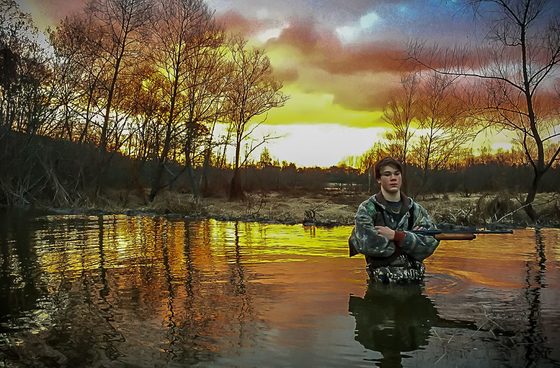 Duck hunting (Stephen Adams)
WATERFOWL AND MIGRATORY BIRD STAMP
To further simplify the license structure and help in data collection and management, a state Waterfowl and Migratory Bird Stamp is replacing the current Waterfowl Conservation License ($5.50) and free H.I.P. permit.
The new Waterfowl and Migratory Bird Stamp will cost $5. However, it will be available at no cost for residents who are hunting migratory birds on their own property or who have a valid Sportsman's, Lifetime, Disability or Honorary license (including the Optional Youth Sportsman's License).
When customers are obtaining a Waterfowl and Migratory Bird Stamp, the correct price will show in their shopping cart after they complete the required survey about how they hunt.
ONE-DAY COMBO
For people who prefer short-term hunting or fishing privileges, the new system retires the current three-day hunt-and-fish license ($3.50) in favor of a one-day combo for $5 for Georgia residents.
The new license option also allows resident holders to extend the privileges for a total of 11 consecutive days, for only $1 a day.
For non-residents, the combo license will cost $30, plus $10 for each additional day.
Back to top.
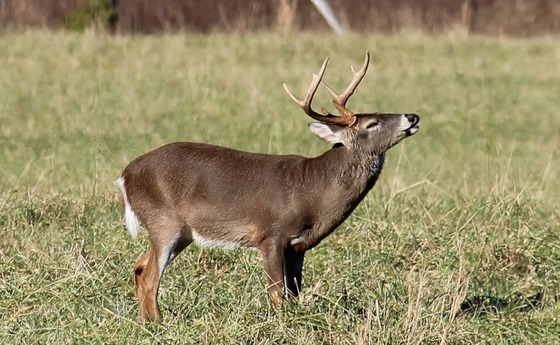 White-tailed buck (Steve Kyles/DNR)
Q. What does a Sportsman’s License include?
All hunting and fishing privileges -- hunting, fishing, big game and trout. (Duck hunters must buy a federal duck stamp. Saltwater anglers must obtain a free SIP permit for saltwater fishing, migratory bird hunters, a free Waterfowl and Migratory Bird Stamp, and deer and turkey hunters, a free harvest record. Hunters drawn for the alligator quota hunt must obtain a Quota Alligator Harvest Permit: $75 for residents, $250 for nonresidents.)
Q. What does a Lifetime Sportsman's License include?
All hunting and fishing privileges except the federal duck stamp, free SIP permit for saltwater fishing, free Waterfowl and Migratory Bird Stamp, free harvest record for hunting deer or turkey, and, if drawn for an alligator quota hunt, a free Quota Alligator Permit to harvest an alligator. All free privileges must be renewed annually.
Q. Do I still need a WMA, dog-deer or alligator license?
No. Those are now built into the cost of a license. (To harvest an alligator, someone in the hunting party must have a Quota Alligator Permit, having been drawn for a gator quota hunt.)
Q. Will a license be required for people with a disability?
Yes. The options are resident Disability Hunting License ($3 annual, $9 for three-year license), resident Disability Fishing License ($3 annual, $9 for three-year) or resident Disability Sportsman’s License ($5 annual, $15 for three-year). The three-year license is recommended because of the process required to obtain a disability license.
Q. What other licenses were cut in simplifying the structure?
Waterfowl and one-day Saltwater Fishing Shore licenses also are a thing of the past.
Q. How significant are these changes, as they concern federal funds for wildlife?
As noted, the new license structure means more hunters and anglers will be considered “certified” under regulations that determine how much federal money a state receives. Hunters and anglers who previously were not charged the minimum amount to draw-down federal funds, and who were not counted as certified, will now be counted by the federal government.
The primary source of revenue is not license fees; it is the increased federal money Georgia will be eligible for. This strengthens the cycle of returning to our state the federal excise taxes charged on purchases made in Georgia and collected by the Wildlife and Sport Fish Restoration Program.
Q. One more time: What will the additional revenue be used for?
With it, DNR will:
- Hire 40 new game wardens. Currently, 47 counties do not have one assigned.
- Improve wildlife habitat on WMAs and fish habitat in public waters.
- Increase staff presence with a focus on enhancing public lands.
- Add and upgrade shooting ranges.
- Expand and improve boat ramps, in fresh and saltwater.
- Increase youth education and outreach.
- Add access on WMAs.
Q. What was the focus for revenue raised through the 1992 license increase?
Land acquisition. The amount of conservation lands available for hunting, fishing and other outdoor recreation in Georgia has been expanded by more than 181,000 acres since 1992.
Q. What if someone has an ideological question about the intent of House Bill 208?
Please don’t feel responsible for answering those questions. Forward them to your supervisor or Marketing and Communications Manager Jenifer Wisniewski.
|