Withlacoochee River System Update - 4/1/2026
Southwest Florida Water Management District sent this bulletin at 04/01/2026 04:53 PM EDT
 |
River Levels Drop; Water Control Structures Closed
Rainfall:
- Most of us don’t think too much about rainfall, unless we’ve had too much of it, or too little.
- The latter is the trend these days.
- For the 9th month in a row, our region has received below average rainfall.
- And our water resources are certainly showing it. All our region’s lakes, rivers, wetlands, and the aquifer are well below normal for this time of year.
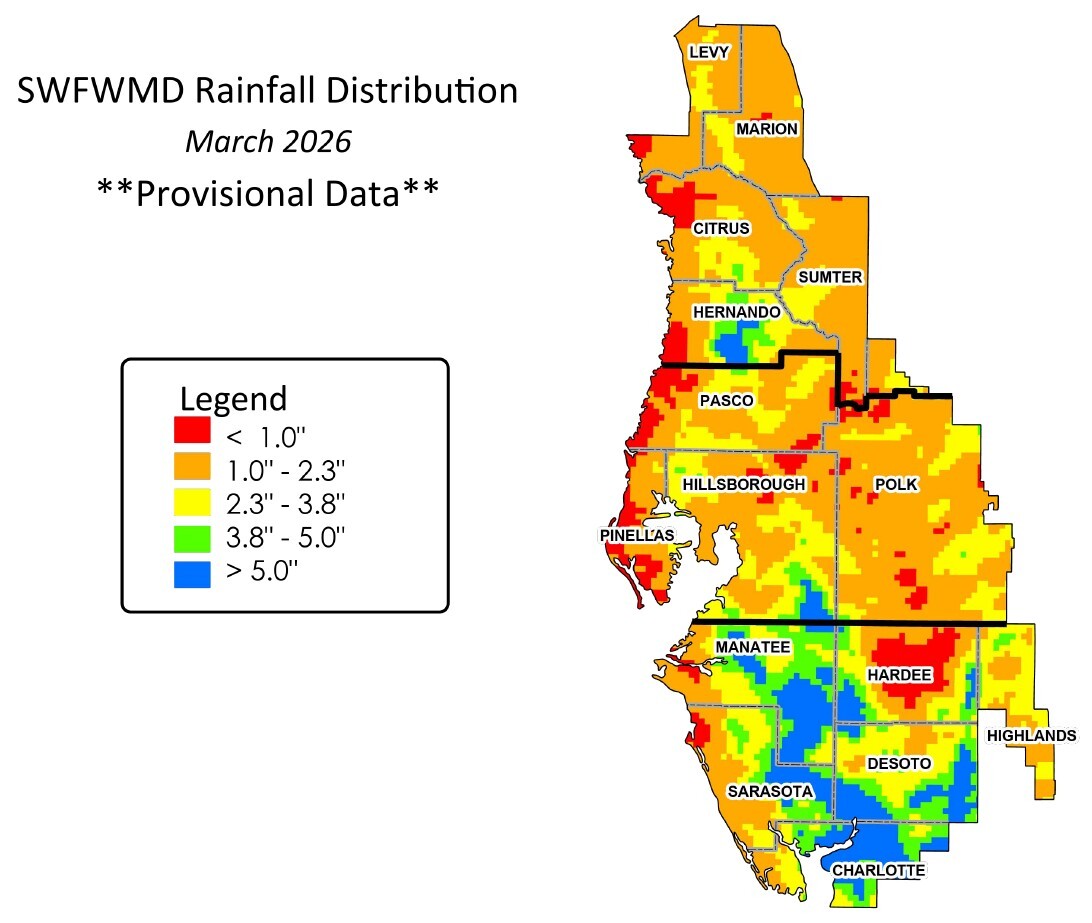
- Our region received about 1.9 inches of rainfall last month, half of the historical average for March (3.8 inches).
- So far this year (January – March), our region has received 5.4 inches of rain, well below average for the first three months (9.4 inches).
- And over the past 12 months, we remain in a double-digit deficit for rainfall (-15 inches).
- Aquifer (groundwater) levels remain well below normal, currently in the 11th percentile for this time of year, and much lower than last year (60th percentile). Remember, the 50th percentile is average.
- April and May are typically when we see water levels in our lakes and rivers plummet, so this drought we’re experiencing is going to get worse before it gets better.
- The figure below shows how much rainfall different areas received last month.
Withlacoochee River (from the Green Swamp downstream past Hwy 200):
- The Withlacoochee River has experienced 4 major droughts in the past 30 years (2000-2001, 2007, 2012 and 2017).
- Right now, we’re on track to add 2026 to that list.
- Despite a couple decent days of rainfall in March, water levels and flows along the river continue to decline.
- In the Green Swamp, where the river begins, there is essentially no water movement; and all the cypress swamps and wet prairies that seasonally flow to the river are dried up.
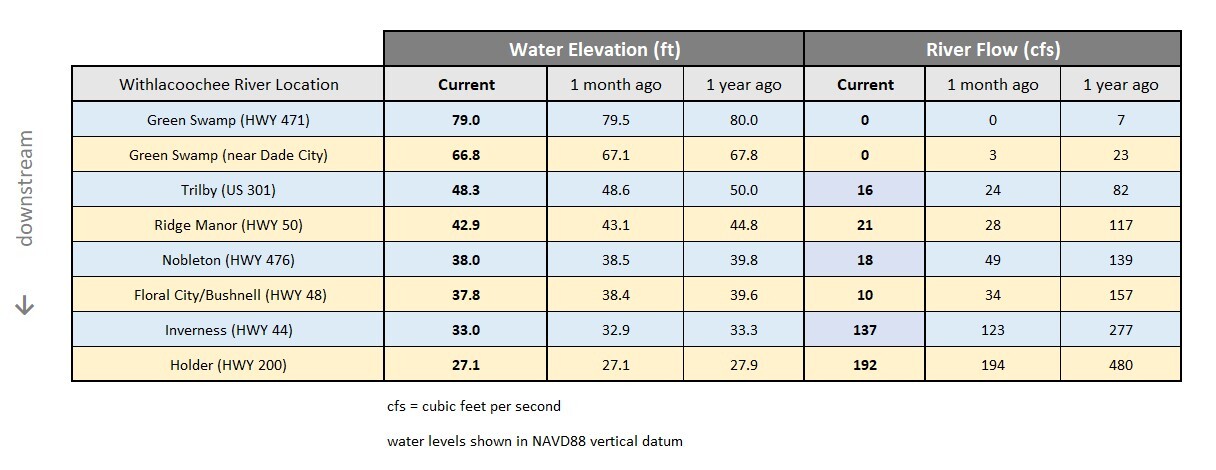
- From Dade City past Hwy 48, the river dropped another 3 to 6 inches in March and flows are a fraction of what they were a year ago.
- Between Hwy 48 and Hwy 44, spring-flow from Lake Panasoffkee joins the Withlacoochee River.
- Extremely low upstream flows have necessitated the lowering of the Wysong structure, releasing stored water downstream, and temporarily increasing flows at Hwy 44 and Hwy 200.
- We typically see our most drastic declines in April and May, which doesn’t bode well for the river which is already at very low levels.
- River levels and flow will likely continue dropping until substantial rainfall is able to accumulate, which may not occur until mid-Summer.
- The table below compares current river levels and flows to what they were last month and last year.
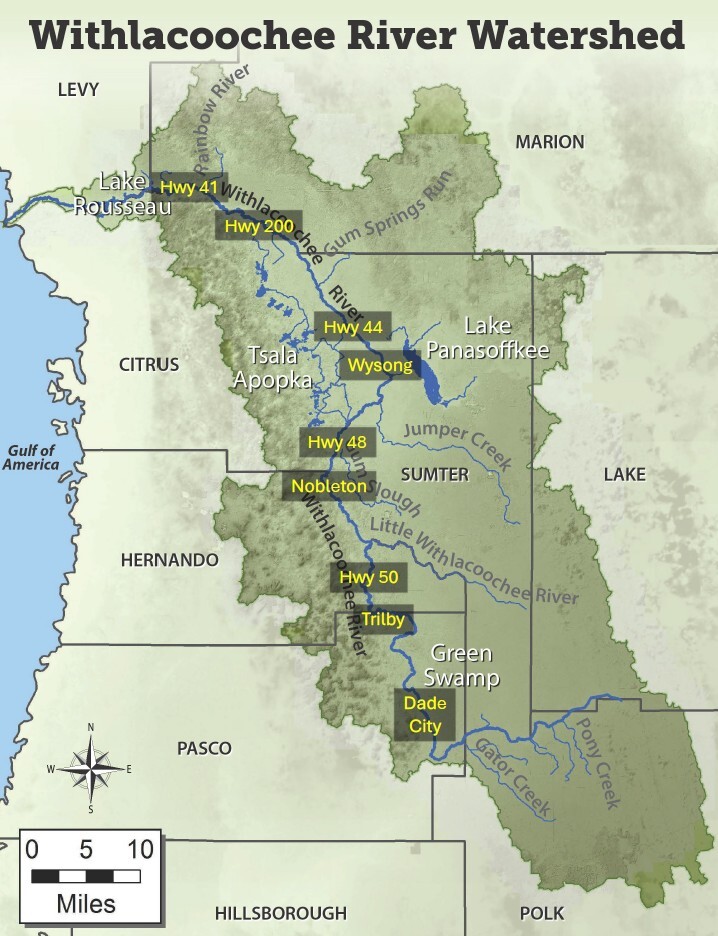
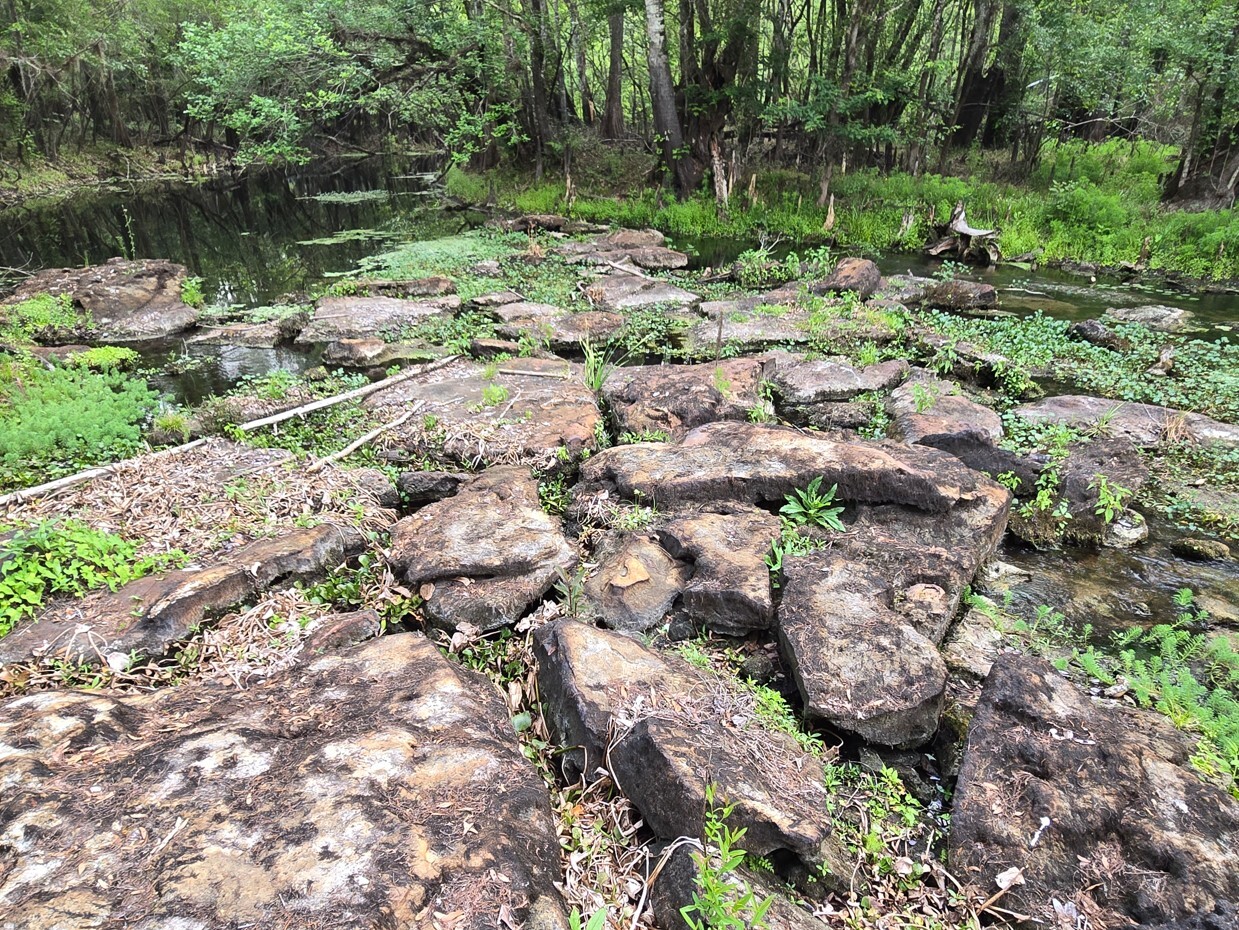
Exposed rock outcropping along the main channel of the Withlacoochee River in the Green Swamp (March 2026)
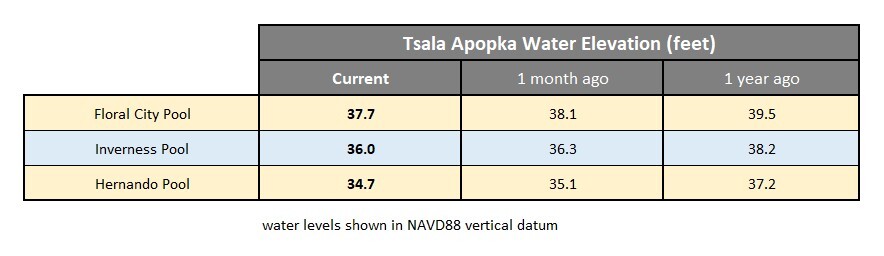
Tsala Apopka Chain of Lakes:
- It’s been a long time since we’ve seen lake levels as low as they are now.
- Normally the Tsala Apopka Chain consists of relatively deep lakes, navigable canals, and shallow marshes.
- These days we’re seeing dry marshes, shallow canals, and most of the water contained in the lakes themselves.
- Last month, water levels dropped another 4 inches and are currently 3 feet below desirable levels.
- All three pools of the lake chain are now 2 feet lower than they were this time last year.
- Last July water control structures were opened, bringing in minimally available river water for the past 8 months.
- Yesterday those structures were finally closed as river levels have now dropped below the lakes.
- Over the next couple months, as the surface area of the lakes continues to decrease, water levels will drop even quicker.
- We likely won’t see water levels rise substantially until later this summer, assuming normal rainfall patterns return this wet season.
- The low lake levels are a natural reaction to the rainfall deficit we’ve experienced over the past year, and no water has been released from the lake chain.
- Maintenance work is scheduled to occur on the Brogden Bridge airboat slide from mid-April until May. During this time, the slide will be closed to airboat traffic.
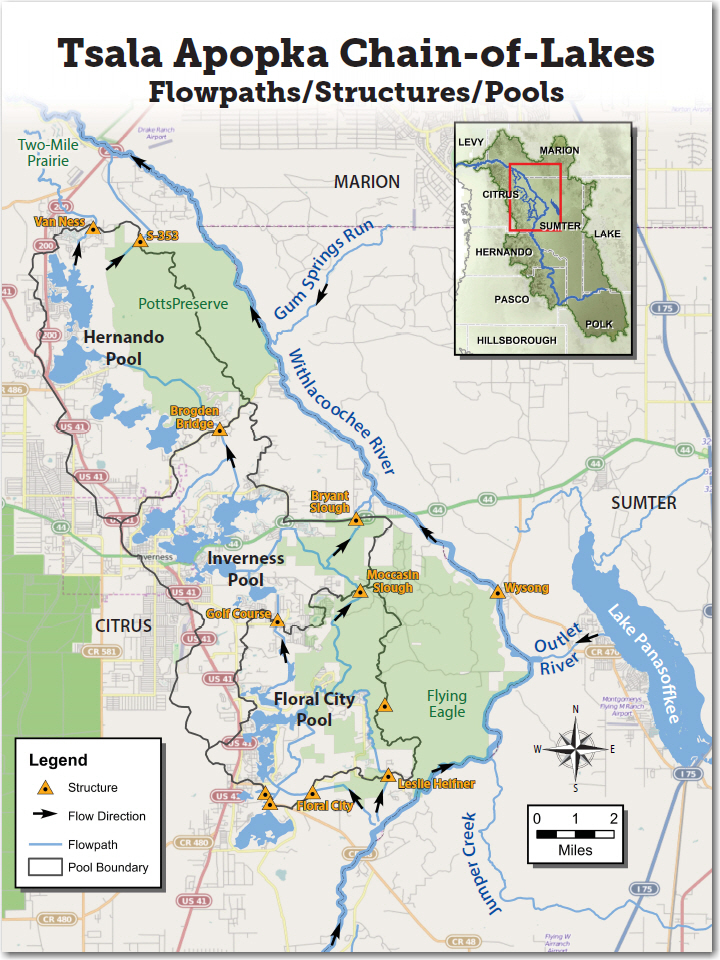
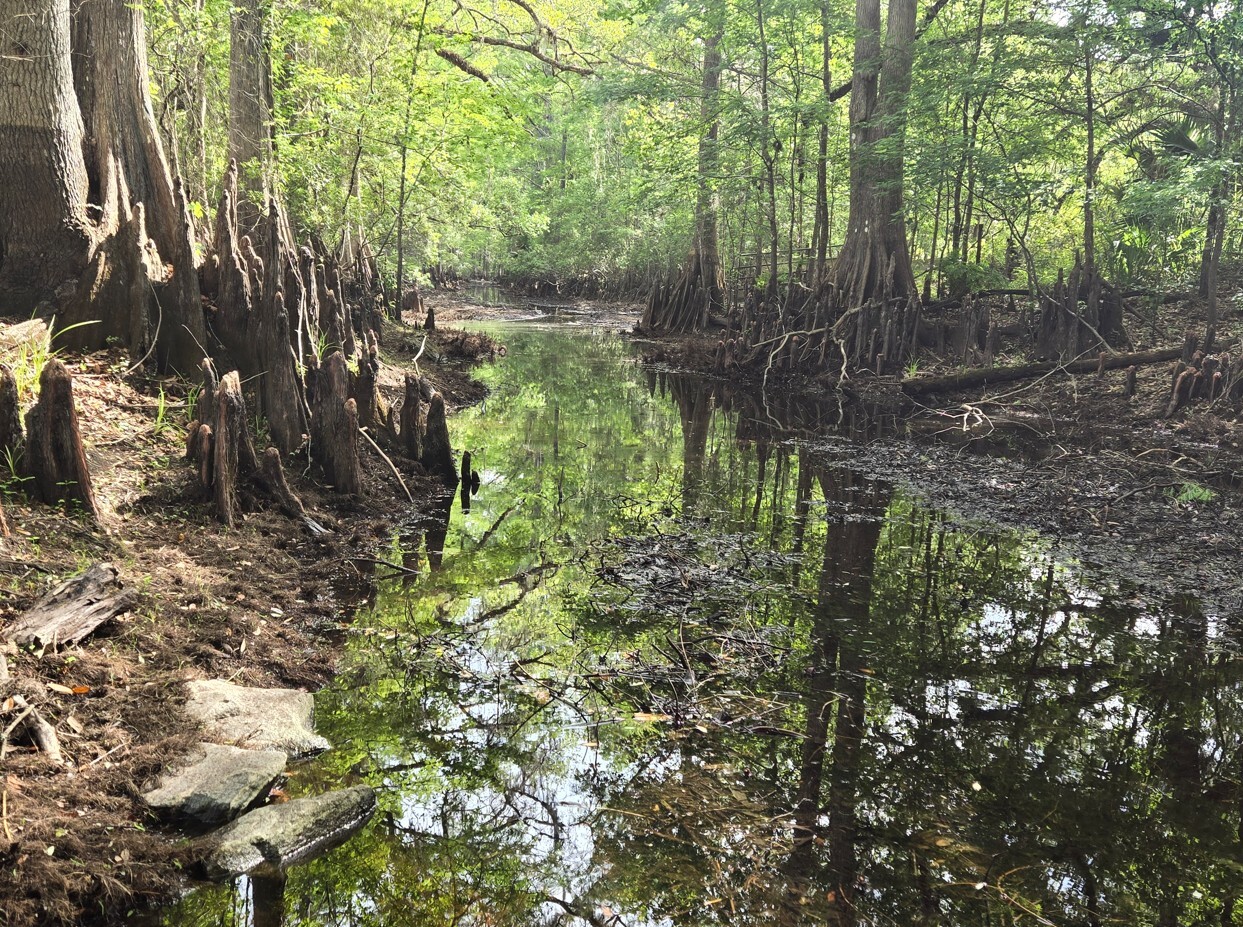
The Orange State Canal in Floral City has nearly dried up (March 2026)
Lake Panasoffkee and Wysong:
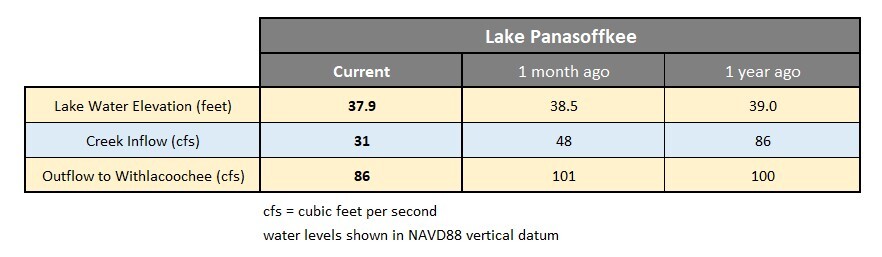
- Water continuously flows into Lake Panasoffkee from spring-fed creeks and out of the lake through the Outlet River to the Withlacoochee.
- Water levels on Lake Panasoffkee fell 7 inches in March.
- A few miles downstream of Lake Panasoffkee, the Wysong structure spans the entire Withlacoochee.
- Under normal conditions we’re able to keep Wysong raised during the dry season, but this year is different.
- Minimal rainfall over the past year has caused river flows upstream to decline to a point rarely seen.
- As a result, we’ve had to lower the independent gate at Wysong over the past few weeks to allow flows to pass downstream.
- In the coming weeks, as river levels upstream of Wysong continue to naturally decline, the main gate at Wysong will also be lowered.
- We can expect water levels upstream of Wysong and in Lake Panasoffkee to continue to drop as our dry season enters its most severe months (April-May).
- Maintenance work is scheduled to begin this week to improve the boat navigation lock at Wysong.
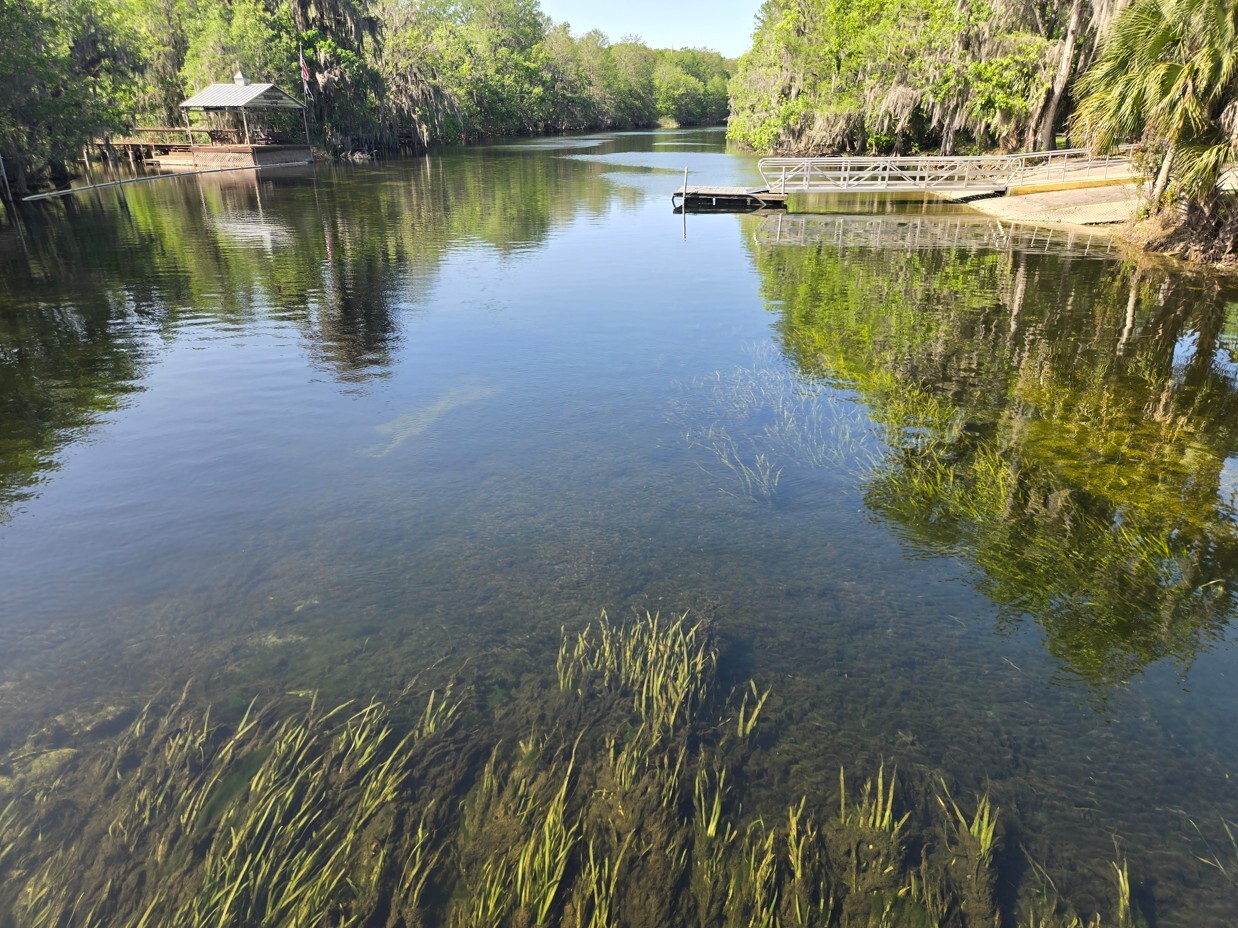
Clear water exits Lake Panasoffkee through the Outlet River towards the Withlacoochee (March 2026)
Lake Rousseau and the Lower Withlacoochee River (from Dunnellon to the Gulf of Mexico):
- Lake Rousseau is an in-stream lake formed over a century ago with flood control structures near Inglis.
- Near Dunnellon, spring flow from the Rainbow River joins with the Withlacoochee River before entering Lake Rousseau.
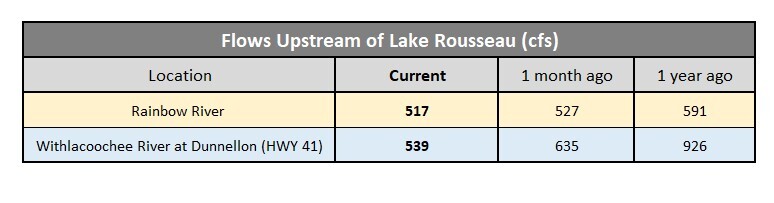
- The Rainbow River is contributing the vast majority of flow to Lake Rousseau right now, because river flows upstream of Dunnellon are minimal.
- Rainbow River flow (which reflects changes in aquifer levels) fell 2% over the past month.
- Overall, flows into Lake Rousseau are about half of what they were a year ago.
- Water levels on Lake Rousseau have stayed relatively constant the entire month of March.
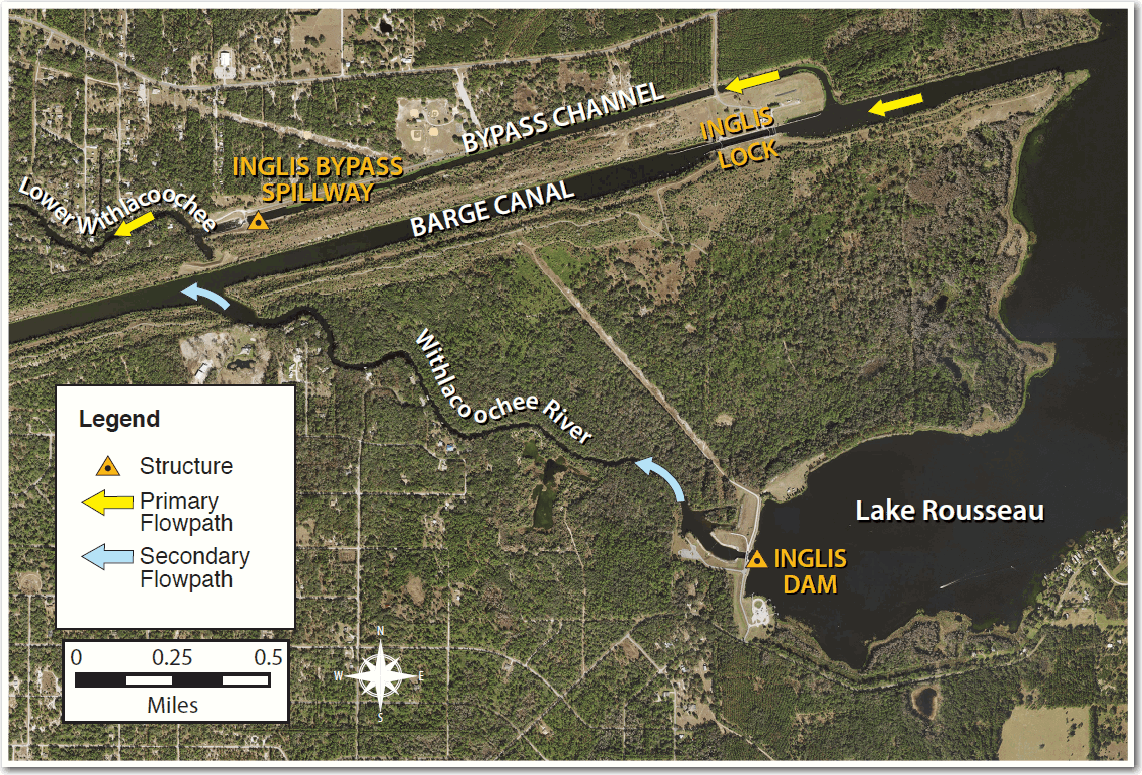
- Flow that enters Lake Rousseau from the east, exits through water control structures on the west end of the lake.
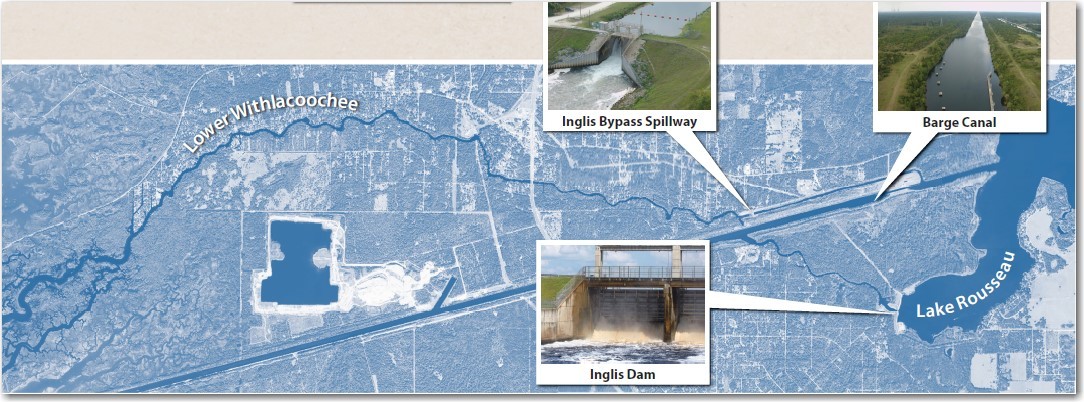
- There are two structures that release water from the lake (see map below).
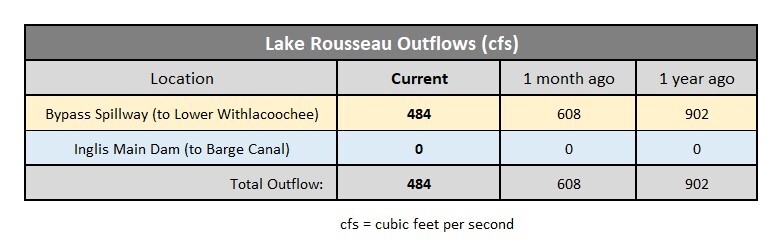
- The primary outlet from Lake Rousseau is the Inglis Bypass Spillway which provides continuous freshwater flow to the Lower Withlacoochee River.
- The Inglis Bypass Spillway is currently flowing at 35% of its capacity, down 8% since last month.
- When the Bypass Spillway reaches maximum capacity, the Inglis Main Dam is opened, discharging excess water from Lake Rousseau to the Barge Canal.
- This provides flood protection to the Lower Withlacoochee River when the river upstream of Lake Rousseau is experiencing high water conditions.
- The Inglis Main Dam, which was closed over a year ago, remains fully closed and won’t open again until Withlacoochee River flows increase substantially.
Hope you have a great week!
Mark
Mark Fulkerson, Ph.D., P.E.
Chief Professional Engineer
Southwest Florida Water Management District
(352) 269-6073 (office)
(352) 279-4493 (cell)
|
|
|
|
|
|
|
|


|
Southwest Florida Water Management District | 2379 Broad Street, Brooksville, FL 34604-6899 |
|
If you do not want to continue receiving emails about these projects, click Unsubscribe. To manage your Southwest Florida Water Management District subscriptions, click Manage Preferences. |