|
The Florida Fish and Wildlife Conservation Commission (FWC) has released an updated version of its Avian Mortality Reporting App, making it easier than ever for the public to help monitor the health of Florida’s wild bird populations.
Each year, FWC biologists investigate reports of bird deaths across the state to track diseases such as Highly Pathogenic Avian Influenza, West Nile Virus and Avian Pox. These data are vital to understanding trends, identifying emerging health threats, and protecting both wildlife and public health.
“With help from the public, we can detect disease outbreaks earlier and better understand where and when they’re occurring,” said Dr. Becky Hardman, FWC Wildlife Health Veterinarian. “Every report helps us safeguard Florida’s birds and respond quickly to potential health concerns.”
Photo credit: Kristin Taylor
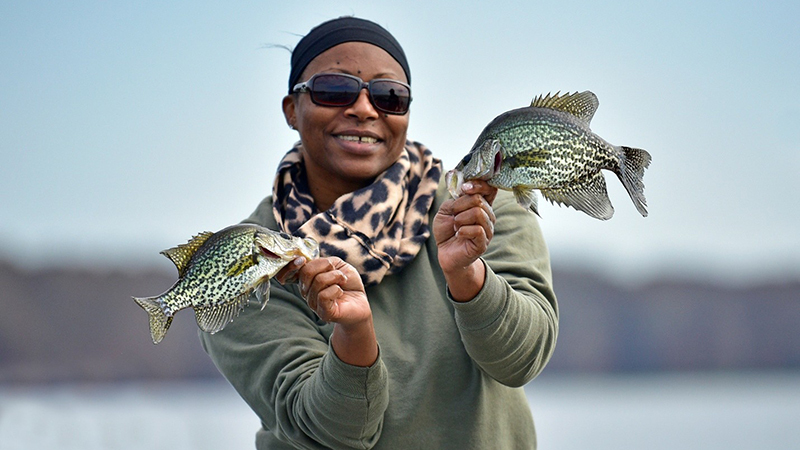 Do you fish for black crappie at Tenoroc?
FWC is launching a new community science program, and we need your help collecting fin clip samples from Tenoroc’s crappie.
Your participation directly supports research and helps us manage and improve the fishery for everyone. Getting started is easy. Sign up with FWC to receive your free sample box, which includes everything you need, plus simple step-by-step instructions.
Email: Blackcrappietenoroc@myfwc.com or call us at 352-800-5012 to enroll today.
This is your chance to give back to the fishery you love and play a direct role in shaping its future.️
 Caves beneath the waves
The Florida Keys nearshore isn’t just sand and seagrass! Mini limestone caves called solution holes, formed thousands of years ago by rainwater erosion. These underwater hotspots provide food and shelter young fish to grow and thrive before heading to the reefs.
Today, excavators like red grouper maintain these holes, creating homes for reef fish, spiny lobsters, and other marine life.
By studying solution holes, we learn how marine life uses these unique habitats and how to protect them for the future.
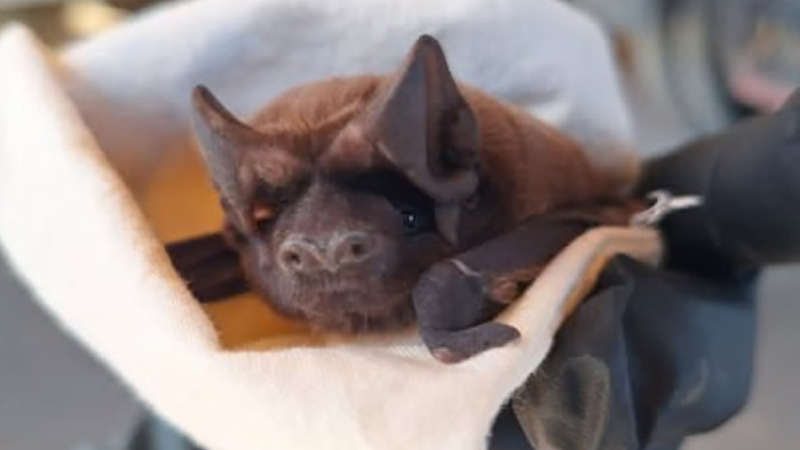 Moth munchers: what’s on the menu for Florida’s rarest bat?
Researchers analyzed bat guano using DNA to learn which insects Florida bonneted bats eat in different parts of the state. They found moths, beetles, and grasshoppers on the menu, including agricultural pests, demonstrating that bats provide an important ecological service as natural pest control.
For findings and a link to the new publication, view the post linked below.
New on MyFWC.com/Research
We hope you enjoy these articles that have been recently added/updated on our website:
Red Tide Current Status
Red Tide-Related Hotlines and Information Sources
2025 Manatee Mortalities
Annual Rescue Summaries [Manatee]
Stone Crab Catch Data
Florida Manatee Oceanaria Reimbursement Assistance Program
New Publications
Oyster Integrated Mapping and Monitoring Program (OIMMP)
HAB Publications
Avian Health
CREMP Publications, Reports, and Resources
Our Mission
Through effective research and technical knowledge, we provide
timely information and guidance to protect, conserve, and manage
Florida's fish and wildlife resources.
|