FWC seeks input on draft revisions to Florida Burrowing Owl Conservation Measures and Permitting Guidelines
Florida Fish & Wildlife Conservation Commission sent this bulletin at 10/21/2024 12:00 PM EDT
(Having trouble viewing this email? View it as a Web page.)
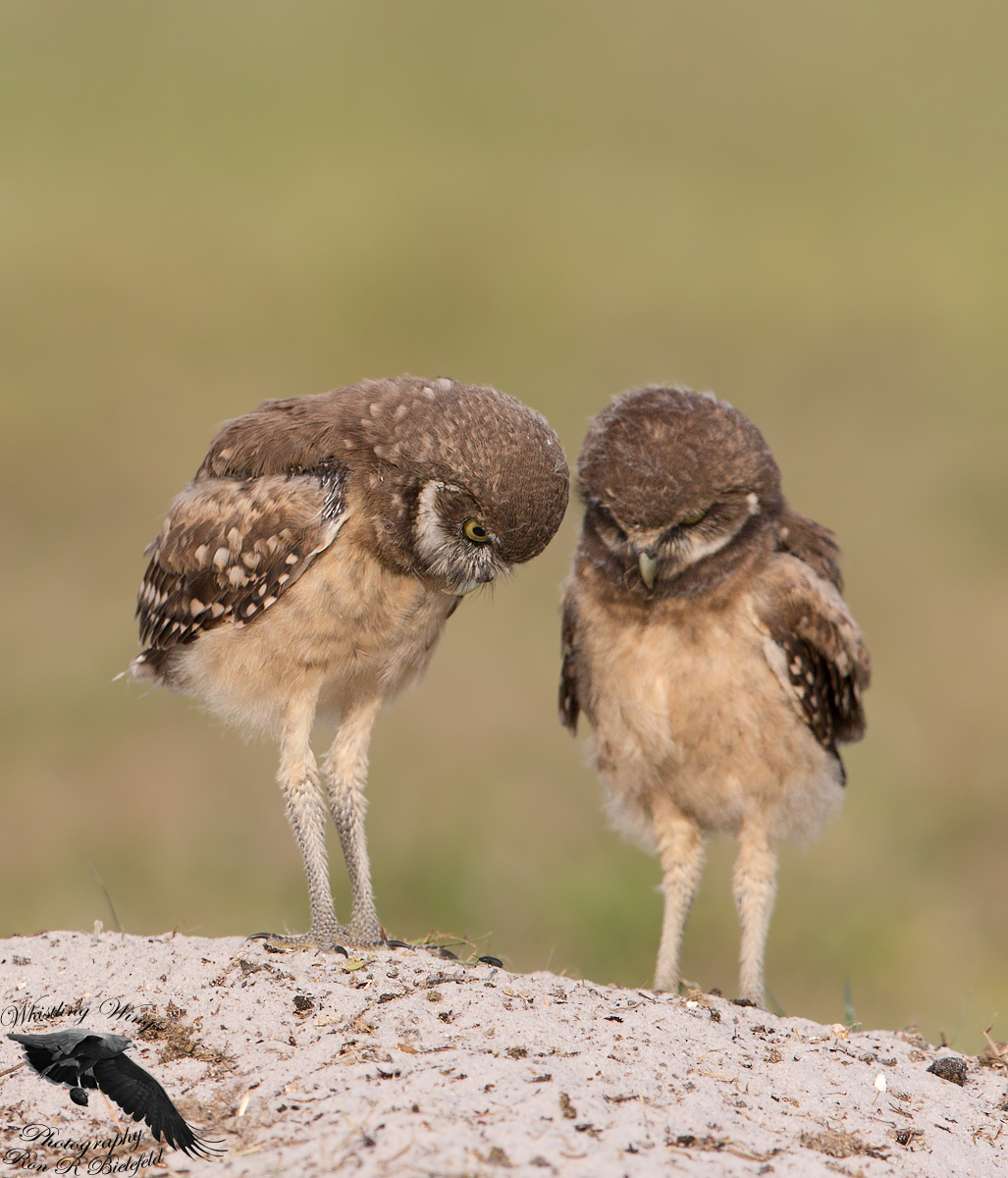
The Florida Fish and Wildlife Conservation Commission (FWC) is seeking public input on draft revisions to the Species Conservation Measures and Permitting Guidelines for the Florida burrowing owl (Athene cunicularia floridana). The goal of the proposed revisions is to better protect burrowing owls by maximizing the conservation value of permitting actions and streamlining the permit review process.
Key revisions and information included in the guidelines will be presented at two public webinars. Participants will have the opportunity to ask questions. Webinars are scheduled for the following dates:
- Wednesday, November 6, 9-10:30 a.m. EST
- Friday, November 8, 2-3:30 p.m. EST
Written comments will be accepted between October 21 – November 20, 2024.
Information on the draft guidelines, instructions on how to join the webinars and a link to the comment survey are available at Species Conservation Measures and Permitting Guidelines | FWC (myfwc.com). A PDF copy of the presentation will also be posted on the website following the webinar.
Individuals who would like to comment but are unable to do so in the specified timeframe or prefer an alternate format in which to comment, should contact Imperiled@MyFWC.com.
The Florida burrowing owl is a State-designated Threatened species. The Species Conservation Measures and Permitting Guidelines are a supporting component of the Imperiled Species Management Plan, which aims to conserve or improve the status of threatened species to effectively reduce the risk of extinction with broad public and partner support. The Burrowing Owl Conservation Measures and Permitting Guidelines provide requirements related to intentional and incidental take permitting for burrowing owls and guidance on species range, survey methodology and recommended practices. These Guidelines were initially approved in 2018, and revisions allow for continued improvement in the permitting process and in conservation for the species.

|
QUESTIONS? Contact the FWC STAY CONNECTED: SUBSCRIBER SERVICES: Localize your news: Go to Subscriber Preferences, click "Questions" and select your region(s) of interest. Help: For assistance with your login or subscription service. |