|
 The FWC Employee eNewsletter
February 2022
Having trouble viewing this email? View it as a website.
 The next Commission meeting will be March 2-3 in Tampa.
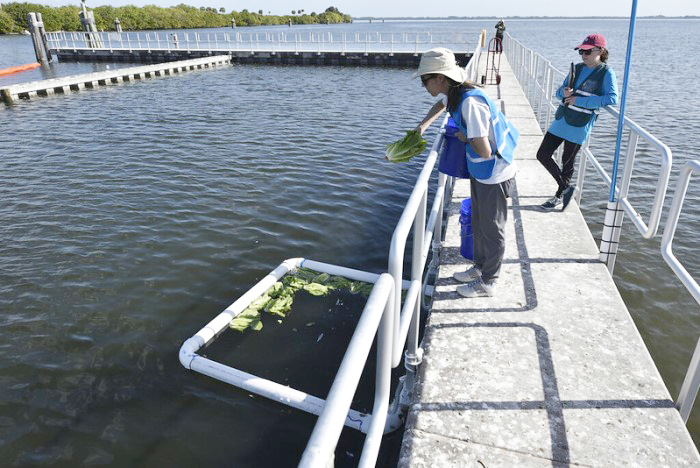
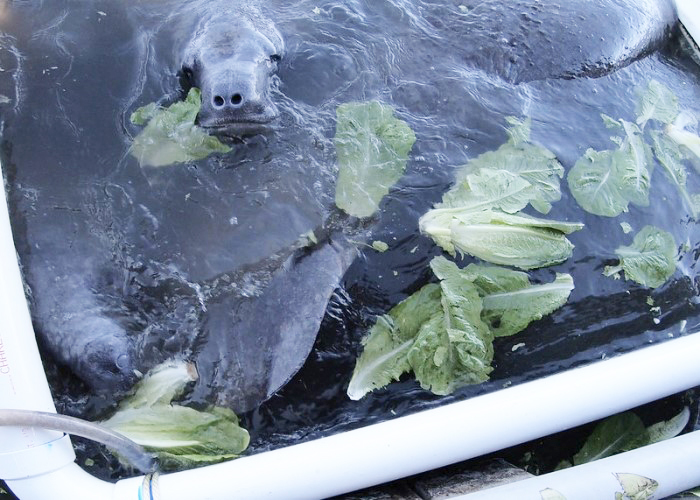
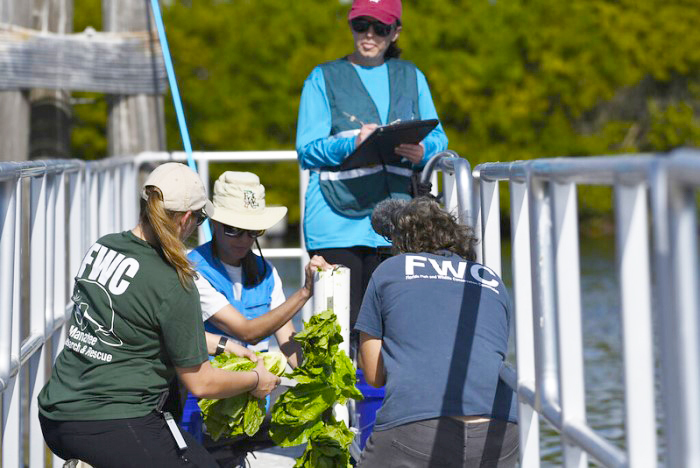 FWC staff putting out leafy greens into the vertical PVC feeders at the at the Temporary Field Response Station in Brevard County.
  Photos by Avery Bristol
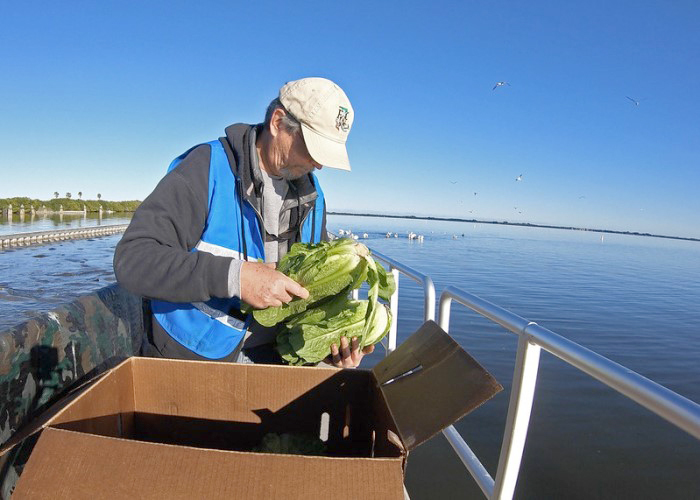
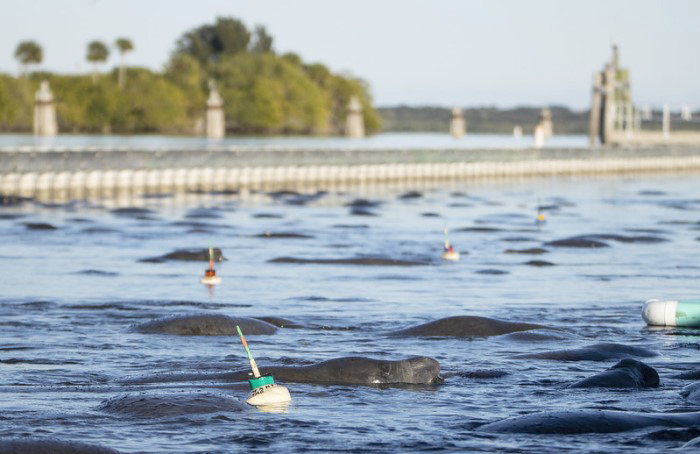
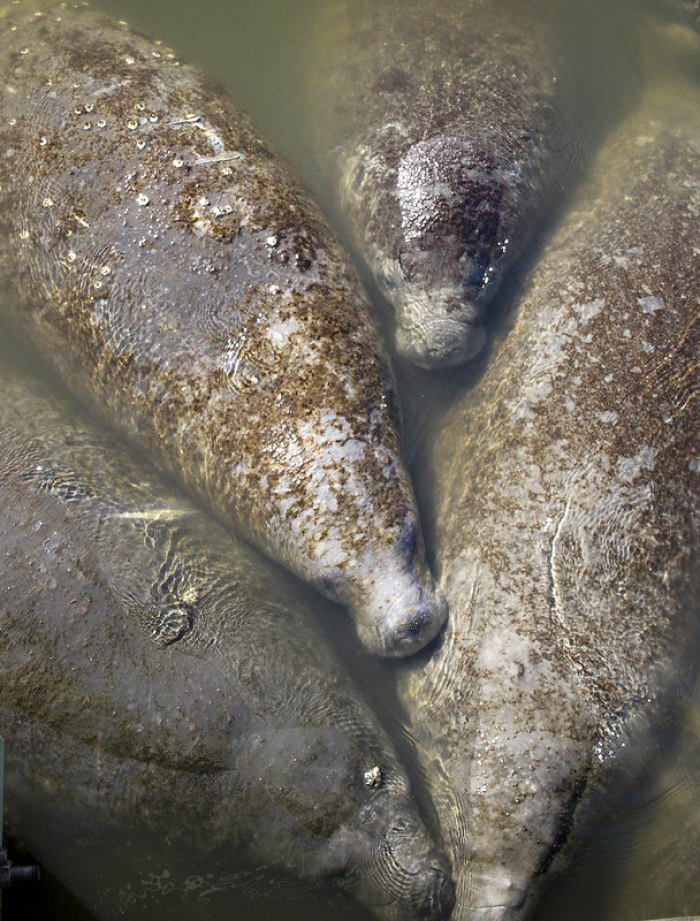
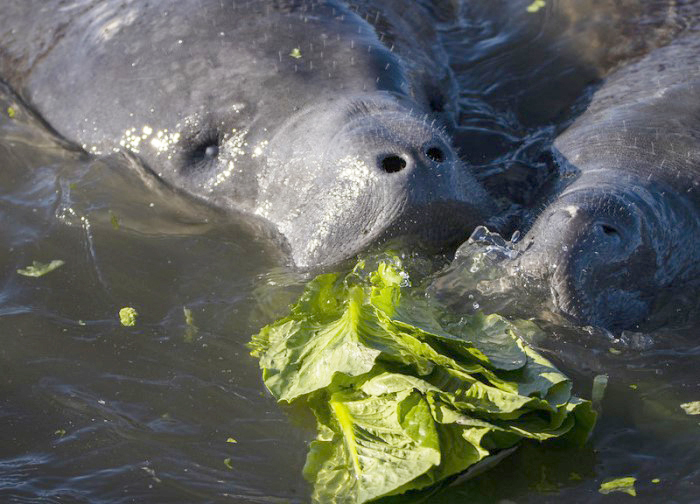
FWC and USFWS staff continue to respond to the ongoing Manatee Unusual Mortality Event (UME) along the Atlantic Coast. Unfortunately, manatees in need of rescue continue to be reported but we are working closely with our partners to recover and rehab live animals impacted by this event. We observed manatees eating vegetation provided by our team at the Temporary Field Response Station for the first time on Jan. 20. While this is an encouraging step, we do not yet know if this behavior will continue. Our expert staff are continuing to provide food and monitor manatees on-site as well as assisting and responding to manatees affected by the UME – thank you to all of the staff from across various agency divisions and Joint Unified Command branches that have been assisting with this effort!
Interested in assisting remotely? Please email ImperiledSpecies@MyFWC.com to learn how you can help with the TFRS Feeding Trial from the comfort of your computer.
To stay up-to-date on manatee UME news, please frequently visit: MyFWC.com/research/manatee/rescue-mortality-response/ume.
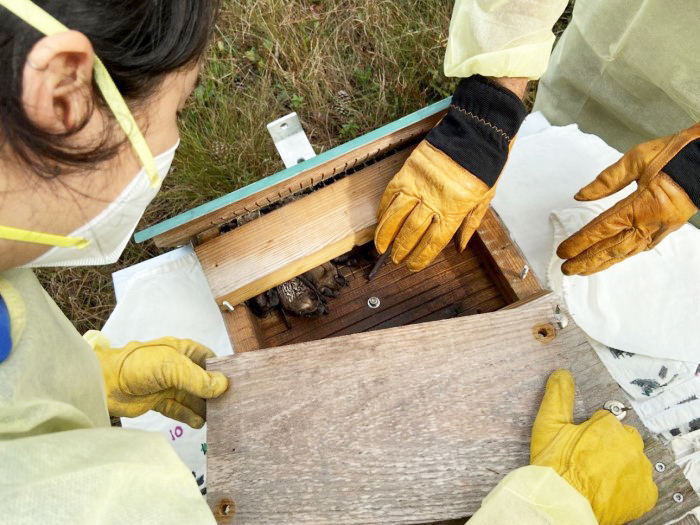 Experienced bat handlers remove Florida bonneted bats from a removable bat house designed by Babcock-Webb WMA staff.
Article and photos by Ethan Noel (HSC-WHM)
The Florida bonneted bat (Eumops floridanus) is a federally endangered species endemic to south Florida and is the largest species of bat in Florida. Relatively little is known about the life history, behavior and biology of the Florida bonneted bat. HSC Wildlife and Habitat Management Section and FWRI staff have been collaborating on long-term bonneted bat monitoring since 2007 with the installation of bat houses at Babcock-Webb WMA. There are 13 artificial roosts on the WMA with each roost consisting of two houses on one pole (with a couple of exceptions).
 Adult male Florida bonneted bat.
Many of the artificial roosts are removable from the pole that they are mounted on and have removable panels, which allows staff to bring the artificial roosts to a central location and safely extract bats by hand. The design was modified by WMA staff based on the original houses and has been instrumental in reducing the amount of time spent capturing and handling bats, and has also shown to be safer for the bats. WHM staff conduct weekly bat house occupancy checks, pup monitoring, and Passive Integrated Transponder (PIT) tag data retrieval. This multi-faceted project focuses on roost switching and familial relationships between roosts, as well as increasing our knowledge of the ecology of this species.
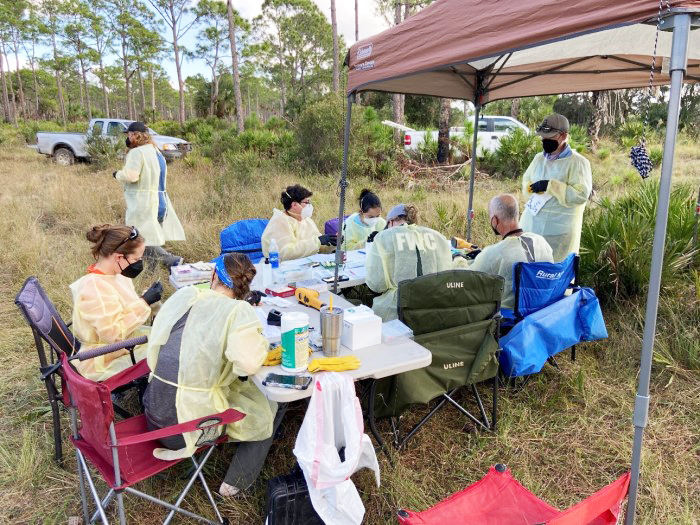 Field processing station for captured bats.
In December, WHM and FWRI staff conducted a Florida bonneted bat capture event at Babcock-Webb WMA, as part of an ongoing PIT tagging project. Typically, these capture events take place every four months, however, the project had been on hold due to Covid-19. With federally approved Covid-19 safety protocols in place, staff captured bats from bat houses on the WMA, collected biological data, and PIT tagged un-marked bats. This project is a great example of a collaboration between WHM and FWRI, with additional support from the Wildlife Diversity Conservation Section!
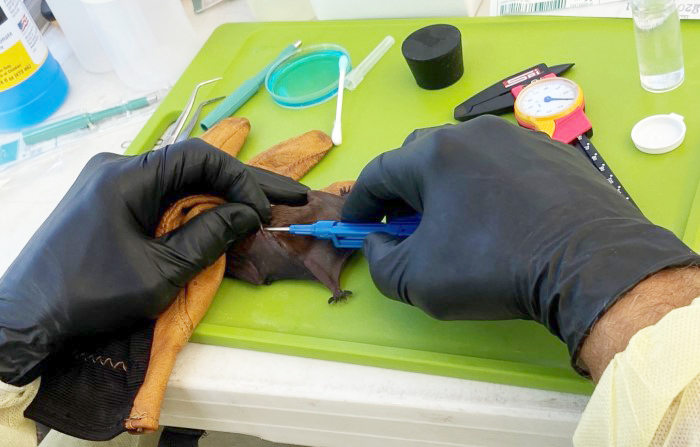 Above: Inserting a PIT tag into an adult Florida bonneted bat. Below: A 1-week-old male Florida bonneted bat pup.

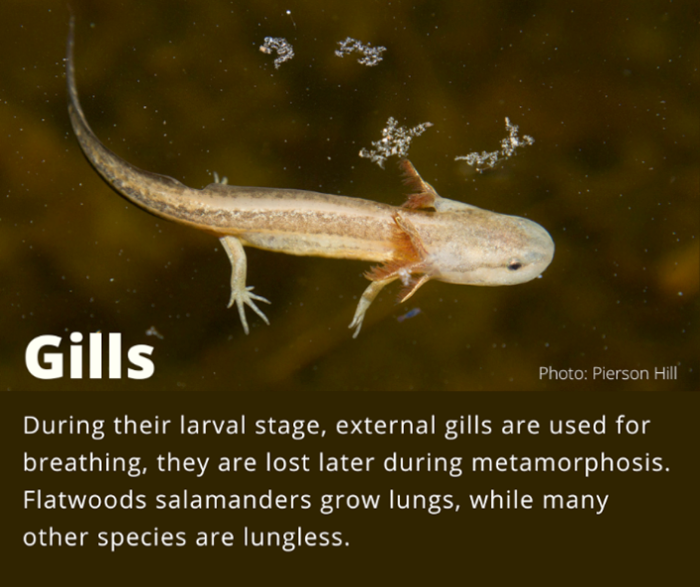
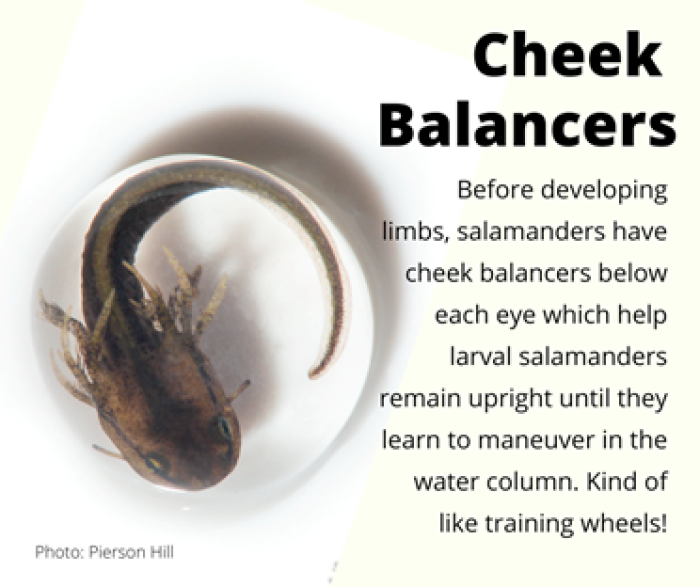
Let’s take a closer look at some notable aspects of the federally threatened frosted flatwoods salamander (Ambystoma cingulatum). With their habitat reduced to less than 3% of its original extent, surviving populations of flatwoods salamanders are small, localized and highly vulnerable to habitat destruction, deterioration and fragmentation. Their breeding habitats are particularly reliant on frequent early summer fires to remain suitable. FWRI biologists, in cooperation with the U.S. Forest Service, created a “headstarting” program to artificially increase the survival rate of larval salamanders. Natural survival rates of larvae are estimated to be less than 10% but headstarting methods has increased larval survival to over 90%.
Find out more about salamander headstarting.
|
|
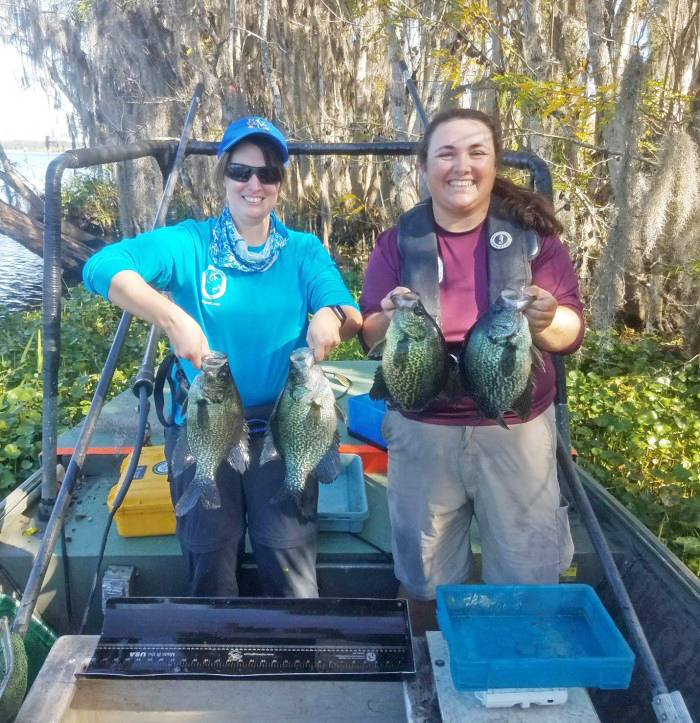 It’s that time of year. With cooling water temperatures, anglers can expect to see more and more black crappie moving into the shallows. Our researchers found these four during a recent sampling event. Together, the four fish weighed nearly 8 pounds!
|
|
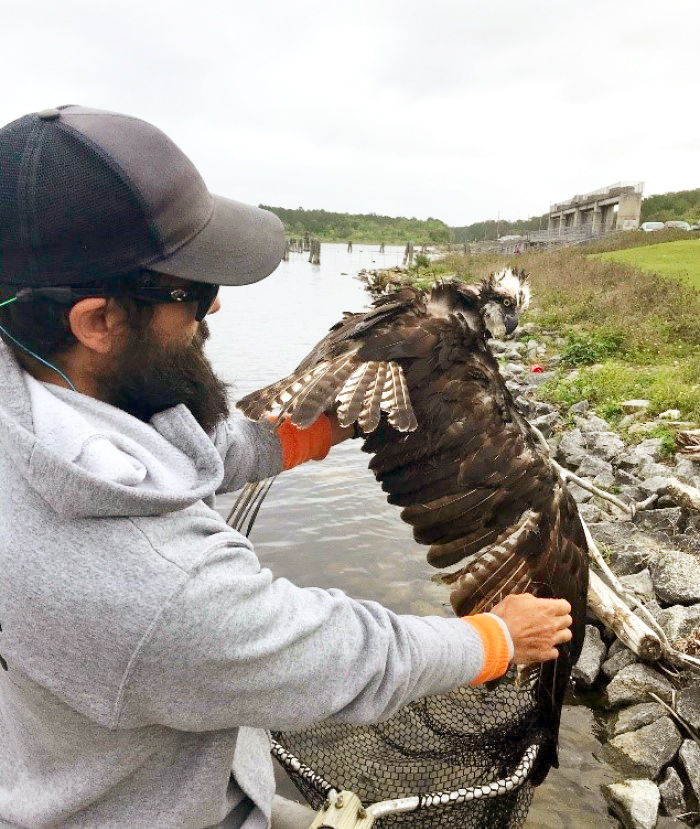
 While performing routine electrofishing on Rodman Reservoir, our freshwater fisheries biologists came across an osprey that was entangled in fishing line and unable to move from a piling near Kirkpatrick Dam. The biologists were able to net the osprey, untangle the line, remove the lure and safely release the bird back into the wild.
Discarded monofilament fishing line can last up to 600 years in the marine environment. Please remember to: Reel. Remove. Recycle – Don’t leave your line behind.
Use this interactive map to find your closest monofilament recycling station: mrrp.myfwc.com/bin-locations.
|
|
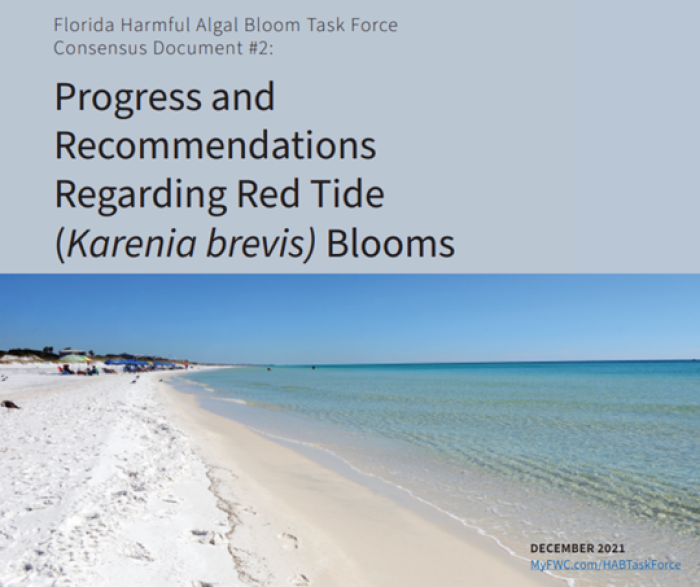 The Harmful Algal Bloom Task Force released its latest recommendations to improve Florida’s ability to manage red tide and its harmful effects
Established in 1999 and administered by the FWC, the HAB Task Force was reactivated in 2019 at the direction of Governor DeSantis. The updated recommendations provide progress on actions made since 2020 and identify additional actions that will improve understanding of red tide and translate into enhanced management. Recommendations continue to focus on priority needs in the areas of public health, communications, and management and response.
Read the latest recommendations.
Learn more about the HAB Task Force: MyFWC.com/HABTaskForce
|
|
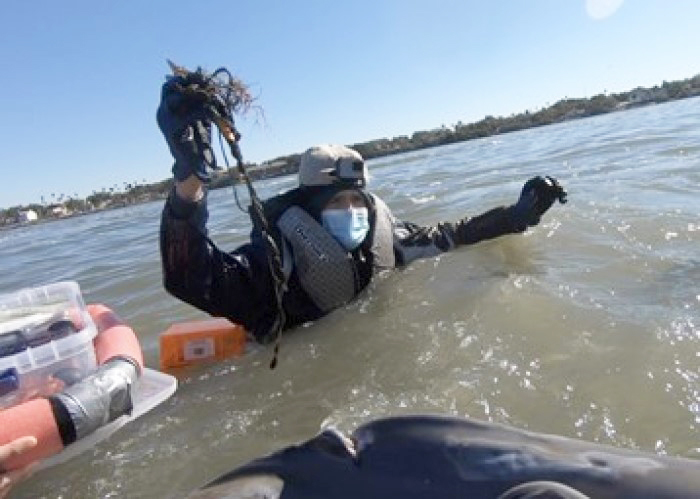
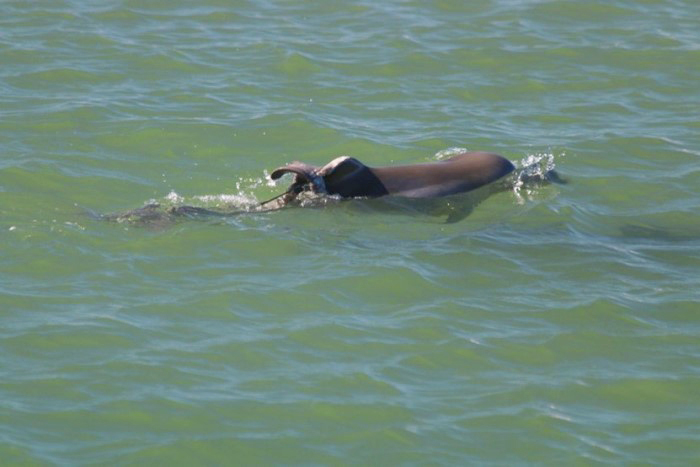 FWC and a team of highly experienced marine mammal stranding network responders successfully removed embedded fishing line from an approximately 7-month-old bottlenose dolphin calf. The mother-calf pair were being closely monitored by Clearwater Marine Aquarium since early December following frequent reports of the entanglement. Based on the deterioration of the calf's condition and after consultation with marine mammal veterinarians and experts, NOAA determined it would be in the calf's best interest to perform a high-risk catch-and-release intervention.
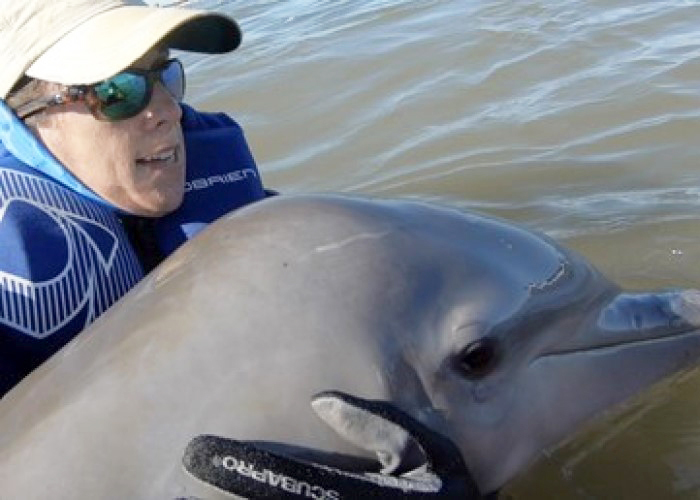 Why did it take time for this disentanglement to occur?
Catch-and-release interventions are dangerous for both the rescue personnel and the dolphin and are conducted only as a measure of last resort. Marine mammal experts and veterinarians were concerned that the likelihood of this dolphin dying during a net capture was extremely high, due to its young age and debilitated condition. Every effort was made to remove the entangling line remotely from a boat; however, when those efforts failed and the calf’s condition continued to deteriorate, it was determined that the risk of intervention was warranted to minimize the animal’s suffering and give it the best chance of survival. Marine mammal responders throughout Florida assembled with the experience and resources to safely carry out this rescue effort.
Thanks to our partners, this dolphin calf was given the best chance possible to survive: University of Florida College of Veterinary Medicine Mote Marine Laboratory & Aquarium SeaWorld Orlando NOAA Fisheries Service Sarasota Dolphin Research Program Chicago Zoological Society
If you see an injured, entangled, or dead dolphin, please call the Southeast Region Stranding Network hotline: 1-877-WHALE HELP (1-877-942-5343).
This rescue effort was conducted under MMPA Permit 18786-06
|
|
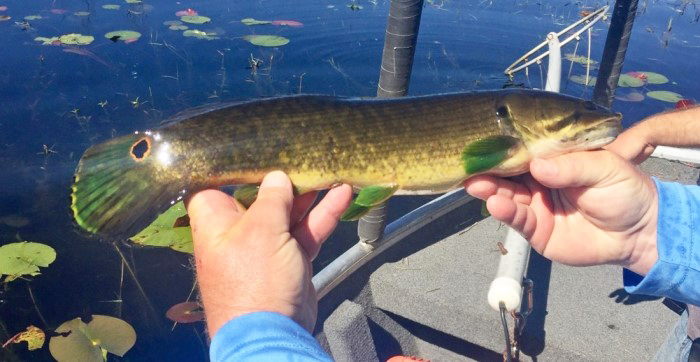
 Our freshwater fisheries research biologists found this nicely patterned bowfin while electrofishing in the Santa Fe River. Bowfin and gar are living remnants of a prehistoric group of fishes that lived in our waters over 100 million years ago. Both species have the ability to gulp air at the surface and get oxygen from their swim bladder, allowing them to live in very low oxygen conditions. Often confused with other species, such as snakehead, male bowfin get colorful in the spring.
|
|
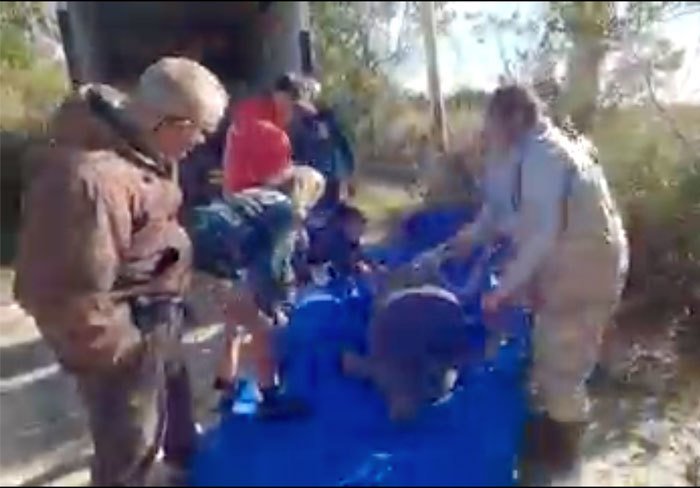 Early one Monday, our MMPL Manatee Rescue Team received a report of a manatee beached along West Roy Thomas Road in Crystal River.
FWC volunteers were first on the scene and found the stranded 7.5-foot juvenile male manatee breathing normally and covered the manatee in blankets to keep him warm until our rescue team arrived.
How did a manatee end up on the side of the road?
Heavy rain and winds related to a passing cold front came through early that morning during a high tide, which likely flooded King’s Bay near the West Roy Thomas Road area giving the manatee access to the road. When the water receded, the manatee was stranded.
During assessment, FWC biologists noted the manatee was underweight and had a healing wound on its side along with cold stress lesions on the animal’s body. With help from USFWS Crystal River National Wildlife Refuge Complex, staff and volunteers loaded up the manatee for transport to SeaWorld Orlando for further evaluation.
If you see an injured, distressed, sick or dead marine mammal, please call FWC’s Wildlife Alert Hotline at 888-404- 3922. Early rescue efforts may save a marine animal’s life!
|
|
 Right whale Catalog #1515 and calf were sighted off Cumberland Island, Georgia on Jan. 23, bringing the total to 13 mother-calf pairs for the season.
Several mother-calf pairs have been sighted in nearshore Florida waters recently: Catalog #3430, #2040 ‘Naevus’, #1620 ‘Mantis’, #2360 ‘Derecha’, #1817 ‘Silt’, and the entangled mother #3560 ‘Snow Cone.’ Calving is a vulnerable phase of life and mothers require rest (they do not feed while here in the calving grounds). #GiveThemSpace
Researchers estimate there are fewer than 70 reproductively active females in the population. Given this number and the low calving in recent years, we are happy to see 13 calves and are hoping for more. Unfortunately, newborn calves alone are not enough to halt the declining number of right whales. We would need approximately 50 or more calves this winter to offset the current rate of mortality. The only way for this long-lived species to recover is to significantly reduce human-caused deaths and injuries.
Please continue to report right whale sightings to 1-877-WHALE-HELP (1-877-942-5343).
Read more about the life-history of the mothers seen this season from our partners New England Aquarium: neaq.org/.../2021-22-north-atlantic-right.../
Learn more about current conservation actions as a Species in the Spotlight: fisheries.noaa.gov/.../north-atlantic-right...
|
|
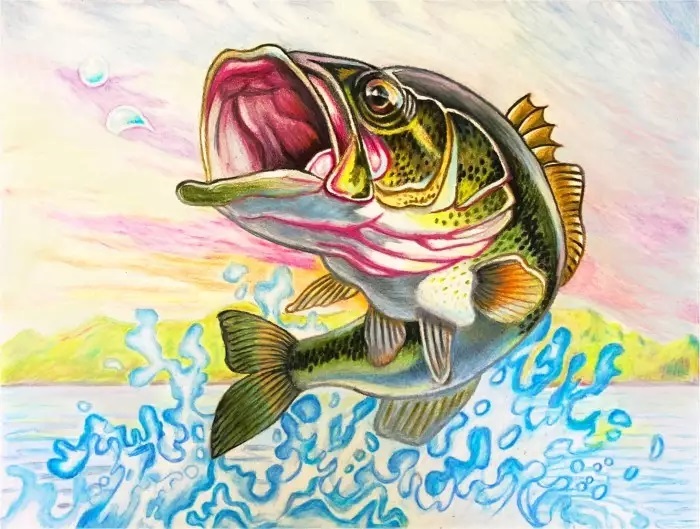 Students in kindergarten through twelfth grade can compete in the free Florida State Fish Art Contest for a chance to win state and national honors, and prizes. This program inspires creativity while developing the next generation of anglers and conservationists.
 The FWC TaxWatch Productivity Awards Team has extended the nomination submission deadline to March 16, 2022.
TaxWatch is a major government improvement initiative chaired by Florida's Lieutenant Governor. Since 1989 the Awards program has publicly recognized and rewarded state employees and work units whose work significantly and measurably increases productivity and promotes innovation to improve the delivery of state services. The awards program recognizes achievements that are particularly beneficial to citizens and the private sector.
Award recipients are publicly recognized and have the chance to receive plaques or even cash prizes.
-
Choose from four categories to submit your nomination, Agency of the Year, Technology / Innovation, Quality of Life or Service Delivery Improvement.
-
Nomination prep sheets are available to allow you to take your time drafting your submission.
-
Copy information from your Nomination Prep Sheet to the FWC Online Nomination Form.
-
Winners will be announced in late spring or summer.
If you have any questions or want assistance, contact the TaxWatch team at TaxWatch@MyFWC.com.
|
|

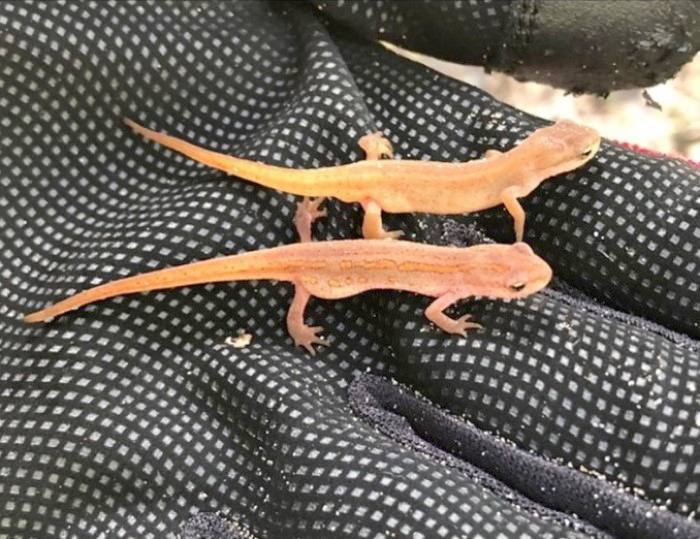 By Jess Rodriguez – WHM NE Region Conservation Biologist
HSC’s Wildlife and Habitat Management Section staff manage a variety of habitats on Guana River WMA in northeast St. John’s County to benefit a suite of plant and wildlife species, including the striped newt. Frequent prescribed burns are used to manage the areas fire-dependent natural communities and staff incorporate a variety of other management techniques to maintain and enhance habitat conditions, including timber thinning and mechanical treatments. GRWMA staff do a fantastic job managing xeric uplands and associated wetlands that benefit many species, including the striped newt. A wetland assessment conducted in 2009 indicated that overall, the ephemeral wetlands on the area were in very good condition.
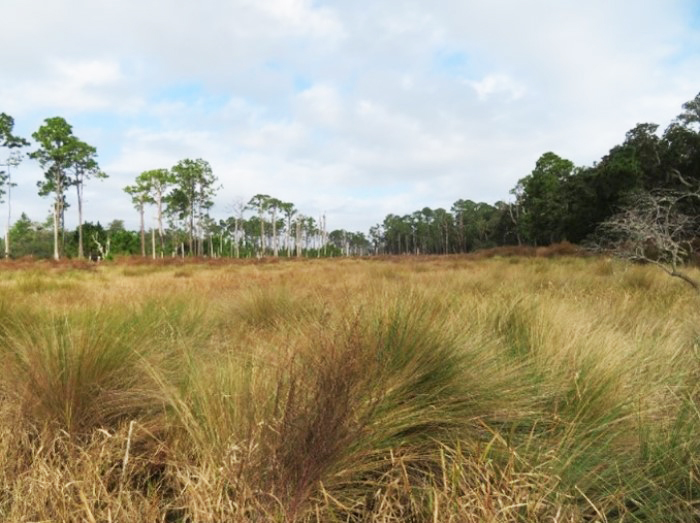 In May 2021, FWC Commissioners approved the recommendation to list the striped newt as state threatened. Striped newts were first detected on GRWMA in 2007, and since then FWC staff from WHM and FWRI continue surveys to monitor the presence and distribution of the species on the WMA. During 2020-21, the Florida Natural Areas Inventory conducted a herpetofauna survey on GRWMA and captured 10 striped newt efts in a drift-fence array in maritime hammock, a natural community type not usually considered suitable habitat for the species. Striped newts primarily use xeric upland communities, including sandhill, scrub and scrubby flatwoods, as well as mesic flatwoods associated with breeding wetlands. A dipnet survey was conducted on the WMA by staff from FWRI and WHM, Florida Department of Environmental Protection and FNAI in February 2021 to locate new breeding ponds and monitor known breeding ponds. A 1.3-kilometer-long interdunal swale between the maritime hammock that yielded the 10 efts, scrubby flatwoods and scrub were included in the survey. Striped newts were detected at four previously documented wetlands as well as the large interdunal swale. WHM will continue monitoring these wetlands, as well as other potential breeding ponds on the area, for striped newt activity. This project is a great example of inter- and intra-agency collaboration!
  Love to turkey hunt? Be in the know about wild turkey management!
FWC officers in Tampa prepare for Gasparilla boat parade with refresher training on BUI enforcement
FWC responds to bear incident in Daytona Beach
FWC responds to bear incident in Volusia County
FWC recognizes DeSoto County landowner for wildlife conservation efforts
FWC approves funding to remove 27 derelict vessels from the Florida Keys
Suspects charged in gill net case involving the netting of sharks and multiple fish species
  2022 Wounded Warrior Soldier Ride
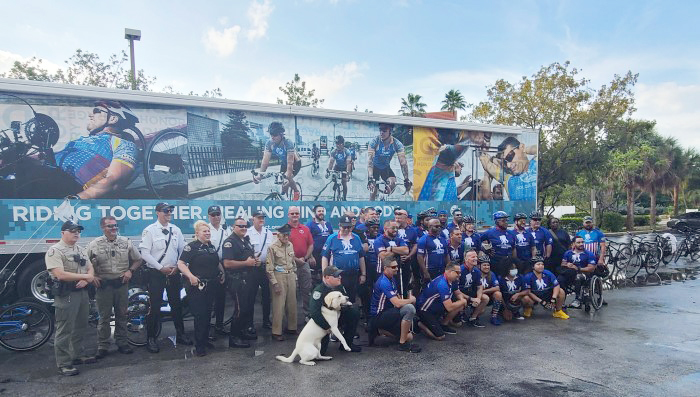
FWC officers and staff from Monroe and Miami-Dade counties participated in the 18th annual Wounded Warrior Soldier Ride through the Florida Keys. Aside from providing traffic control and assistance throughout the route over two days as we have done in years past, three officers traded in their trucks to ride their bikes as part of our agency’s fitness initiative for the 18-mile segment from Key Largo through Islamorada riding along U.S. Highway 1. U.S. Congressman Carlos Gimenz met with the riders and our officers to thank all those who participated for the sacrifices they have made for their country and communities.
 L-R: Officer Washington, Officer Trueblood, U.S. Congressman Carlos Gimenz, Officer Rhoda, Officer McKay, Officer Rafter, Investigator Mattson, State Attorney Dennis Ward, Officer Zambo.
 Investigator Mattson and Officers Zambo and Rafter pre-18 mile bike ride.
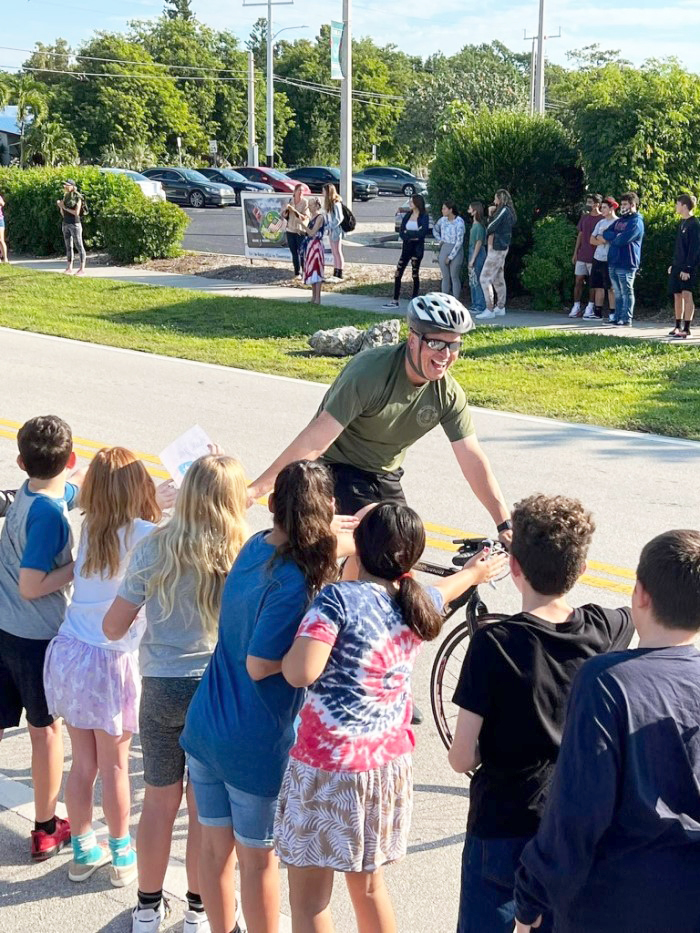 Investigator Mattson at Coral Shores High School.
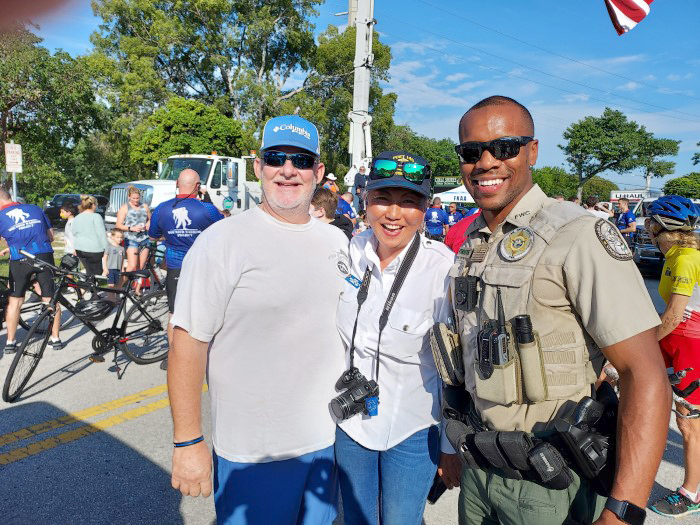 Retired PIO Dube, Retired Lt. Dipre, Recruiter Officer Washington.
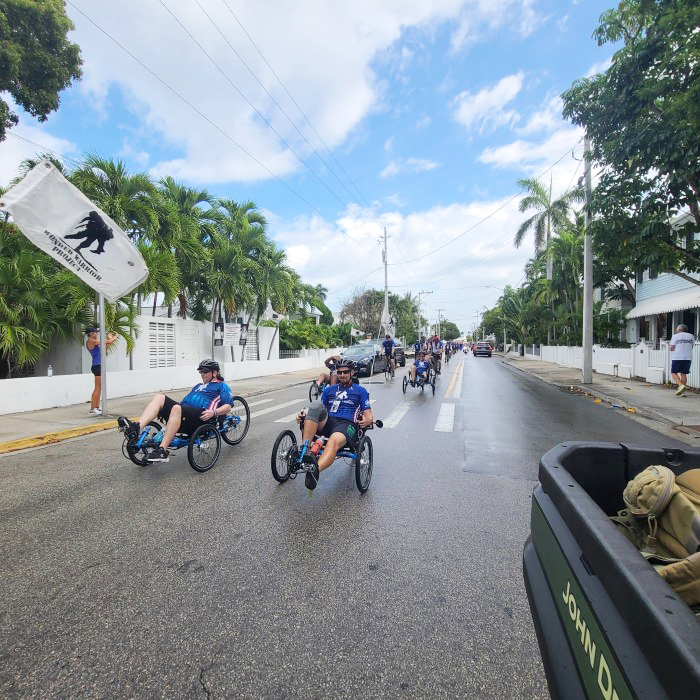 Riding through the streets of Key West.
 Citizens and FWC customers were so impressed by the following employees, they told us about it through email on the "Praise an Employee" page of MyFWC.com/Contact. When your coworkers receive kudos, help share the good news by contacting Kelly.Broderick@MyFWC.com.
UME Website
I did indeed receive an email from Carly Jones at the Research Institute, so I have sent her some questions for an email interview. I have to say I was extremely impressed with what FWC has added to the Unusual Mortality Event webpage in recent months in terms of the extensive FAQ and the detailed weekly updates. I only had a few follow-up questions to email to Ms. Jones since so much was already on the website. Kudos to whomever put up that extensive information.
Officer Rachel Bower
I just wanted to thank the FWC and specifically your officer Rachel Bower for coming to my home to help remove a sick raccoon from our property. Unfortunately the raccoon exhibited symptoms of distemper so it was ultimately euthanized. Thanks to Officer Bower’s patience and skill, the raccoon is no longer suffering. I appreciate all the hard work the FWC does on a daily basis to protect our precious Florida wildlife.
Officer Jaret Flynn
On Jan. 6, while traveling on Florida CR832 just east of Okaloacooche Slough WMA, I observed a large brown hound dog on the side of the road. I had observed this same dog during my earlier travels to my coyote hunting grounds; therefore, I decided to stop and see if IT was injured, lost, abandoned, etc. Shortly after stopping, an FWC officer pulled in behind my truck. Officer Jaret Flynn inquired as to my safety, wellness and/or reason for pulling over on the side of the road. I informed Officer Flynn that I intended to check on the dog with hopes of catching it to find its owner or take it to the local shelter. Officer Flynn offered his assistance and, for the next hour, we worked together to gain the trust of the dog and to bring it to safety. Only having a small bag of mixed nuts, a few bottles of water and some ice from my cooler, we were finally able to coax the dog close enough to us to place a lead around its neck. Officer Flynn had a portable cage in the back of his truck that, after multiple failed attempts, we were able to safely load the dog into for transport. I want to make special note that during the process, the dog, which was believed to be mixed cur and pit bull, was initially aggressive and very defensive. Officer Flynn did not back down from several lunges from the frightened canine, which I believed to be pivotal in this safe and successful process. Officer Flynn was cool, calm, polite and especially professional throughout this stressful but successful capture of a scared canine. To me, it was an honor to work alongside such a professional for the common goal of saving an innocent, albeit domesticated animal that was basically stranded in the middle of nowhere. I noted that Officer Flynn obviously shares an affection and desire to help all animals, not just the wild kind. The experience with Officer Flynn was such a positive and truly remarkable part of my day that I felt compelled to take the time to share my experience with you. I am hoping that this letter does not get lost in the shuffle because Officer Flynn is truly an exceptional member of your team. He went above and beyond for me and the canine in need even when I know it was outside of his normal duties. Please share this with him, letting him and his commanding officers know that I appreciate and commend him for his assistance and positive experience, I have two short videos of the incident, should anyone be interested.
Officers Tristan Hartzog and John Sizemore
Two humans and three furry souls want to thank Officers Sizemore and Hartzog for coming to our rescue. We would like their superiors to know what an excellent job they did and that they did it with a smile. We went out thinking we were not jeopardizing our safety and found ourselves in water we could not move in. We tried for hours to keep our vessel upright and afloat, waiting for the water to calm so we could move. That did not happen. Coast Guard said they were four hours away and there was little confidence on our part that we could maintain the vessel in the dark. We were overjoyed when we were notified that the FWC, (we had no idea who FWC was, farmers with canoes?) was just 45 minutes from us, we were overjoyed to have rescuers. Not only did they jeopardize their own safety but they did it with skill, kindness and on-their-feet thinking that was truly what we needed. They kept their calm and collected attitude through all the challenges they faced. They were concerned for our safety and well-being. They never once even alluded to the fact that we were the reason they were in harm’s way. They advised us that the ride back would be cold and wet, and helped us prepare the best we could. Officer Sizemore expertly maneuvered his watercraft to help in easing the process of climbing aboard. Officer Hartzog was like a spider monkey crawling on, in and over our vessel. He did everything possible to help us. Officers Sizemore and Hartzog worked so well together as a team. We offer them our most sincere thank you!
Officer David Travis
Officer Travis needs to be commended. For the past 15 years we have been terrorized by deer hunters, killing deer in the National Forest and dumping their carcasses in the yard, four-wheelers tearing up the swamp, with no help anywhere. As a former park ranger, I was frustrated by the attempt to correct this problem. Which brings me to Officer Travis. One morning, an FWC truck came slowly down the neighborhood road. I waved at him and he came in and we talked for a moment and I realized he was trying to shut down fire hunters in the forest. A house down the road had a club that was killing deer, which had been happening for the past 15 years. I'm not sure what Officer Travis did or said but there has not been a four-wheel drive racing up and down the road now in about a month. They are not coming in from the north side of Leon Sinks now. I have patrolled this area studiously since meeting him and there is absolutely no evidence of anyone entering this sector of woods to do anything other than walk. There have been no four-wheelers, no golf carts driving down there, no one digging up the barricades, etc. I would highly, highly recommend Officer Travis’ promotion into management as soon as possible because he has old-school instincts. He's very, very sharp.
Tony Young, HGM
My husband and I are moving back to Florida and we are interested in hunting property. I talked to Tony and he provided a vast amount of very useful information that helps us now with our search as well as future knowledge.
 Congratulations to the following employees for reaching 5-year milestones of employment with the FWC.
|
|
30 Years
Steven Gornak, HSC
Leslie Ward, FWRI
25 Years
Gary Sanchez, LE
20 Years
Kim Bonvechio, FWRI
Scott Kihei, LE
Patrick McCord, HSC
Karl Miller, FWRI
15 Years
Brian Branciforte, HSC
Robert Crews, LE
Lorri Hendry, LE
Donald Moore, South Region
10 Years
Andrea Krzystan, FWRI
|
5 Years
Michael Alvarez, LE
Adam Boyd, LE
James Cameron, LE
Justin Dasher, LE
Virginia Davis, LE (August 2021)
Max Fanelli, LE
Kyle Fijalkowski, LE
Jennifer Granneman, FWRI
Trevor Hausler, LE
Zach Hoppe, LE
Sean Karr, LE
Peter Knutson, LE
Matthew Langley, LE
WynLyn McBride, HSC
Logan McLeod, LE
David Moschiano, LE
Michael Oldsen, LE
Kaitlyn O'Neil, FWRI
Matthew Pecko, LE
Miros Petru, LE
Trevor Phillips, FFM
Jason Rhoda, LE
Austin Sheffield, LE
Jadon Stapleton, LE
William Thompson, LE
Shalyn Zappulla, FFM
Retired!
Ingrid Easom, HSC – 35 Years
John Brechler, LE – 31 Years, 6 Months
Harry Norris, FWRI – 30 Years, 5 Months
Ming Lee, OED – 27 Years, 4 Months
|
|
(The FWC has a great many non-FTE employees, and they deserve recognition for reaching 5-year milestones too. Unfortunately, the system doesn't keep track of such statistics; but we don't want that to stop us. If you know of a non-FTE employee about to reach a 5-year milestone, please notify the Inside Job by email.) |
|

|
FWC employees have some of the most interesting jobs ever! Here are some of our employees doing what they do best. Send your photos of FWC employees in the office and in the field to Kelly.Broderick@MyFWC.com.
|
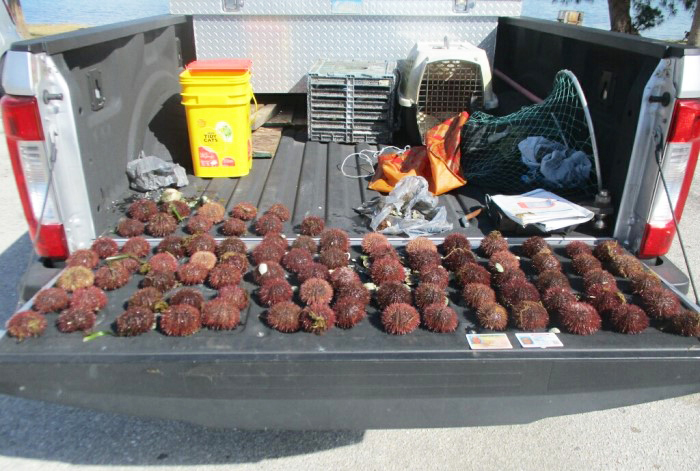 Southwest Region Officers Rick Klobuchar and Eric Sierra responded to a report of two subjects fishing from Ken Thompson Park in Sarasota and keeping too many variegated sea urchins. Upon inspection, officers found the subjects to be in possession of 76 urchins. An additional search of the area produced three more bags of urchins that were concealed in nearby bushes. A total of 119 sea urchins were found. Both men received multiple criminal citations for taking over the bag limit of tropical ornamental marine life species.
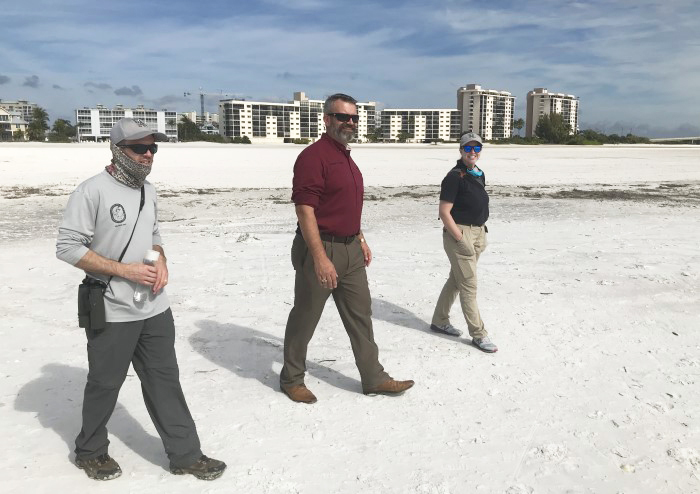 Southwest Regional Commander Maj. Rob Rowe, along with Capt. Guy Carpenter, biologists Becky Schneider and Tyson Dallas, toured the Big Carlos temporary shorebird refuge in Lee County. This has been a critical nesting site for several nesting shorebird species in recent years and FWC staff has been working closely with private landowners to further our conservation initiatives.
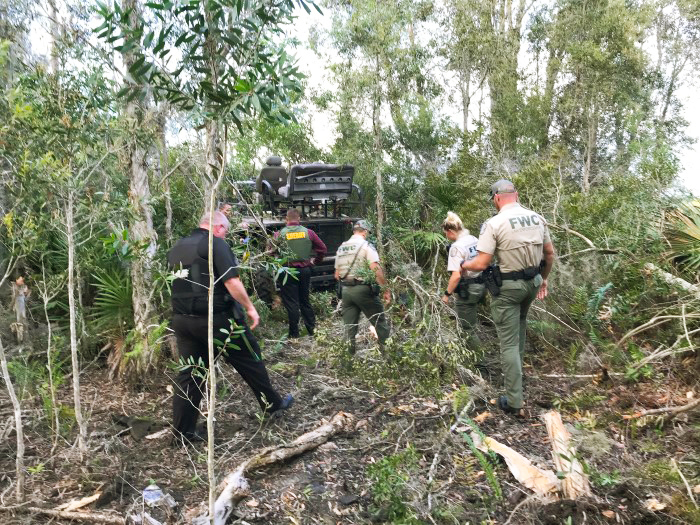 Southwest Regional Officers’ working with local partners in tracking and locating a stolen swamp buggy from a campsite in Fred C. Babcock/Cecil M. Webb WMA in Charlotte County.
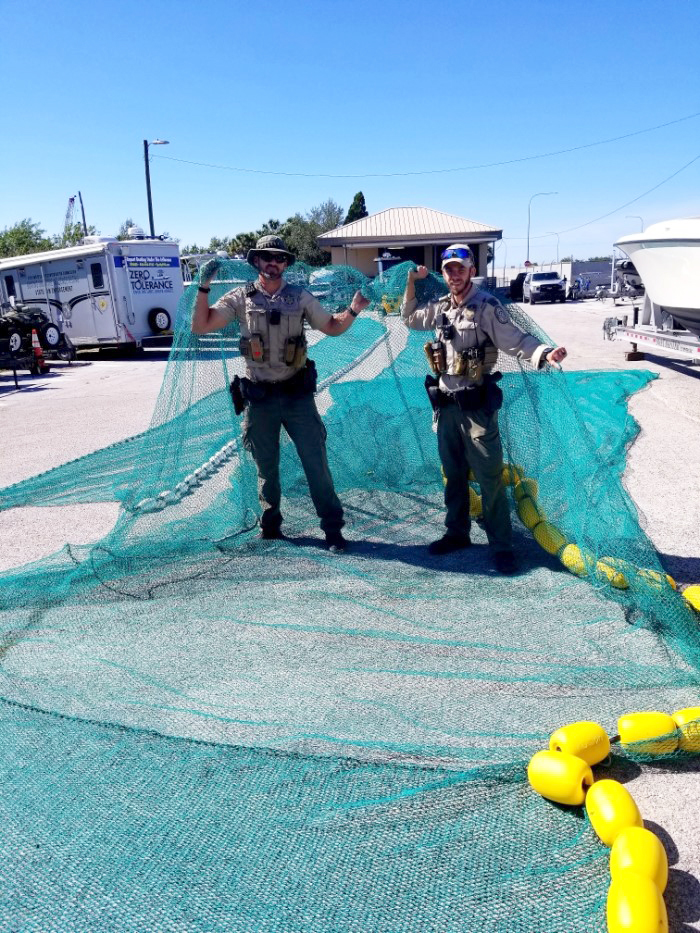
 Southwest Region Officers Christopher Davidson and Richard Klobuchar were working a netting detail in Manatee County when they witnessed a vessel without navigational lights, traveling at a high rate of speed along the shoreline in a posted slow speed zone. The officers approached the vessel, which had just deployed several seine nets and the fisherman wasin the process of retrieving the nets to their boat. The officers announced their presence and began to inspect the vessel for resource violations. The inspection yielded several criminal resource violations including prohibited gear in a closed area, pulling two or more nets connected, possession of net larger than 500 square feet, and seine net marking violations. The subjects were cited accordingly.
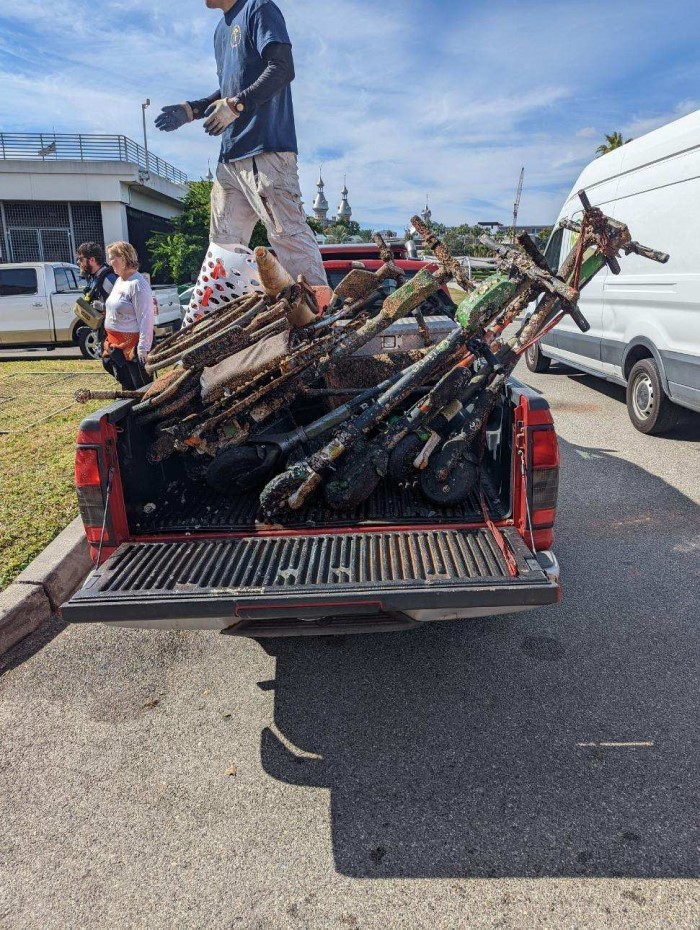
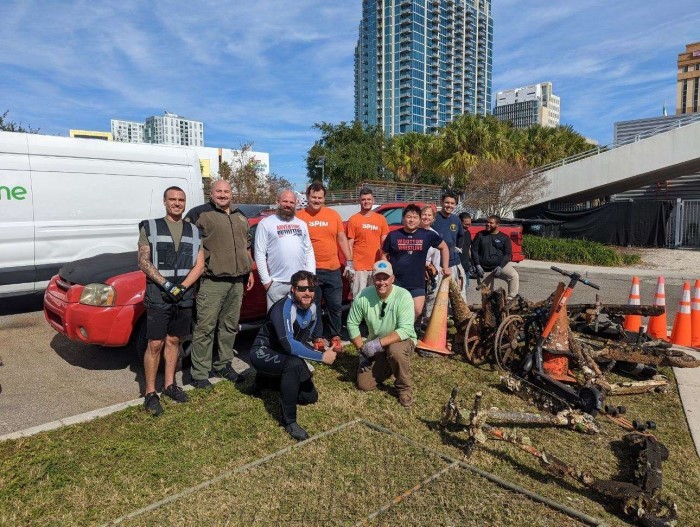 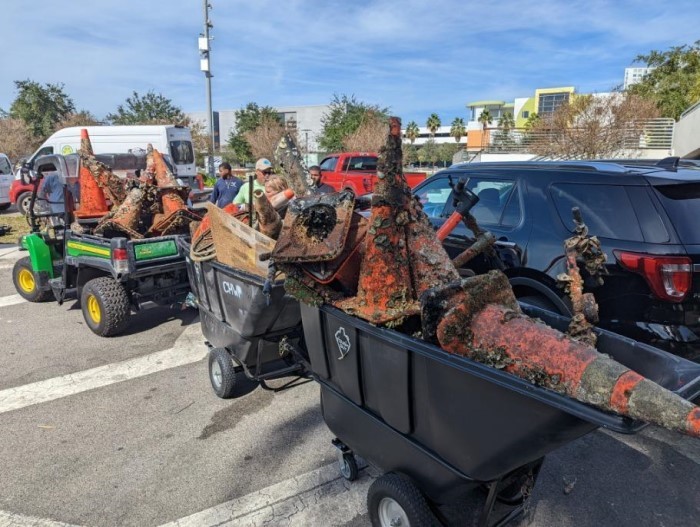 Southwest Region Officer Forest Rothchild partnered with the Tampa Police Department to assist with vessel traffic during the Keep Tampa Bay Beautiful dive cleanup event. Keep Tampa Bay Beautiful organized this event as a result of a recent discovery of over 60 discarded mobile scooters in the Hillsborough River, to bring further awareness of this concern and to help clean up the waterways of the state of Florida. During the dive, 37 traffic safety cones, 18 scooters, two wheelchairs, a street sign, a chain-link fence barricade and various other debris were removed from the water. https://www.youtube.com/watch?v=hLE7aHb1u0c
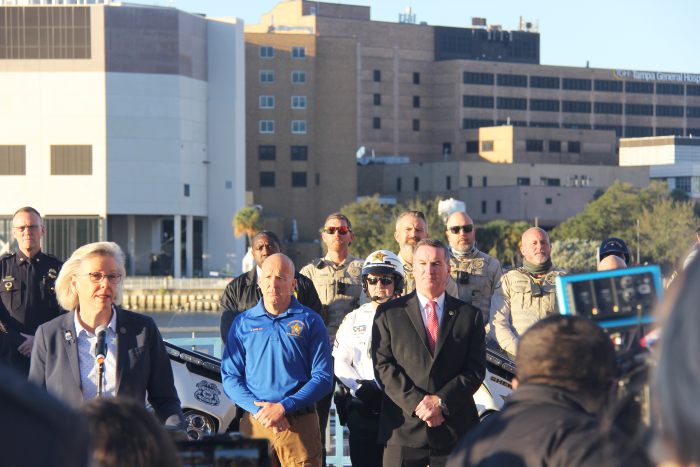 Maj. Rowe, Capt. Carpenter and Officers Brown, Messman and Phillippi attended a press conference for the Gasparilla invasion. This included the City of Tampa’s mayor, the Federal Bureau of Investigations, the Florida Department of Law Enforcement, Hillsborough County Sheriff’s Office, Tampa Fire Rescue and the Tampa Police Department. The agencies brought a variety of assets including patrol vessels, motorcycles, bicycles and a mounted patrol unit that was used during the parade to ensure public safety. After the press conference, media were provided the opportunity for individual interviews and a ride along.
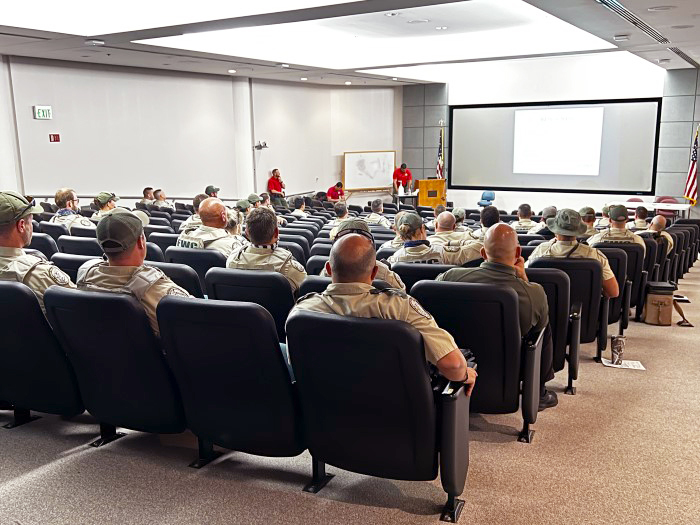 Southwest Region officers prepared for the Gasparilla flotilla invasion with a Boating Under the Influence refresher training at the FWRI in St Petersburg. BUI refresher training is important to keep officers proficient at BUI detection and to remind them of the importance of removing these dangerous operators from the water. A representative from Mothers Against Drunk Driving attended the BUI refresher training to thank the officers for all of their hard work and to share her personal loss story concerning a drunk driver. Tampa Bay media outlets were invited to the BUI refresher training to learn about BUIs and the importance of BUI enforcement.
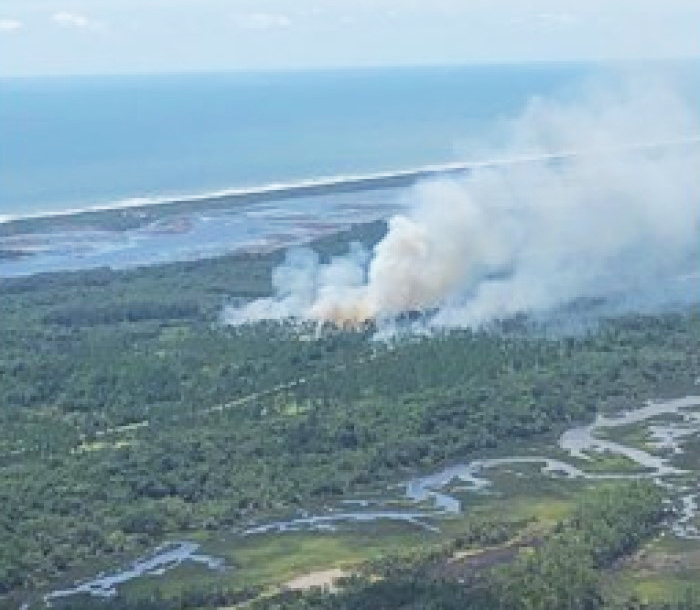
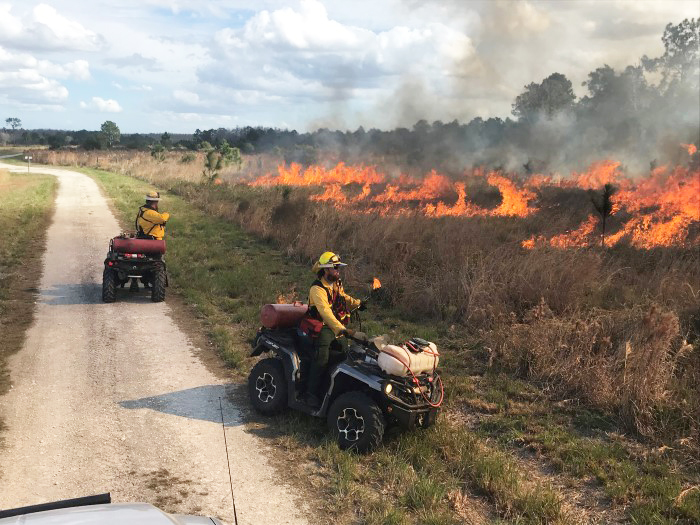 The FWC conducted a prescribed fire at Hilochee WMA. Biologist Kris Ryan and Technician Loghan Lomneck watch spot fires come together.
 Biologist Kris Ryan lights interior spots.
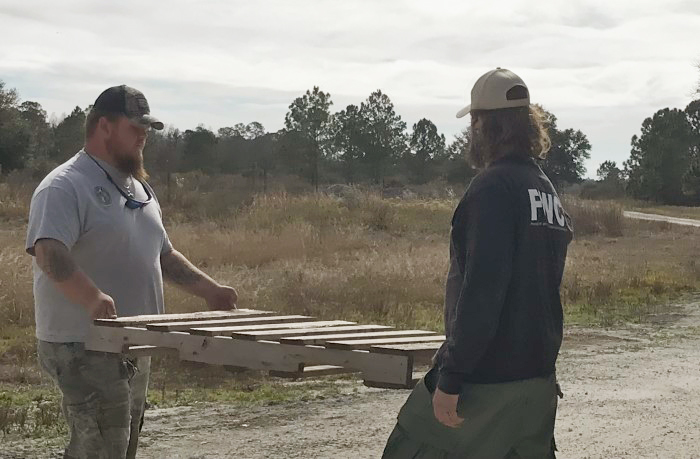
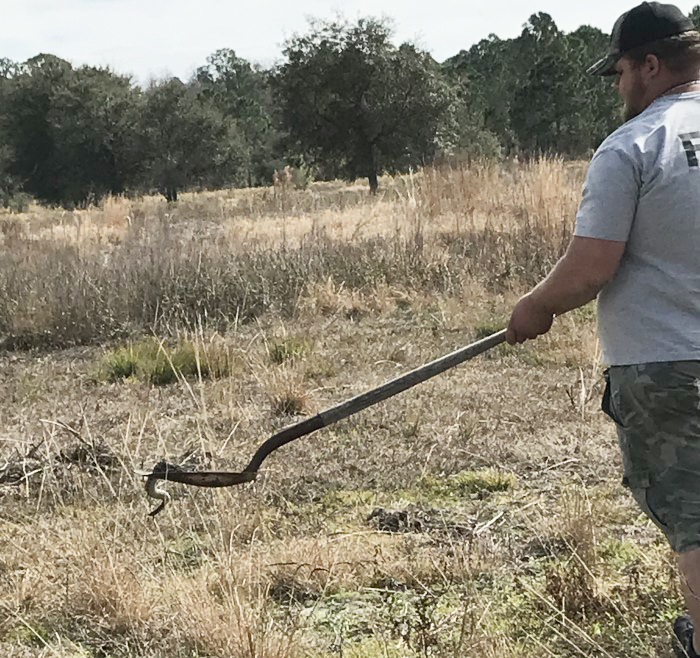
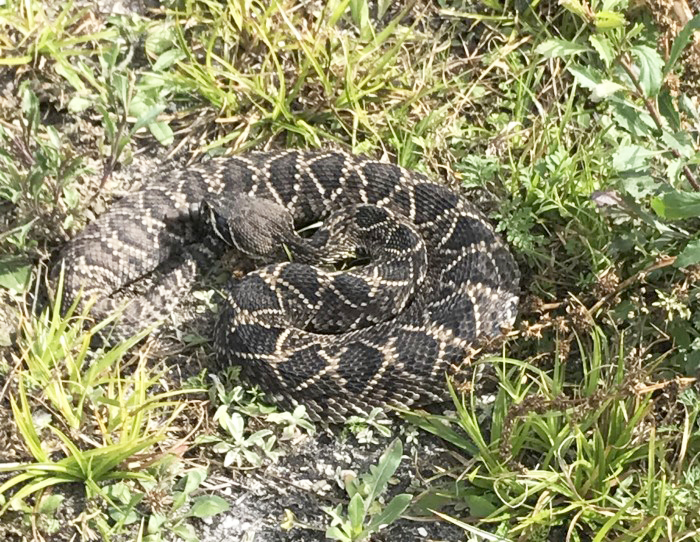
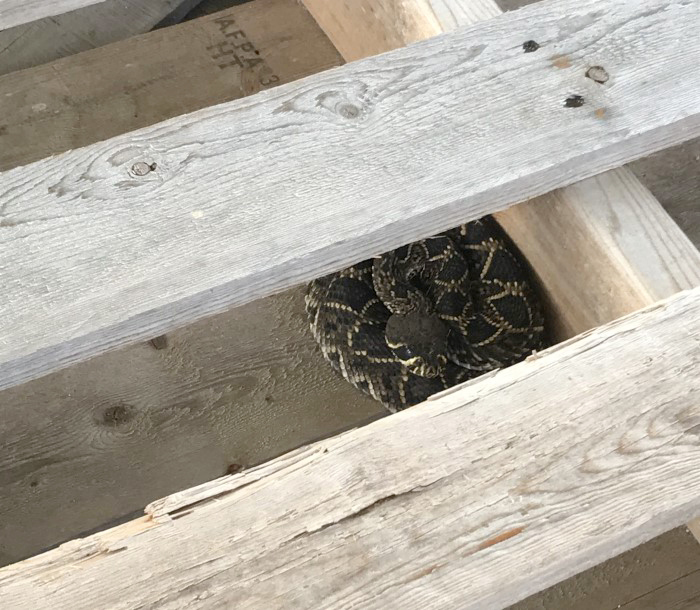 A young rattler was hiding in pallets near the shop and staff relocated it to a safer area for both us and the snake.
|
|
Deadline for the March Issue of Inside Job is Friday, Feb. 25
The Inside Job is a monthly newsletter featuring
the employees and programs of the FWC.
Send your submissions, comments and questions to Kelly.Broderick@MyFWC.com.
|
|
|
|
|