|
By Peter Kleinhenz
If you have spent more than a
couple hours exploring natural Florida, chances are that you’ve had a “wow
moment.” Maybe it was that instant when you turned a corner and a view you
couldn’t believe unfolded in front of you or when a creature you didn’t expect
to see crossed your path. The complex biodiversity and human history of the
state ensures that properties encompassing significant swaths of nature contain
plenty of “wow” material. Take, for instance, Chassahowitzka
Wildlife Management Area.
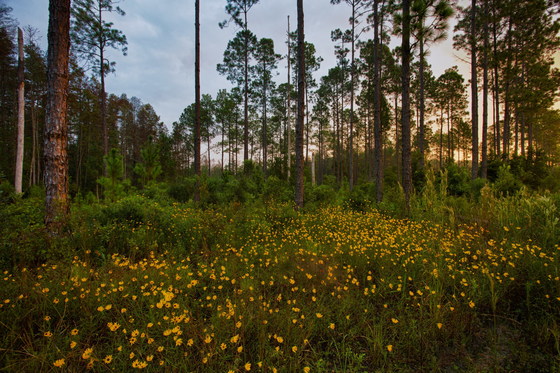 Photo by David Moynahan
In the early part of the 20th century, gargantuan bald cypress trees dominated the swampy lowlands of what is now Chassahowitzka WMA. Trees with diameters of 16 feet were not uncommon.
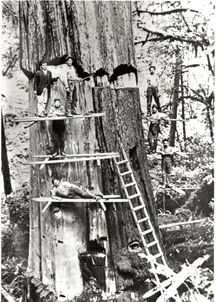
However, at a time when trees
were seen mainly for their financial potential, the ancient forests were
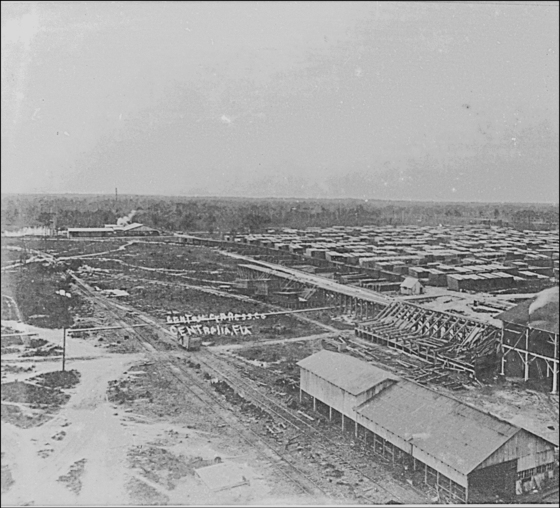
doomed. A boom town named Centralia sprung up around one of the largest logging
mills to ever exist in Florida.
Centralia existed for seven years before the mill became unprofitable due to the lack of available trees. Fifteen hundred people lost their jobs and nature began to reclaim the site.
Today, intrepid visitors can discover this history for themselves. Hidden among cabbage palms and pines sits the Centralia town site. Trees and vines cover concrete foundations and slowly-rotting cypress trunks decay slowly in the old float pond.
|
Historic photos courtesy of Florida Archives
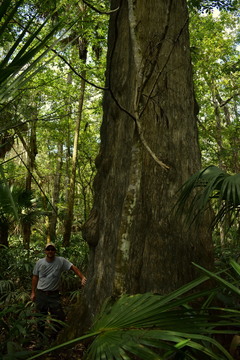
The real prize, though, lies far down one of the old logging trams that pierces the heart of the swamp. Over one mile from the nearest road, a true behemoth of a bald cypress grows as it has for hundreds, maybe thousands, of years. For whatever reason, this tree was passed by.
Other
unusual features of Chassahowitzka WMA include a spring in the middle of a
swamp, one of the largest underwater caverns in the United States and secretive
species such as the short-tailed snake and coastal lowland cave crayfish.
|
Photo by Peter Kleinhenz
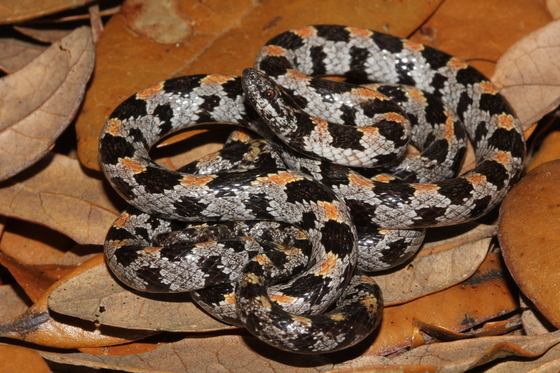 Short-tailed snake by Kevin Enge
And that’s just one Wildlife Management Area. Forty-five other FWC lead-managed areas and 101 cooperatively-managed areas all contain hidden secrets of their own. Whether you want to visit an ancient Native American site, paddle down an isolated waterway, view fascinating wildlife species or simply explore the most remote spots in Florida, new discoveries reward every WMA visit.
|